
Znamenny chant
Other names: Hook notation chant, Stolp chant
The old Russian monophonic chant written in neumes («hooks»); rarely heard in parishes today.
Reading options
Znamenny chant is the way singing was done in Rus from the 11th to the 17th century. This singing is monophonic: everyone sings one melody, without chords and without division into parts. It sounds even, restrained and unfamiliar to an ear brought up on a modern church choir.
Kryuki (hooks)
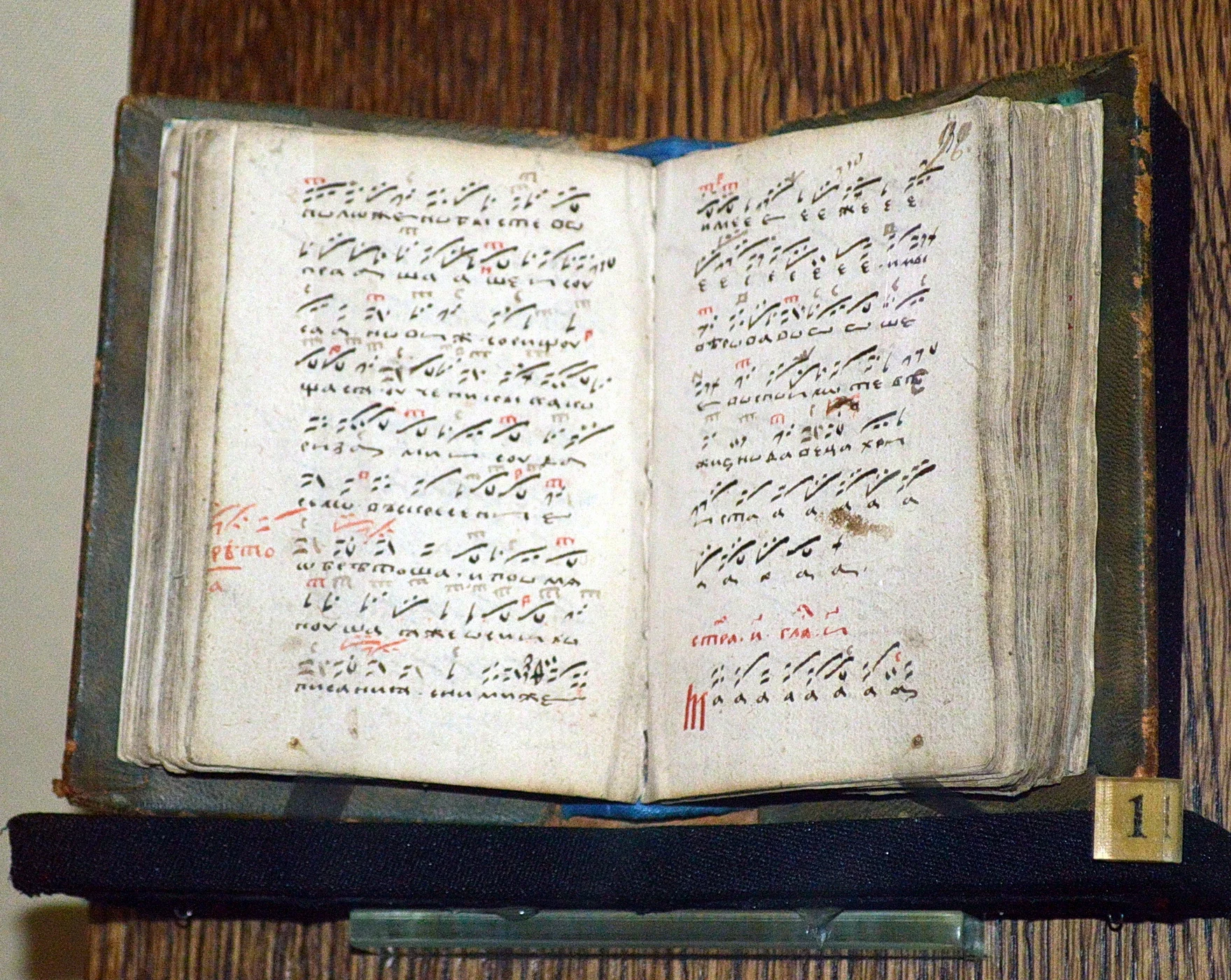
It was written down not in notes but in signs above the line — znamena (“marks”), colloquially kryuki (“hooks”). Hence the name. A sign indicated not a single note but a whole turn of melody, so one cannot sing from kryuki at sight without knowing the chants by heart: they were learned over years.
Honestly, about where it is heard
From the 17th century Znamenny chant was almost displaced by polyphony that came from the West, and today it is not sung in an ordinary parish church. It can be heard in Edinoverie and Old Believer churches, in certain monasteries, and with choirs that engage in it deliberately. Sometimes one or two hymns of the service are sung to Znamenny chant — most often in Great Lent.
Images
See also
Books and chant
Tone
Not pitch but a set of melodies. There are eight tones; they change weekly and repeat every eight weeks.
Books and chant
Obikhod
The collection of the most commonly used chants — and the plain melodies an ordinary parish choir sings most of the time.
Books and chant
Octoechos
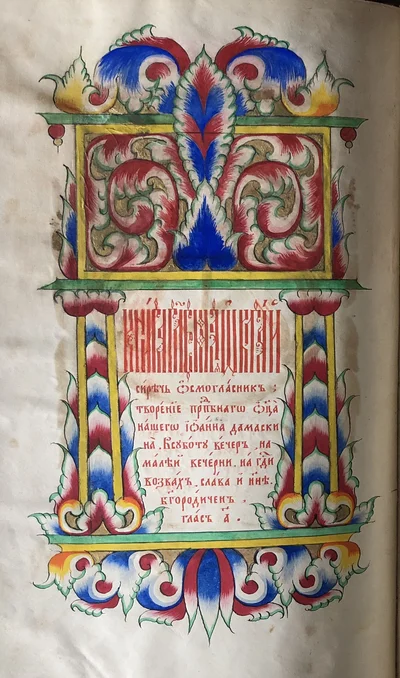
The book of the weekly cycle: eight tones, each with services for every day of the week.
The church building
Kliros (choir place)
The place for singers and readers at the ends of the solea, right and left of the iconostasis.