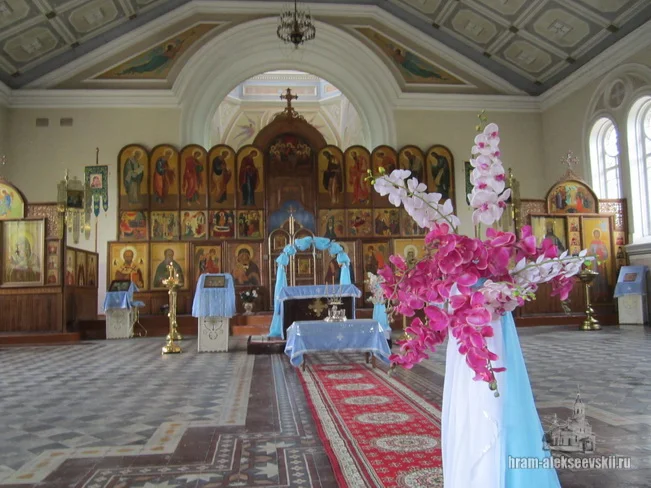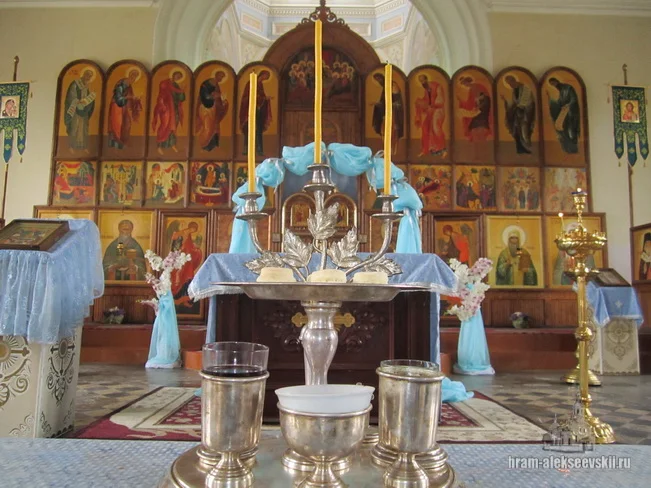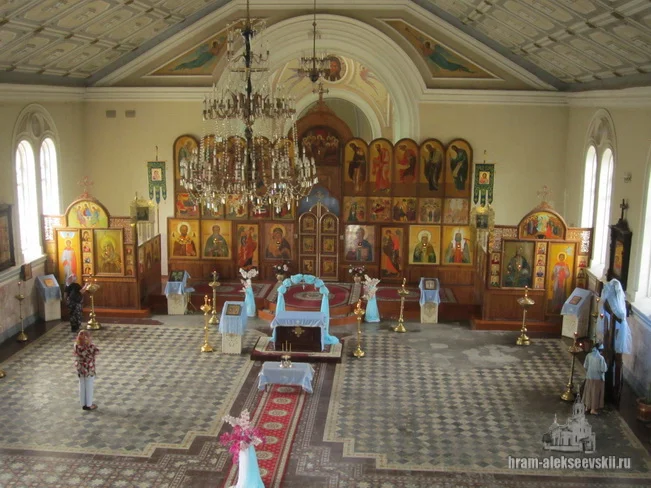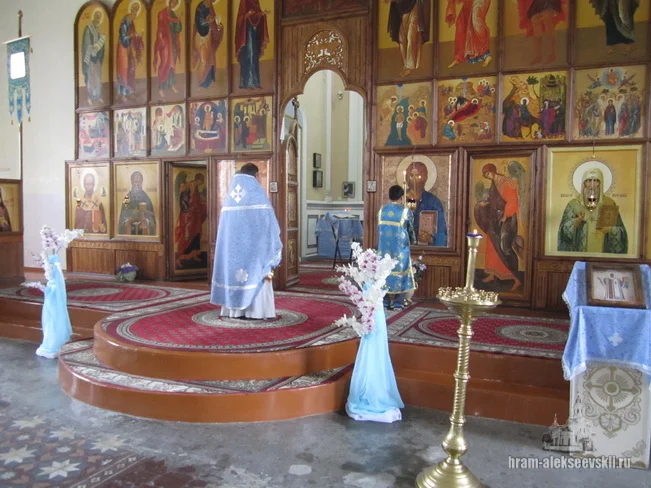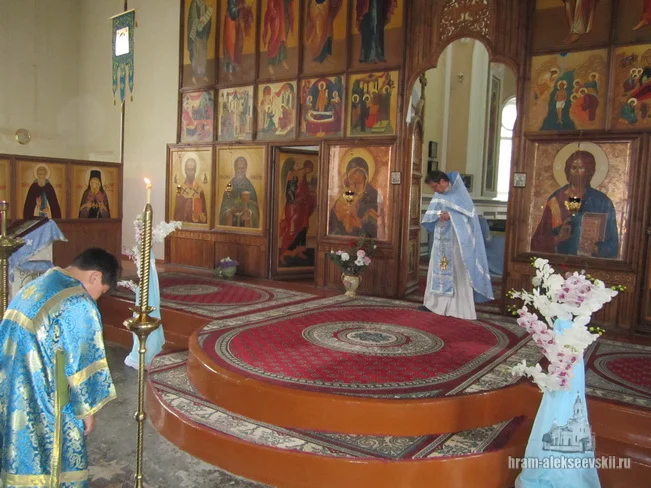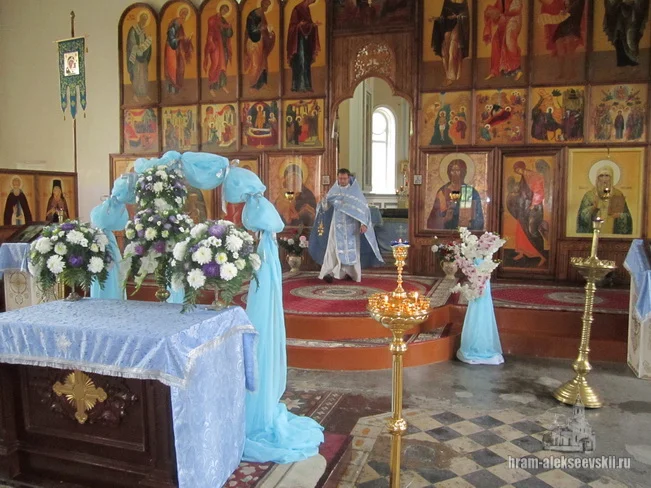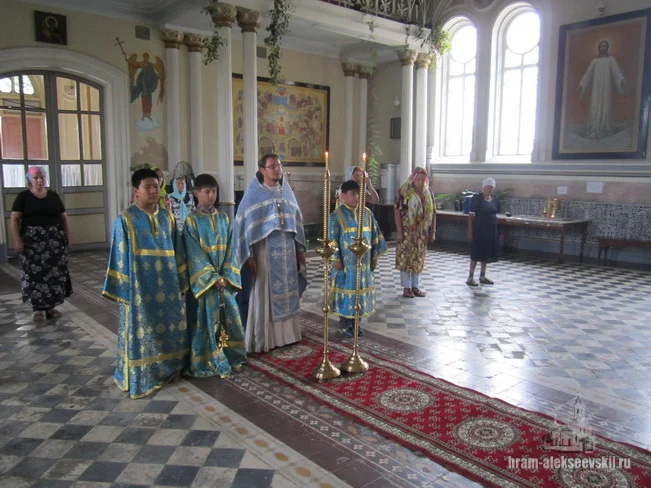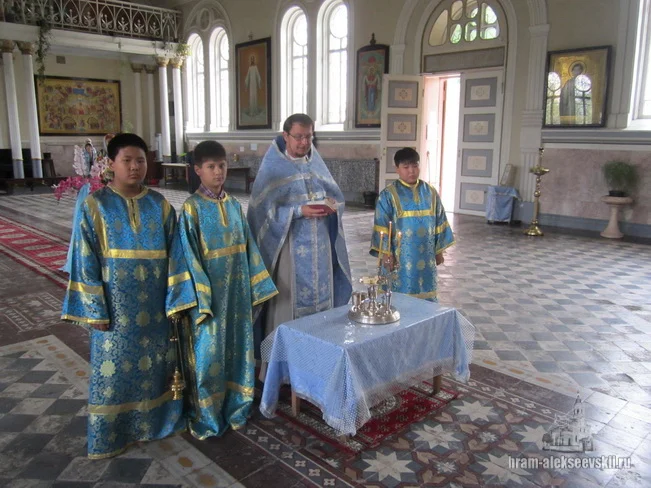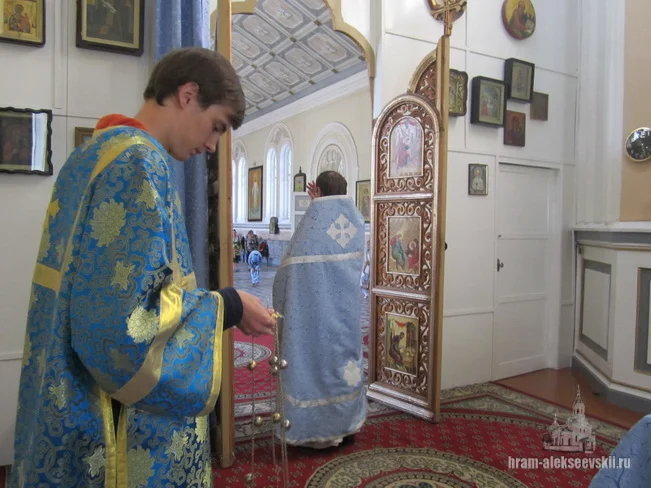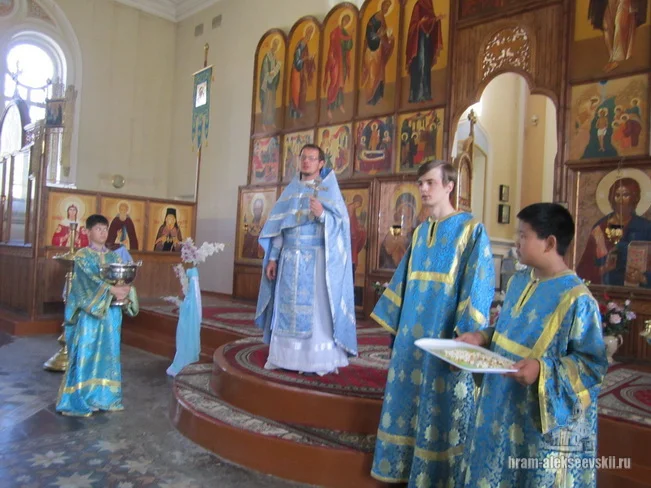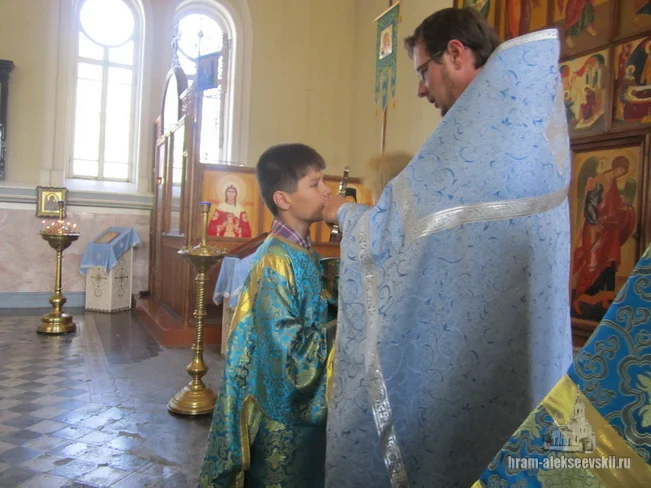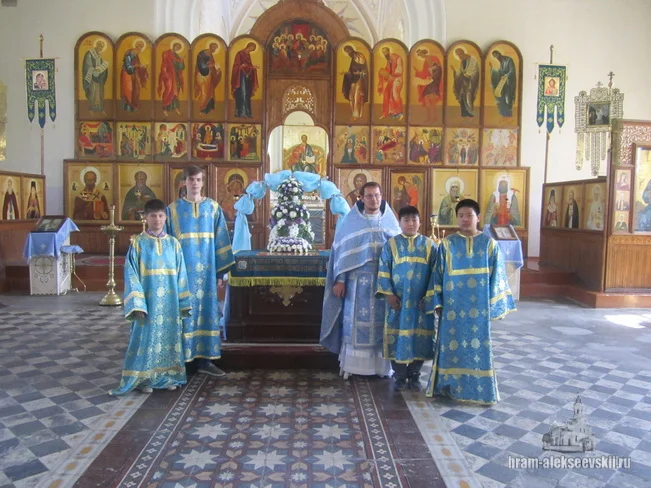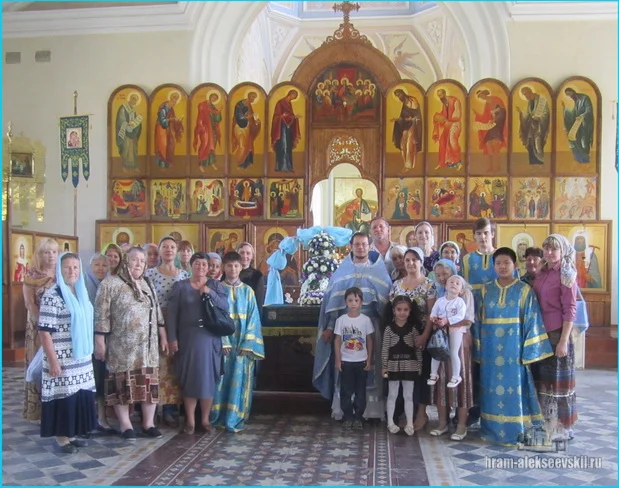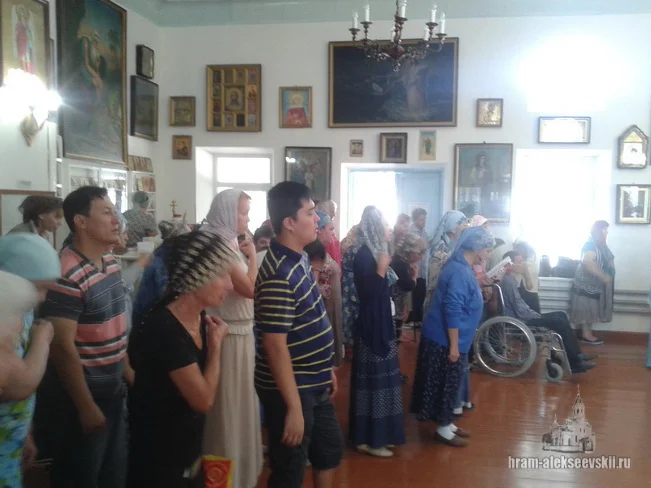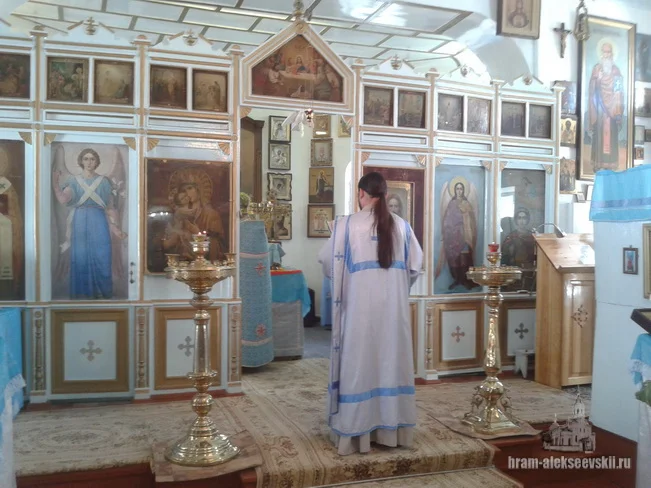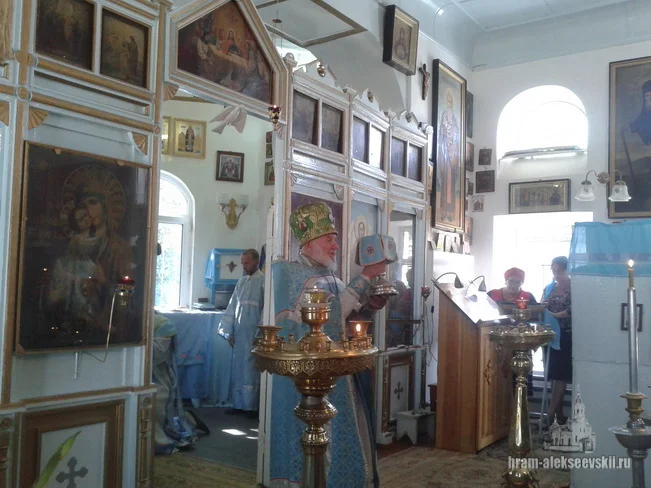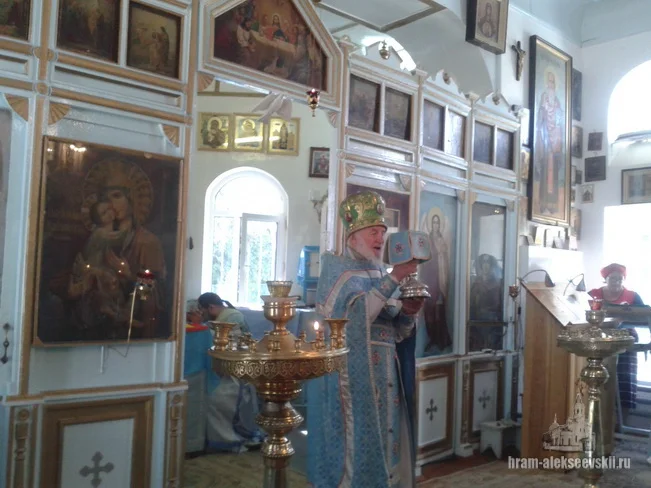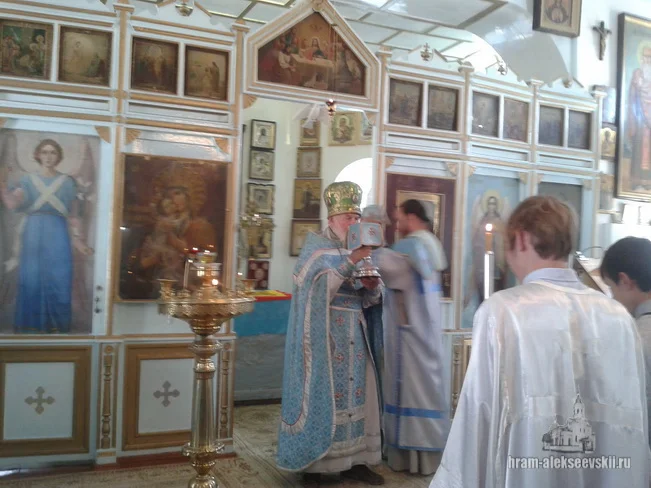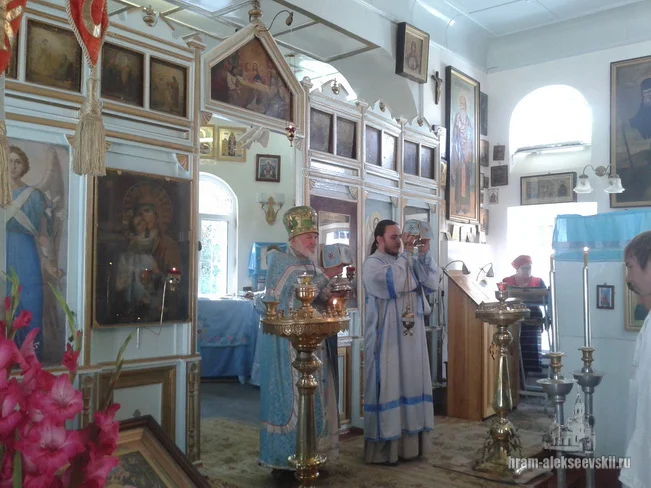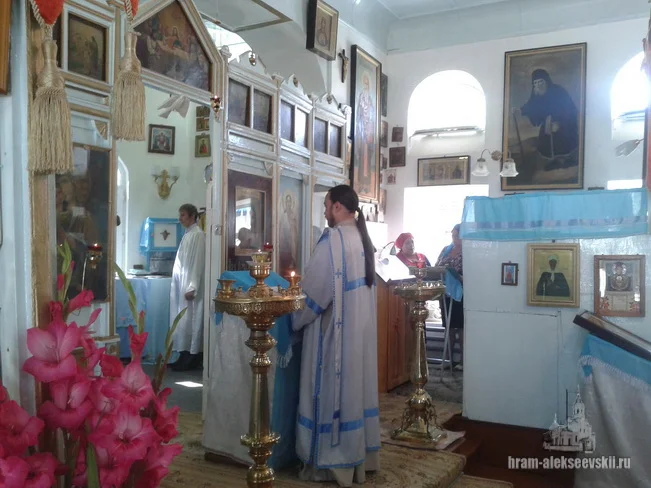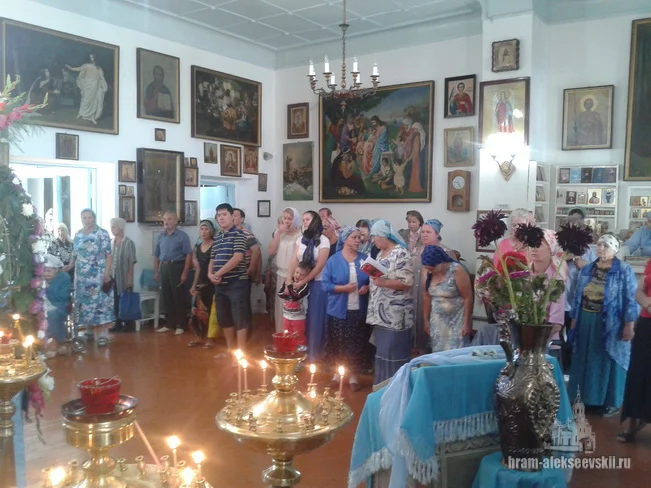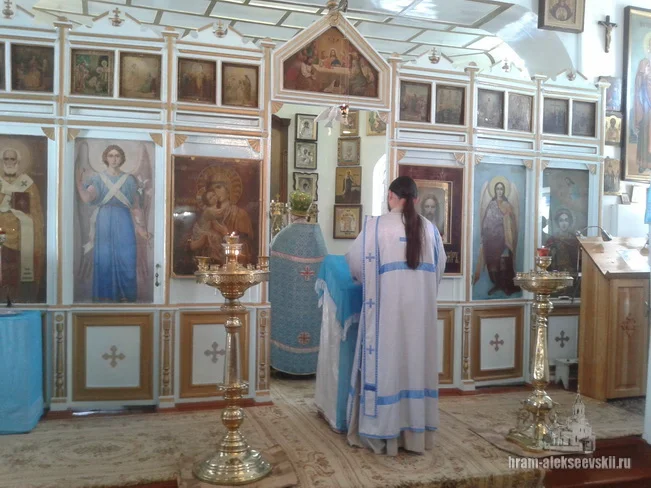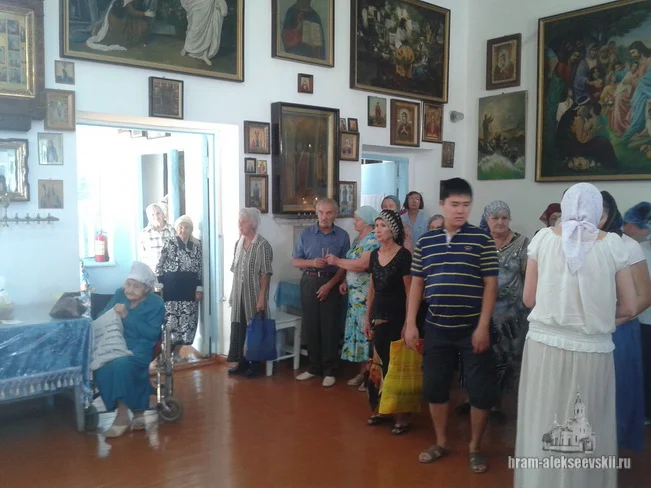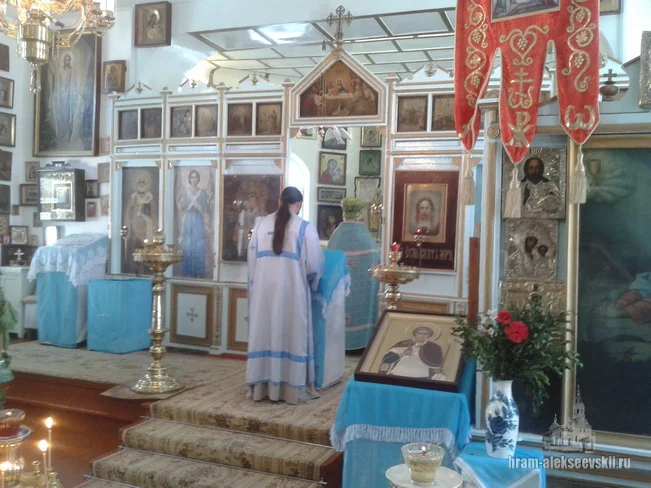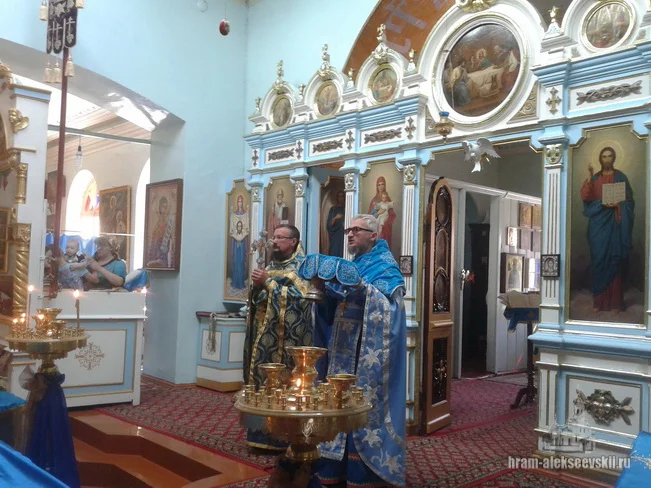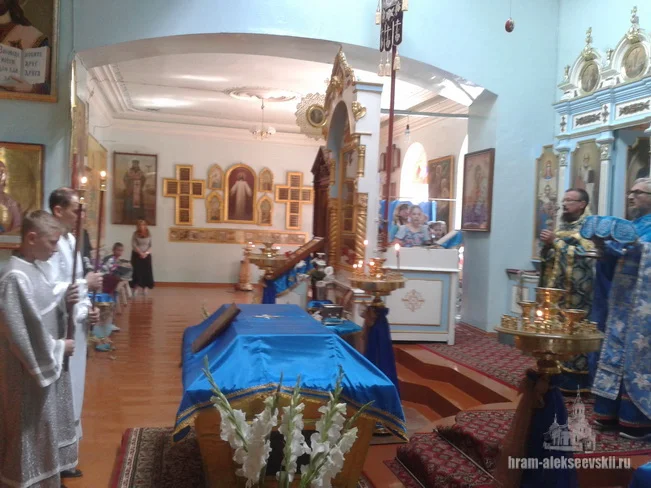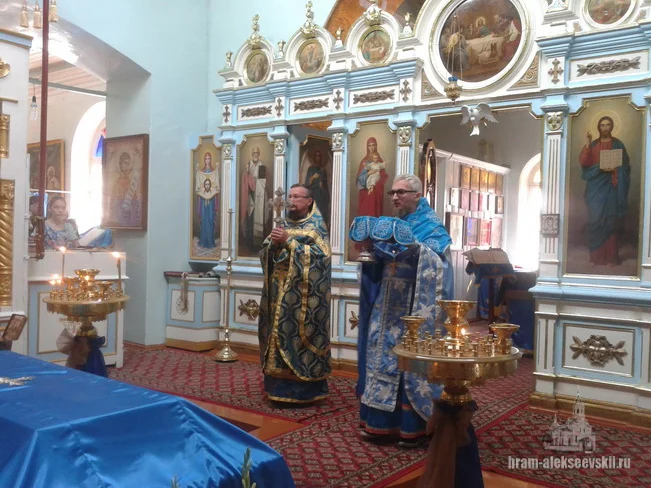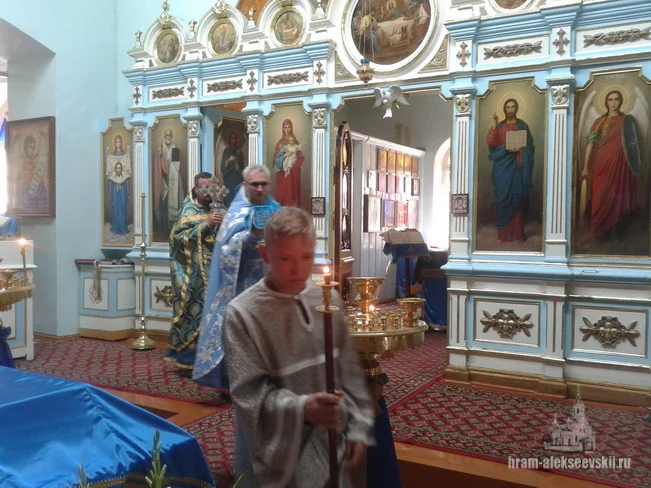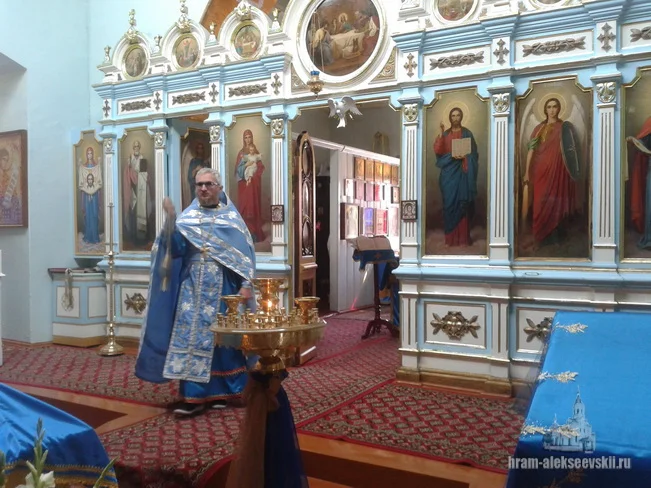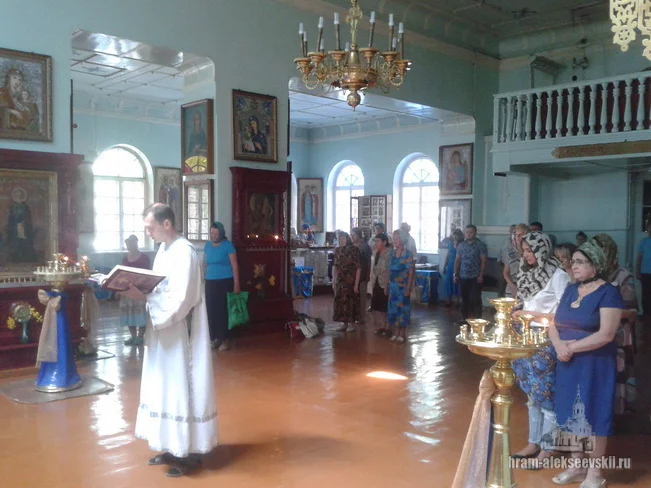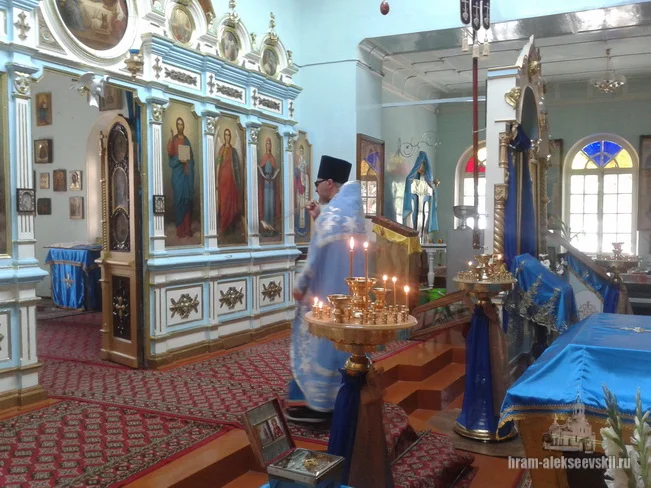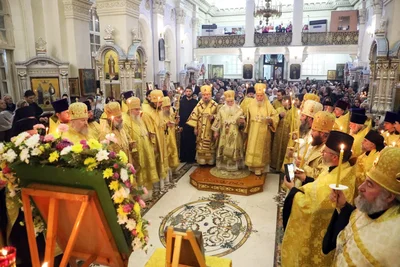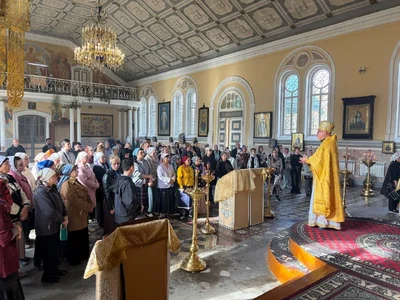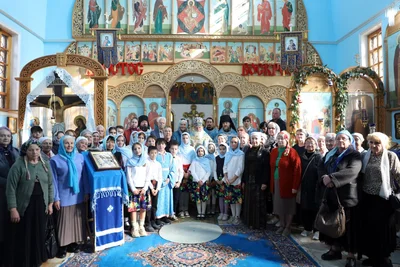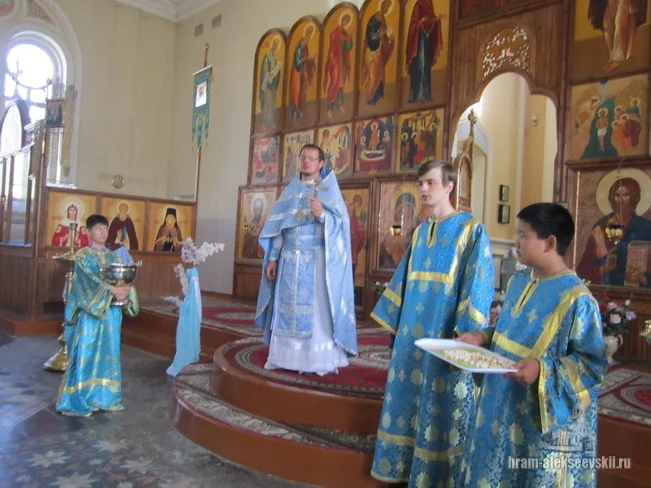
On 28 August, the feast of the Dormition of Our Most Holy Lady the Theotokos and Ever-Virgin Mary, festive services were held in all the churches of the Samarkand Deanery.
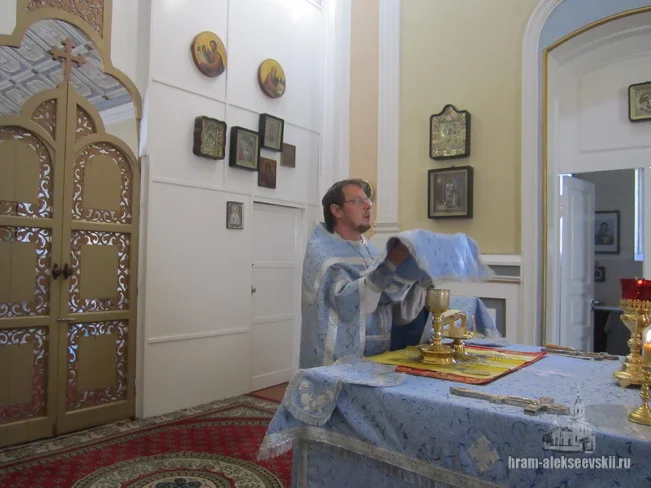
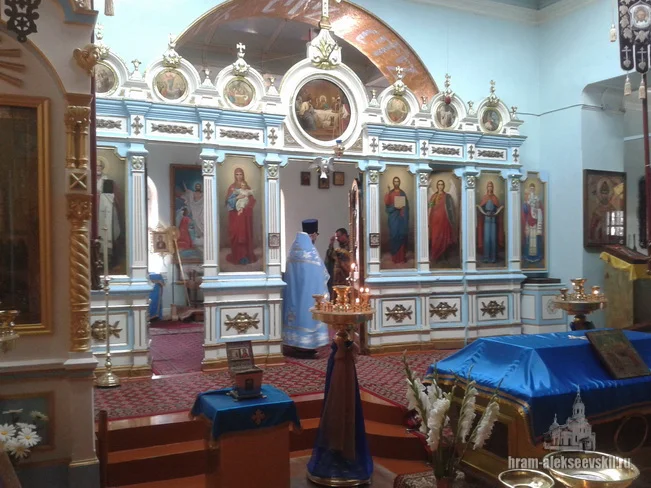
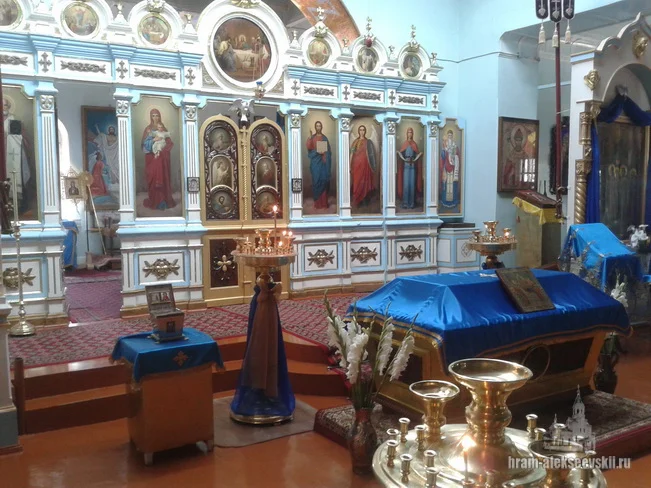
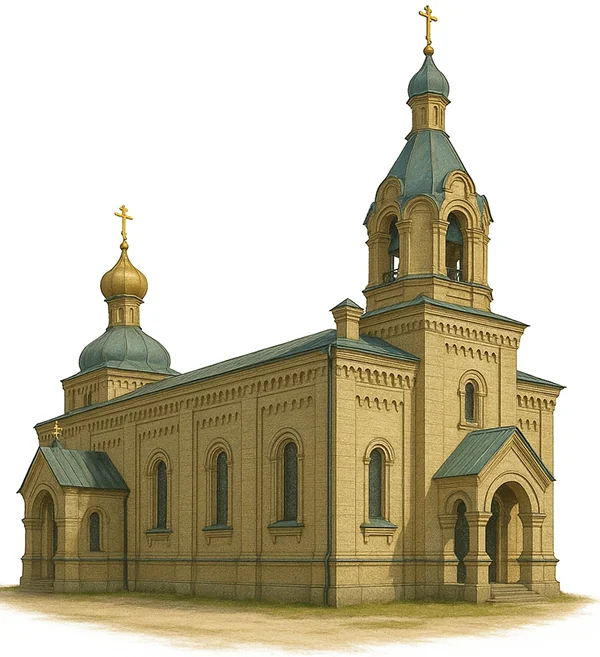
At Saint Alexius Cathedral the Divine Liturgy was led by the rector, Priest Igor Babakov.
At the Church of the Great Martyr George the Victorious the Divine Liturgy was celebrated by Fr. Dmitry, assisted by Deacon Oleg Lin.
At the Church of the Protection of the Mother of God the Divine Liturgy was celebrated by the dean, Fr. Roman, with the participation of a guest of the Samarkand Deanery, Hegumen Arseny (Sokolov).
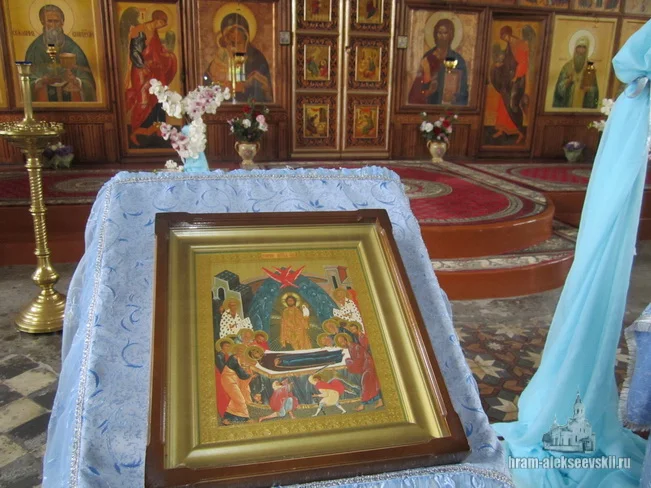
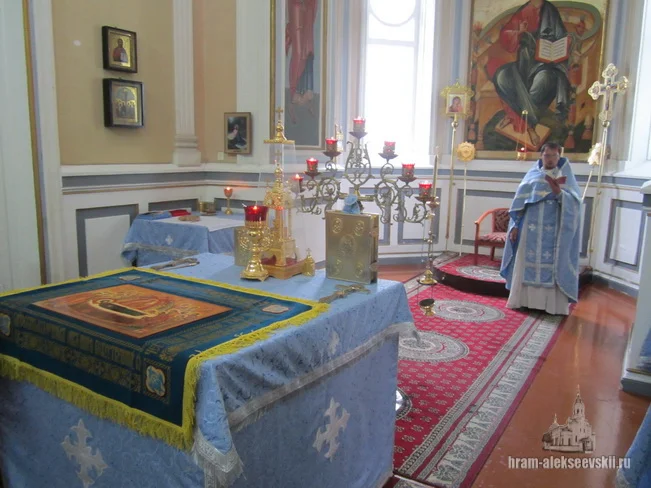
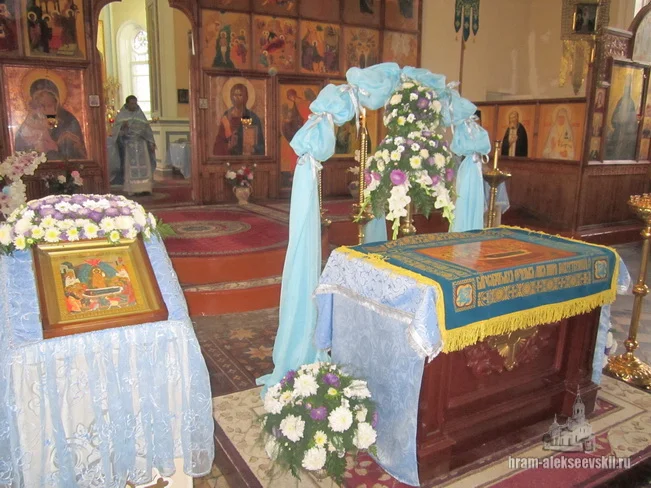
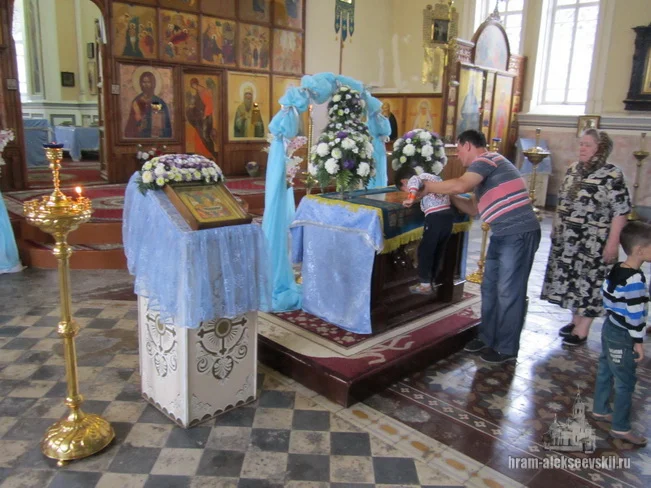
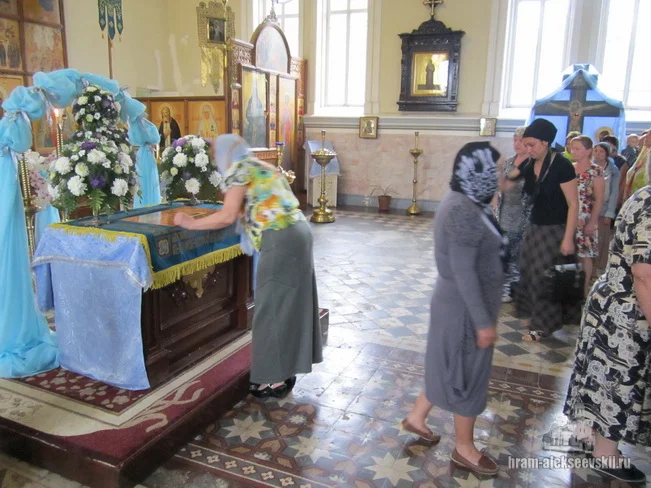
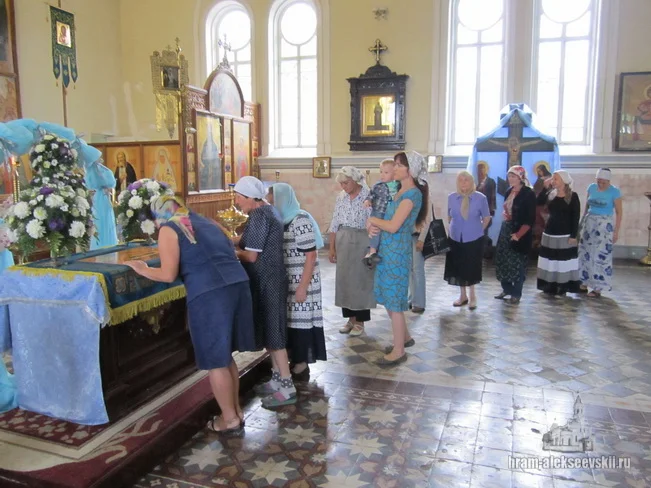
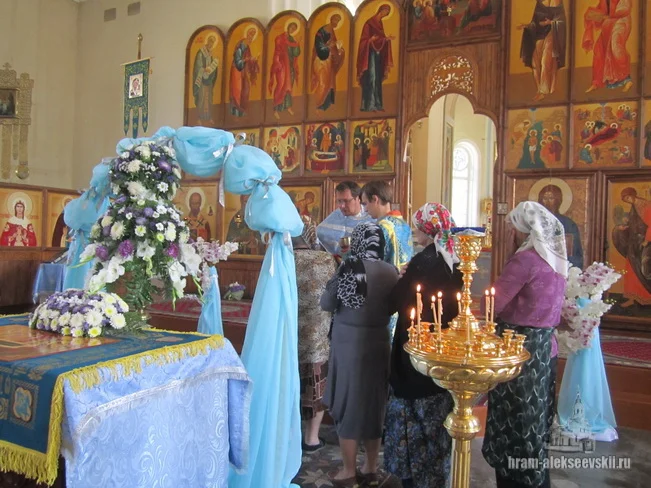
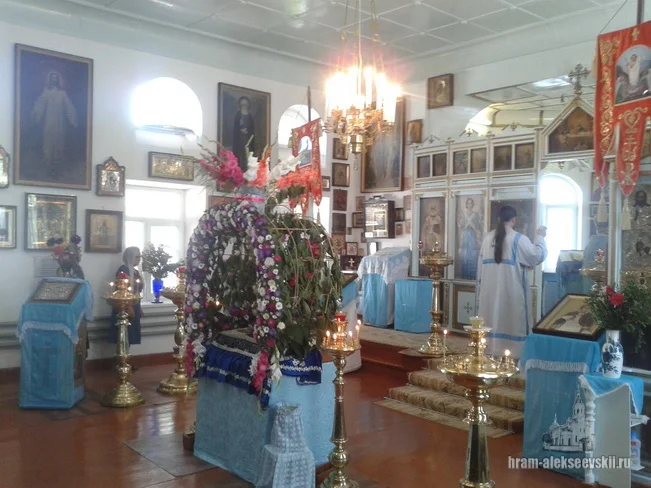
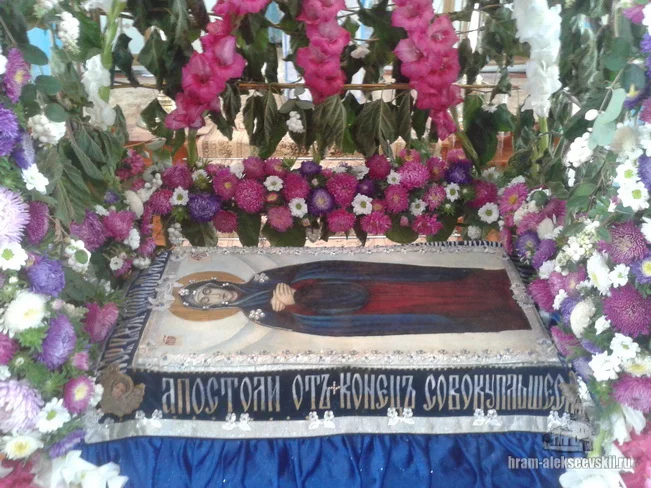
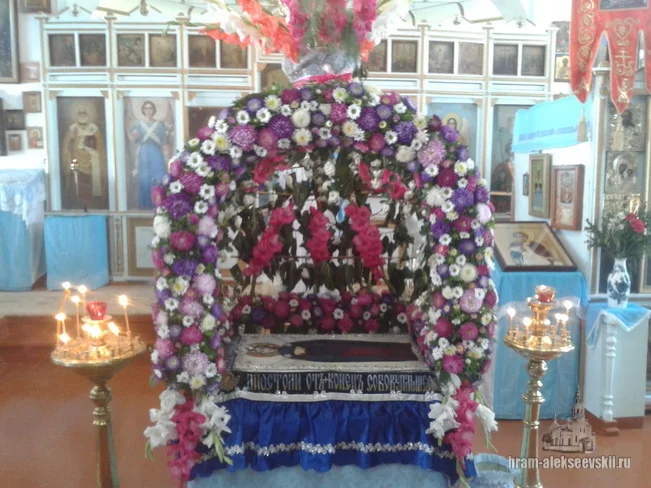
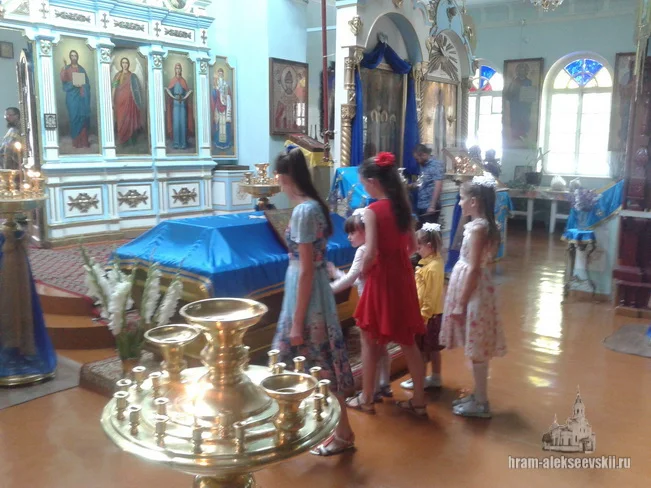
On the eve, during the All-Night Vigil at Saint Alexius Cathedral, the Shroud of the Mother of God was brought out and placed in the centre of the cathedral for veneration by all. Prayers to the Most Holy Theotokos were offered before it.
After the Divine Liturgy Fr. Igor congratulated everyone present on the great Orthodox feast and spoke about its history and spiritual meaning.
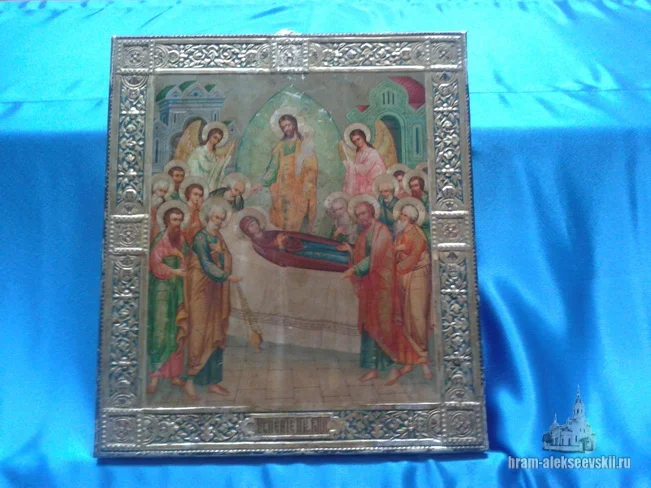
The Dormition of the Theotokos is a feast dedicated to an event that is not described in the Bible but is known to us from the Tradition of the Church.
During the persecution raised by Herod against the young Church of Christ (Acts 12:1–3), the Most Holy Virgin Mary withdrew to Ephesus with the Apostle John the Theologian in the year 43. She also visited Cyprus, where St. Lazarus of the Four Days was bishop, and the Holy Mountain of Athos, of which, as St. Stephen the Athonite relates, the Mother of God said prophetically: “This place shall be My lot, given to Me by My Son and God. I will be the Protectress of this place and its Intercessor before God.”
The reverence of the early Christians for the Mother of God was so great that they preserved everything about Her life that they could observe from Her words and deeds. According to tradition based on the words of the hieromartyrs Dionysius the Areopagite and Ignatius the God-Bearer, St. Ambrose of Milan wrote of the Mother of God in his work “On Virgins”: “She was a virgin not only in body but also in soul, humble of heart, careful in speech, prudent, sparing of words, fond of reading, hard-working, chaste in conversation. Her rule was to offend no one, to wish everyone well, to honour her elders, not to envy her equals, to avoid boasting, to be sound of mind, to love virtue. When did She ever wound Her parents even by a look? When was She ever at odds with Her kin? When did She ever look down on a humble person, mock the weak or turn away from the needy? There was nothing stern in Her eyes, nothing careless in Her words, nothing unseemly in Her actions: Her movements were modest, Her step quiet, Her voice even, so that Her bodily appearance was the expression of Her soul, the very image of purity. She turned all Her days into a fast: She gave Herself to sleep only when necessity required, and even then, while Her body rested, She kept vigil in spirit, repeating in sleep what She had read, or thinking over how to carry out the intentions She had formed, or planning new ones. She left the house only to go to church, and then only accompanied by Her relatives. Yet although She appeared outside Her home in the company of others, She was Her own best guardian; others guarded only Her body, while She Herself kept watch over Her conduct.”
Before Her repose the Most Holy Virgin Mary wished to see all the apostles, who by then had gone out into the world to preach the Christian faith. Despite this, the wish of the Theotokos was fulfilled: the Holy Spirit miraculously gathered the apostles at the bed of the Most Holy Theotokos, where She was praying and awaiting Her repose. The Saviour Himself, surrounded by angels, came down to Her to take Her soul with Him. The Most Holy Theotokos offered a prayer of thanksgiving to the Lord and asked Him to bless all who honour Her memory. She also showed great humility: having attained a holiness with which no human being can compare, being more honourable than the Cherubim and beyond compare more glorious than the Seraphim, She begged Her Son to protect Her from the dark power of Satan and from the toll-houses through which every soul passes after death. Having seen the apostles, the Mother of God joyfully gave up Her soul into the hands of the Lord, and at once angelic singing was heard.
After Her repose the apostles carried the coffin with the body of the Most Pure Virgin to Gethsemane and buried it there in a cave, whose entrance they closed with a stone. After the burial the apostles remained at the cave for three more days, praying. The Apostle Thomas, who arrived too late for the burial, was so grieved that he had not been able to venerate the remains of the Theotokos that the apostles allowed the entrance of the cave and the tomb to be opened so that he could venerate Her holy body. On opening the coffin they found that the body of the Theotokos was not there, and so they were convinced of Her miraculous bodily ascent into Heaven. In the evening of the same day, when the apostles had gathered for supper, the Mother of God Herself appeared to them and said: “Rejoice! I am with you all the days.”
“We all know that the Most Holy Theotokos is our Intercessor and hears all our sorrows and griefs. Together with our hope in Her intercession before the Lord, we must look to the earthly life of the Mother of God, which was strict and devout and instructed those around Her in faith and righteousness, and we must try to amend our own lives,” said Fr. Igor.