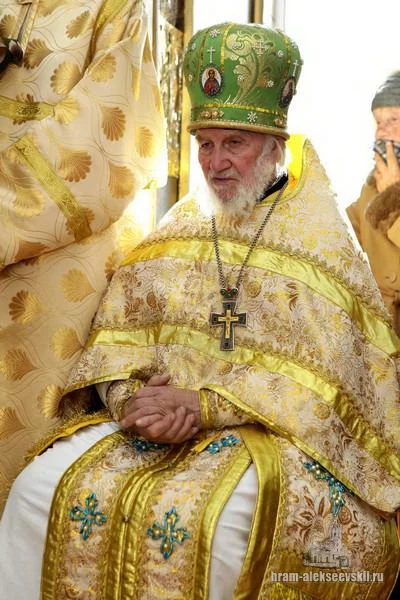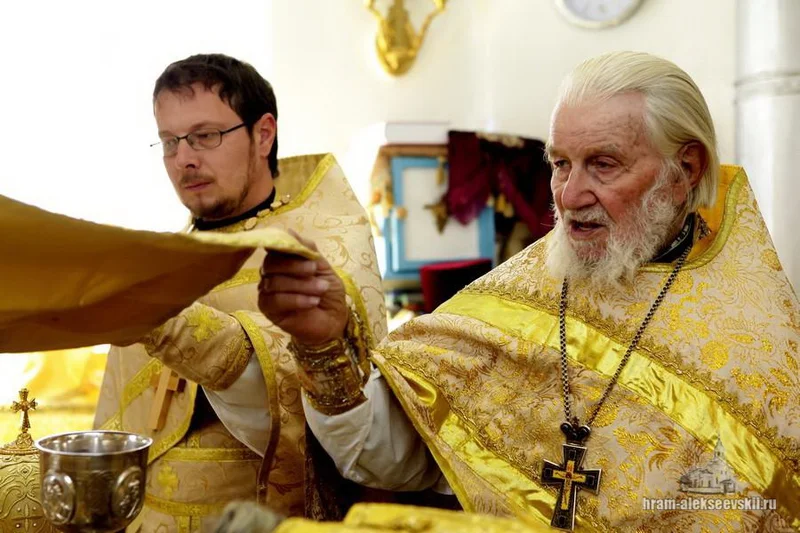
On 24 February 2016 one of the oldest clergymen of the Diocese of Tashkent, Mitred Archpriest Dimitry Kozulin, rector of the Church of the Holy Great Martyr George the Victorious in Samarkand, celebrated both his birthday and his name day.
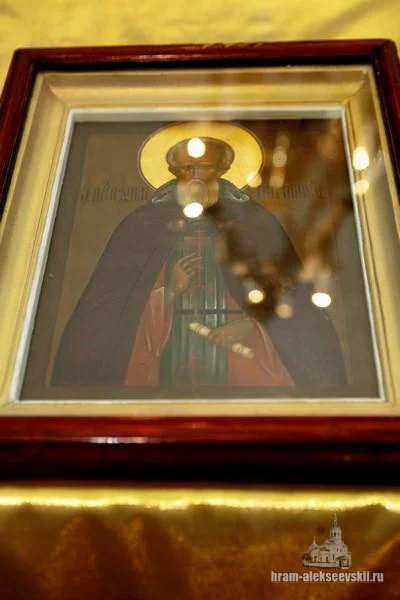
On this day the Holy Orthodox Church honours the memory of Venerable Demetrius of Priluki, the Vologda Wonderworker, who is the heavenly patron and intercessor of Fr. Dimitry.
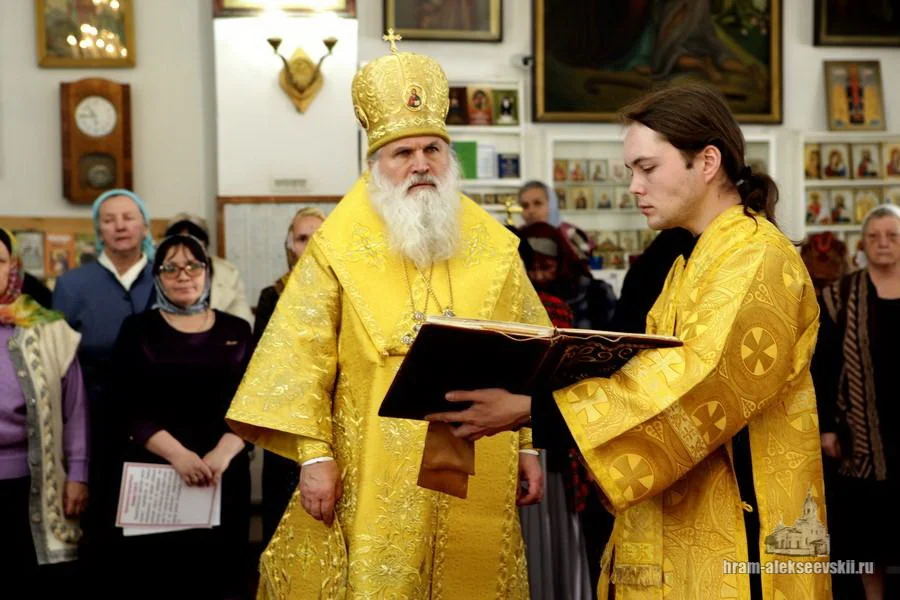
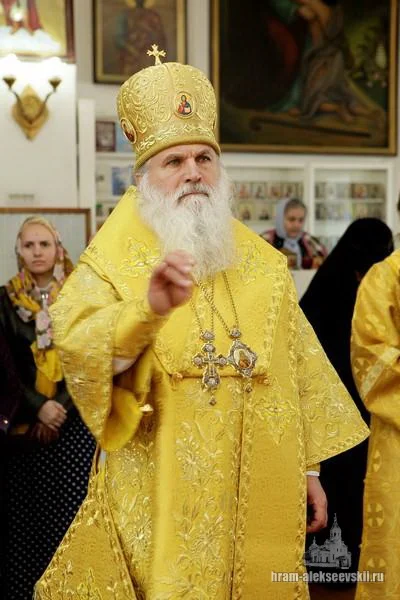
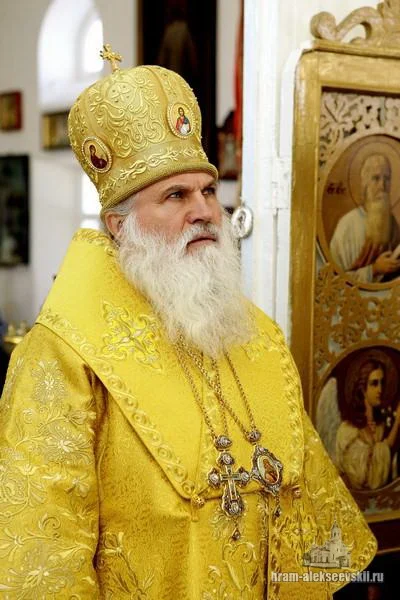
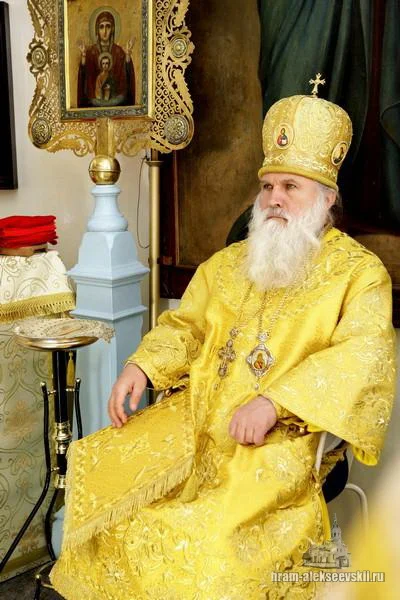
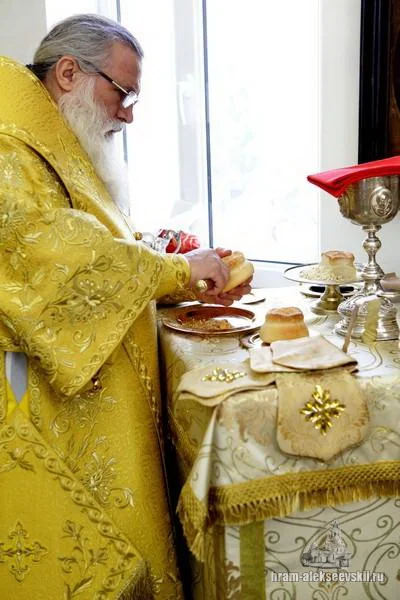
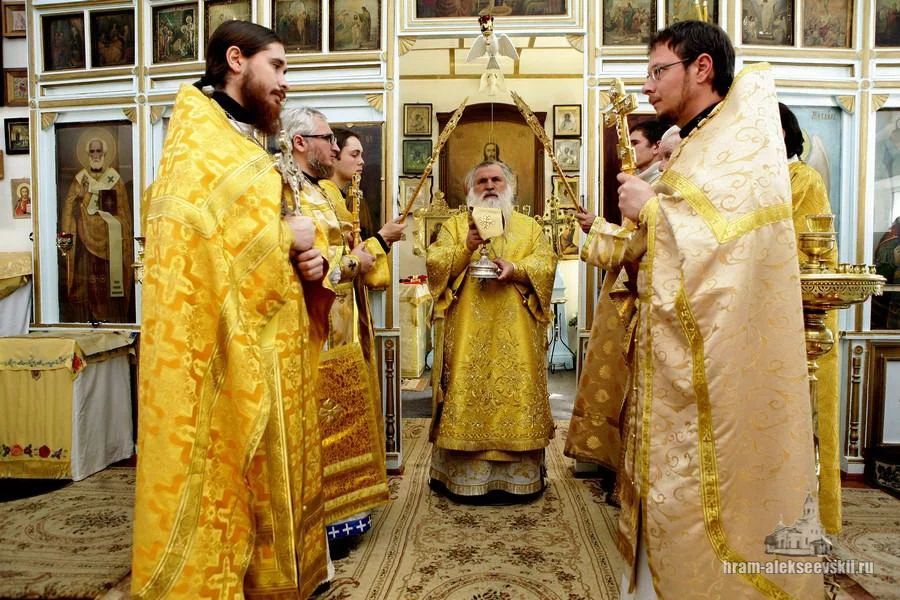
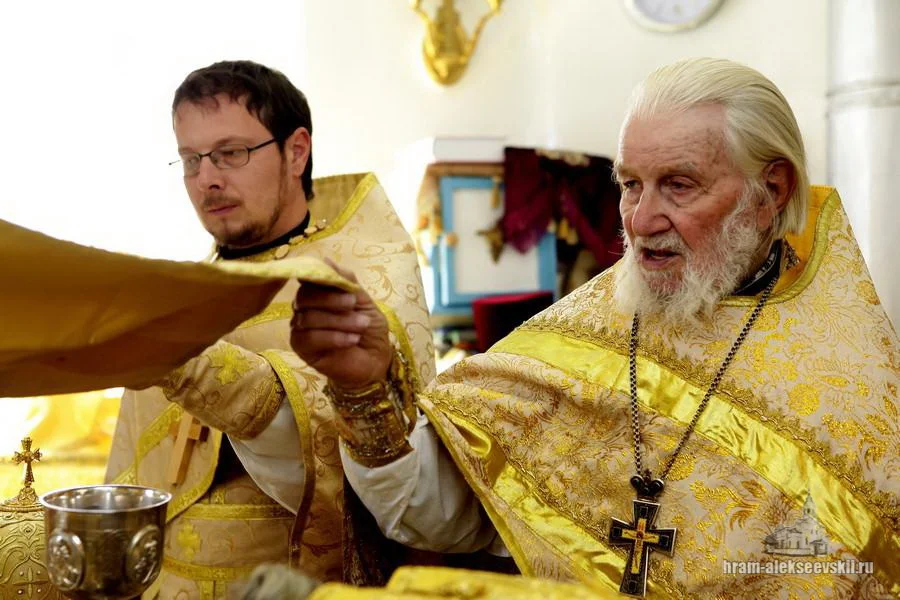
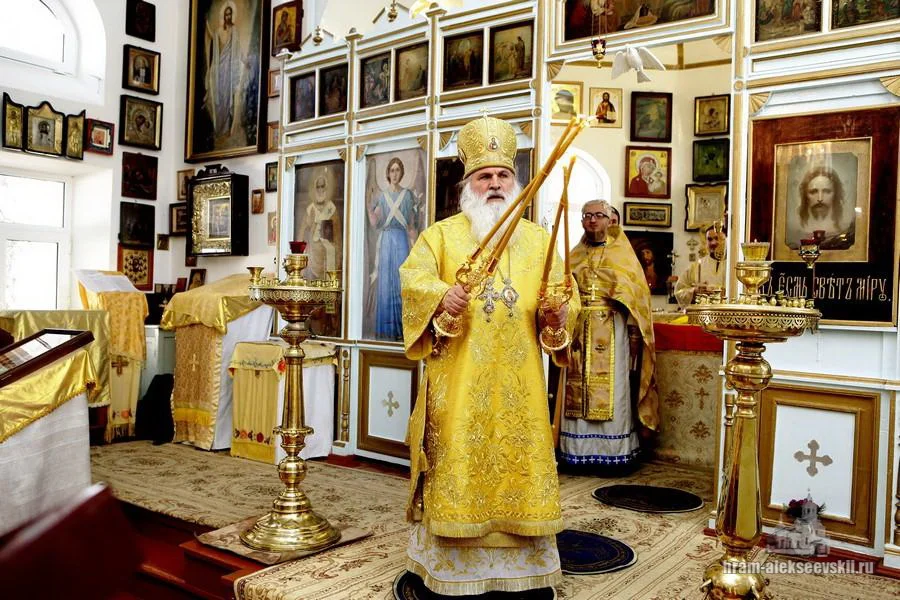
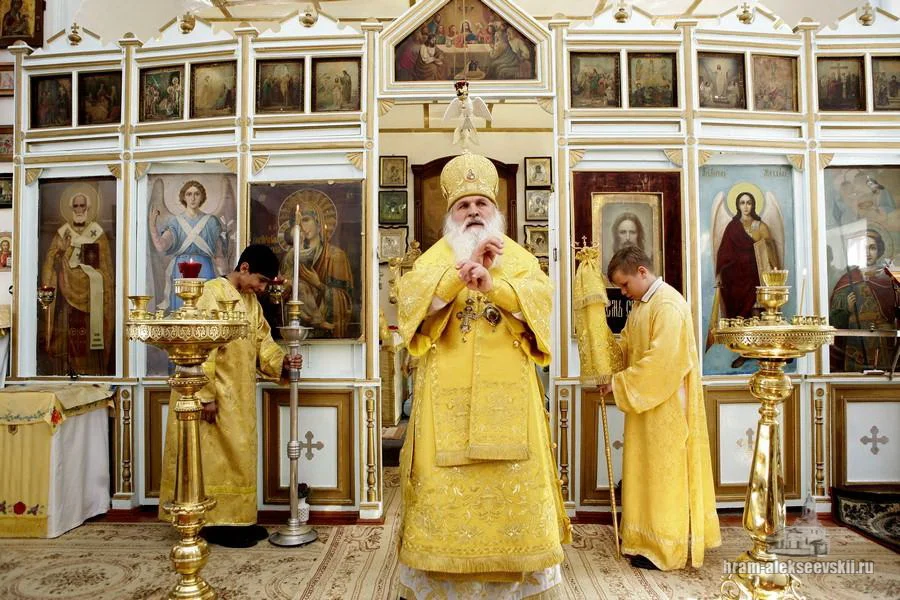
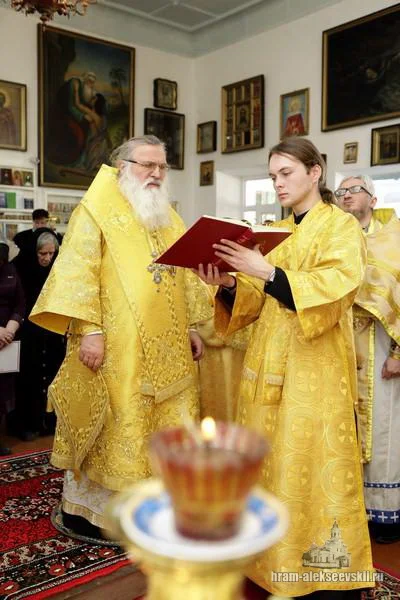
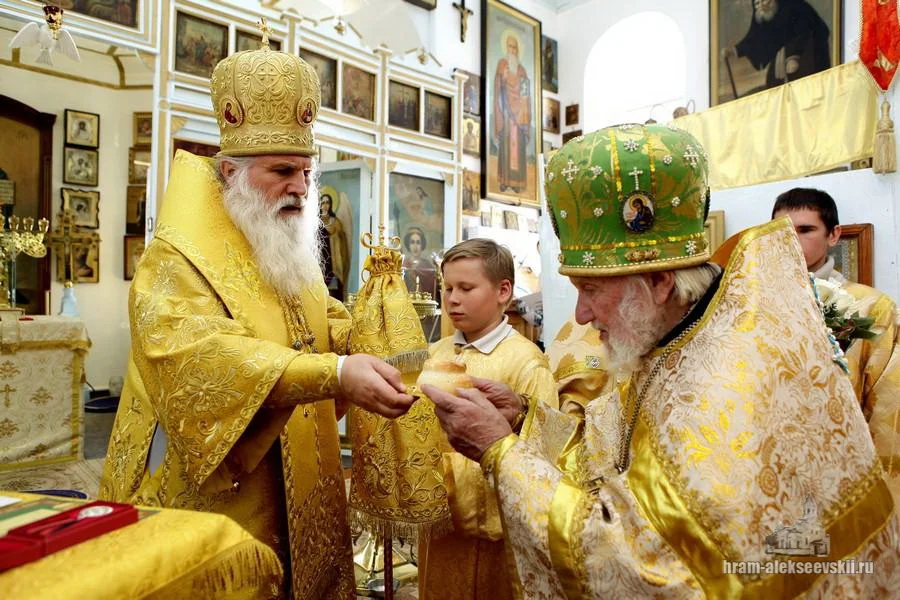
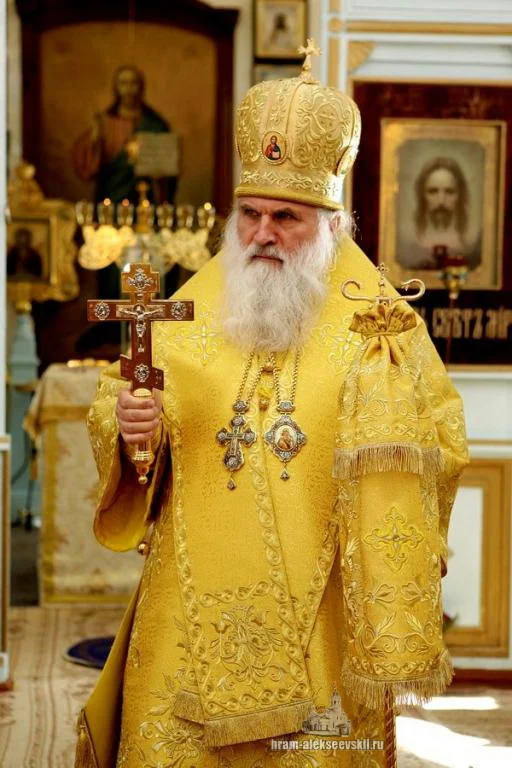
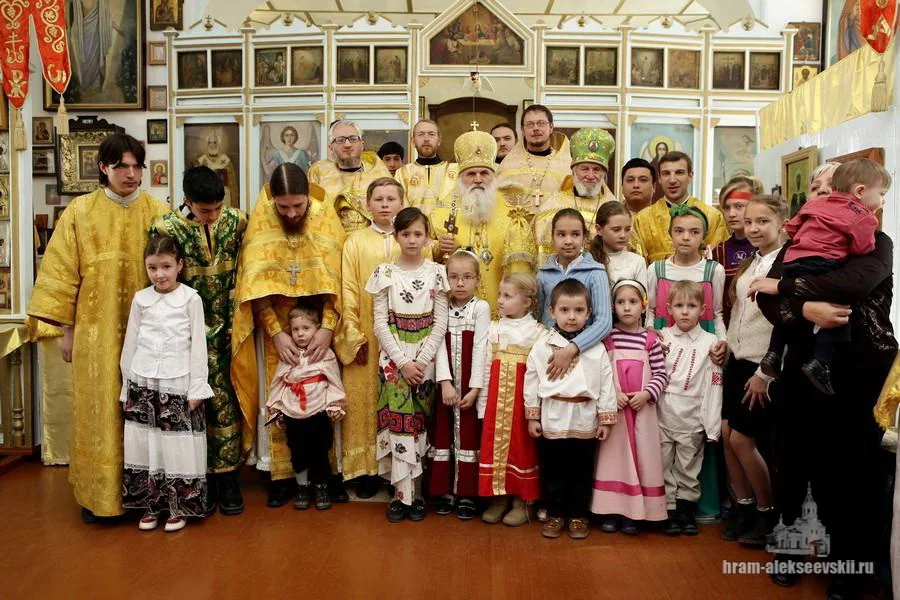
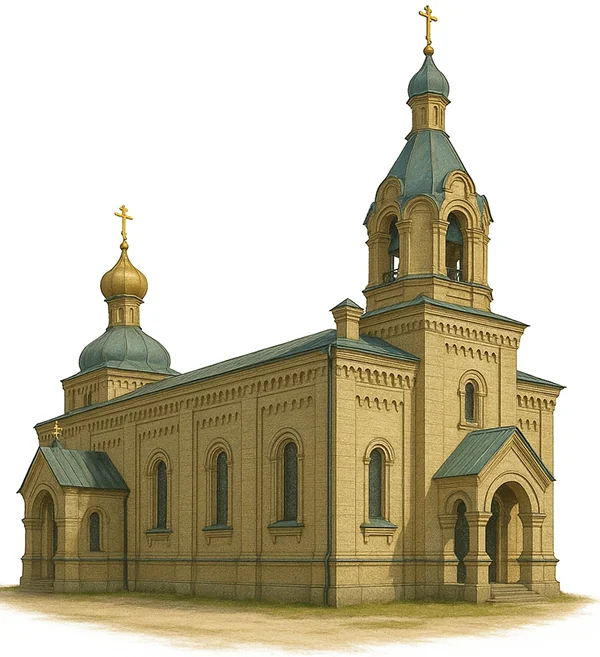
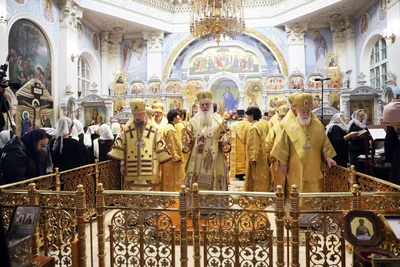
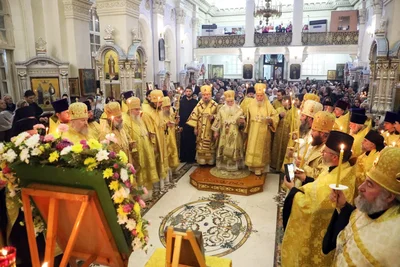
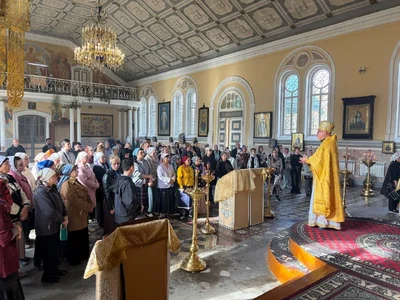
The ruling bishop of the diocese, Metropolitan Vikenty of Tashkent and Uzbekistan, head of the Central Asian Metropolitan District, came to congratulate the elder. His Eminence celebrated the Divine Liturgy at the Church of St. George, assisted by Mitred Archpriest Dimitry Kozulin, Archpriest Roman Zagrebelny, Priest Igor Babakov, Priest Timofey Sirodzhev, Hierodeacon Mikhail (Stolyarov), Deacon Oleg Lin and Deacon Oleg Dushenko.
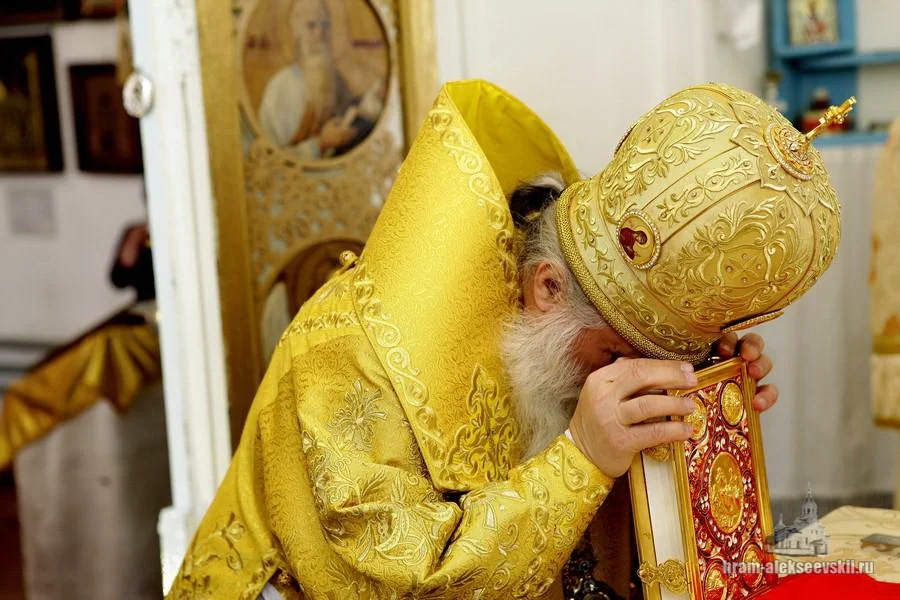
After Holy Communion the archpastor offered a hierarchal prayer to Venerable Demetrius of Priluki and then delivered his sermon, paying particular attention to the labours and ascetic struggles of this saint of God.
Venerable Demetrius of Priluki, the Wonderworker, was born into a wealthy merchant family in Pereslavl-Zalessky. From his youth the saint was distinguished by rare beauty. Having taken monastic vows at one of the Pereslavl monasteries, the Nagorny Monastery of Sts. Boris and Gleb, the saint founded the cenobitic Monastery of St. Nicholas on the shore of Lake Pleshcheyevo near the town and became its hegumen.
In 1354 Demetrius met Venerable Sergius of Radonezh for the first time, when the latter came to Pereslavl to see Bishop Athanasius. From then on he conversed with St. Sergius many times and grew close to him. The fame of the Pereslavl hegumen spread so widely that he became godfather to the children of Grand Prince Dimitry Ivanovich. Under the influence of the Wonderworker of Radonezh, the saint decided to withdraw to a remote place and set off for the North with his disciple Pachomius. In the Vologda forests, on the Velikaya River, in the Avnega district, they built a church of the Resurrection of Christ and intended to found a monastery. But the local inhabitants were afraid of losing their land, and the hermits, not wishing to be a burden to anyone, moved on.
Not far from Vologda, in a secluded place in a bend of the river, Venerable Demetrius decided to found the first cenobitic monastery in the Russian North. The inhabitants of Vologda and the surrounding area gladly agreed to help the saint. The owners of the land intended for the monastery, Ilya and Isidore, even trampled down their winter crops so that the church could be built at once. In 1371 the wooden Cathedral of the Saviour was erected, and brethren began to gather. Many of the saint's disciples moved here from Pereslavl. In the hegumen of Priluki deep prayer and the strictest asceticism were combined with mercy: he fed the poor and hungry, received pilgrims, talked with those in need of consolation and gave advice. The saint loved to pray alone. His constant food was only a prosphora with warm water; even on feast days he did not take the wine and fish permitted by the rule. Winter and summer he wore the same old sheepskin coat, and until deep old age he went out with the brethren to the common work. The saint accepted donations to the monastery with discernment, making sure that gifts to the monastery did not harm the neighbours of those who gave them. The Lord endowed His saint with the gift of clairvoyance.
The saint reposed in deep old age on 11 February 1392. The brethren who came found him as if asleep, and his cell was filled with a wondrous fragrance. Miracles from the relics of St. Demetrius began in 1409, and in the 15th century his veneration spread throughout Rus'.
In his archpastoral word Metropolitan Vikenty also stressed the need to bring more goodness and light into this world: “The more sin there is, the more troubles we have in this life, in the whole world. The less sin, the fewer troubles of every kind. Everything depends on us. We must understand this deeply and put as much goodness as possible into this life. The more goodness, the fewer troubles. We Orthodox Christians must make our contribution so that on this earth there may be peace, harmony, love, respect and the many other virtues that bring peace into this world”.
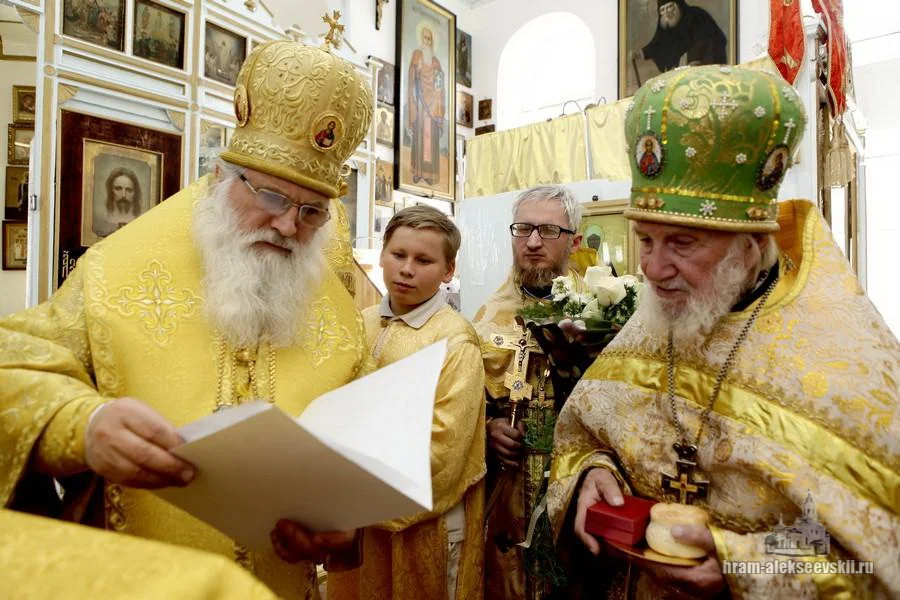
At the end of his sermon Metropolitan Vikenty congratulated Fr. Dimitry Kozulin on his birthday and name day: “We all wish Fr. Dimitry God's help in his pastoral labours, and we wish him health and spiritual joy. Spiritual joy always strengthens our bodily and spiritual infirmities and gives us strength to carry our struggle on this earth. Therefore, dear Fr. Dimitry, I wish you strength of soul and body and the grace of God, which may strengthen you to bear the labour of pastoral ministry to the end of your life.”
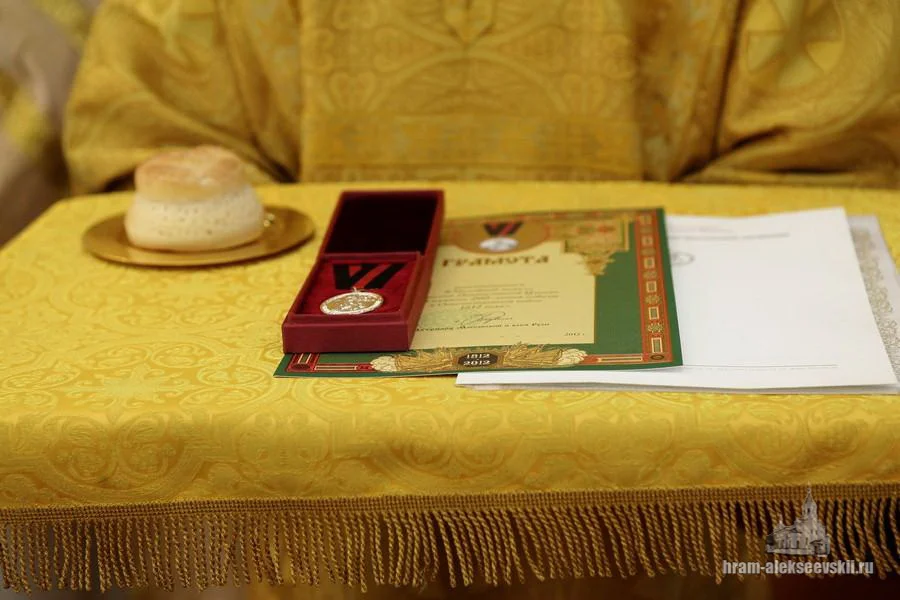
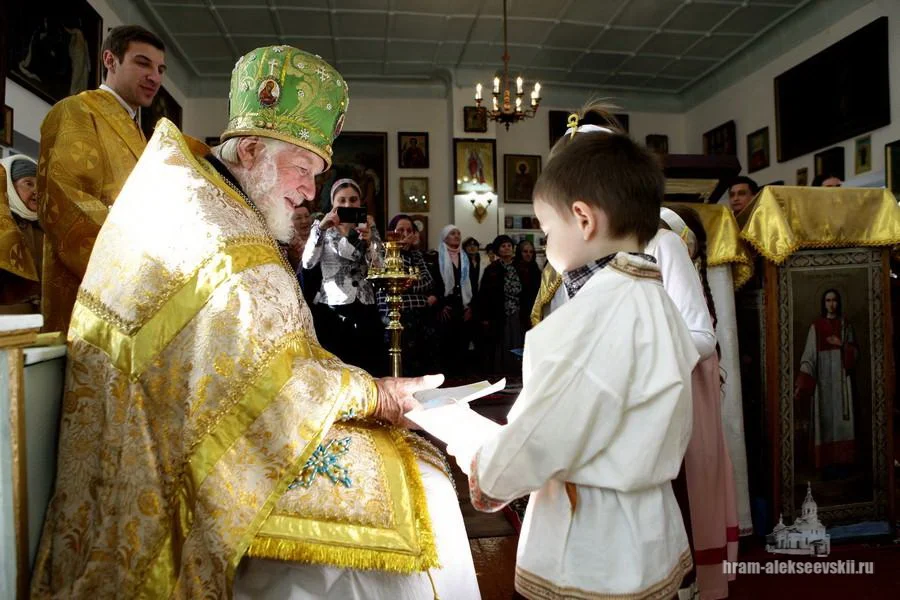
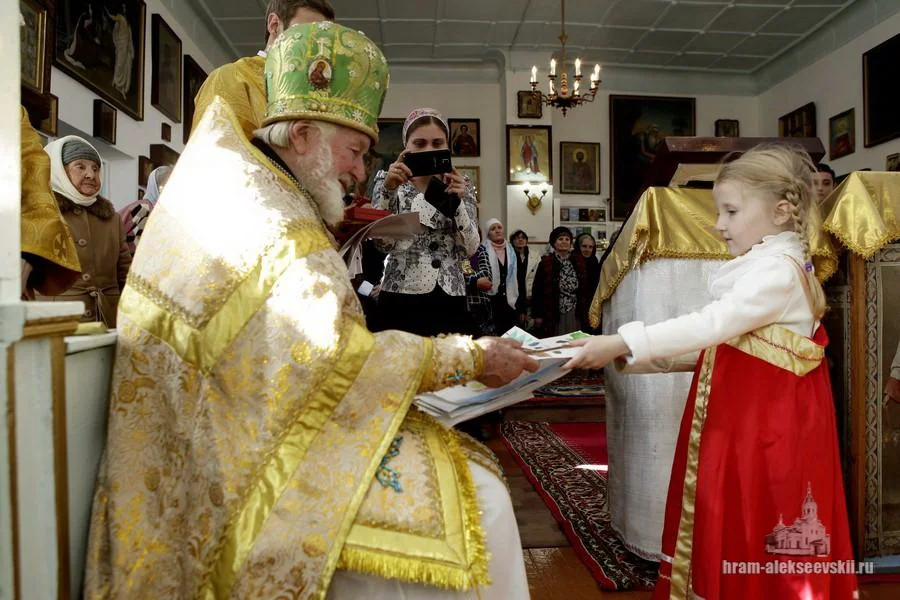
His Eminence presented him with a holy prosphora and a congratulatory address, and on behalf of His Holiness Patriarch Kirill of Moscow and All Russia awarded Fr. Dimitry the medal commemorating the 200th anniversary of the end of the Patriotic War of 1812.
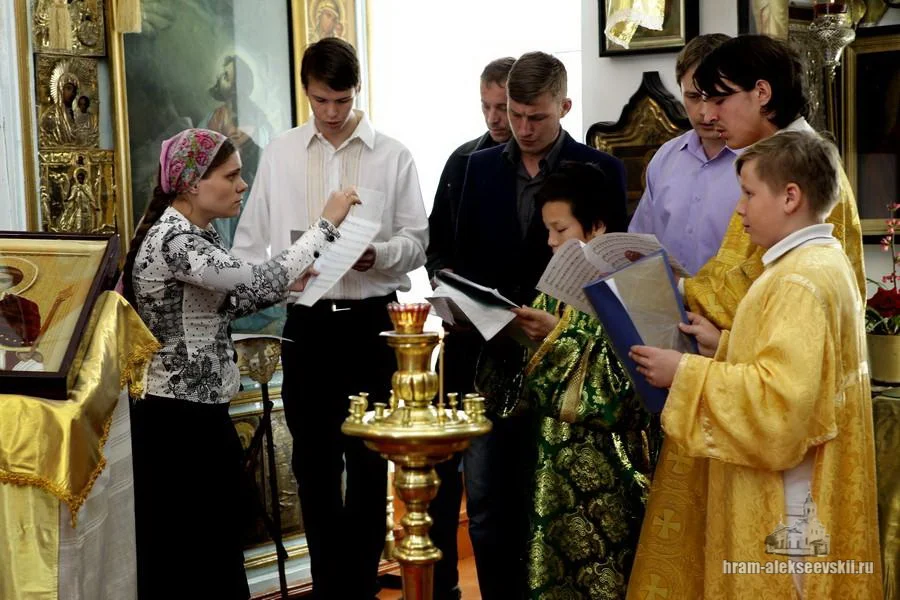
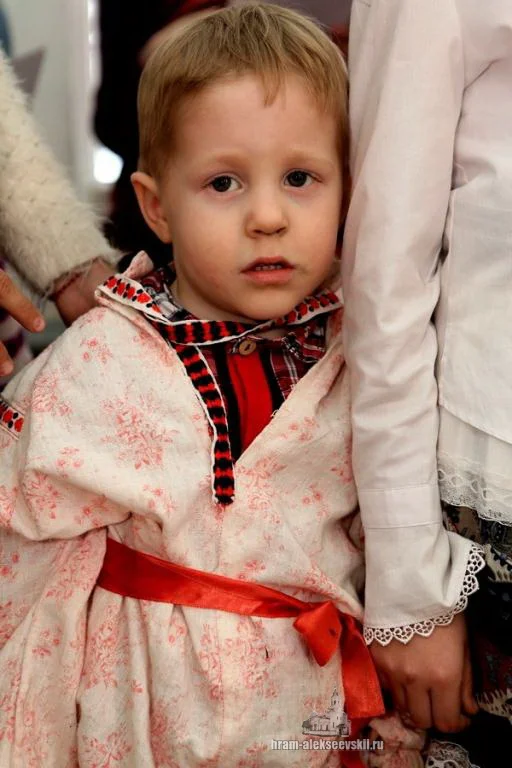
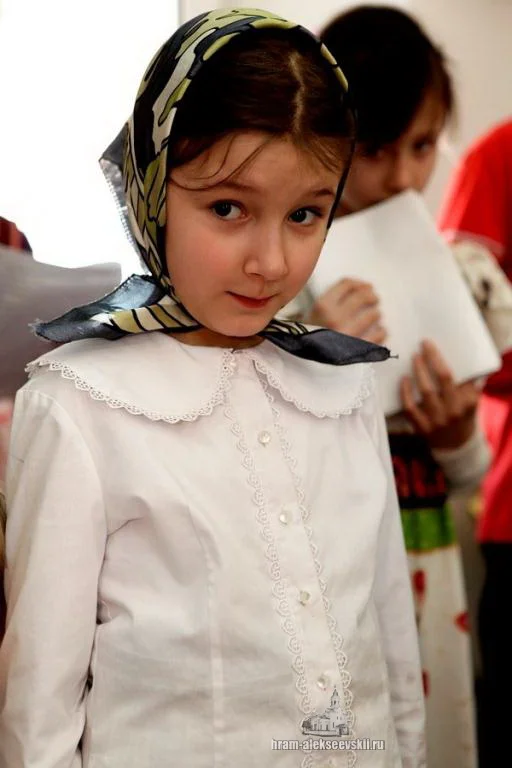
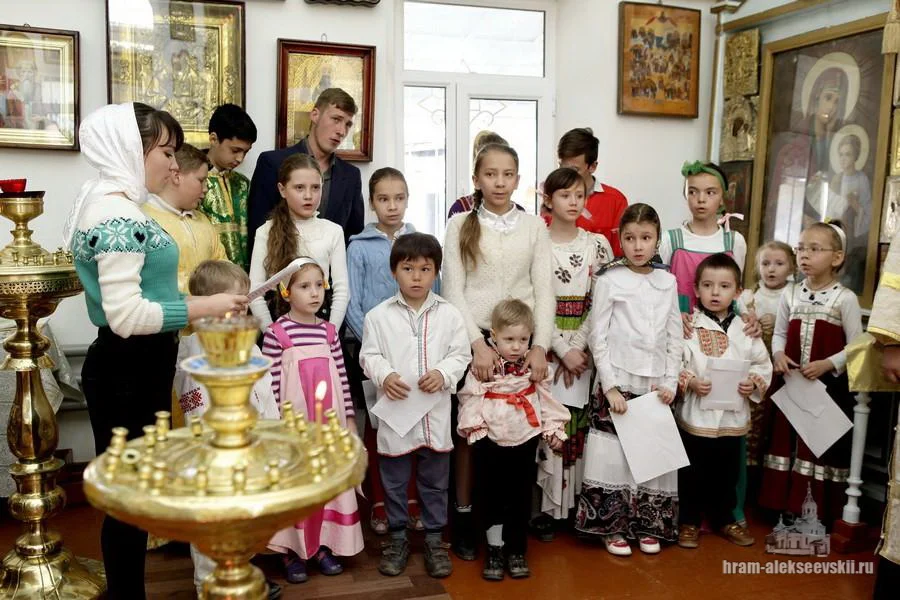
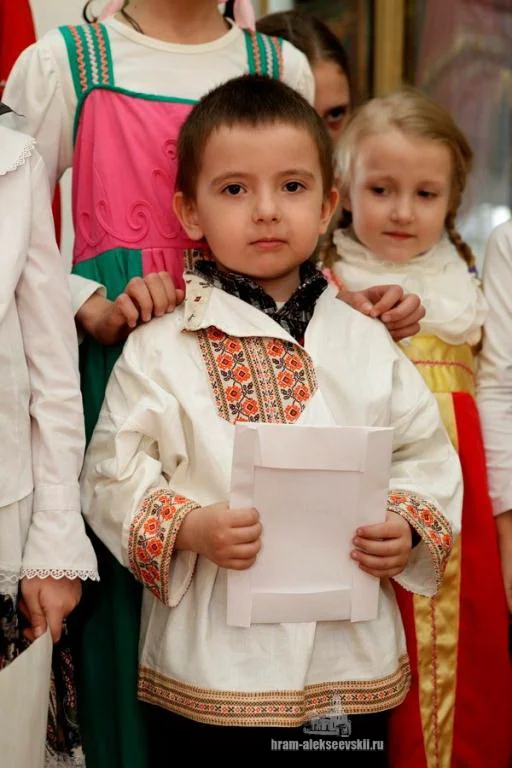
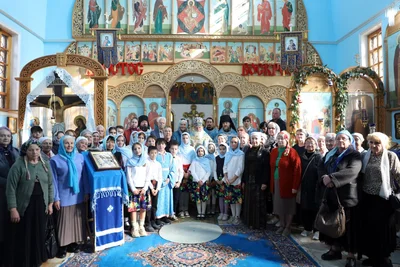
The children of the parishioners of the Church of St. George presented Fr. Dimitry with their own literary and musical gift.
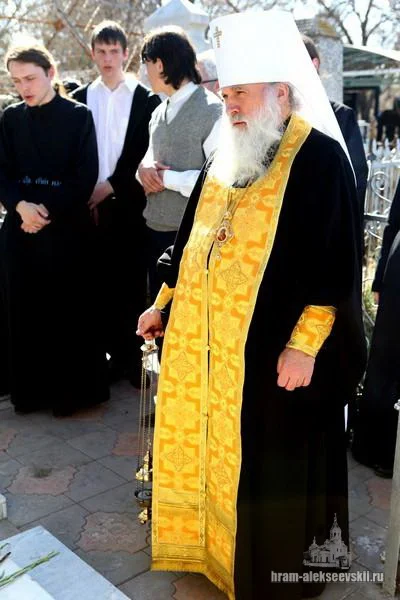
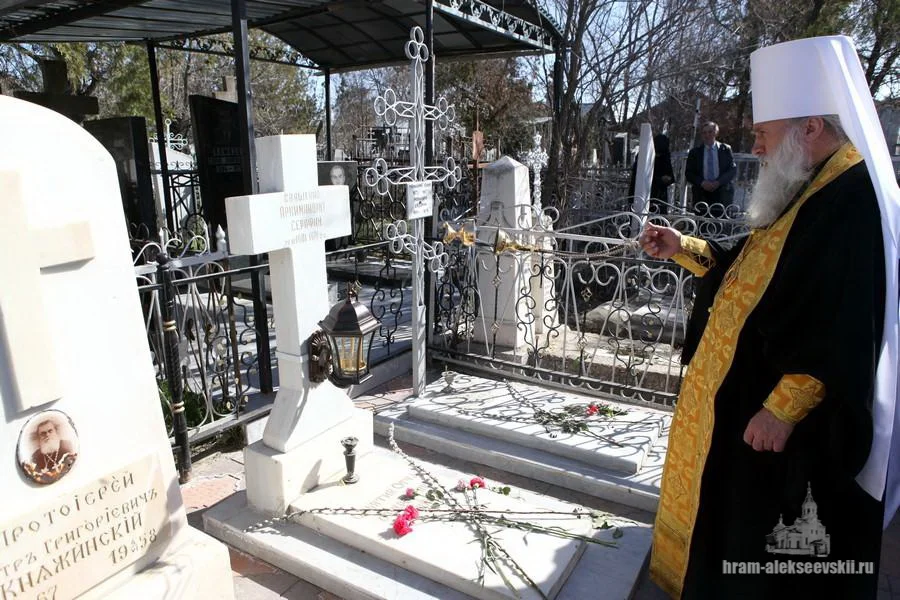
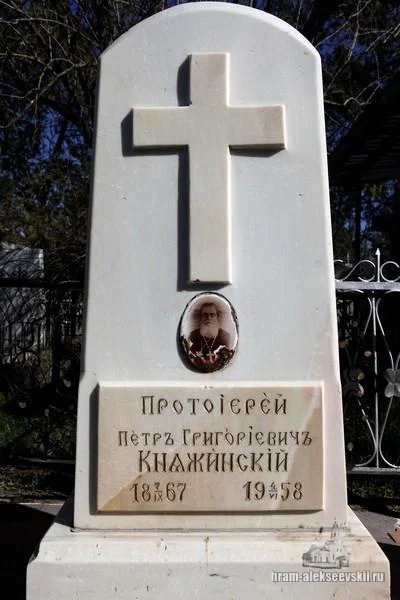
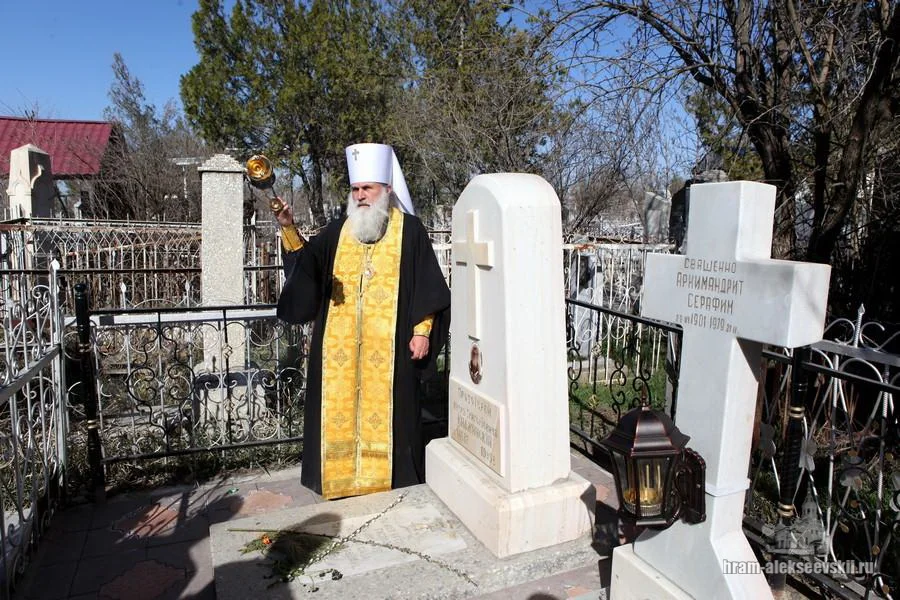
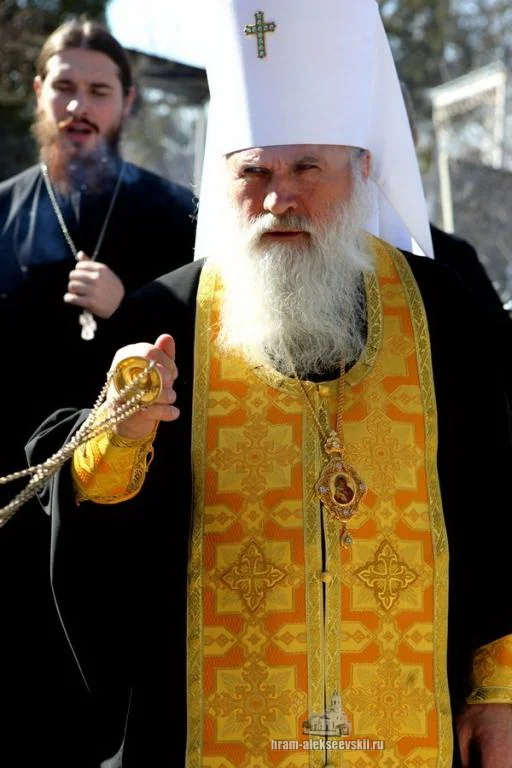
After the service Metropolitan Vikenty of Tashkent and Uzbekistan served a litiya for the departed at the Samarkand City Cemetery, at the grave of Archimandrite Seraphim (Sutorikhin), whose memorial day falls on 21 February.