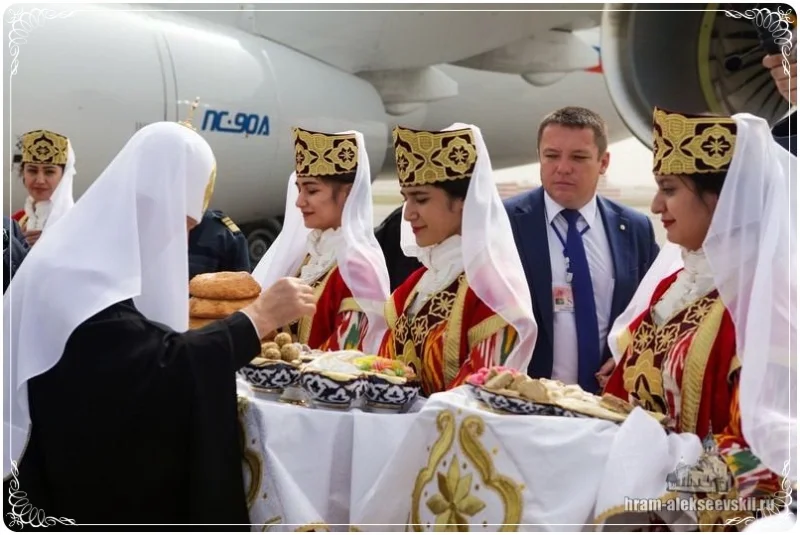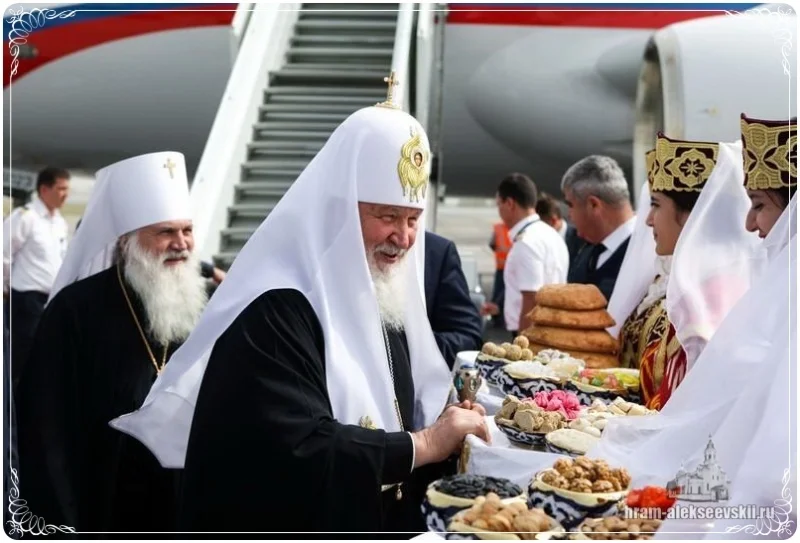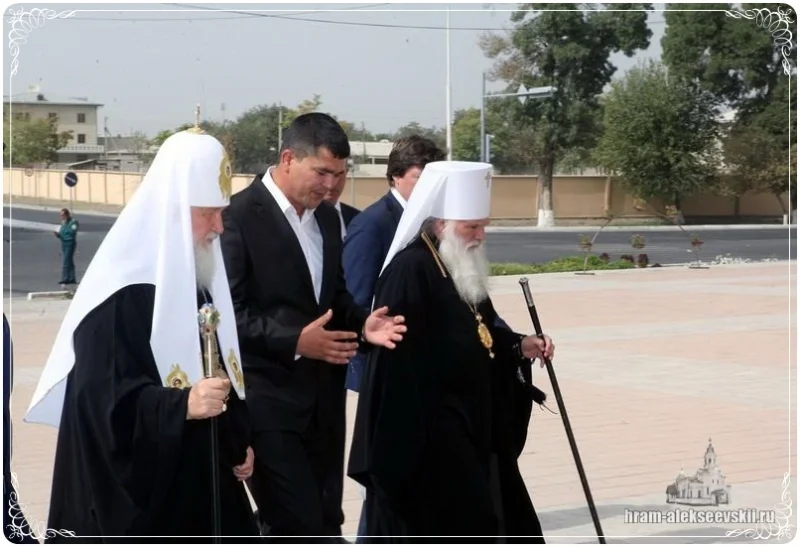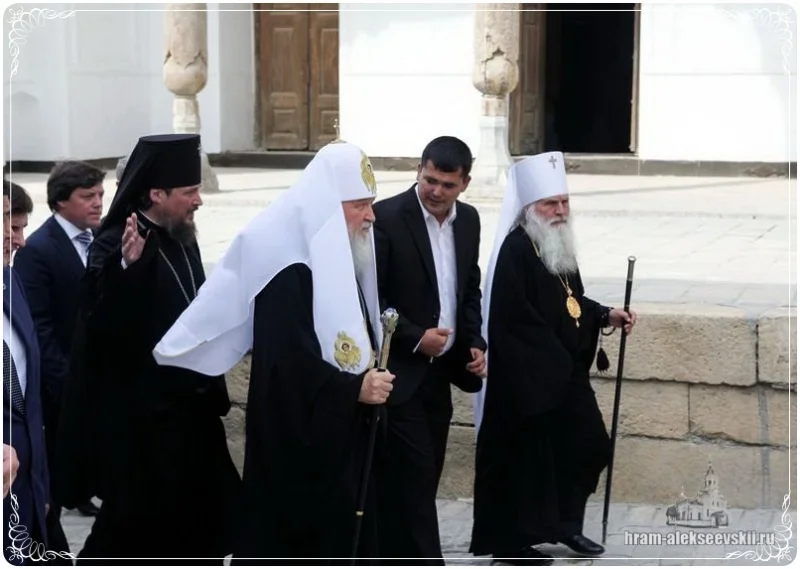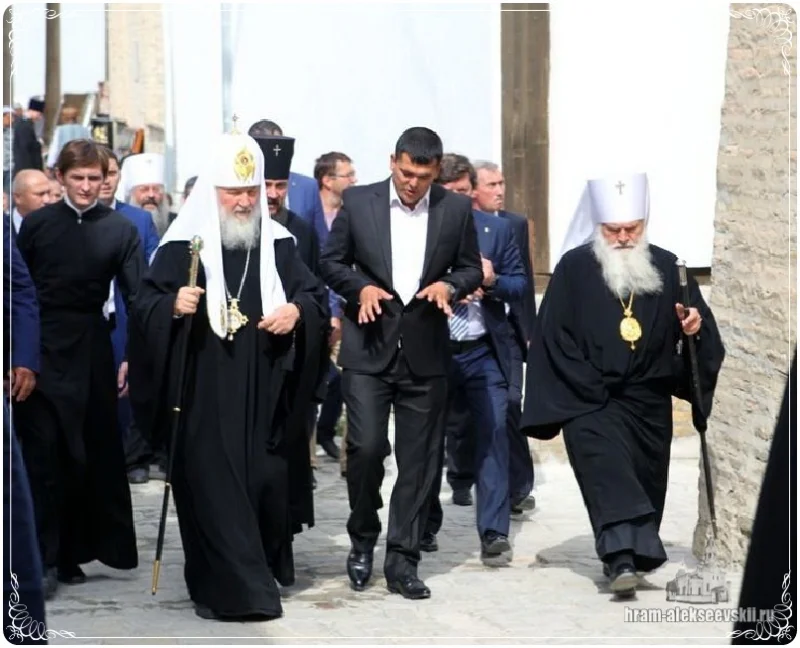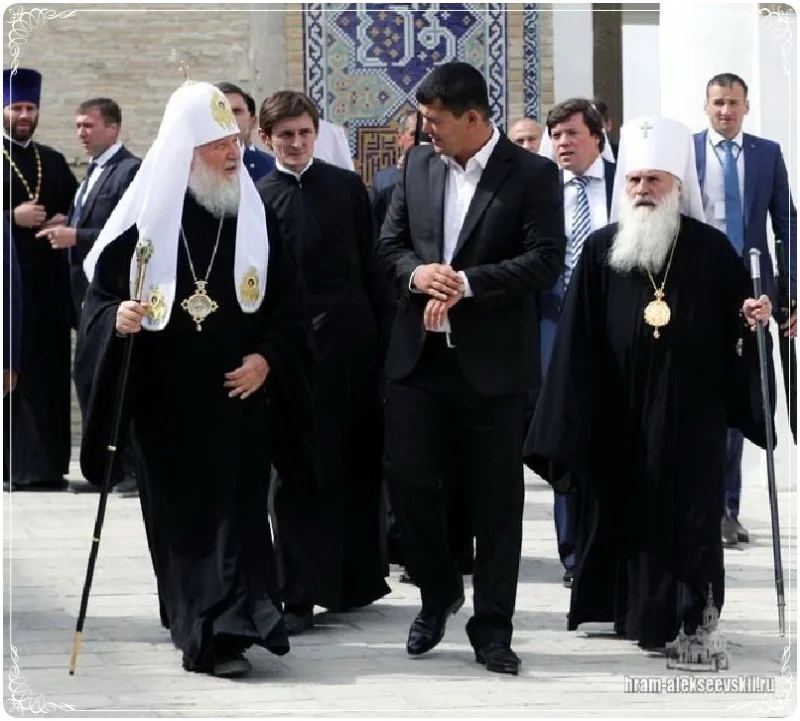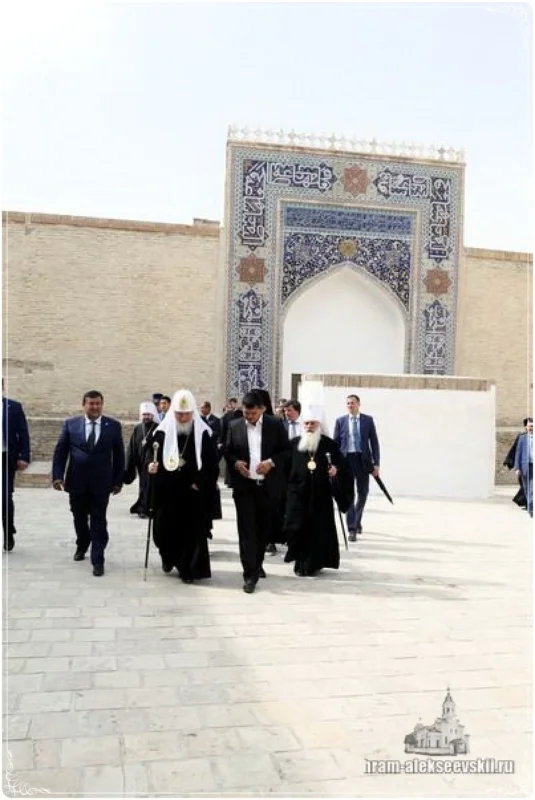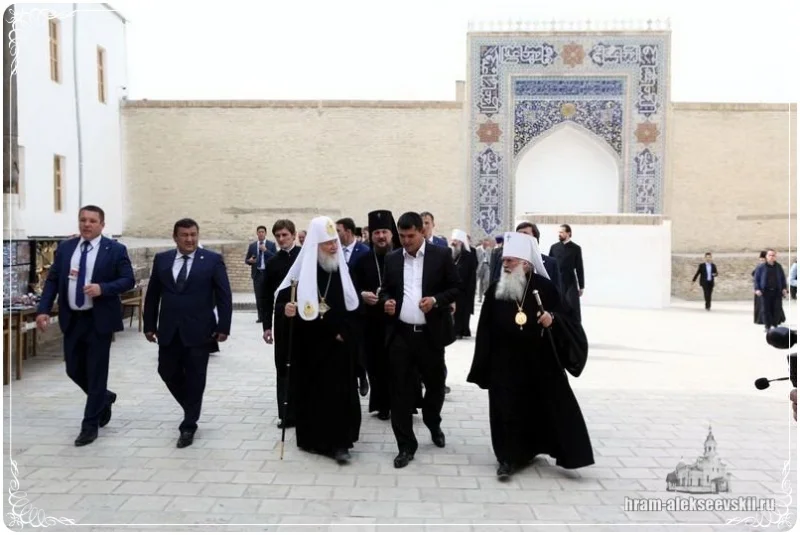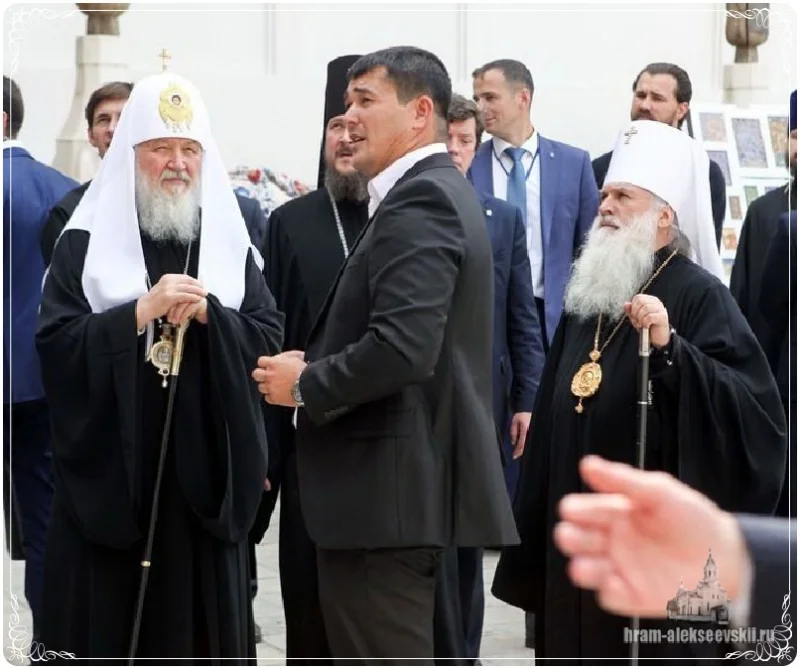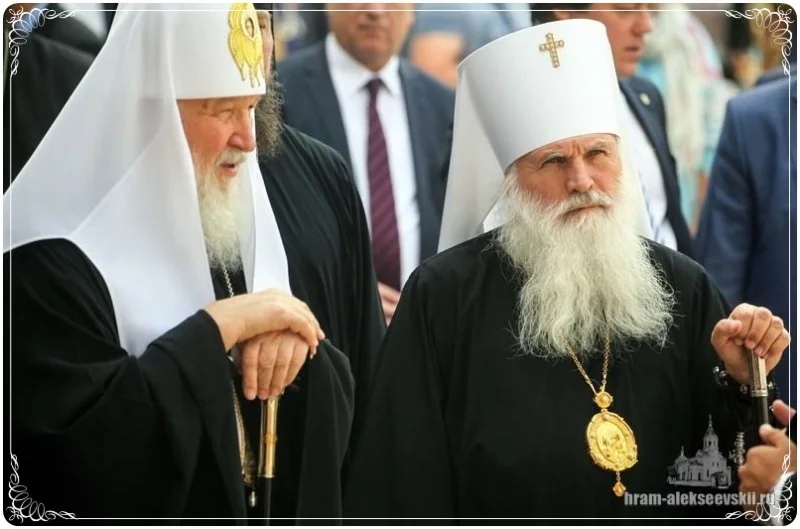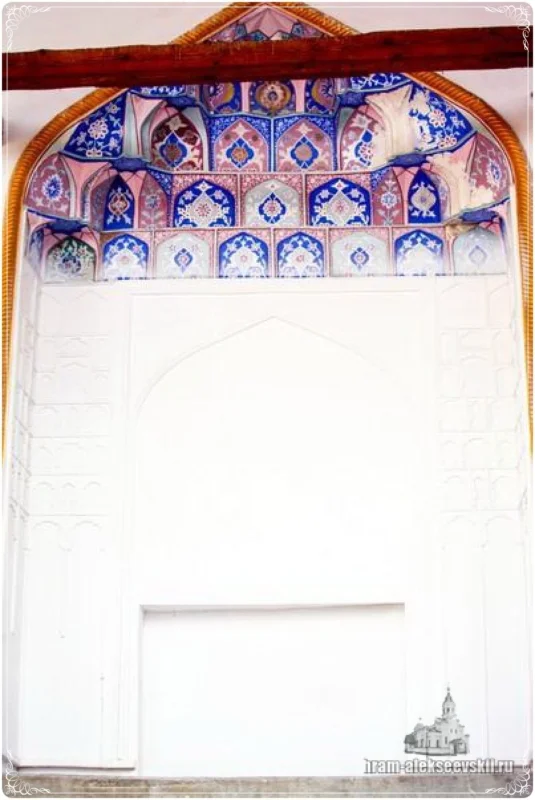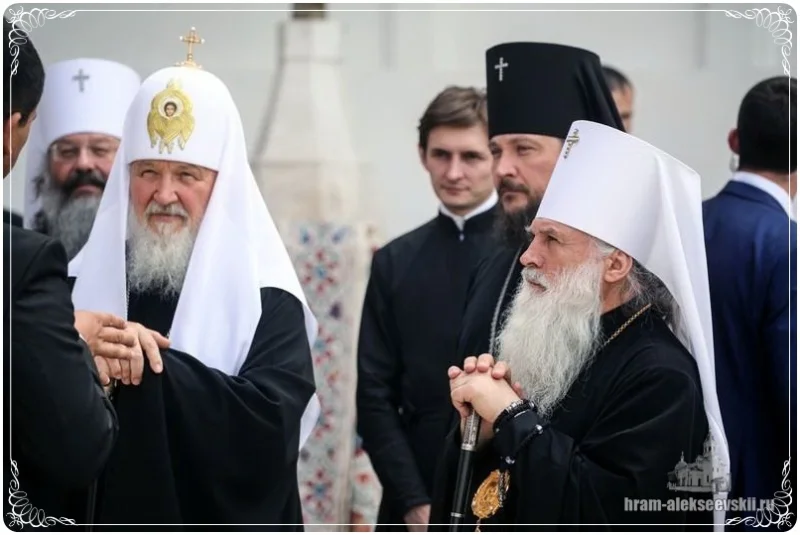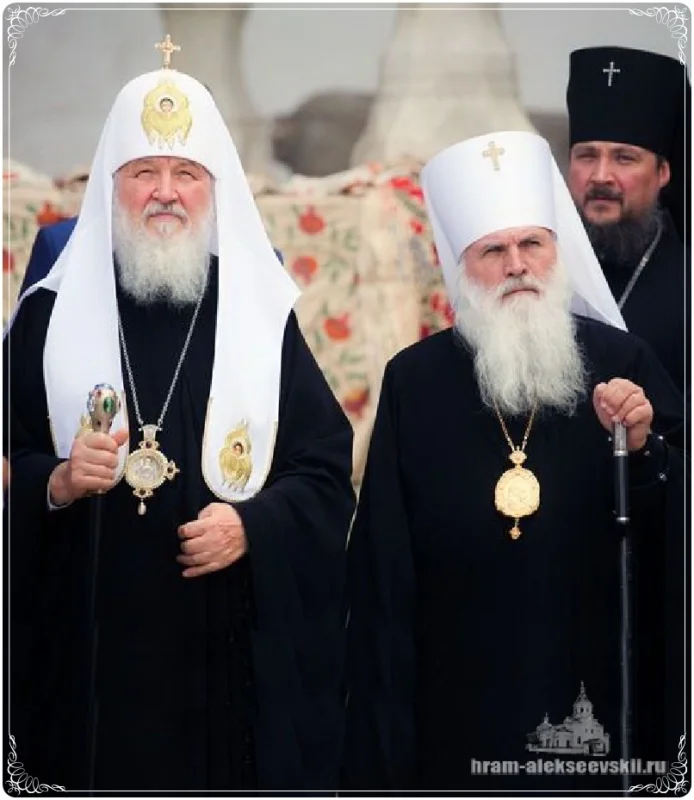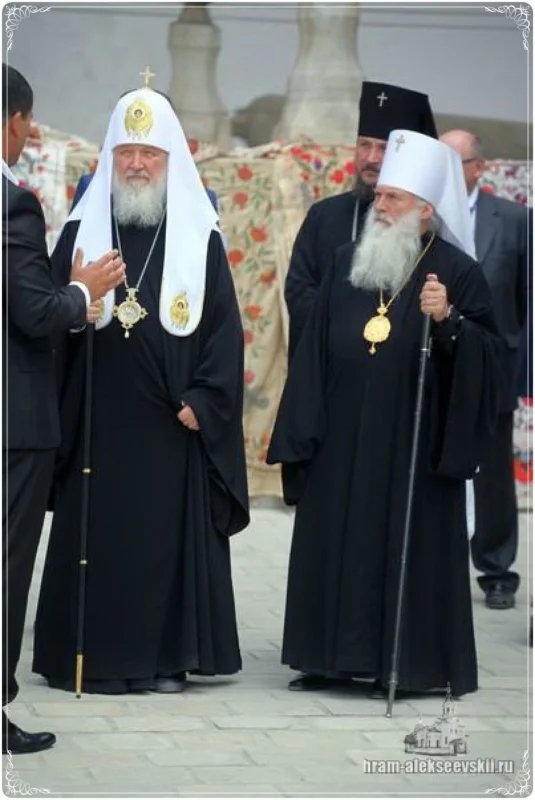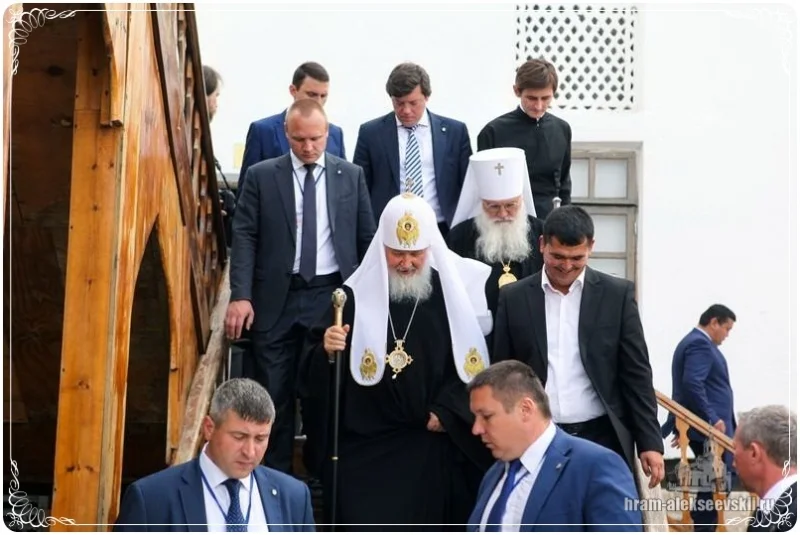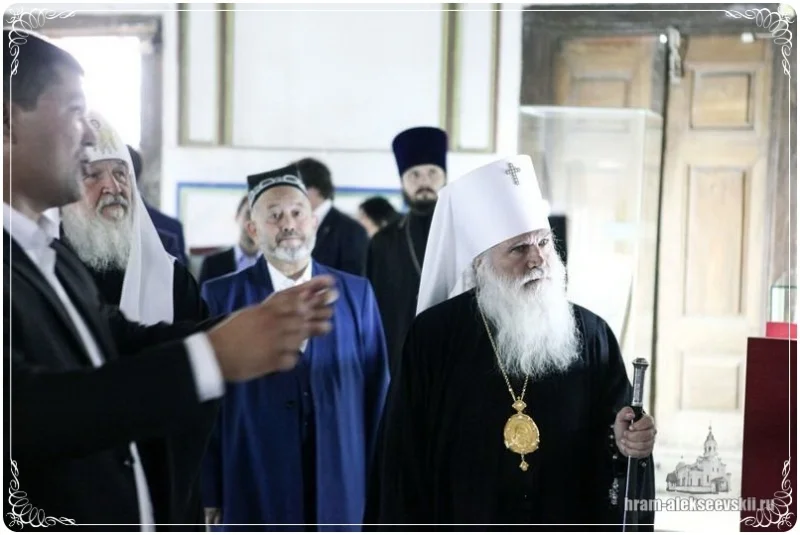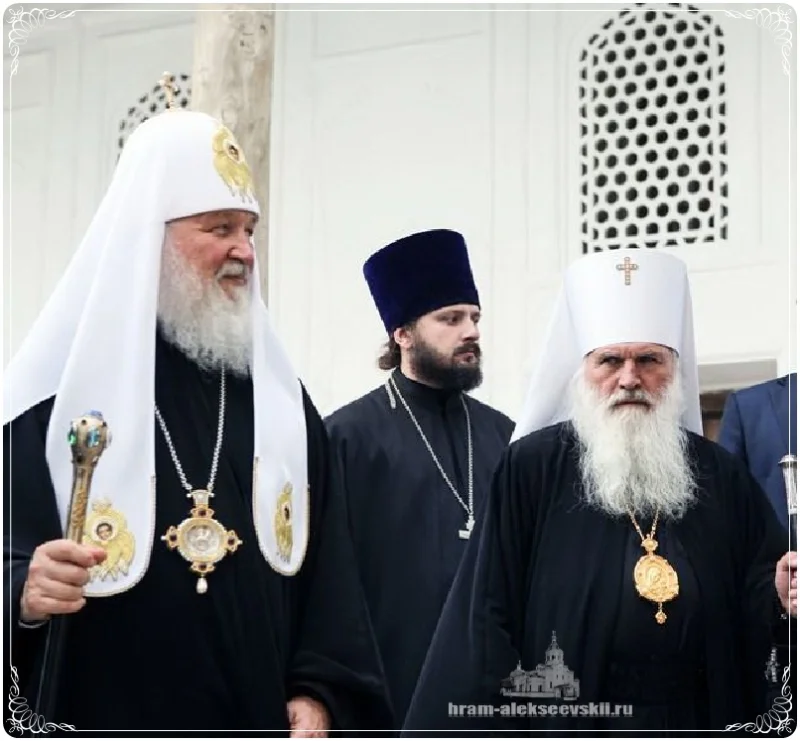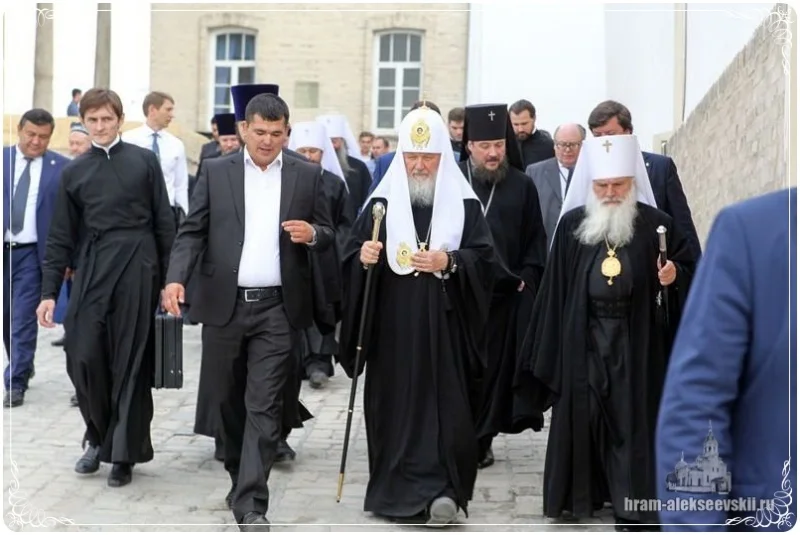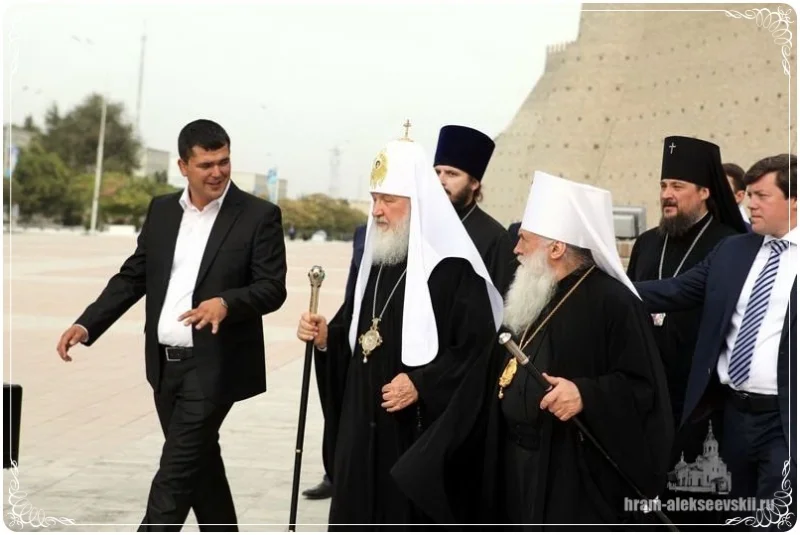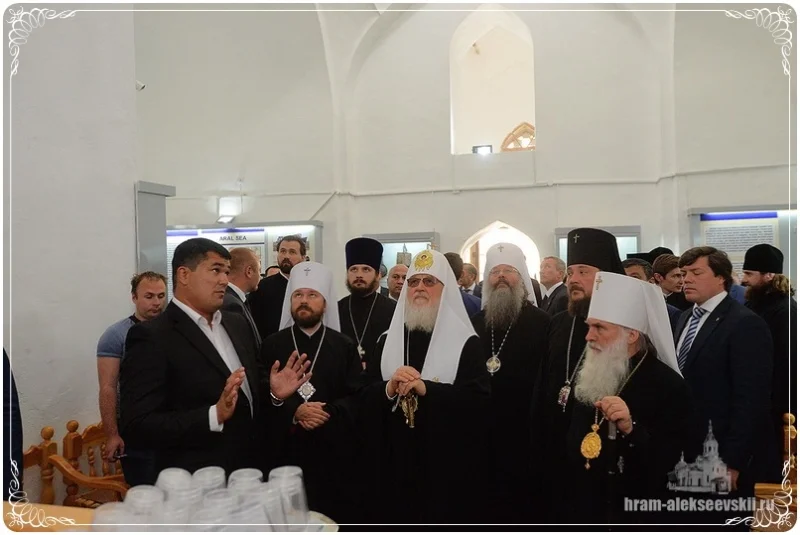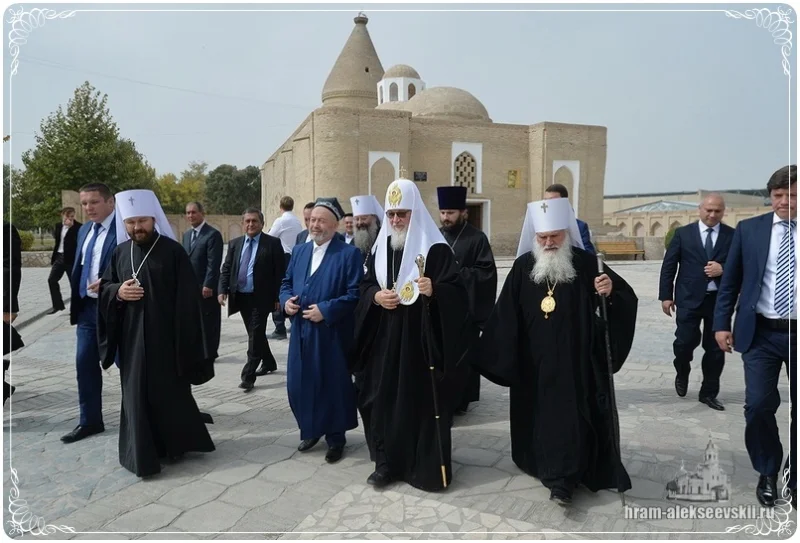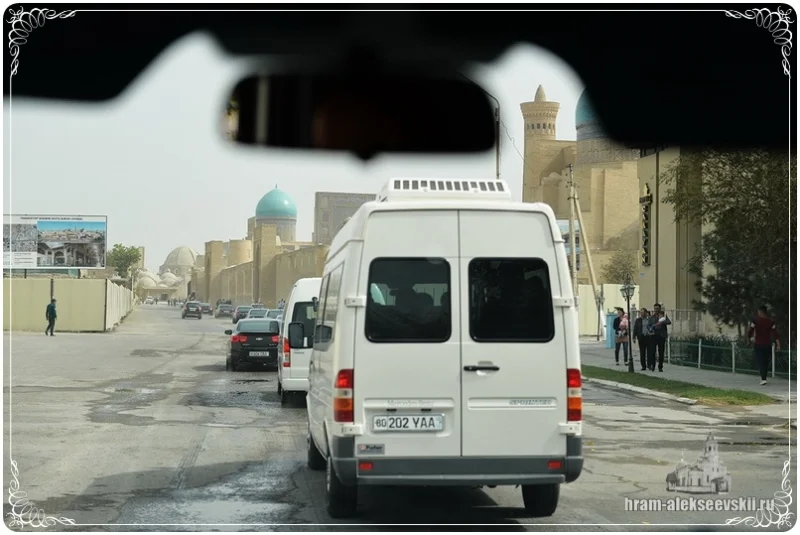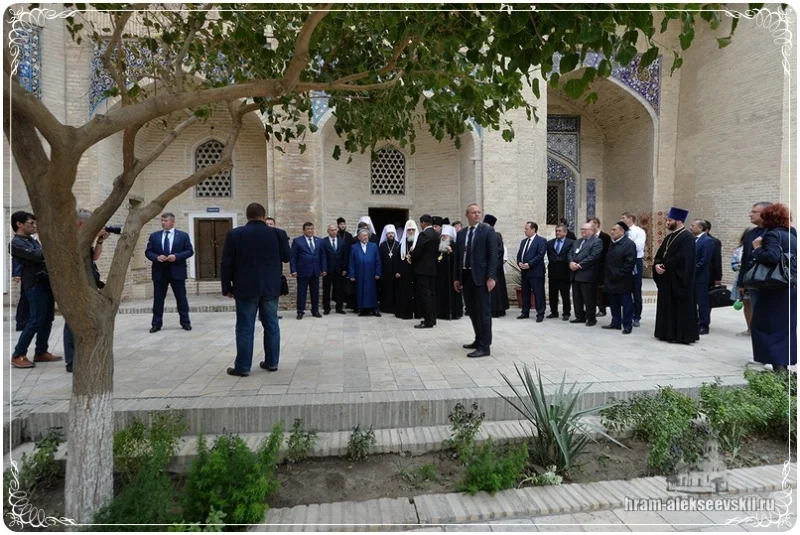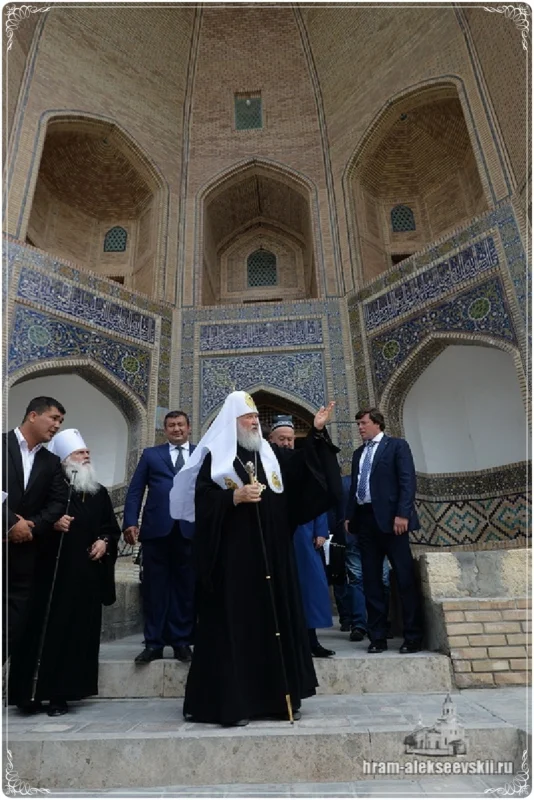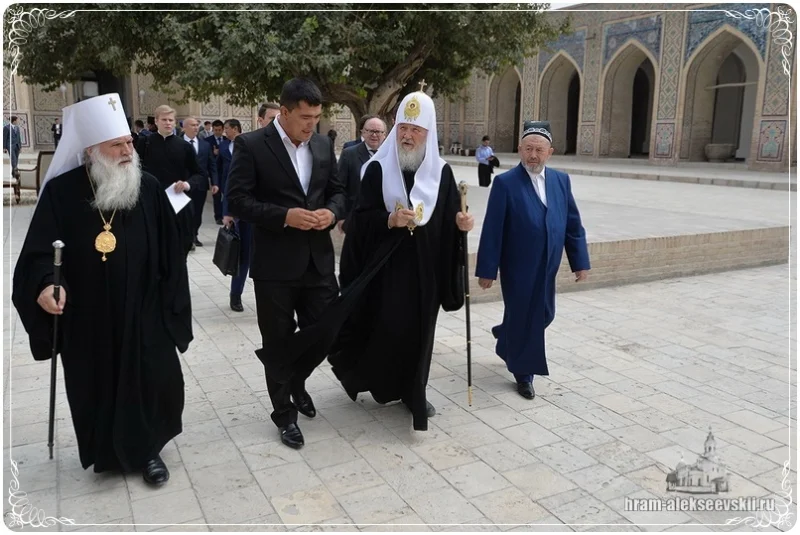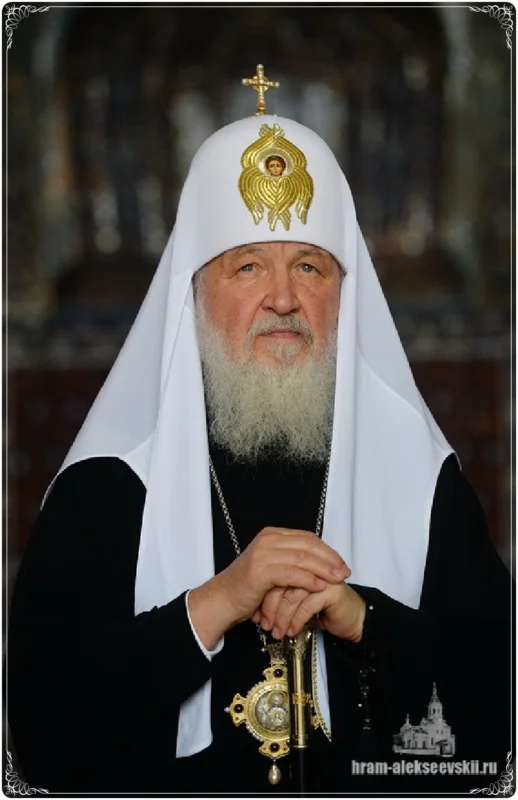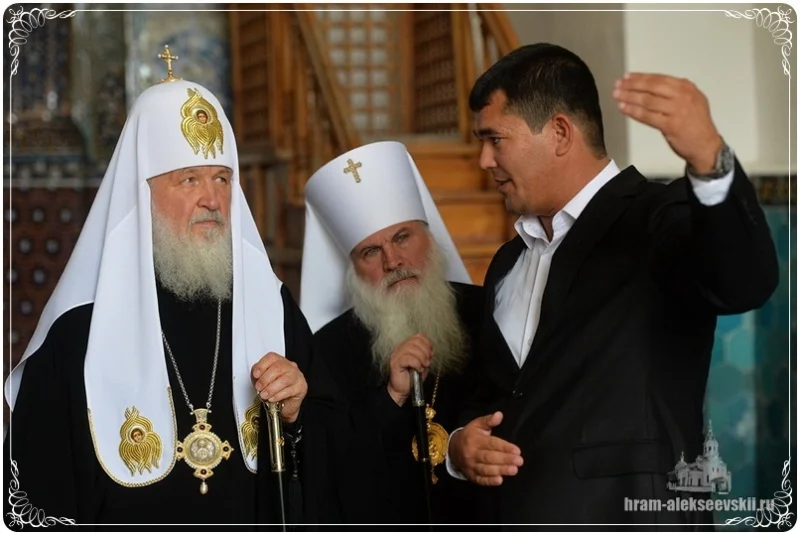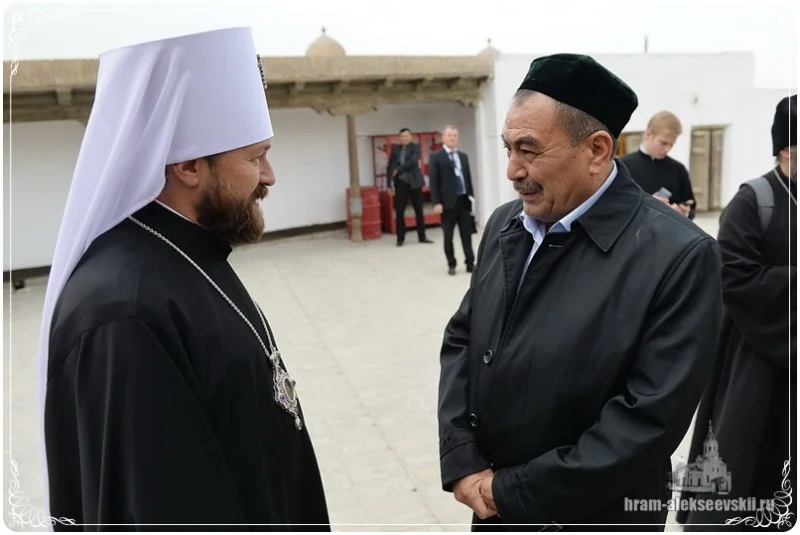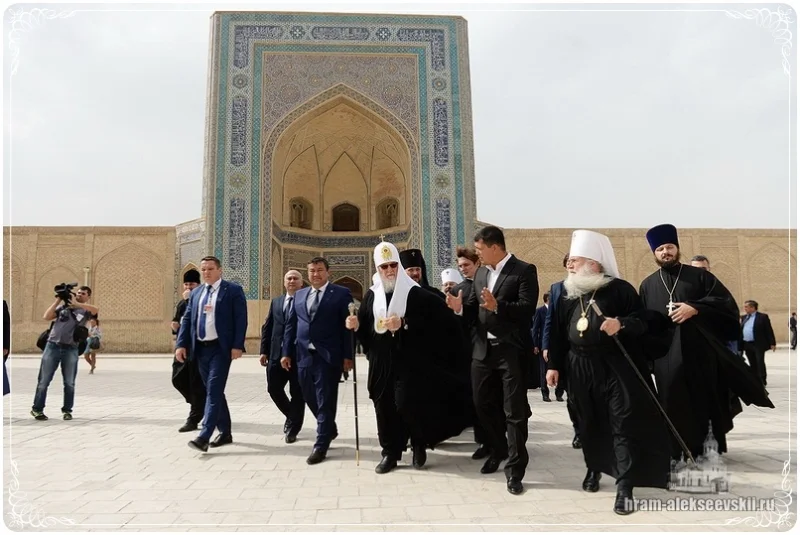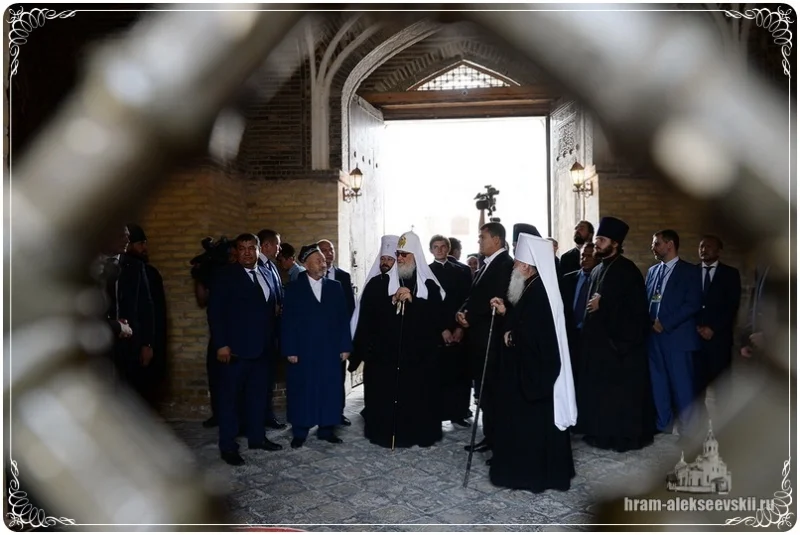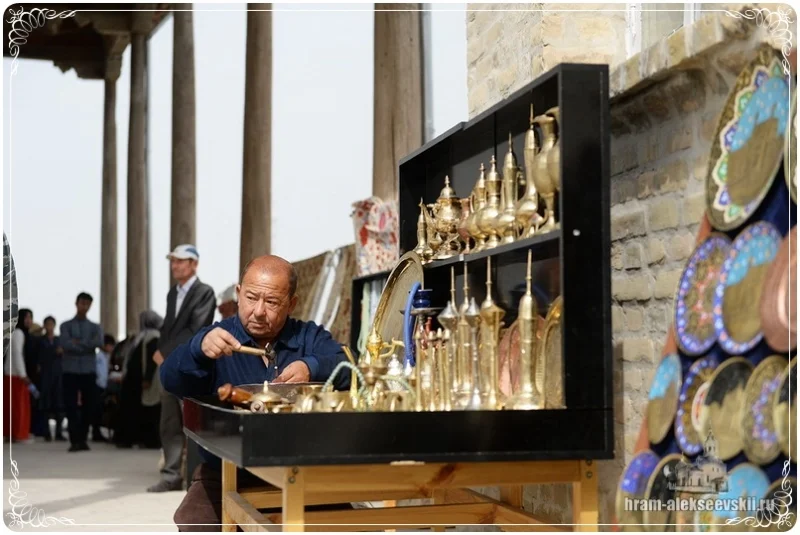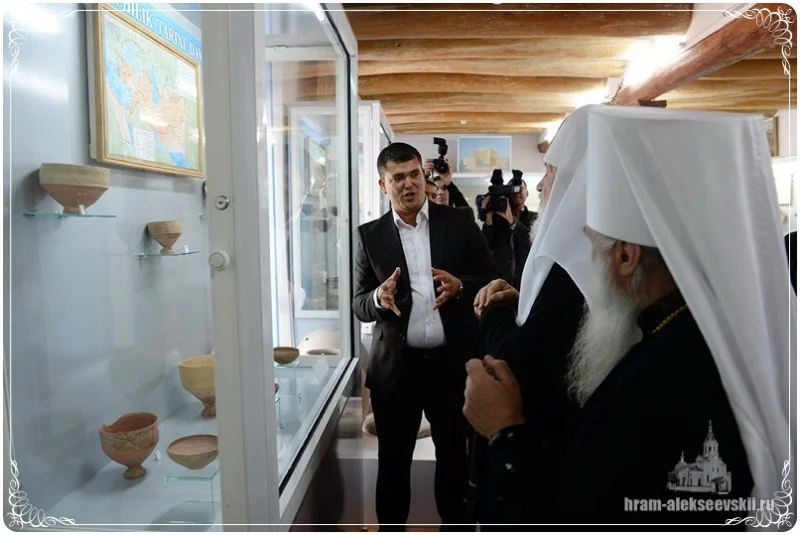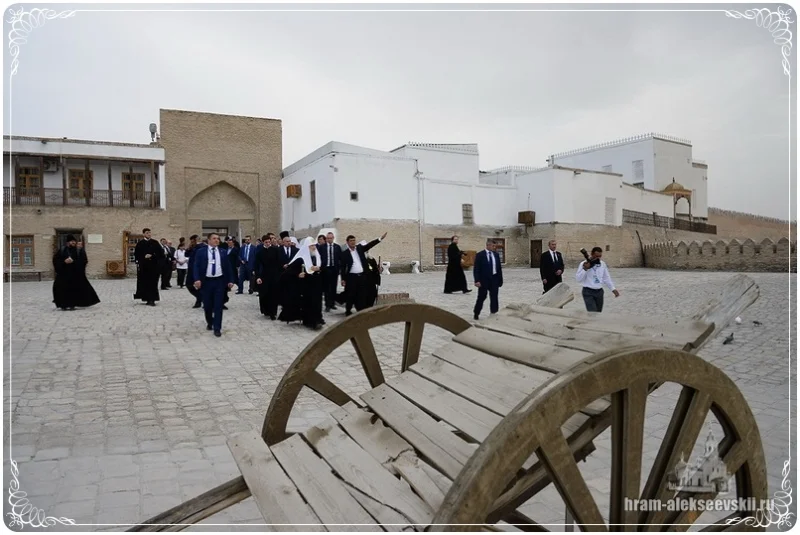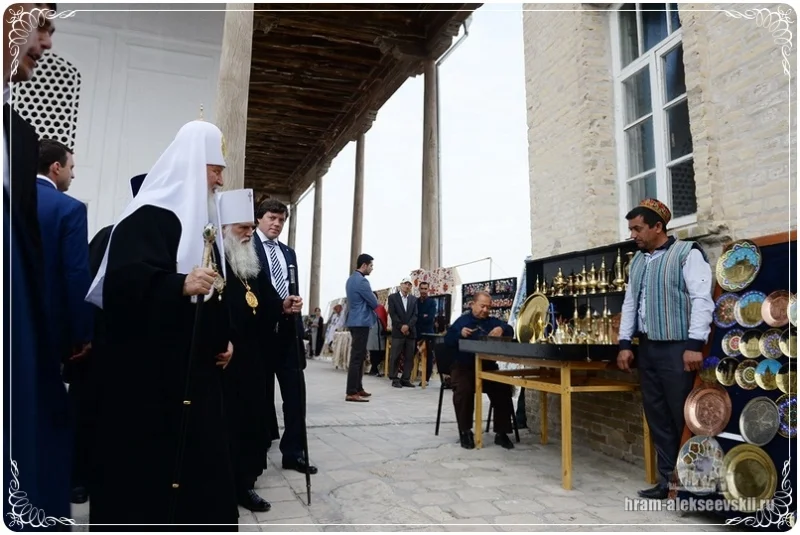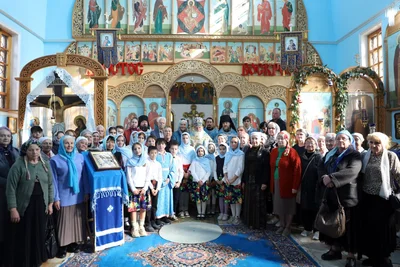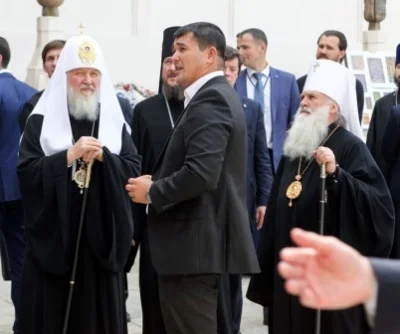
On 2 October 2017, after visiting the Church of the Archangel Michael, His Holiness Patriarch Kirill of Moscow and All Russia toured the historic sights of the city of Bukhara.
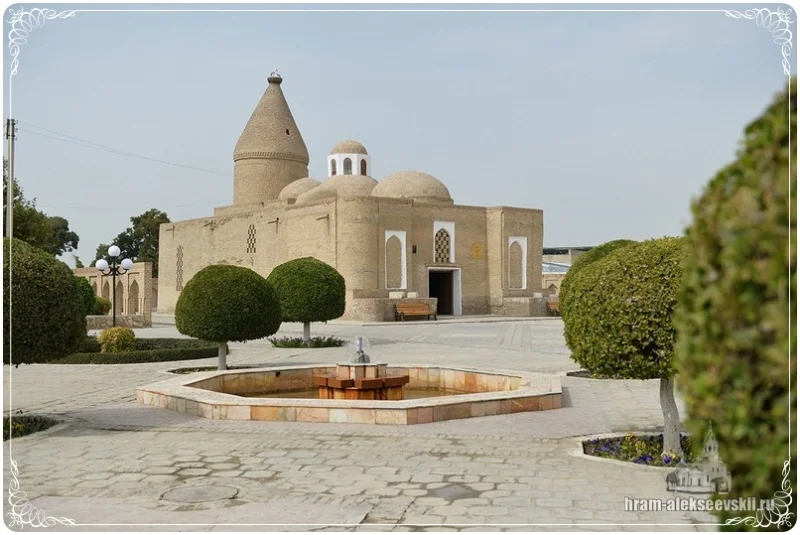
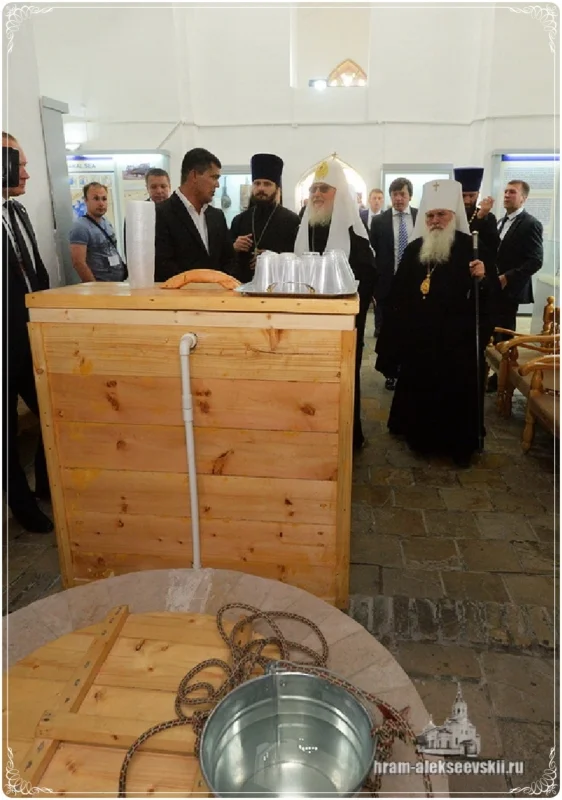
From the church His Holiness went to the spring of the Righteous Job the Long-Suffering (the Chashma-Ayub Mausoleum). According to tradition, the prophet Job (Ayub) visited Bukhara as a preacher. The townspeople, suffering from drought and dying of thirst, asked him for water. As soon as the prophet struck the ground with his staff, a healing spring appeared, from which fresh water can still be drunk today. Orthodox believers now regularly read akathists at this place.
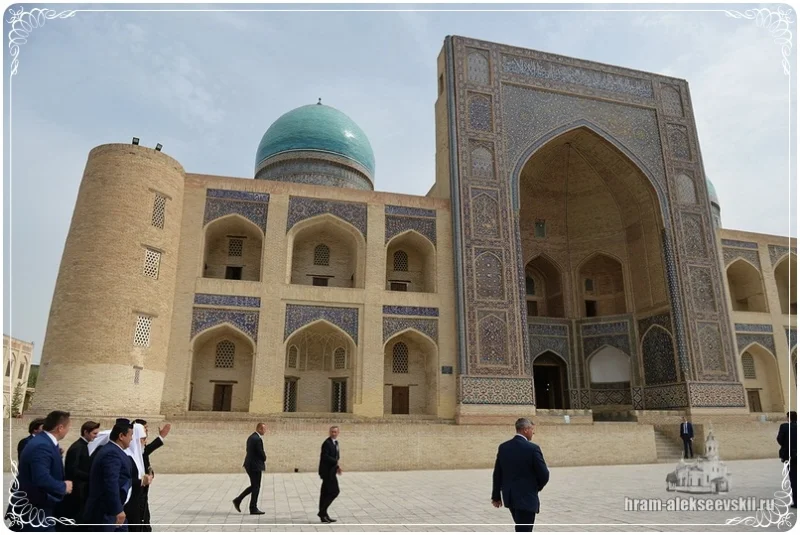
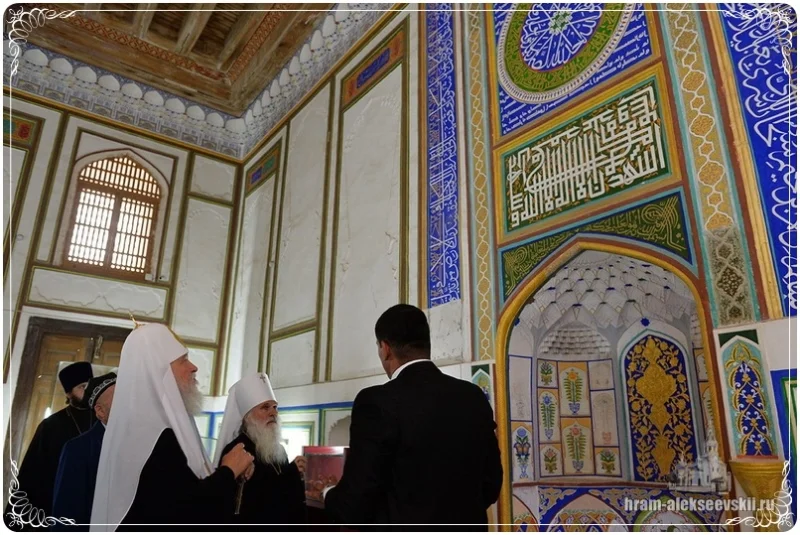
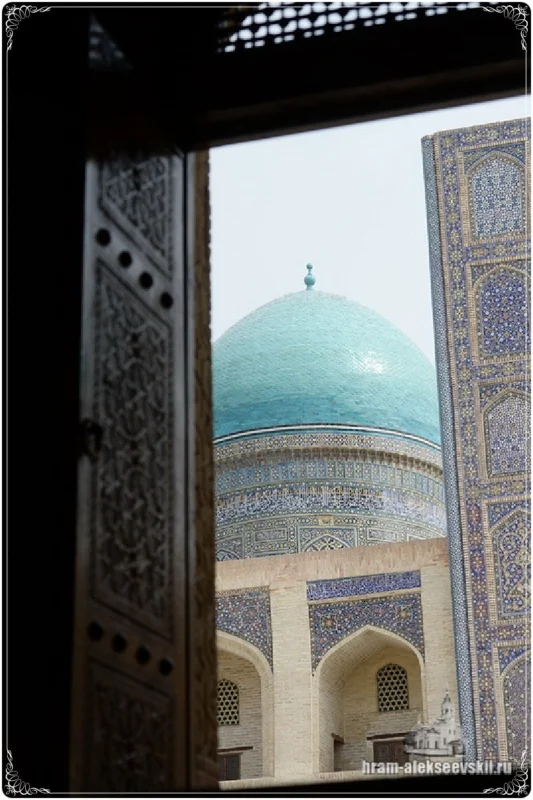
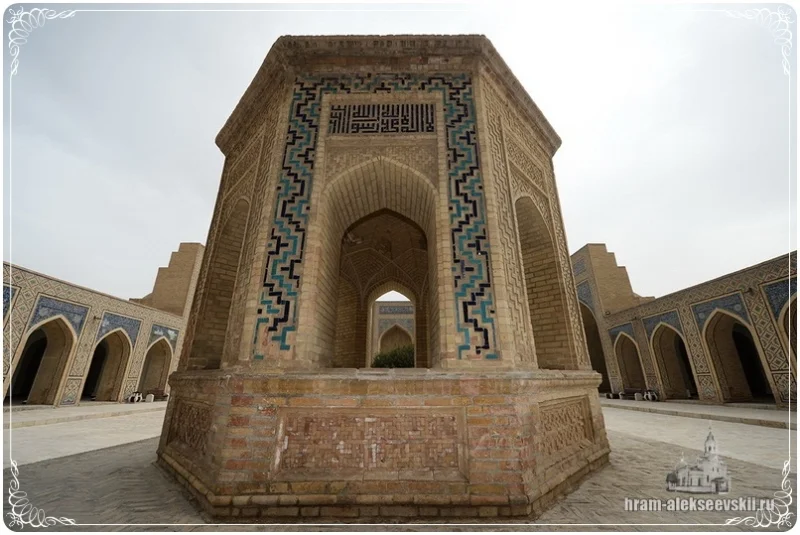
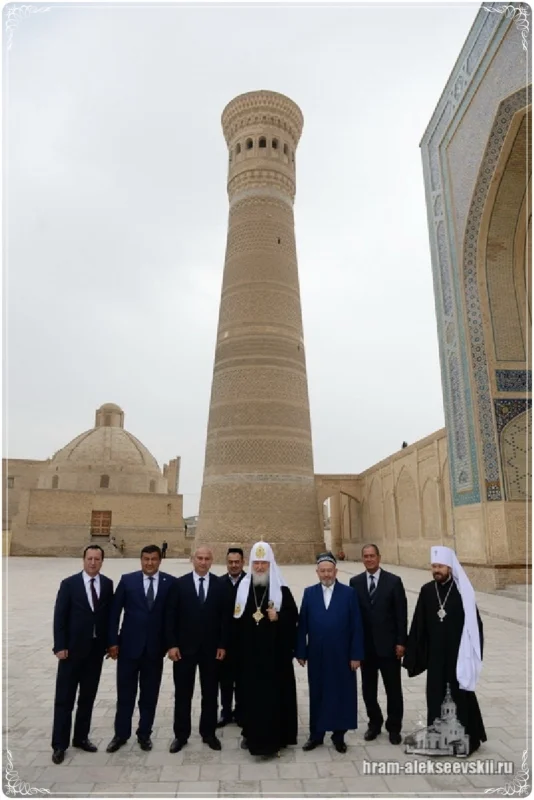
Patriarch Kirill then viewed the Poi-Kalyan architectural complex, which consists of three structures built in the 12th–16th centuries: the Kalyan Minaret, the Kalyan Mosque and the Mir-i-Arab Madrasah.
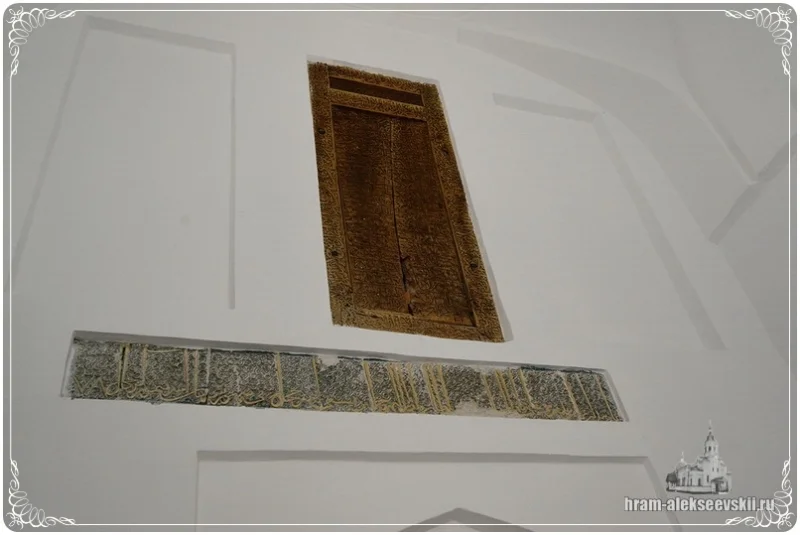
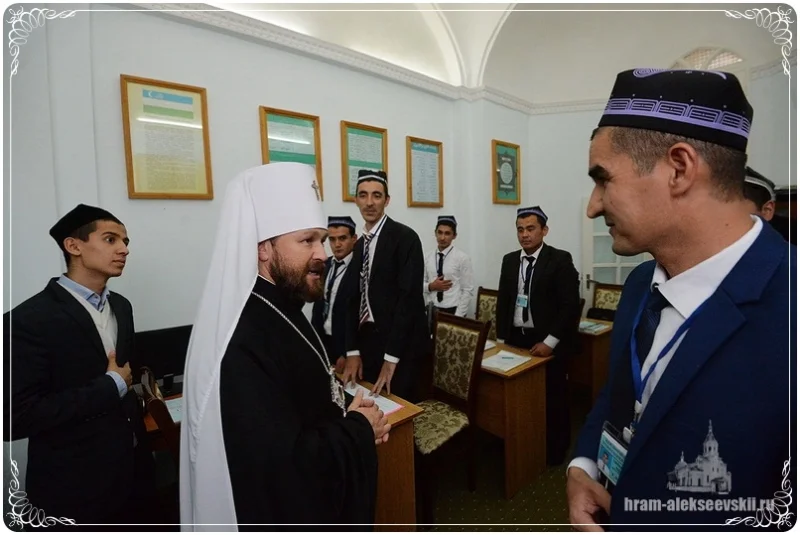
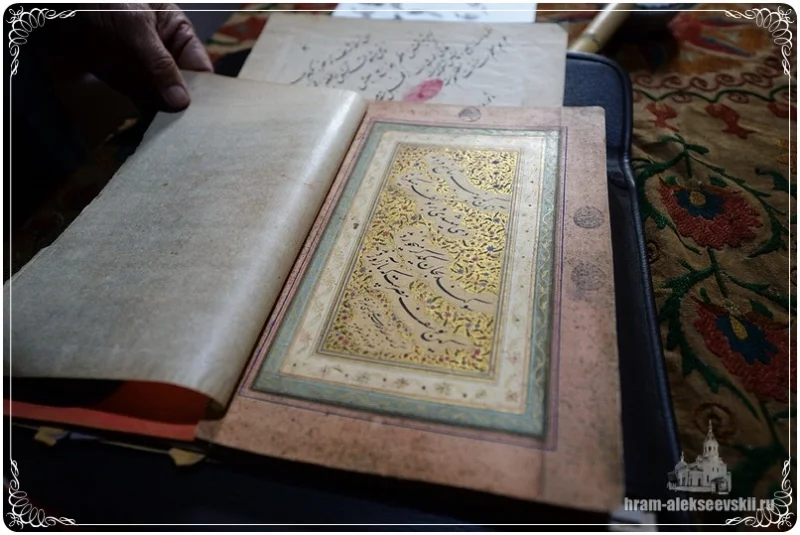
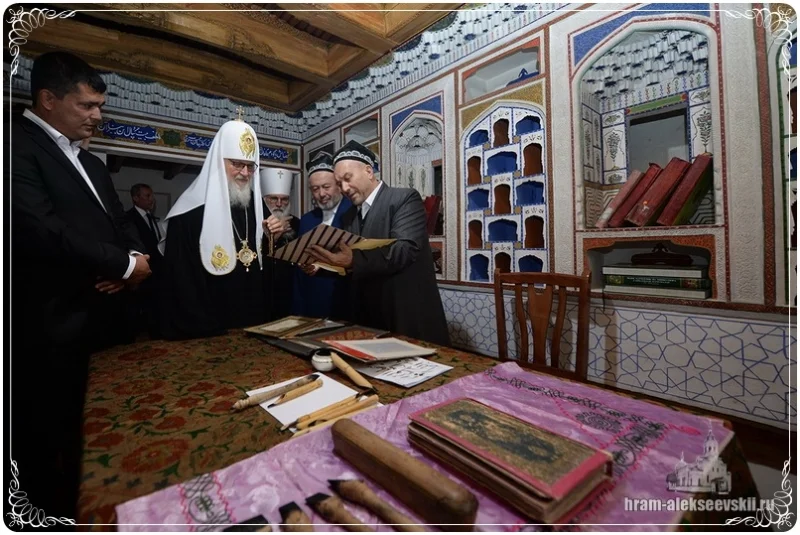
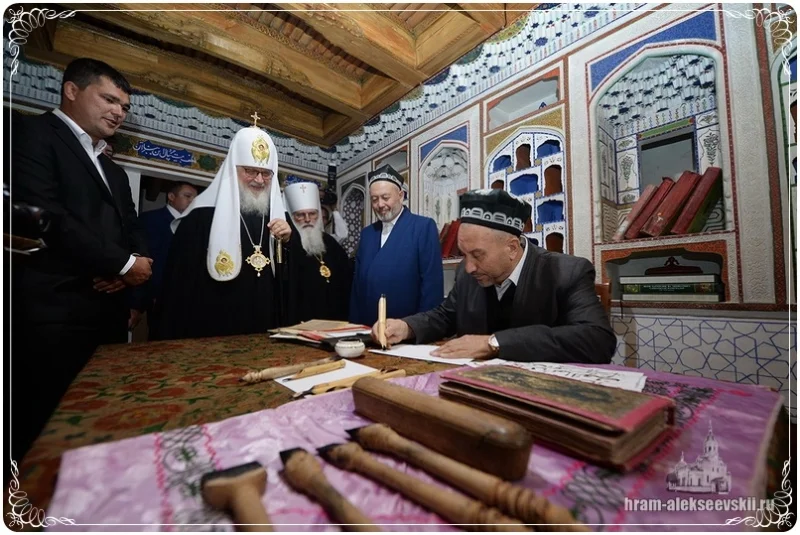
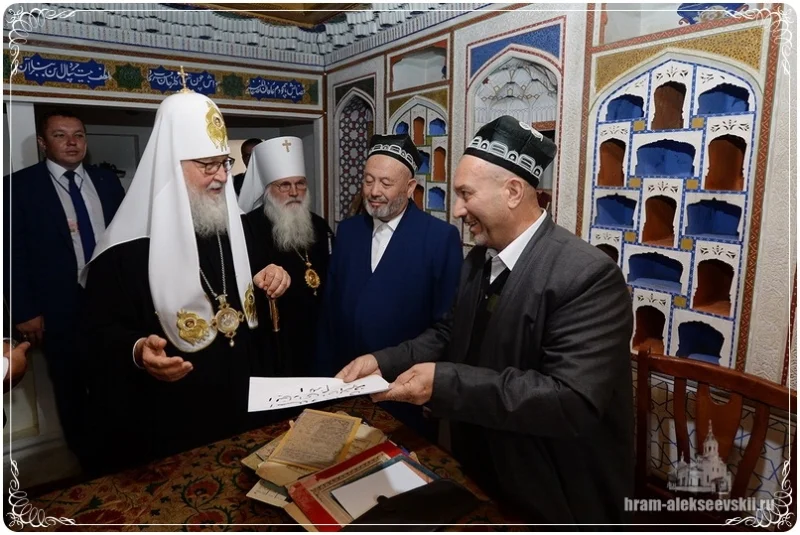
In the Mir-i-Arab Madrasah the Primate of the Russian Orthodox Church examined samples of calligraphy. The Mir-i-Arab Madrasah ("Possession of the Arab") was built in the first half of the 16th century. From its founding until its closure in the early 1920s, it was one of the most prestigious educational institutions in Central Asia. Today more than 100 students study at the madrasah.
His Holiness also visited the Kalyan Mosque ("Great Mosque"), the main congregational mosque of Bukhara, built at the beginning of the 16th century on the site of an earlier 12th-century Friday mosque. The present mosque can hold up to 12,000 people at once.
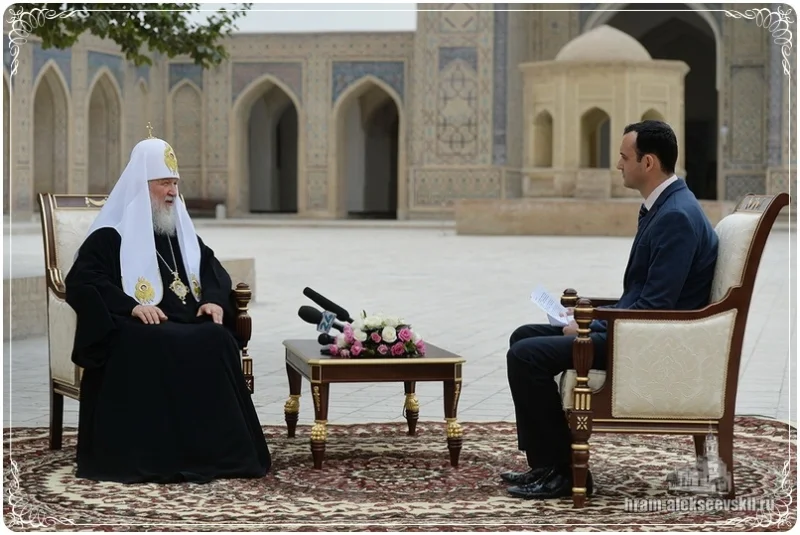
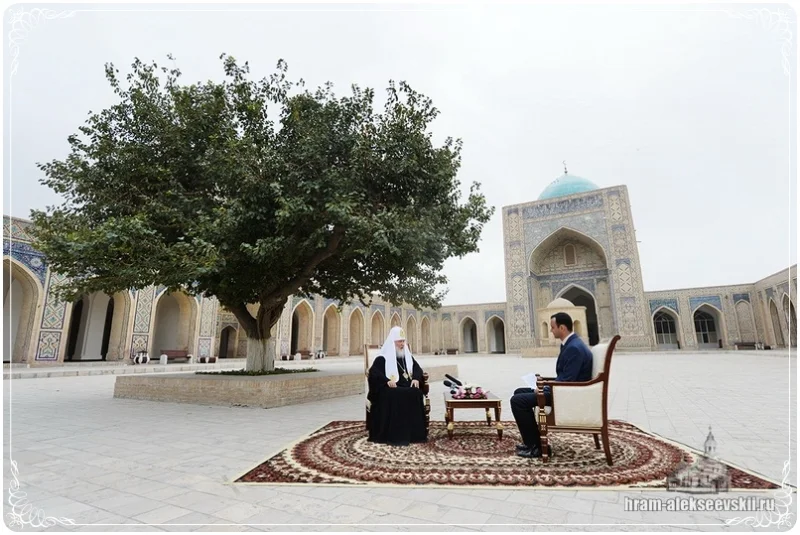
On the grounds of the Poi-Kalyan complex the Primate of the Russian Church gave an interview to the Uzbekistan TV channel.
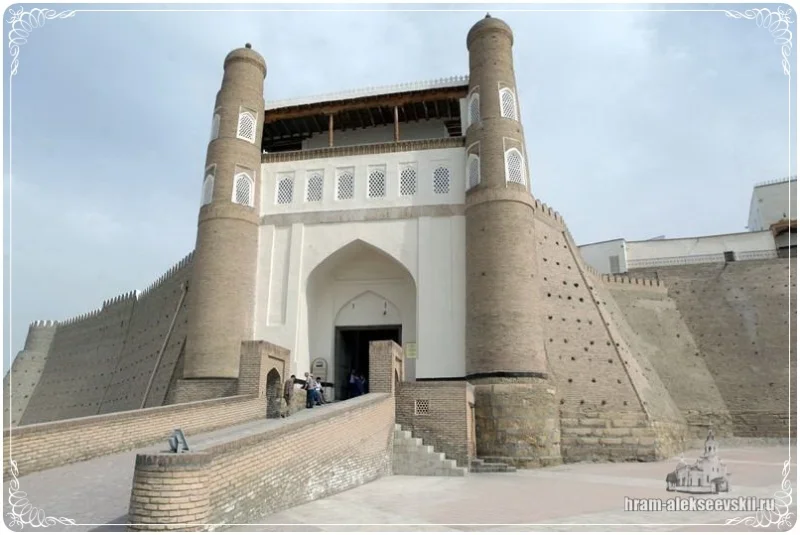
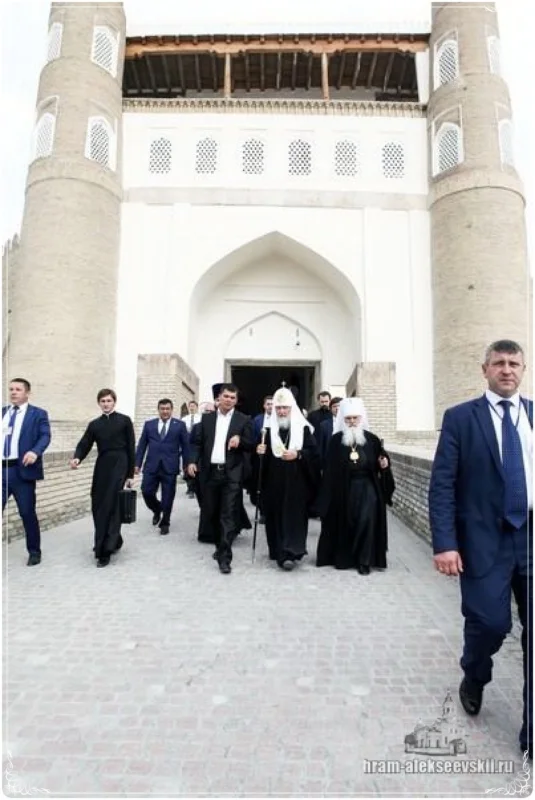
His Holiness then visited the Ark, the winter palace of the emir. The Ark citadel is the oldest architectural monument of Bukhara. In the Middle Ages Rudaki, Ferdowsi, Avicenna and Al-Farabi worked in the Ark, and later Omar Khayyam. Today the citadel houses the Bukhara State Architectural and Art Museum-Reserve.
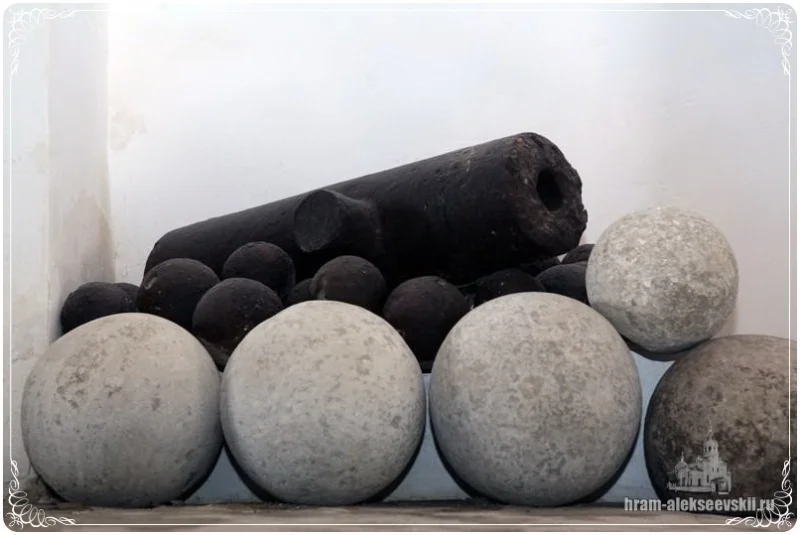
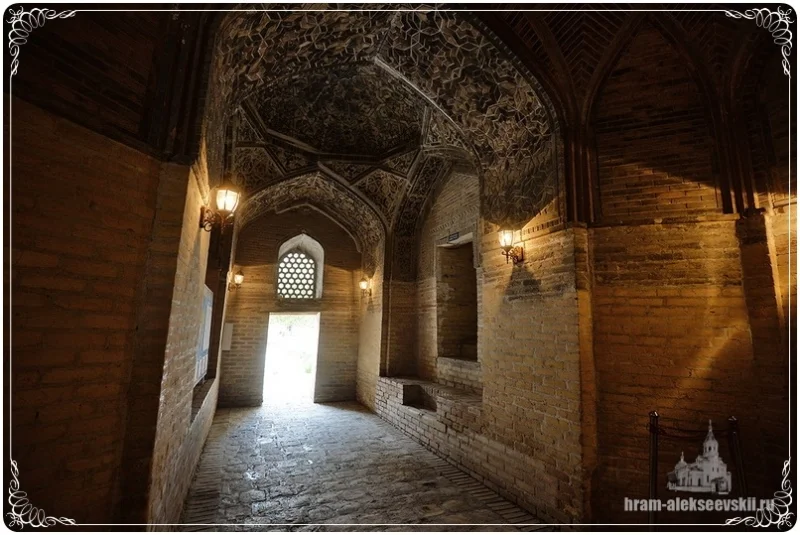
In the Ark His Holiness viewed the Throne (Coronation) Court, built in the 17th century for the coronation of the rulers of Bukhara, visited the museum exhibitions "History of the Bukhara Khanate / Emirate" and "Ancient and Medieval History of the Bukhara Oasis," as well as the fortress's Stable Court and the Juma Mosque, the Friday mosque of the Ark citadel, which now displays a collection of manuscripts.
A reception was held on behalf of the khokimiyat of the Bukhara Region in honor of the visit of the Primate of the Russian Orthodox Church.
Photos from the diocesan website:
Photos from http://www.patriarchia.ru/: