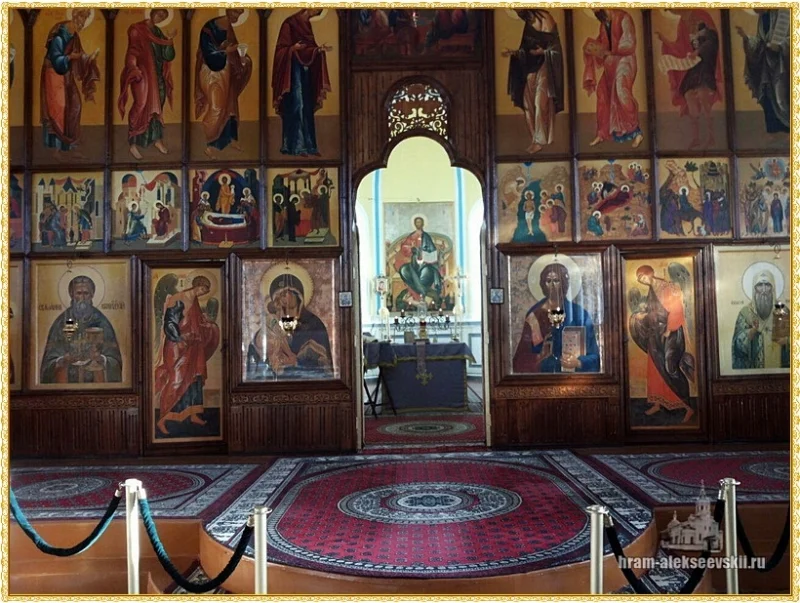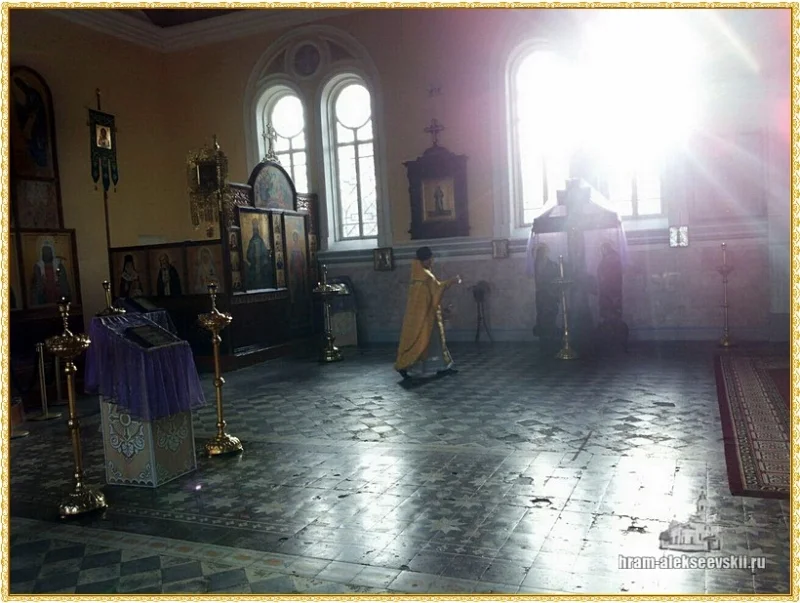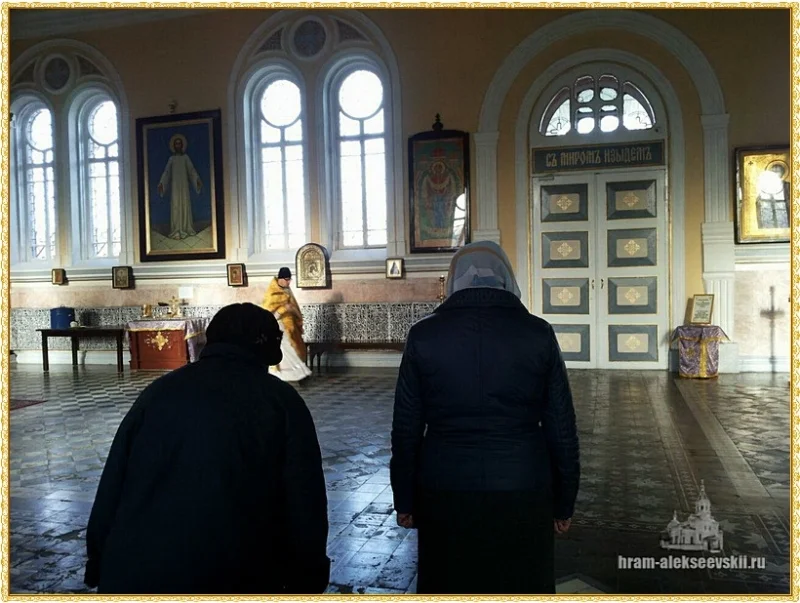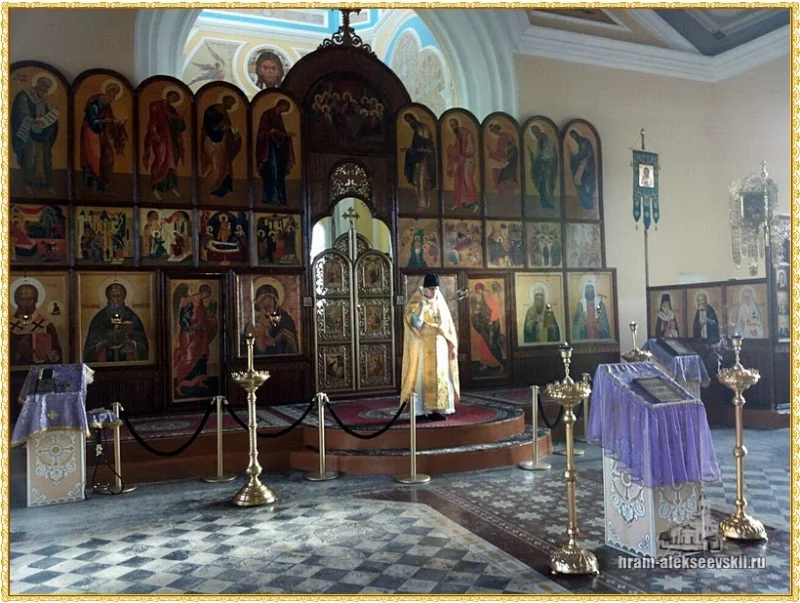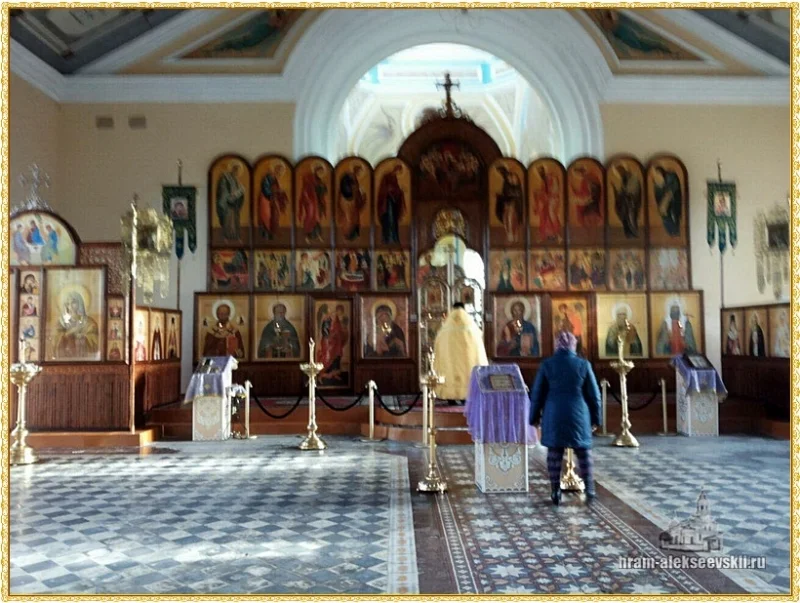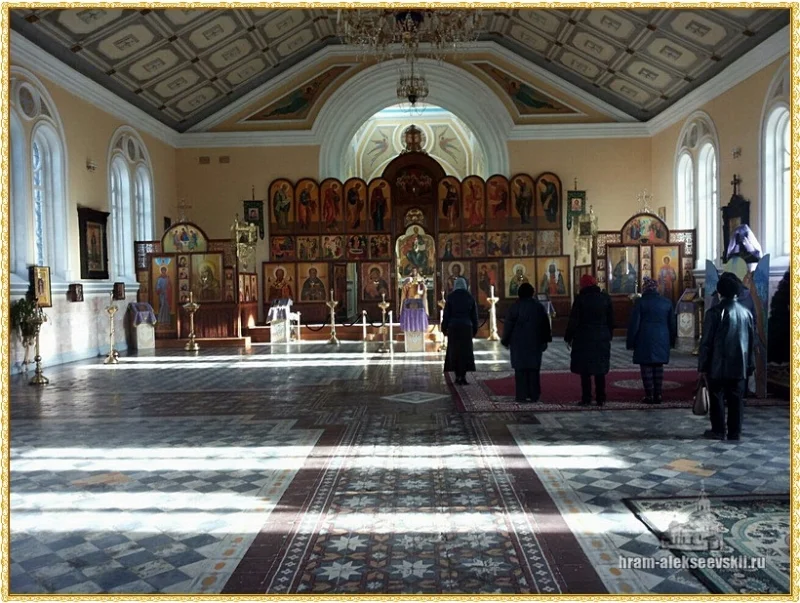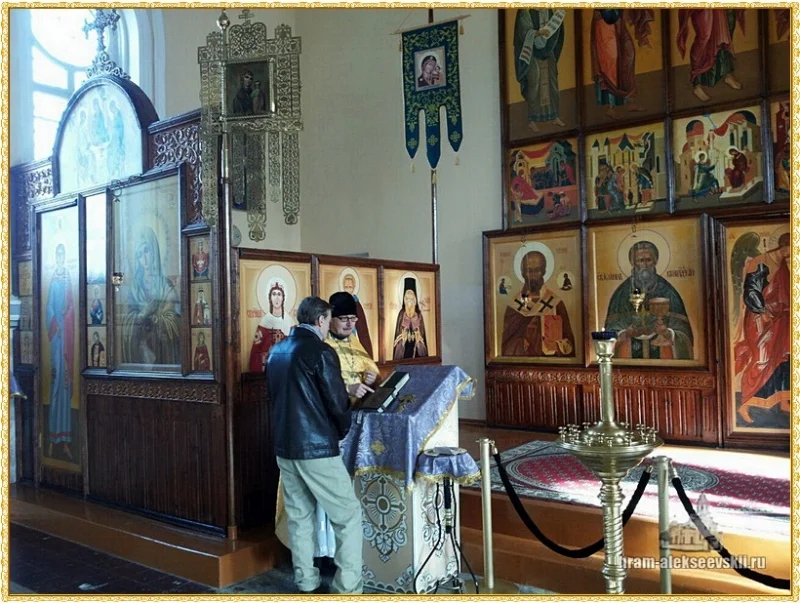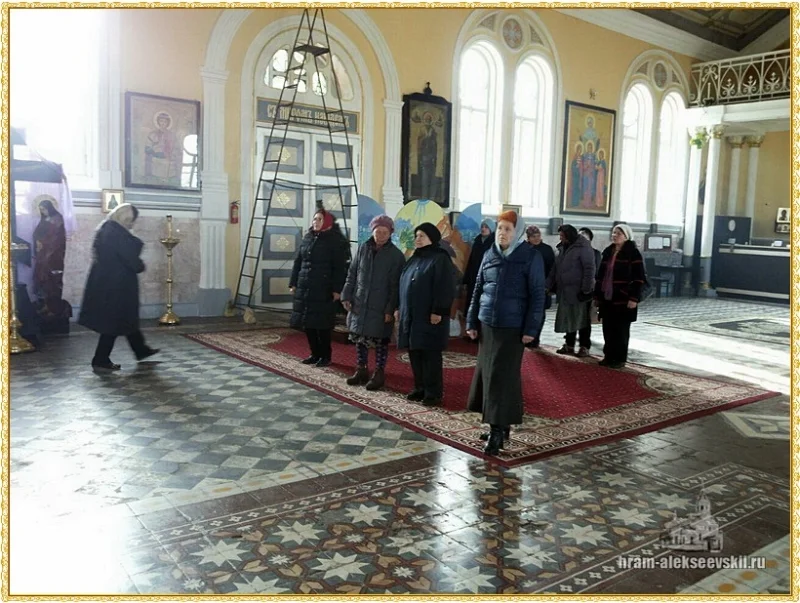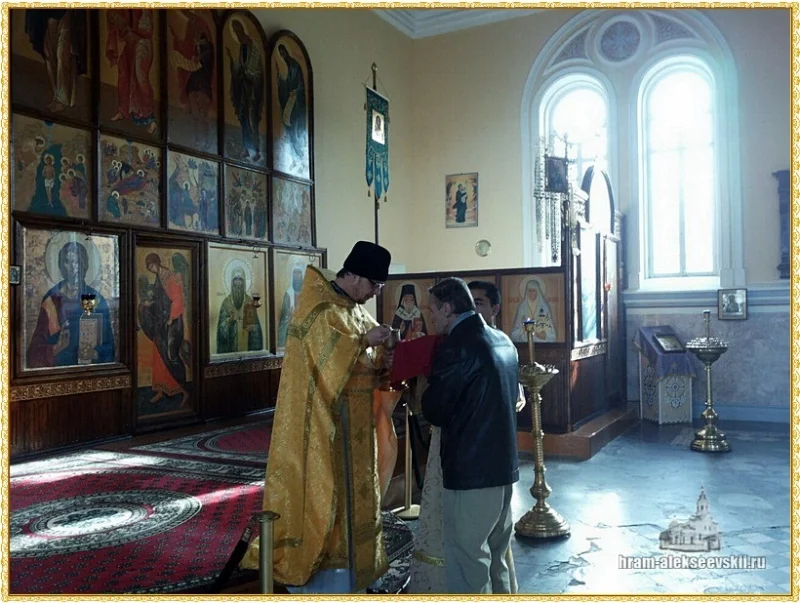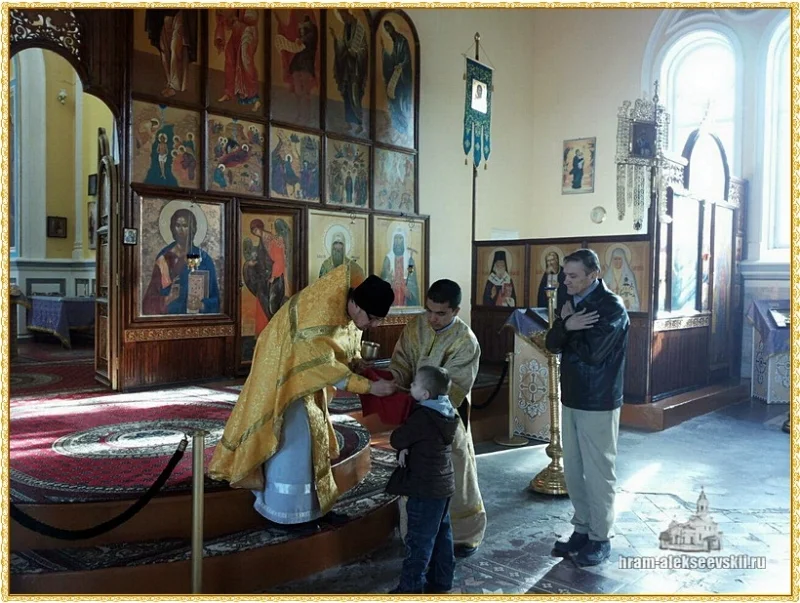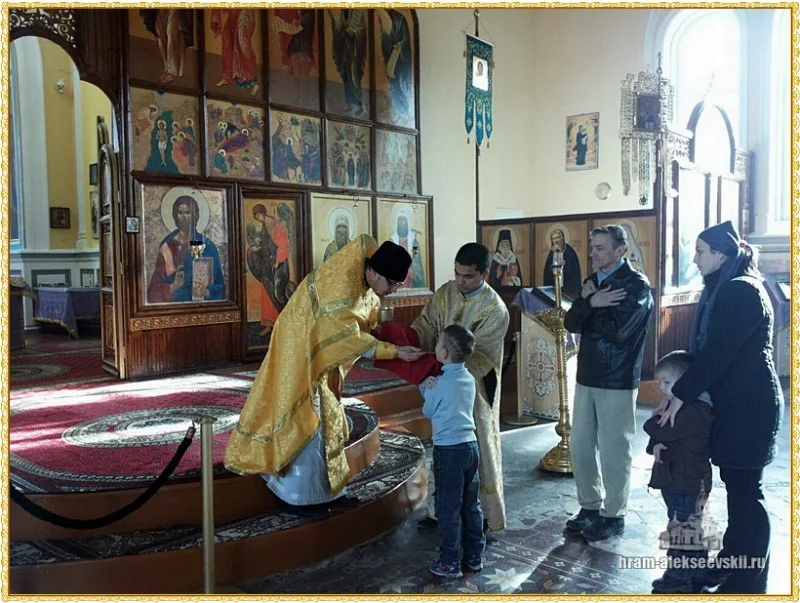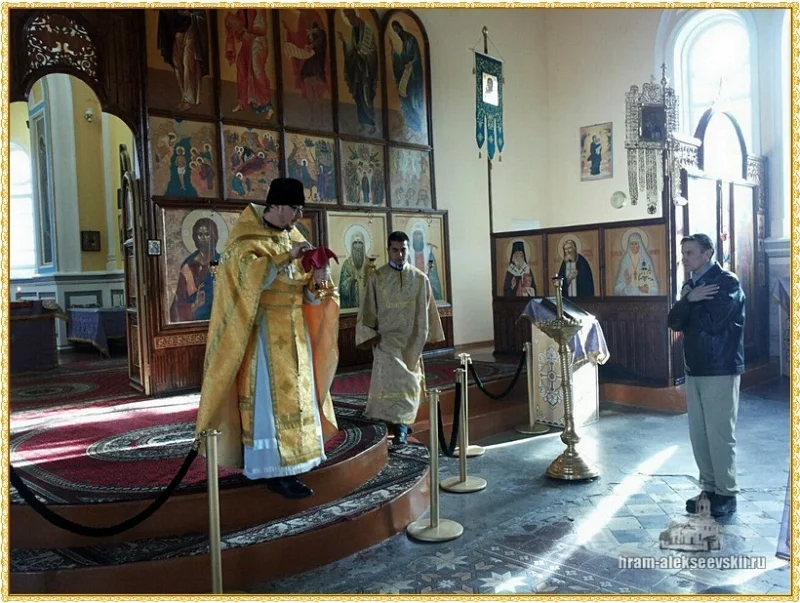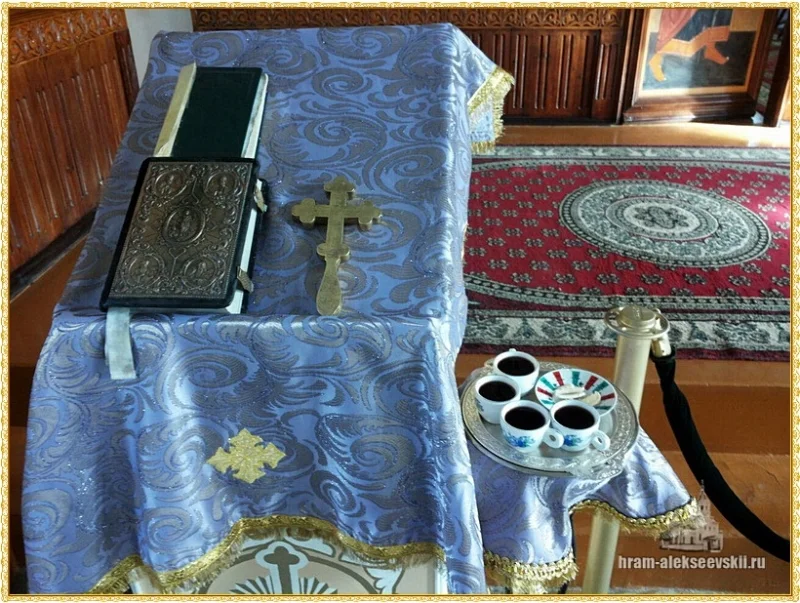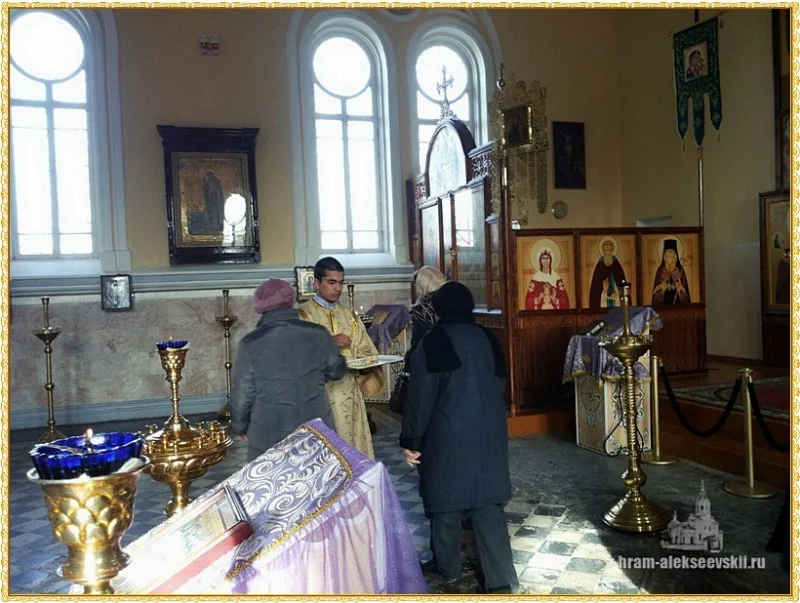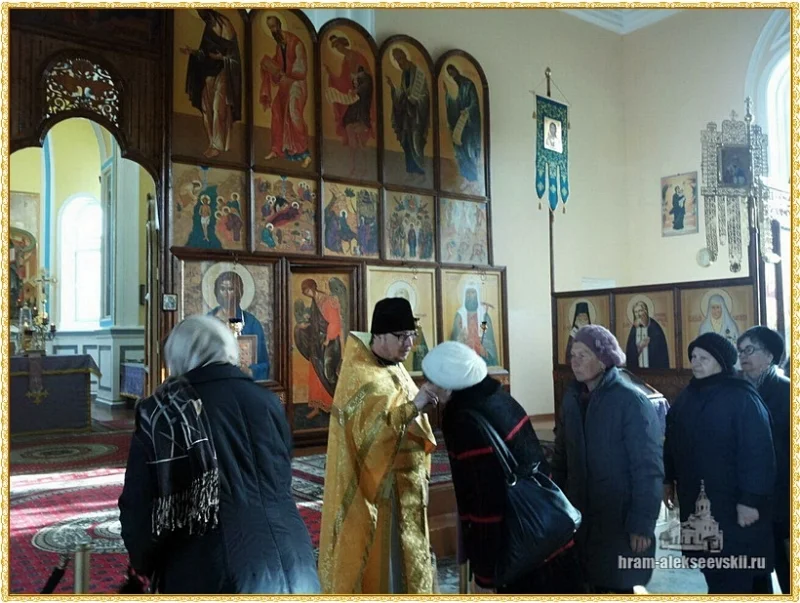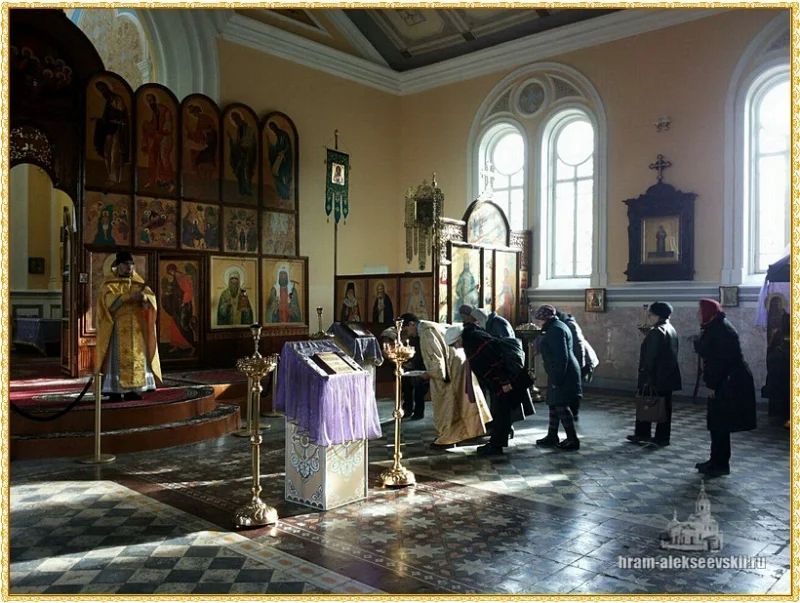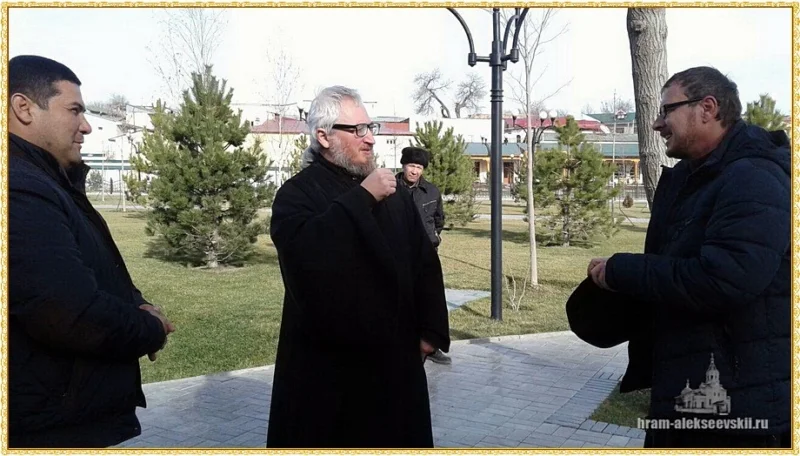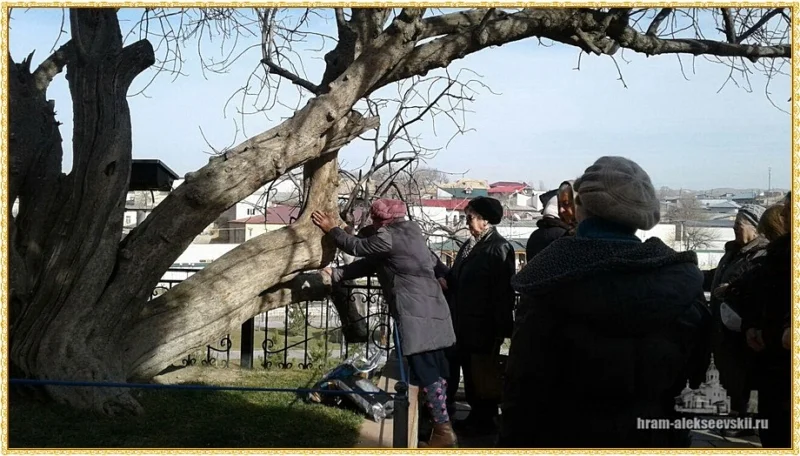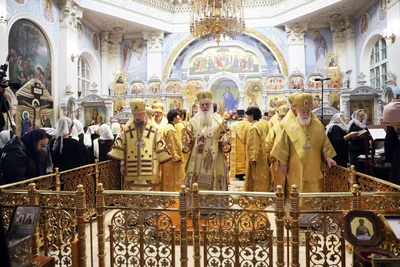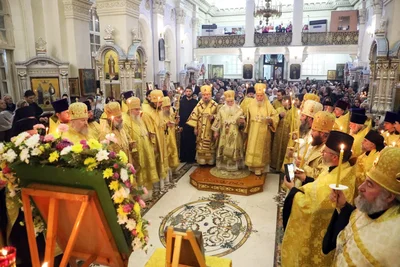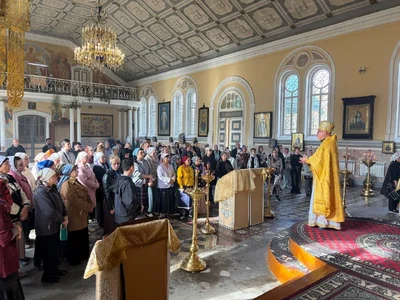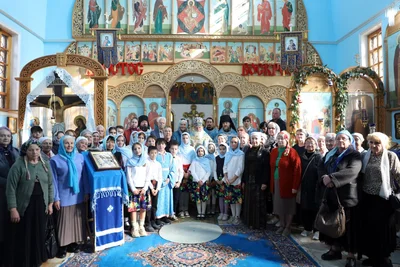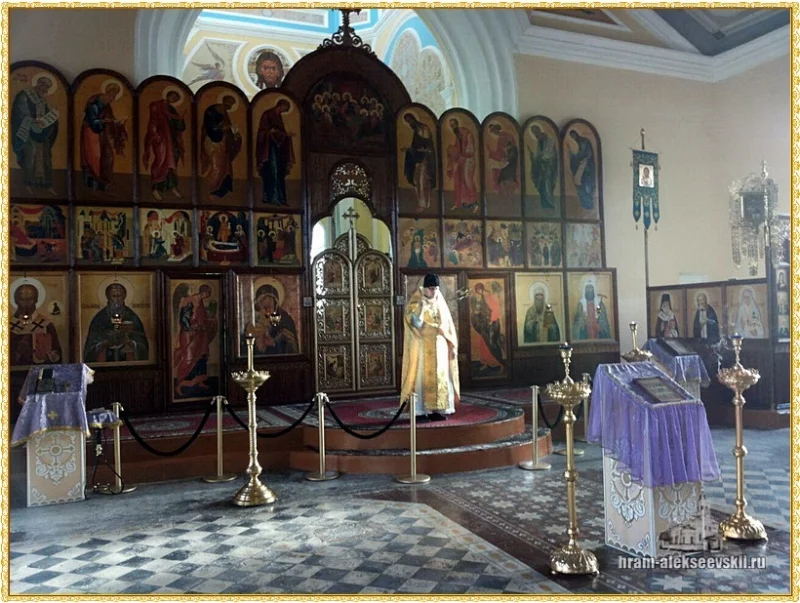
On 30 December 2017, the feast of the holy Prophet of God Daniel and the Three Holy Youths, Ananias, Azarias and Misael, a solemn Divine Liturgy was celebrated at Saint Alexius Cathedral in Samarkand.
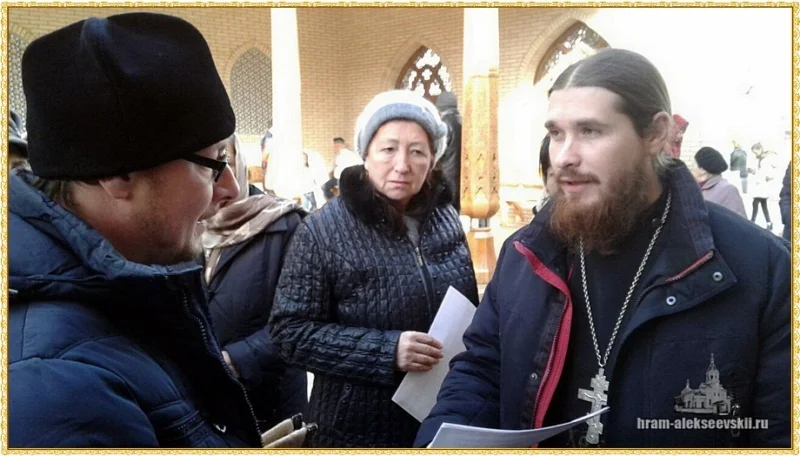
The Liturgy was celebrated by the rector, Priest Igor Babakov.
The All-Night Vigil was served in the cathedral the evening before.
Six hundred years before the Nativity of Christ, Jerusalem was conquered by the king of Babylon, the temple built by Solomon was destroyed, and a multitude of the people of Israel was led away into captivity.
Among the captives were the noble youths Daniel, Ananias, Azarias and Misael. Nebuchadnezzar, king of Babylon, ordered that they be taught the wisdom of the Chaldeans and brought up in luxury at his court. But they, keeping the commandments of their faith, refused excess and led a strict life, eating only vegetables and water. The Lord granted them wisdom, and to St. Daniel the gift of clairvoyance and the interpretation of dreams.
The holy Prophet Daniel, steadfastly keeping faith in the One God and trusting in His almighty help, surpassed in wisdom all the Chaldean astrologers and magi and was brought close to King Nebuchadnezzar. Once Nebuchadnezzar saw a strange dream that struck him, but on waking he forgot what he had seen. The Babylonian wise men were powerless to discover what the king had dreamed. Then the holy Prophet Daniel glorified before all the power of the true God, Who had revealed to him not only the content of the dream but also its prophetic meaning. After this the king raised Daniel to the rank of ruler of Babylon.
Soon King Nebuchadnezzar ordered that his image be set up, a huge statue to which divine honors were to be paid. For refusing to do so, the three youths, Ananias, Azarias and Misael, were cast into a burning fiery furnace. The flame blazed up, scorching the Chaldeans standing nearby, while the holy youths walked in the midst of the fire, offering prayer to the Lord and singing His praises (Dan. 3:26–90). The Angel of the Lord appeared and cooled the flame, and the youths remained unharmed. Seeing this, the king commanded them to come out and turned to the true God.
Under King Belshazzar, St. Daniel interpreted the mysterious inscription ("Mene, Tekel, Peres") that appeared on the palace wall during a feast, foretelling the fall of the Babylonian kingdom.
Under the Persian king Darius, St. Daniel, slandered by his enemies, was thrown into a den of hungry lions, but they did not touch him, and he remained unharmed. King Darius rejoiced over Daniel and decreed that throughout his kingdom the God of Daniel be worshipped, "for He is the living God, and steadfast forever; His kingdom is the one which shall not be destroyed, and His dominion shall endure to the end."
The holy Prophet Daniel grieved deeply for his people, who were suffering a just punishment for their many sins and iniquities and for transgressing the commandments of God: the heavy Babylonian captivity and the ruin of Jerusalem. "O my God, incline Your ear and hear; open Your eyes and see our desolations, and the city which is called by Your name; for we do not present our supplications before You because of our righteous deeds, but because of Your great mercies" (Dan. 9:18). To the holy prophet, who by his righteous life and prayer atoned for the iniquities of his people, the destiny of the people of Israel and of the whole world was revealed.
In interpreting King Nebuchadnezzar's dream, the Prophet Daniel proclaimed the kingdoms that would succeed one another and the greatness of the last Kingdom, the Kingdom of our Lord Jesus Christ (Dan. 2:44). The prophetic vision of the seventy weeks (Dan. 9:24–27) revealed to the world the signs of the First and Second Comings of the Lord Jesus Christ and the events connected with them (Dan. 12:1–12). St. Daniel interceded for his people before the successor of Darius, King Cyrus, who held him in high esteem and proclaimed freedom to the captives.
Daniel himself and his friends Ananias, Azarias and Misael lived to a great age and died in captivity. According to the testimony of St. Cyril of Alexandria (commemorated 9 June), however, Saints Ananias, Azarias and Misael were beheaded by order of the Persian king Cambyses.
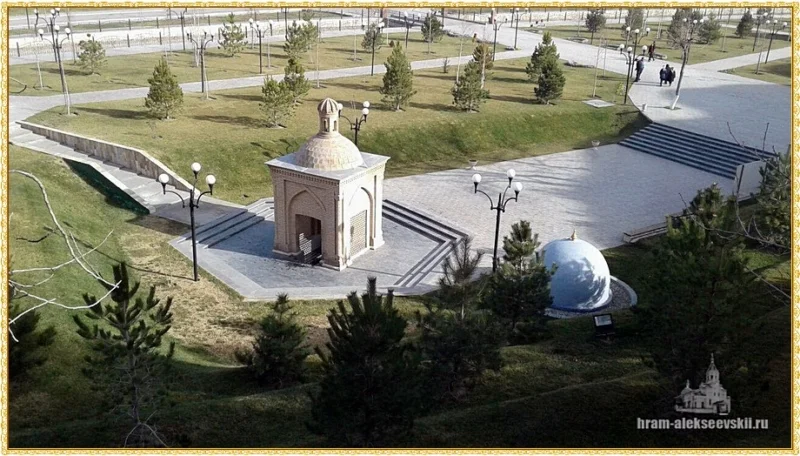
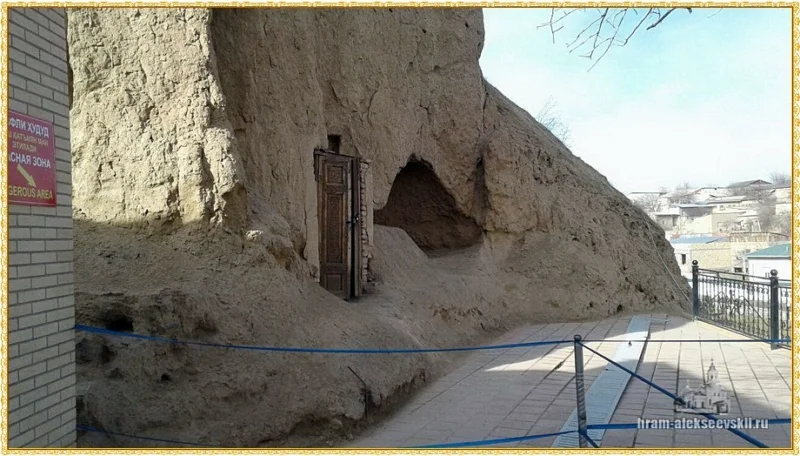
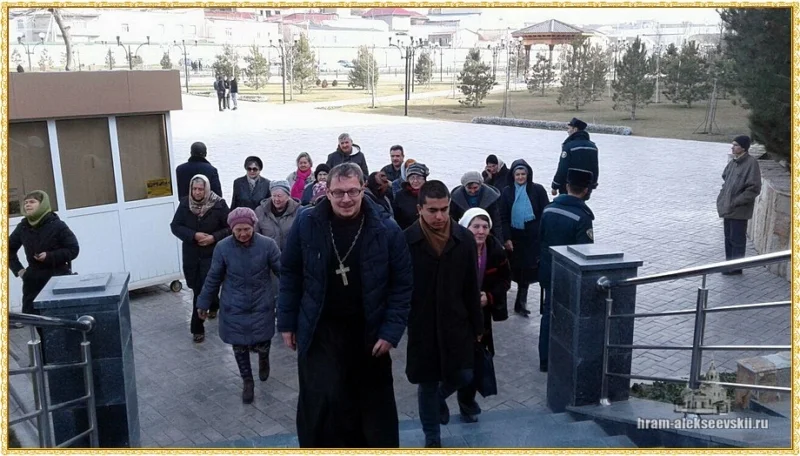
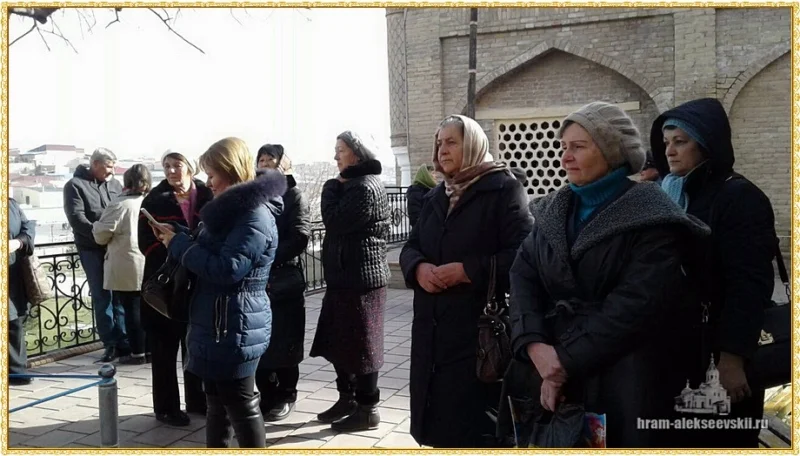
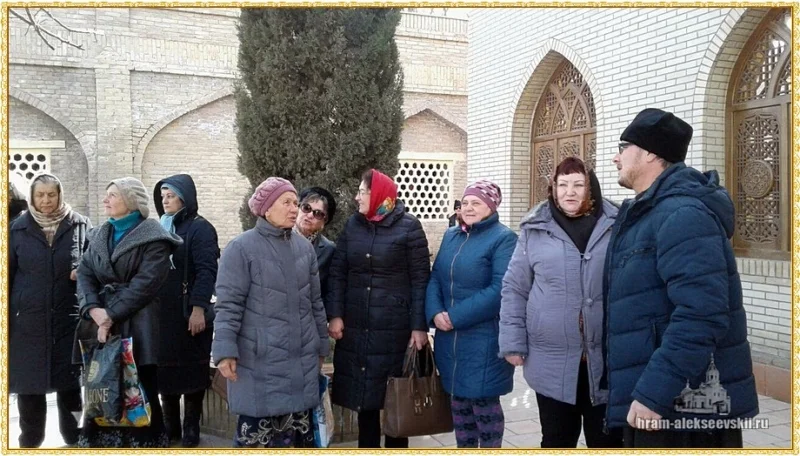
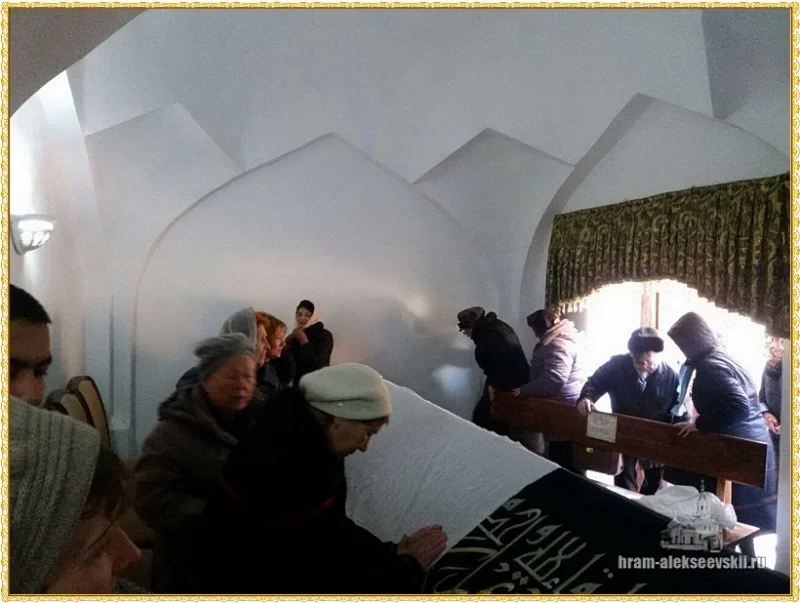
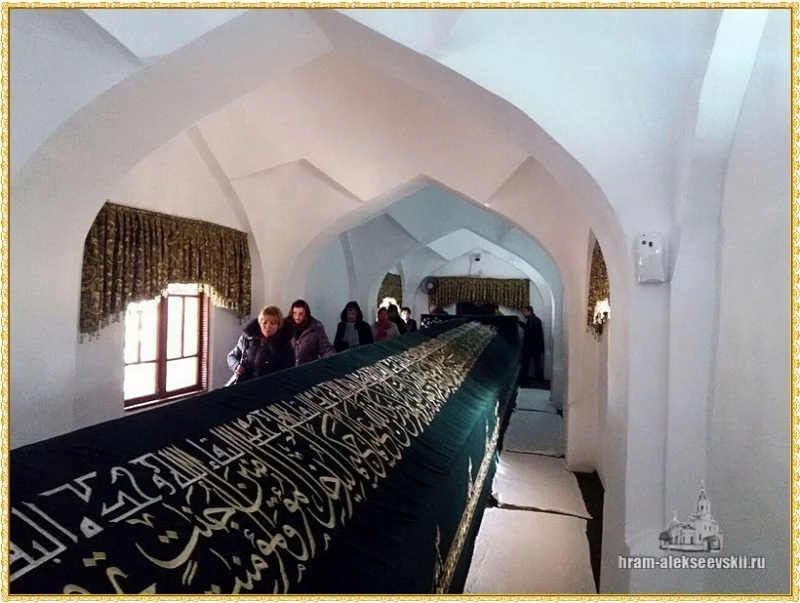
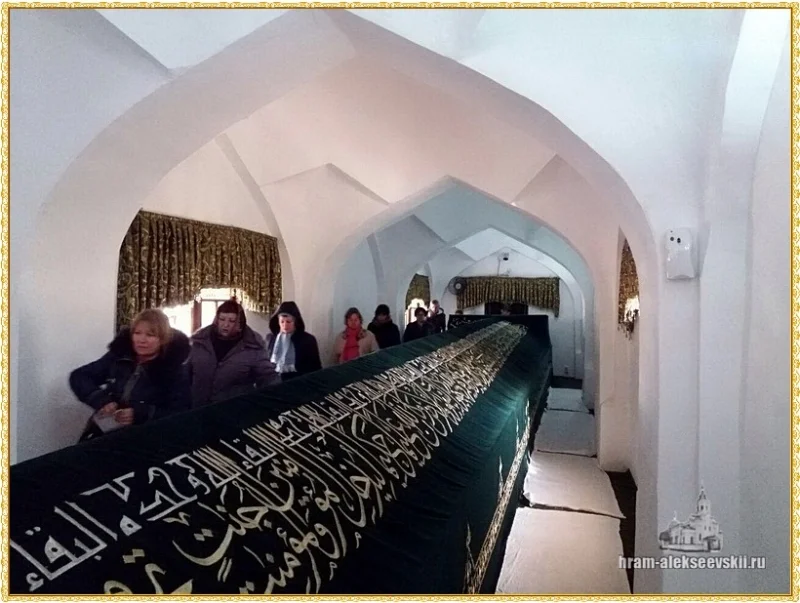
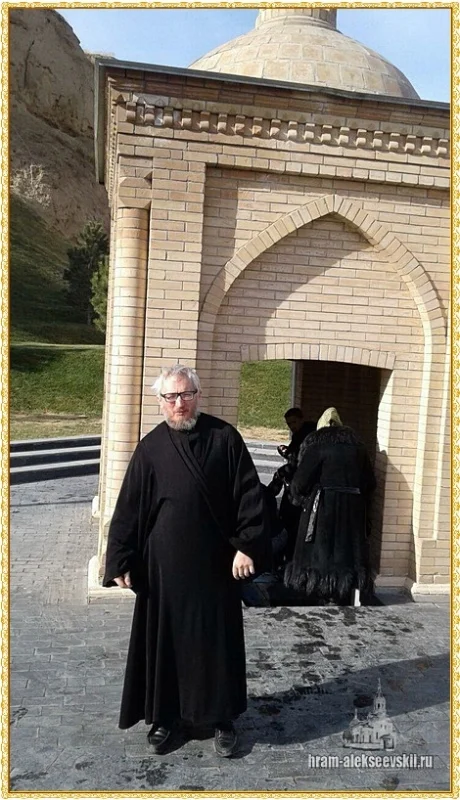
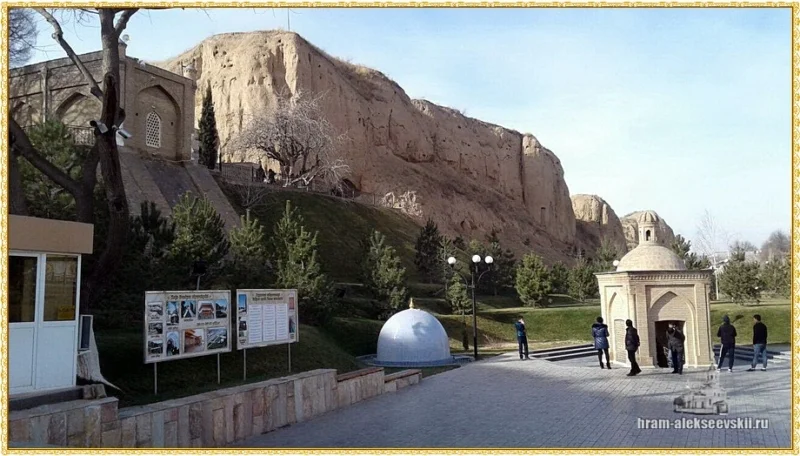
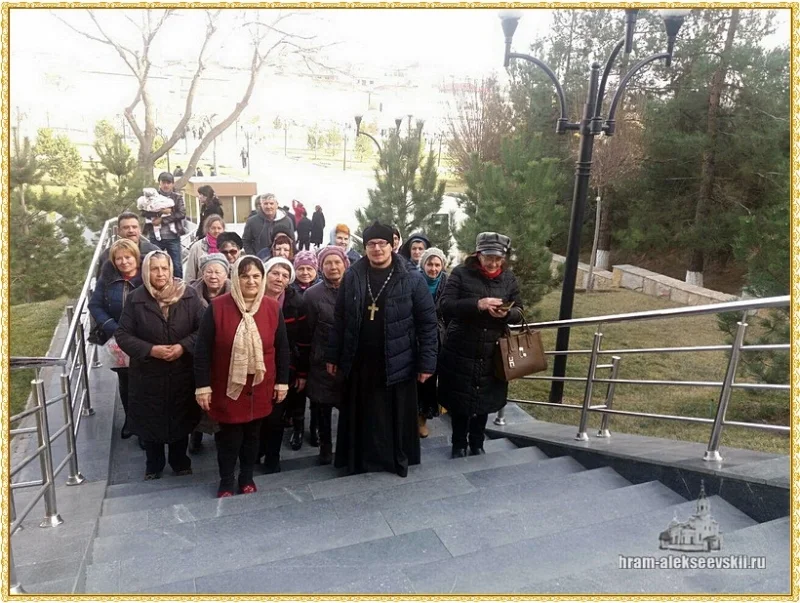
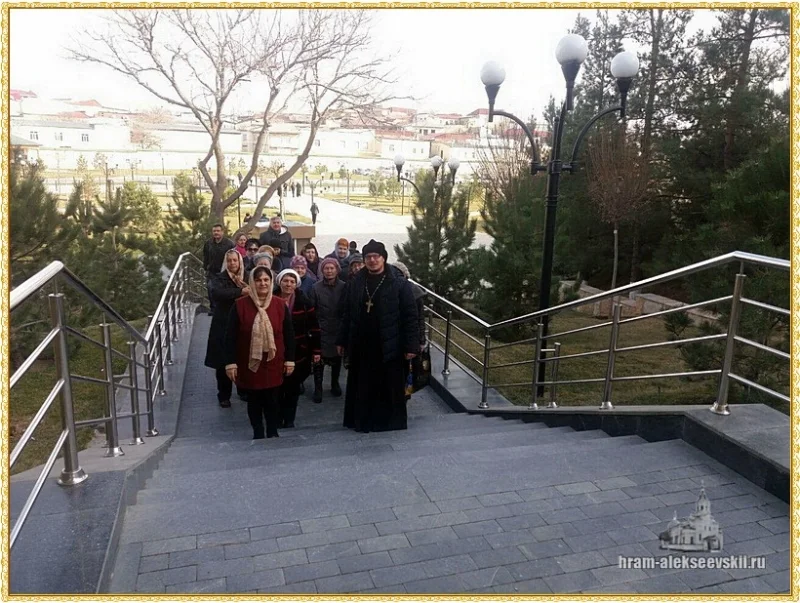
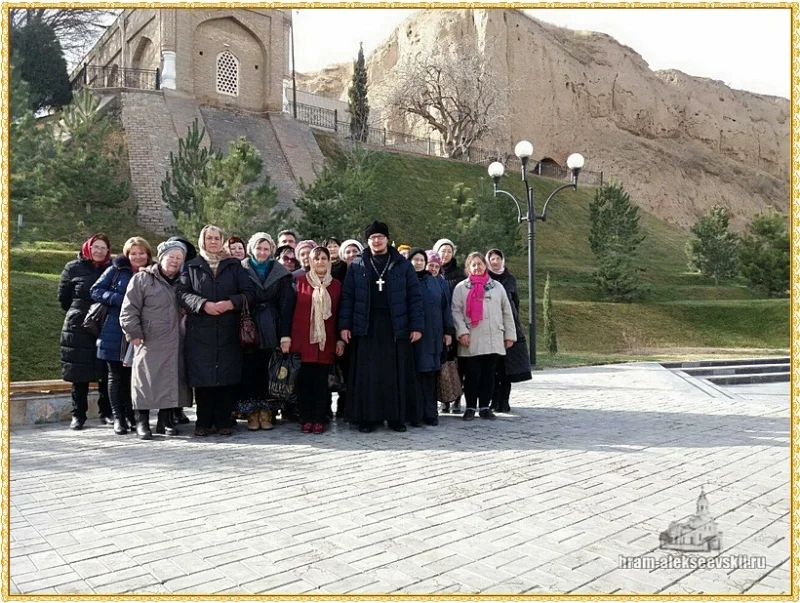
At the end of the Divine Liturgy a moleben was served before the tomb of the Old Testament Prophet Daniel.
According to tradition, this tomb holds the right hand of the prophet, brought back by Amir Timur from one of his campaigns of conquest.
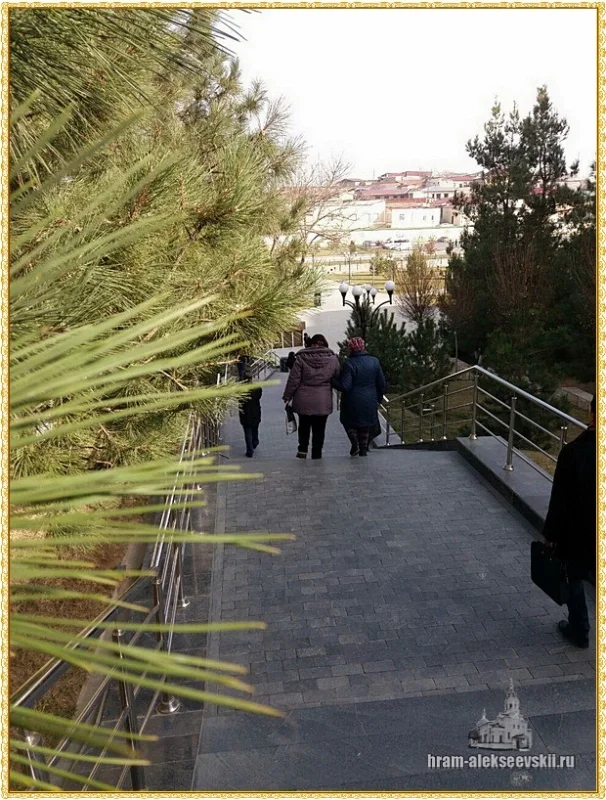
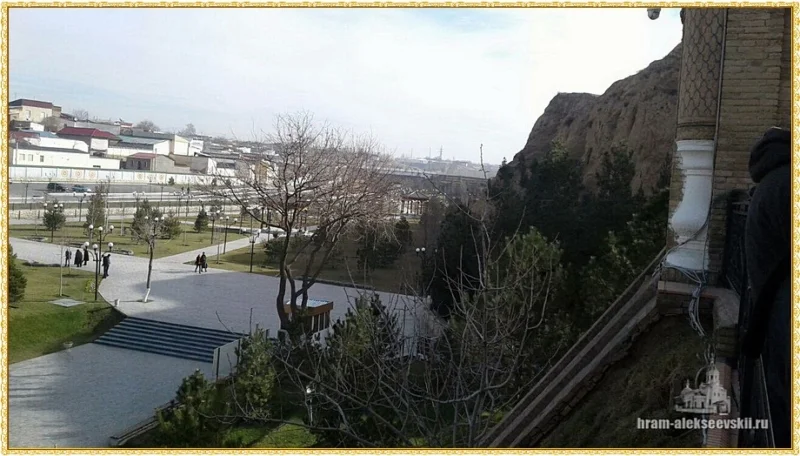
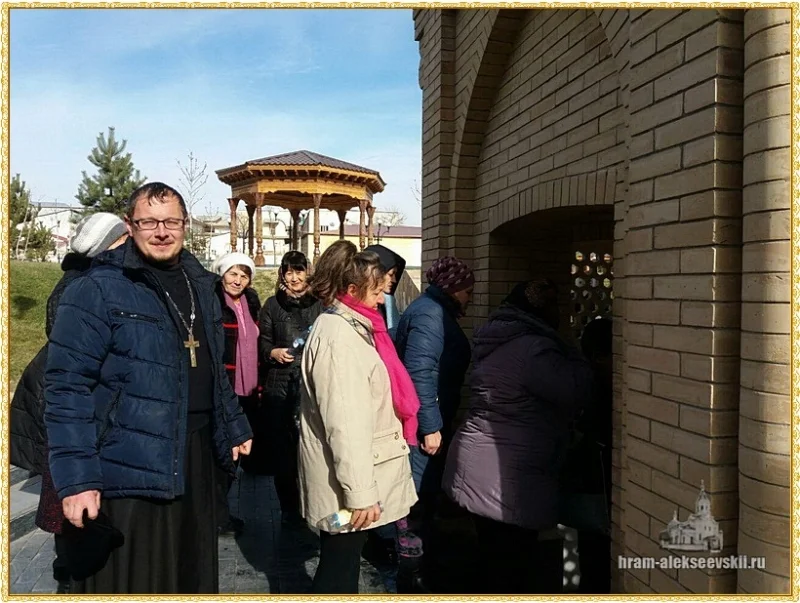
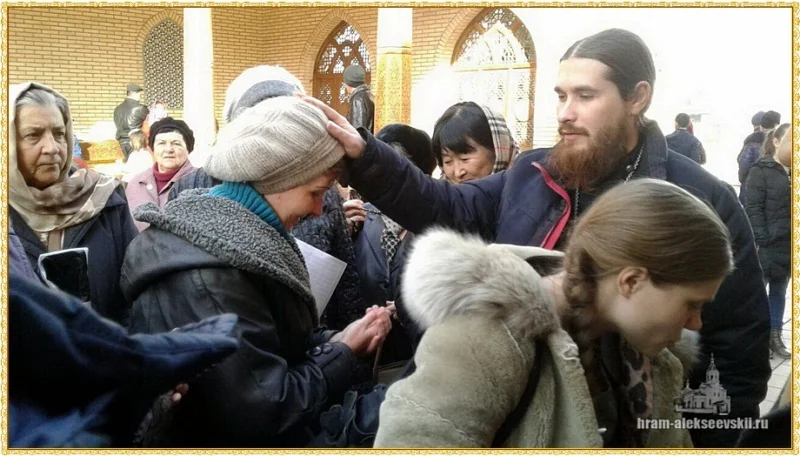
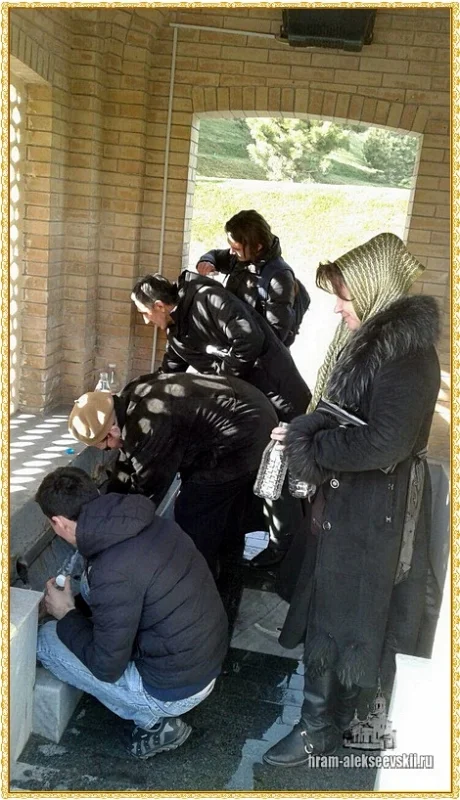
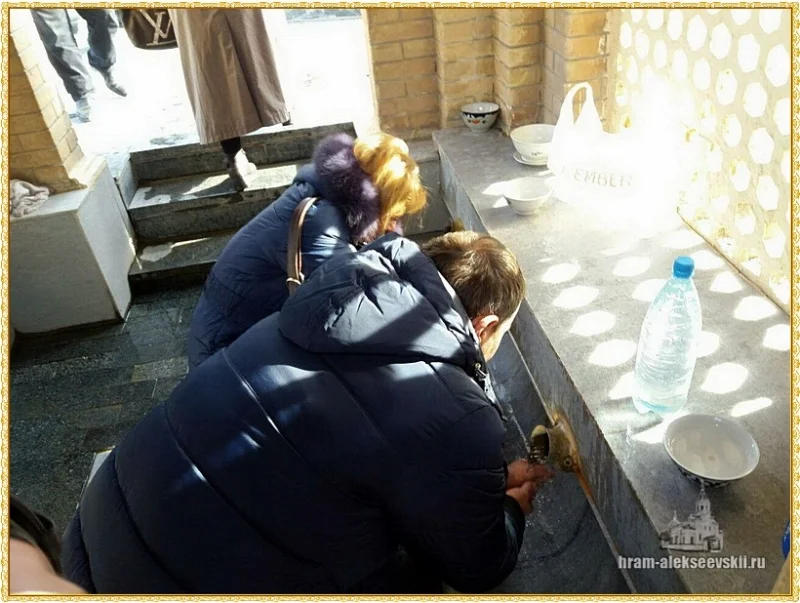
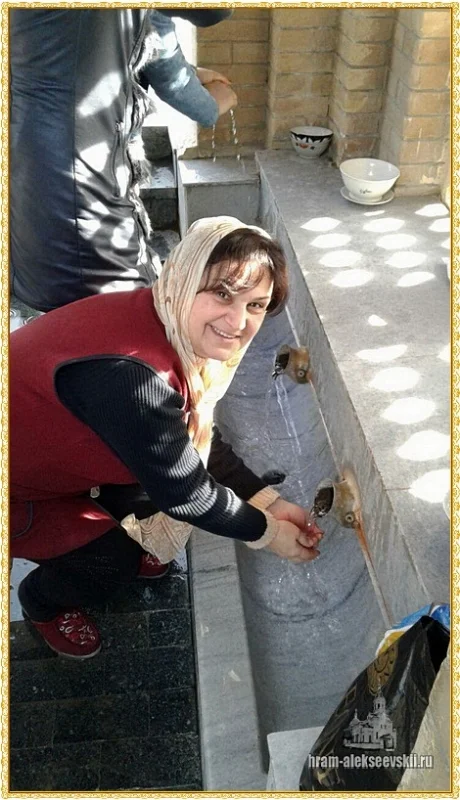
After the moleben the faithful went down to the spring of the Prophet Daniel to wash and to draw holy water.