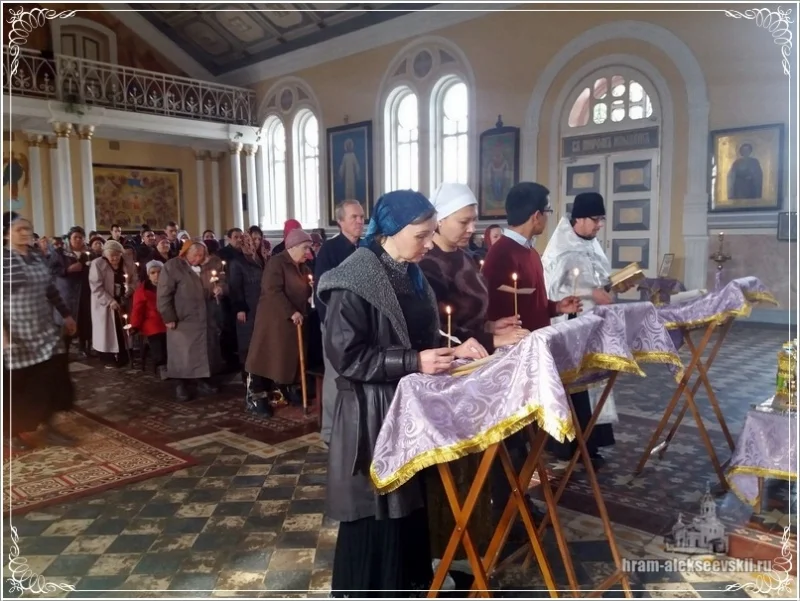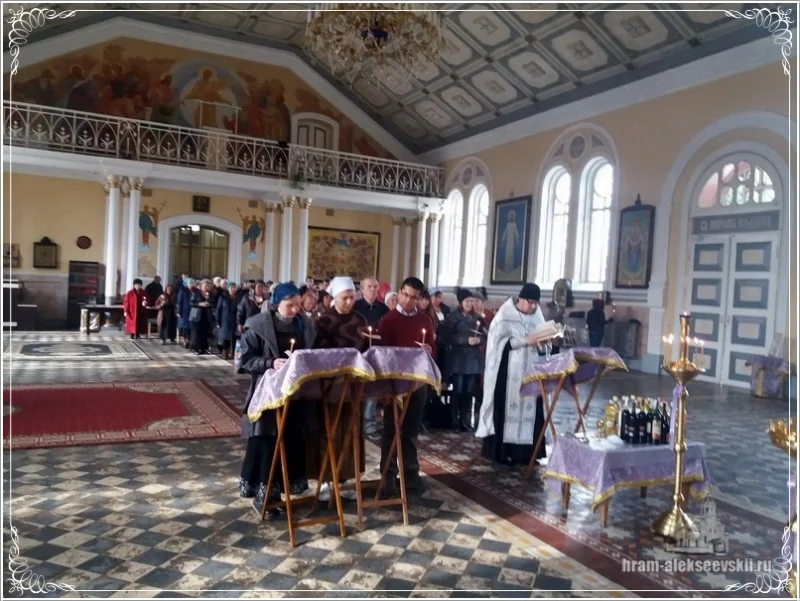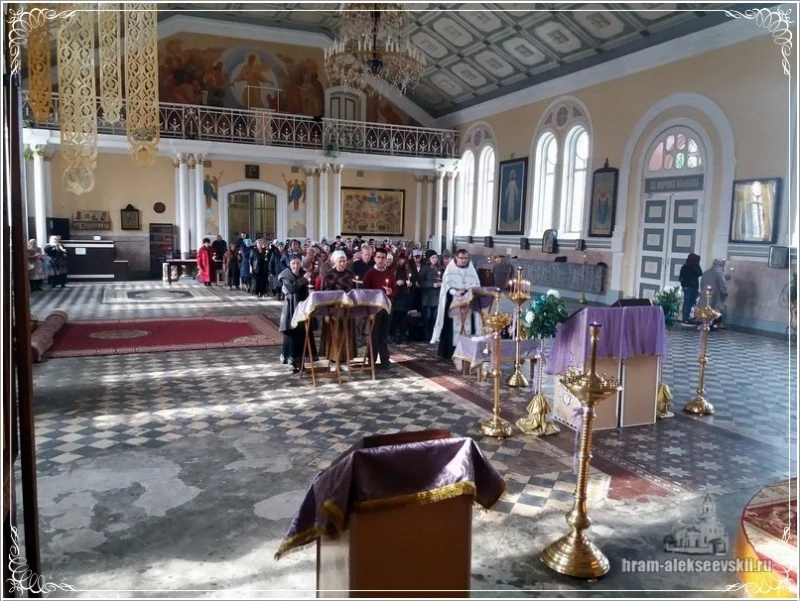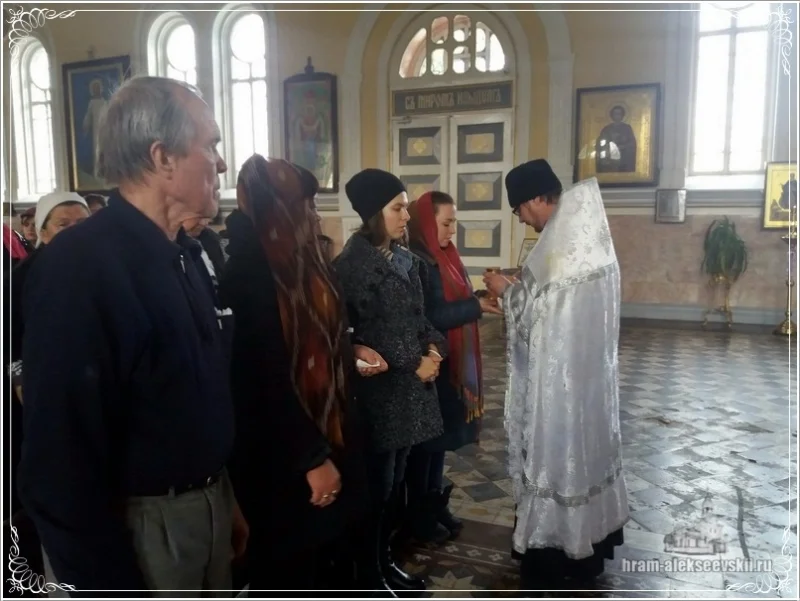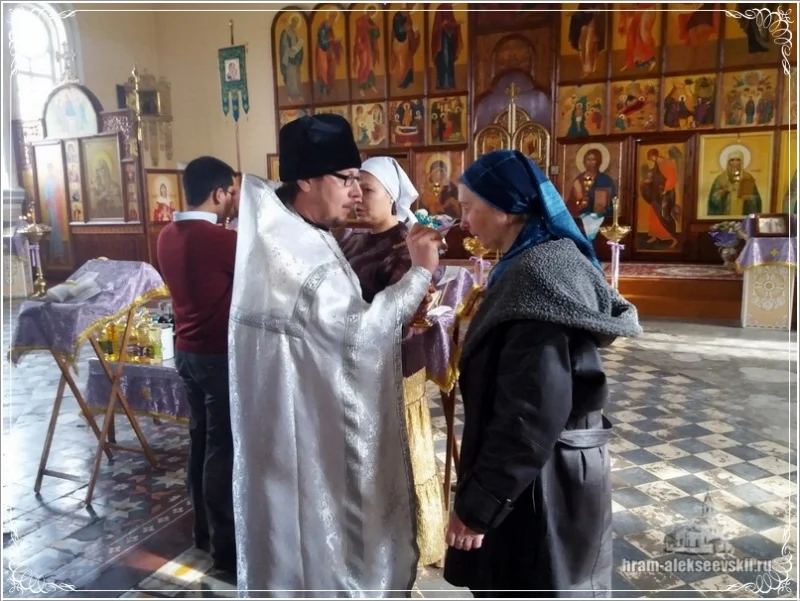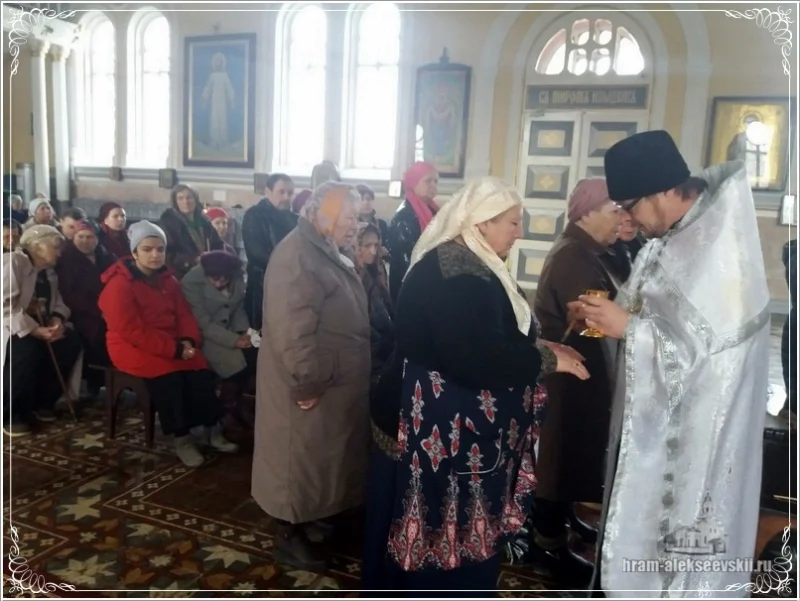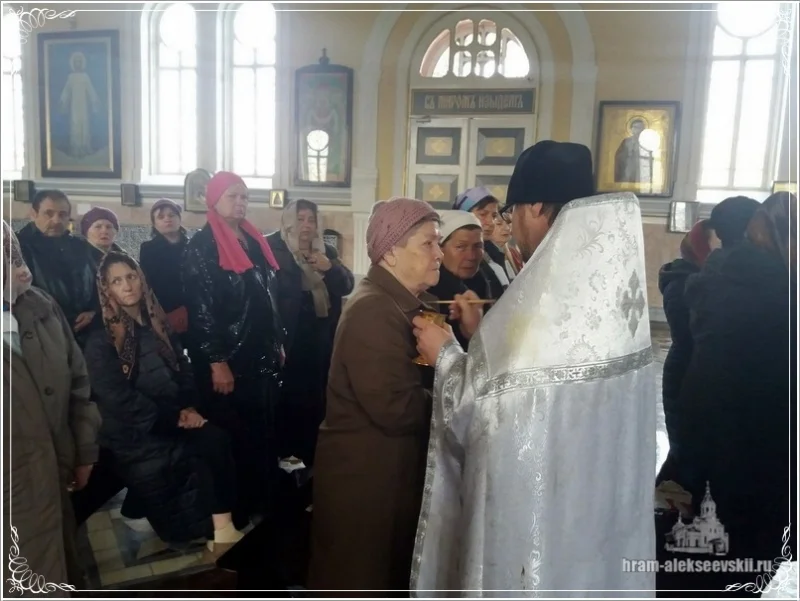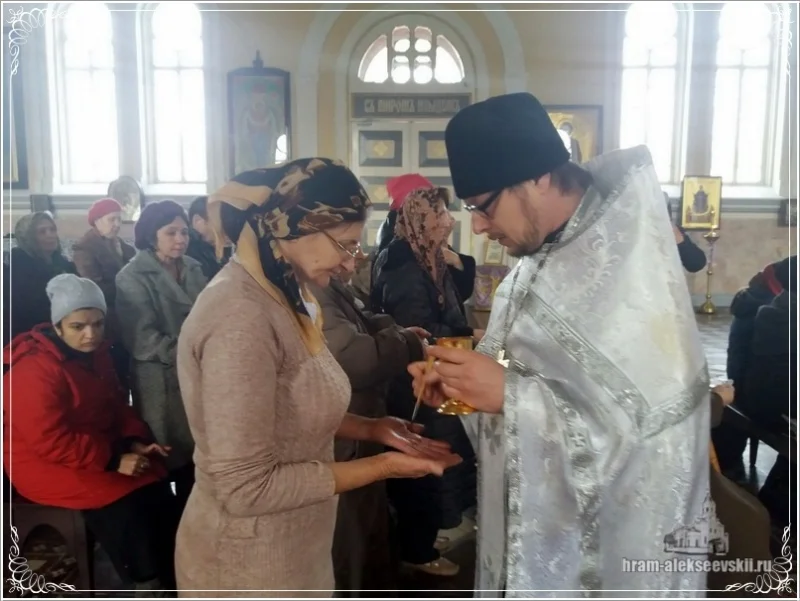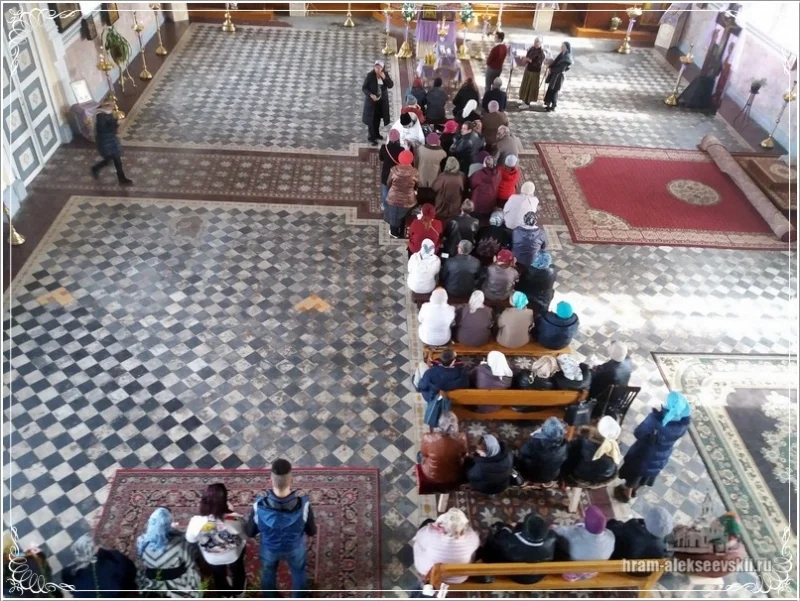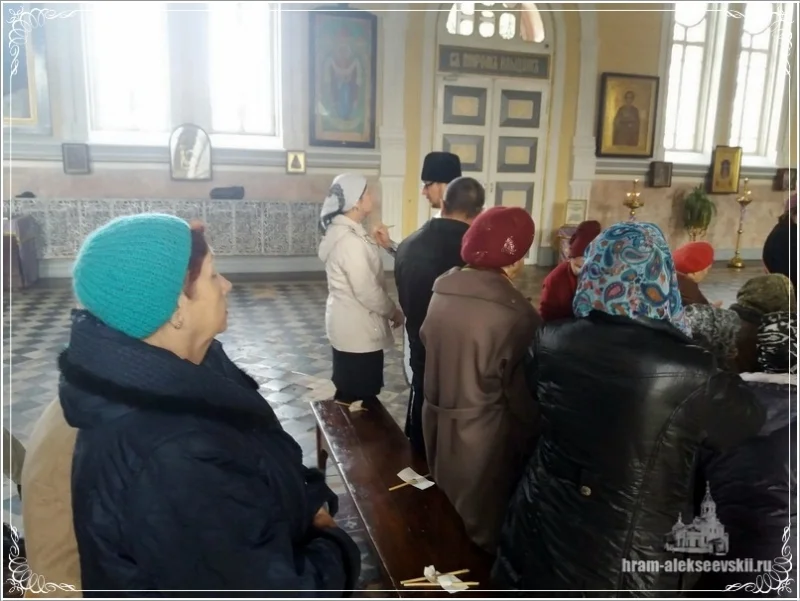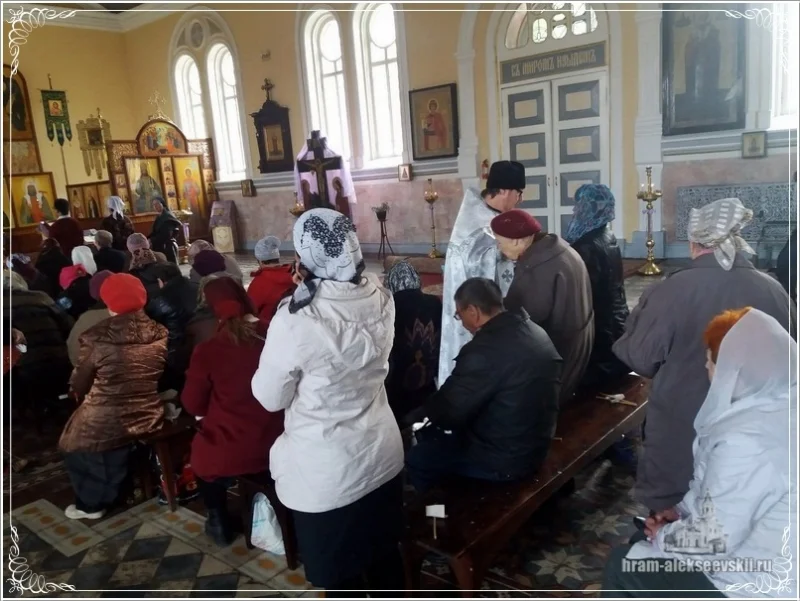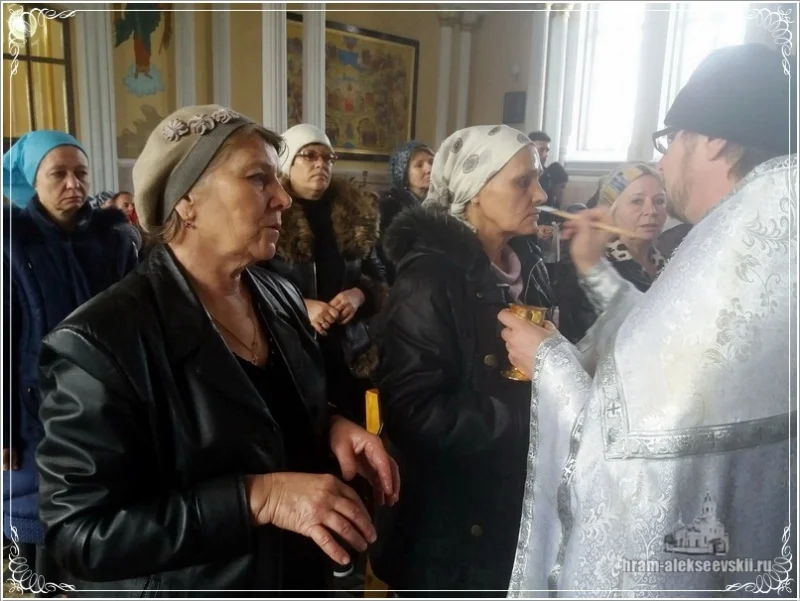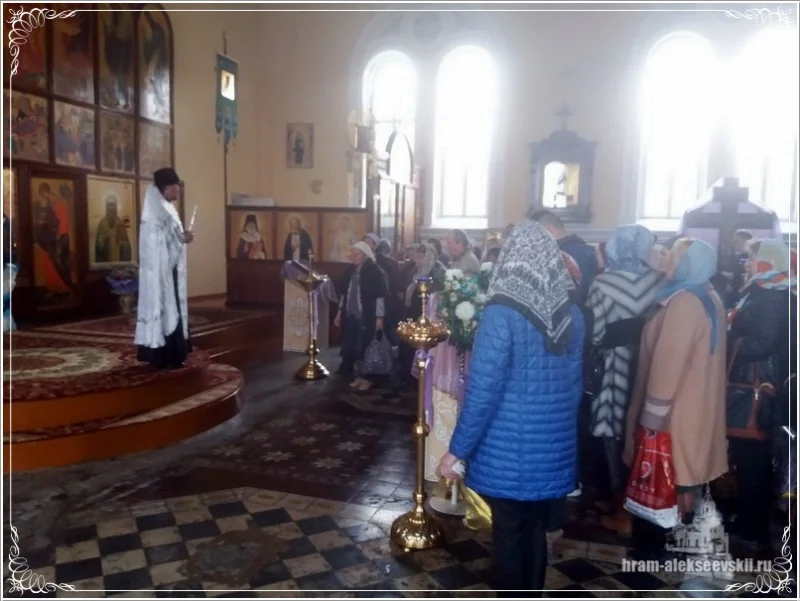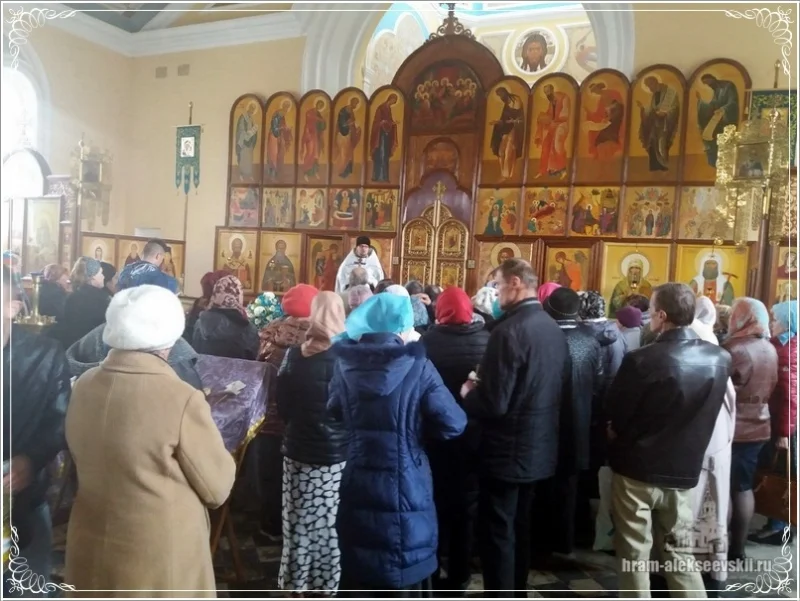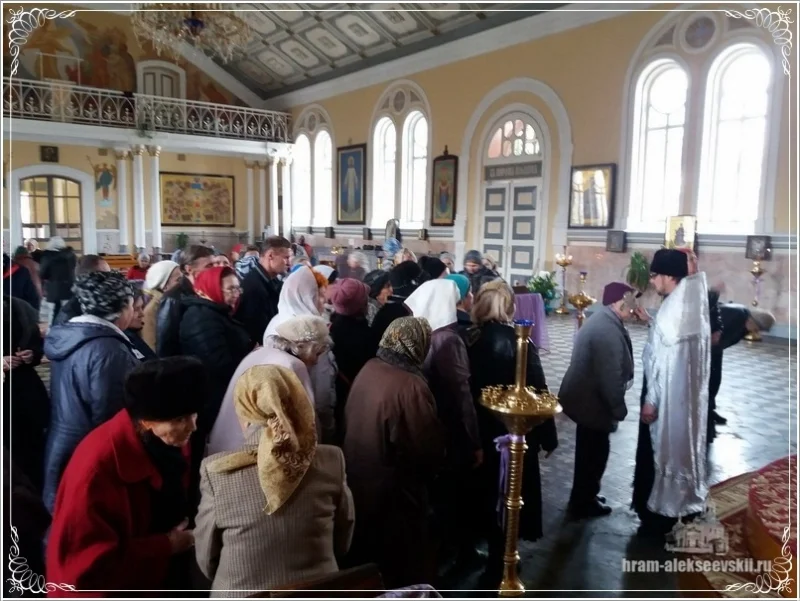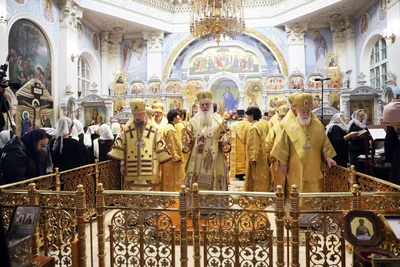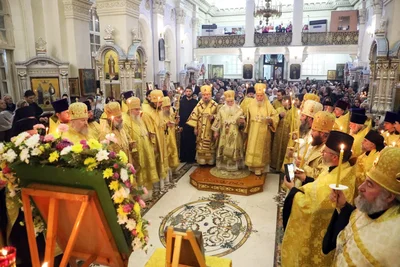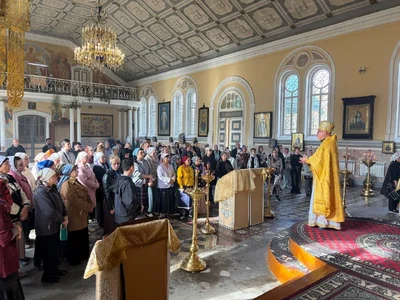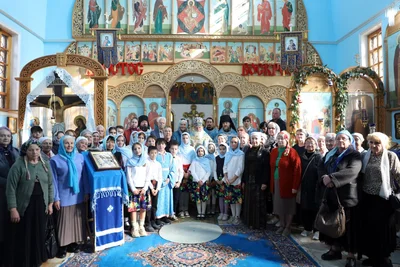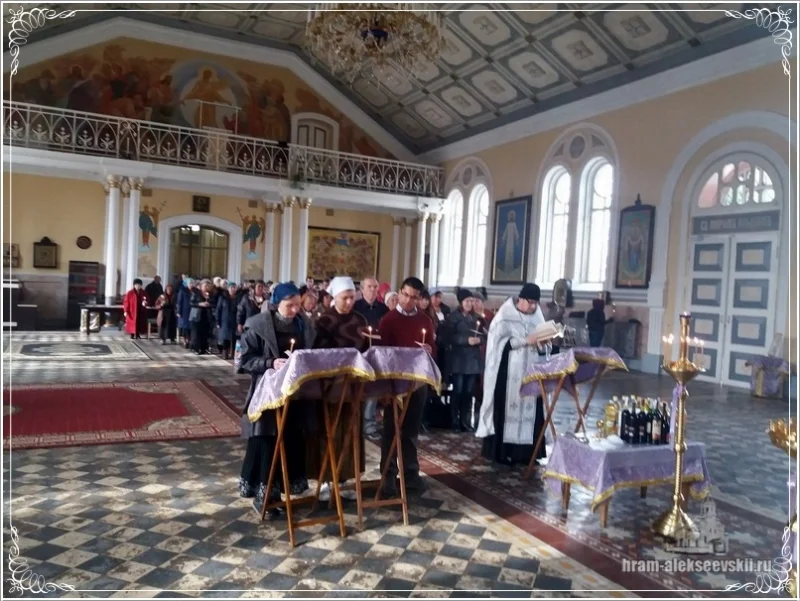
On 1 March, for the first time this Great Lent, the Sacrament of Holy Unction was celebrated in our church.
What, then, is Holy Unction?
The history of the Sacrament goes back to the apostles, who, having received from Jesus Christ the power "to heal sicknesses", "anointed with oil many who were sick, and healed them" (Mark 6:13).
The Sacrament of the Anointing of the Sick is more often called Soborovanie (since it is usually performed by several priests, that is, in council, "soborno"). What is its essence?
First, the prayers of this Sacrament can heal the sick person, if such is God's will. Second, and no less important, in the Sacrament of Holy Unction a person receives forgiveness of sins.
But which sins? Not those that must be confessed in the Sacrament of Repentance, those we are aware of and try to overcome.
But each of us has a multitude of sins that pass by our awareness because of our spiritual slackness and coarseness of feeling. Either we sin and immediately forget it, or we do not consider it a sin at all and do not notice it. Yet unrecognized sins are still sins; they weigh down the soul, and we need to be cleansed of them, which is what happens in the Sacrament of the Anointing of the Sick.
Moreover, in the case of the gravely ill, it happens that because of their general state of illness they are simply unable to notice in themselves the sins of which they would otherwise certainly have repented at confession.
And so, if we bring sincere repentance, in the Sacrament of Holy Unction we receive forgiveness of such sins left unmentioned at confession (through no will of our own).
As for bodily recovery, it may come; we pray for it during the Sacrament, and such miraculous healings do indeed often take place after Holy Unction. However, one cannot count on this, and one must not regard the Sacrament as some magical procedure guaranteeing healing from all illnesses.
Before or after the Sacrament of Holy Unction, Orthodox Christians as a rule try to go to confession and receive Holy Communion.