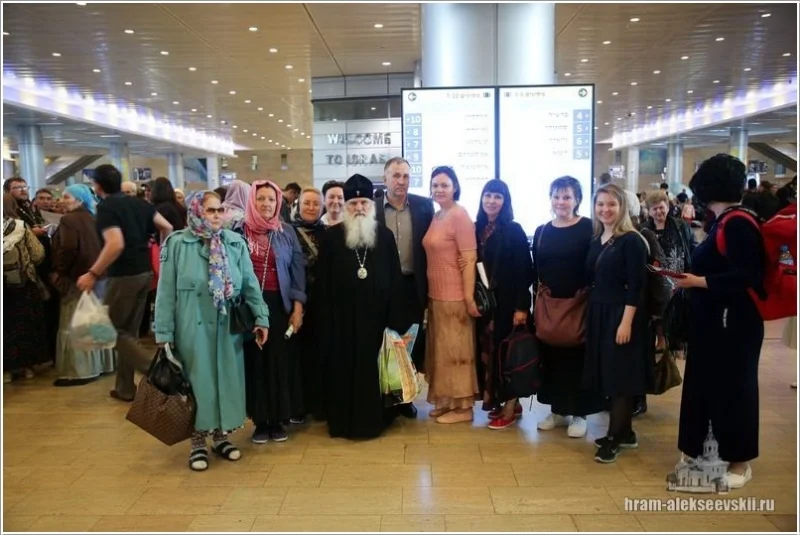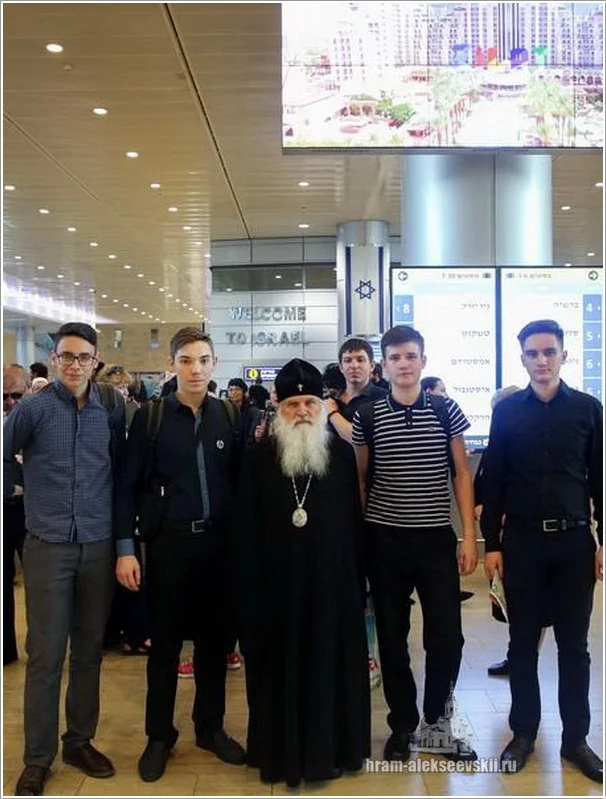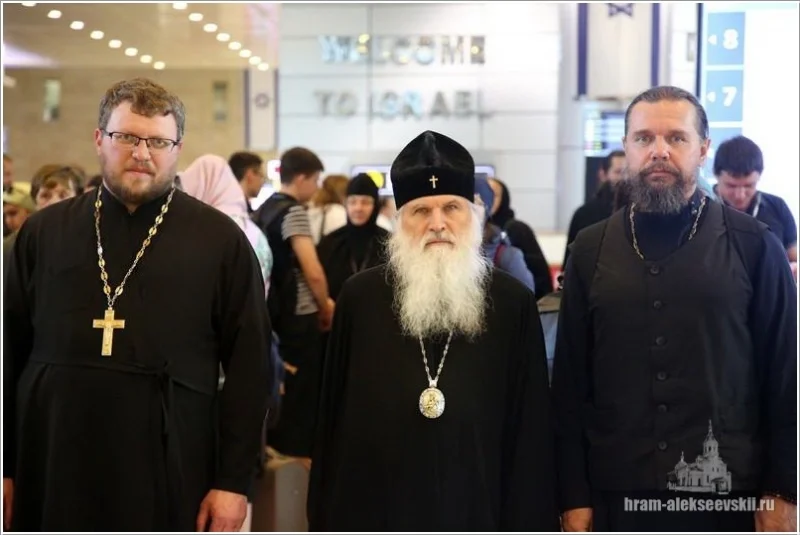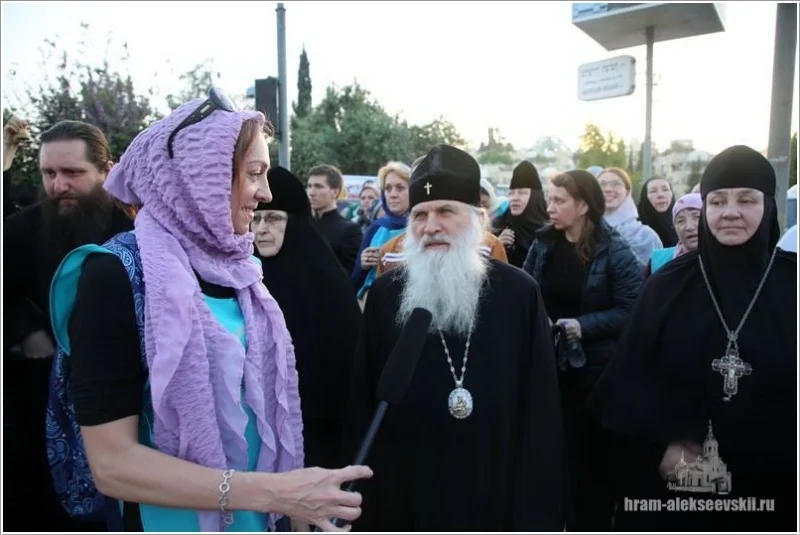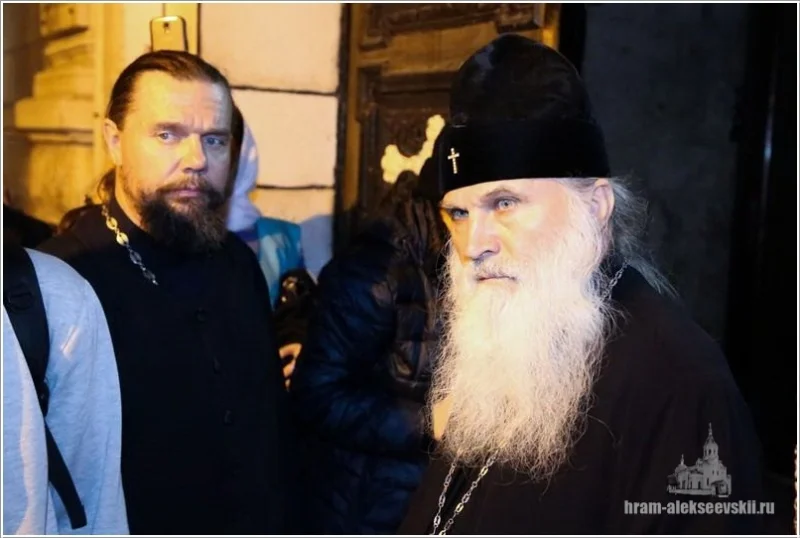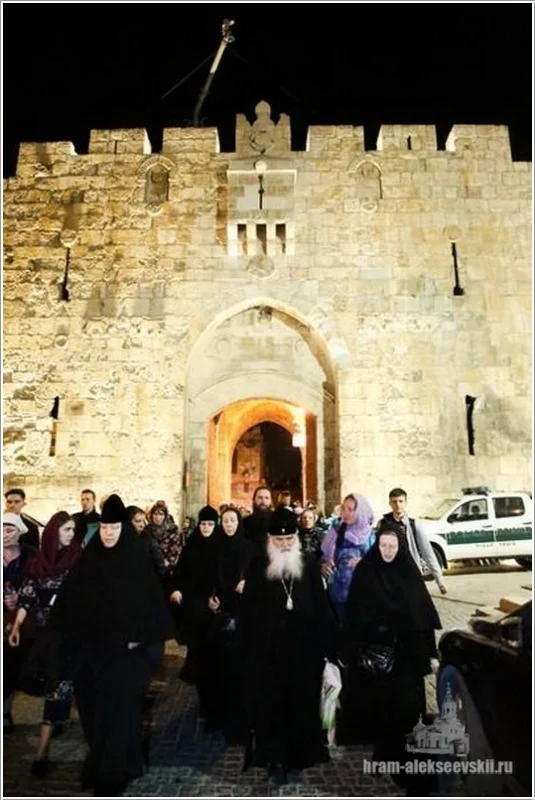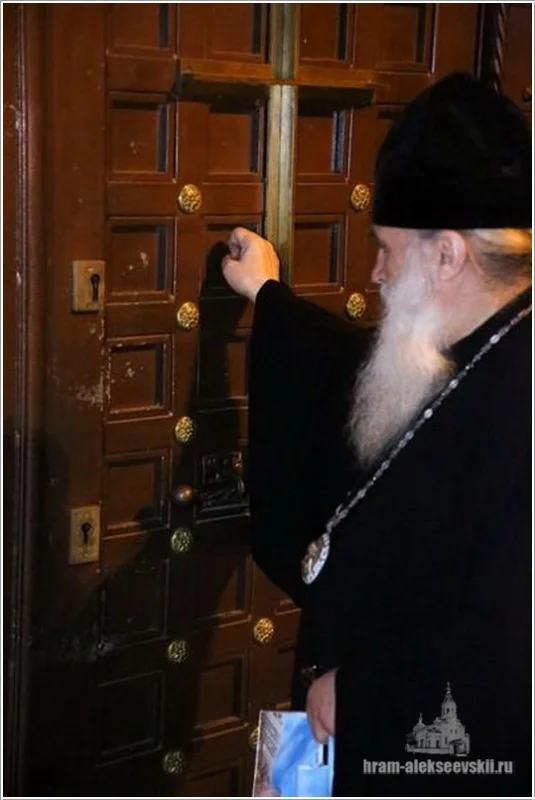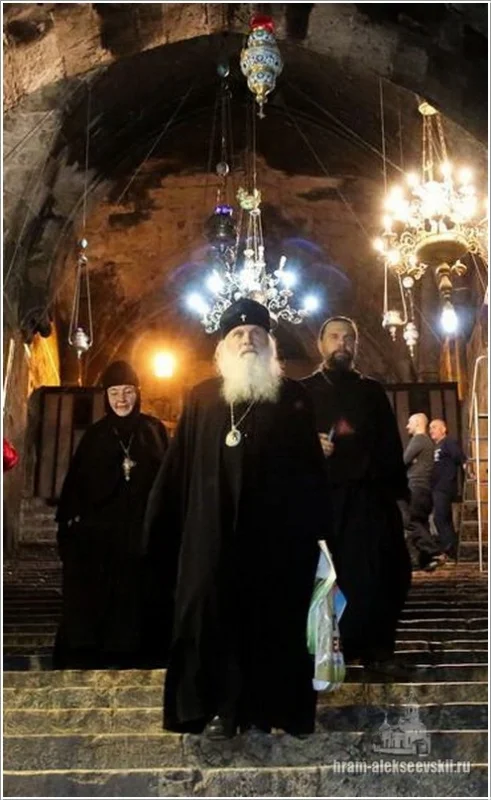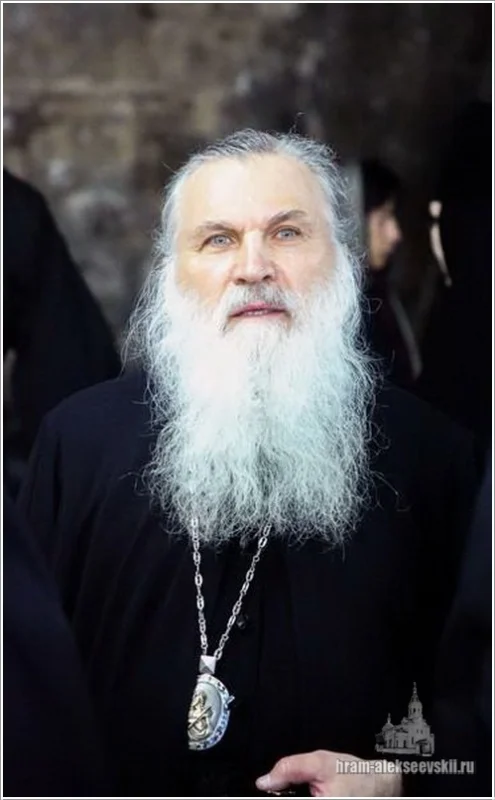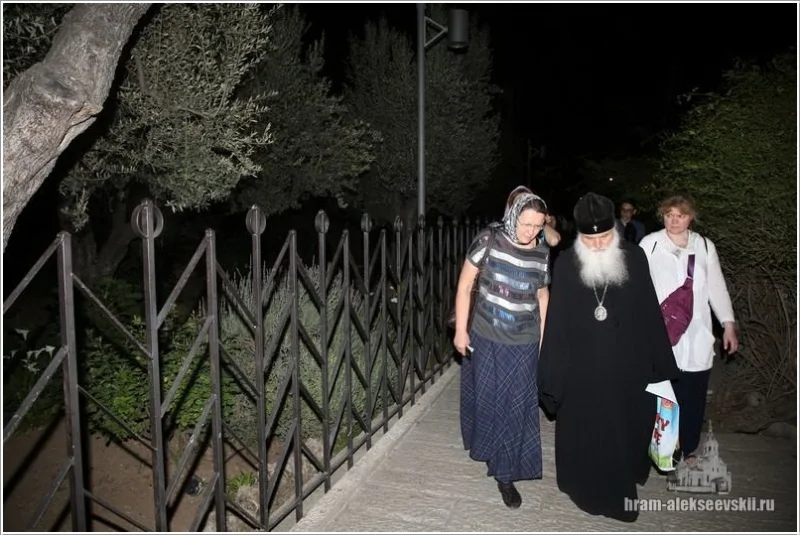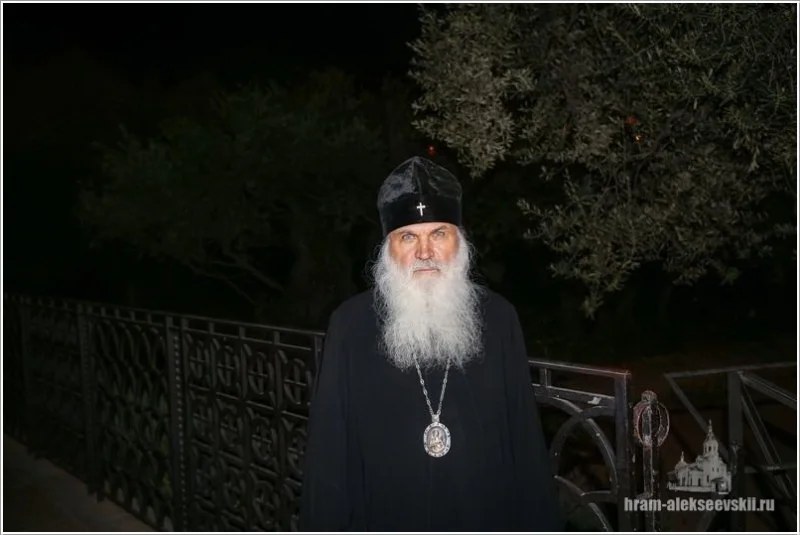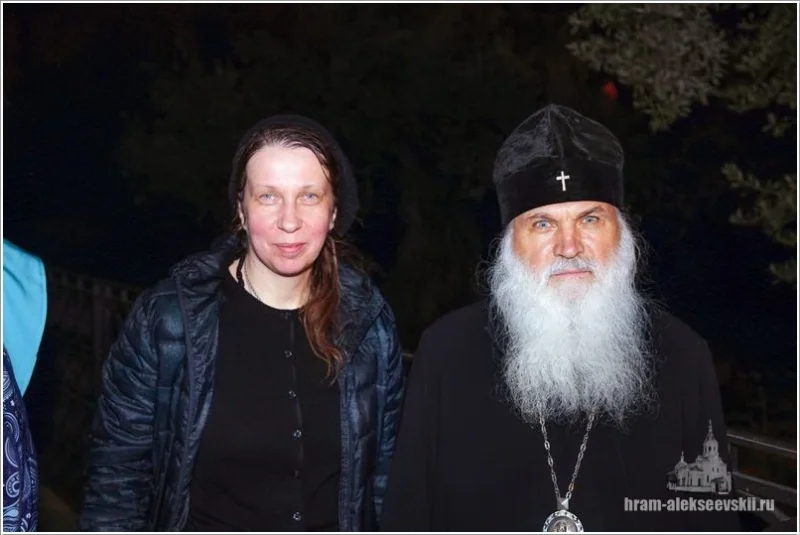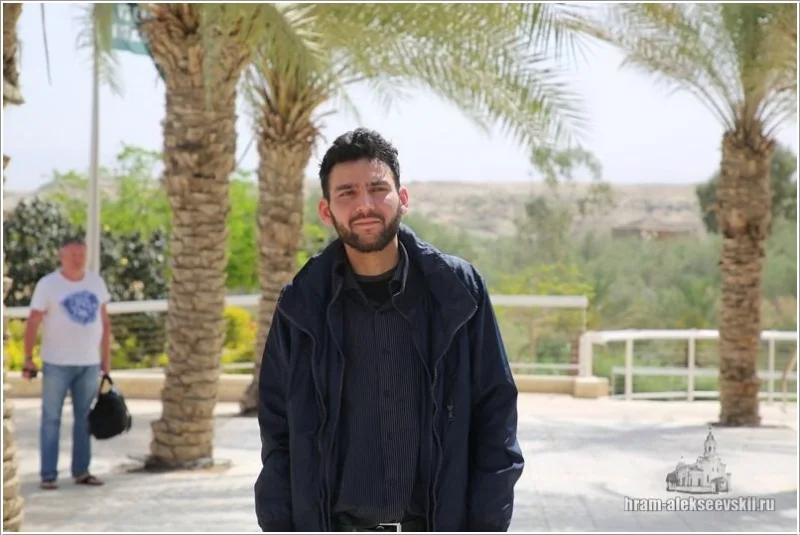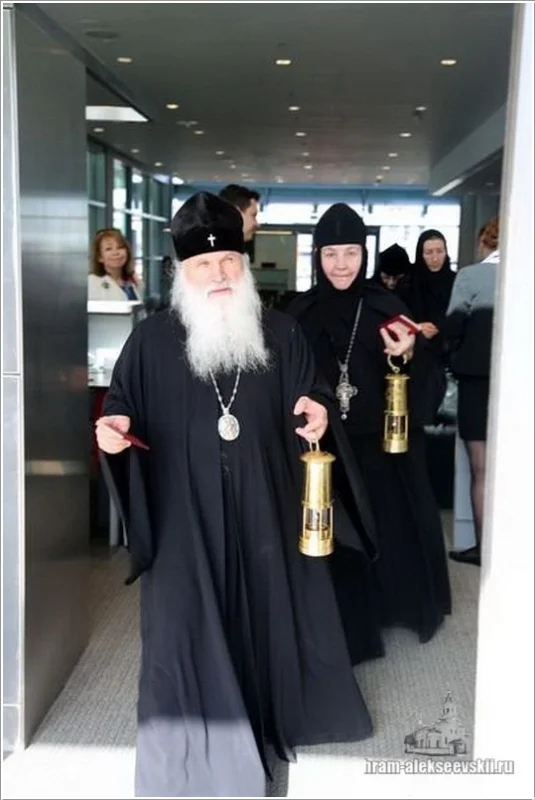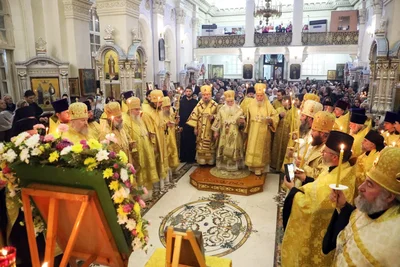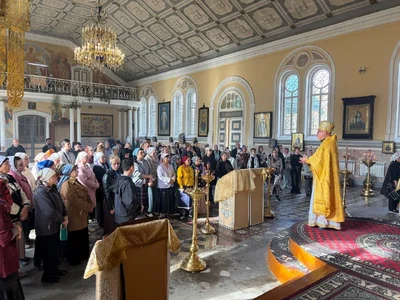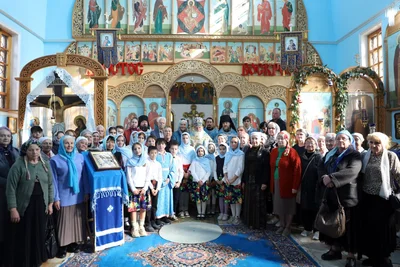
On 6-7 April 2018, on the eve of the Bright Feast of the Resurrection of Christ, pilgrims of the Central Asian Metropolitan District led by Metropolitan Vikenty of Tashkent and Uzbekistan made a pilgrimage to the Holy Land.
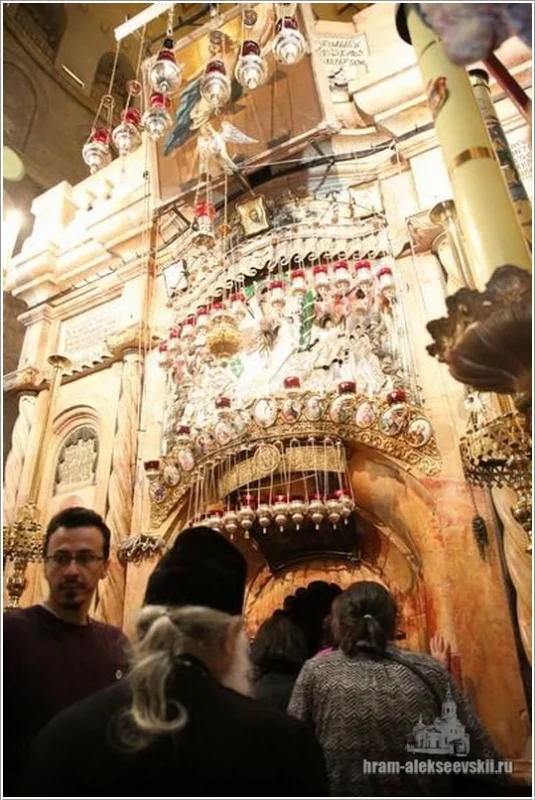
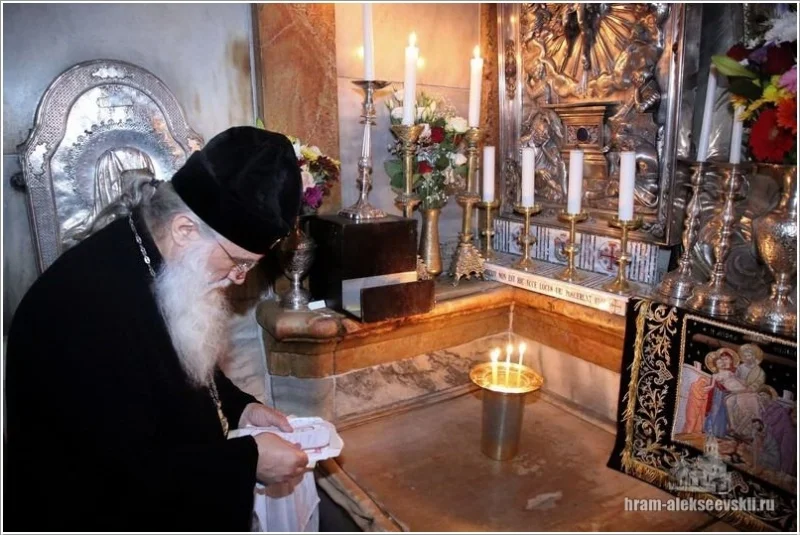
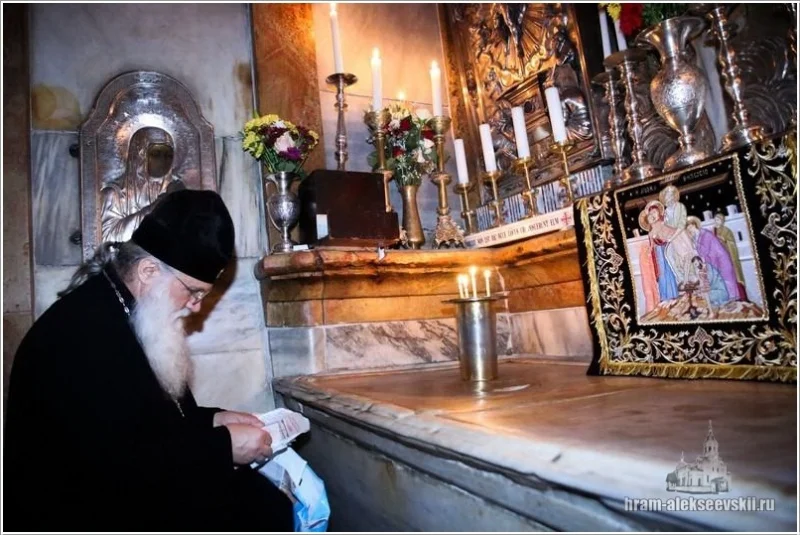
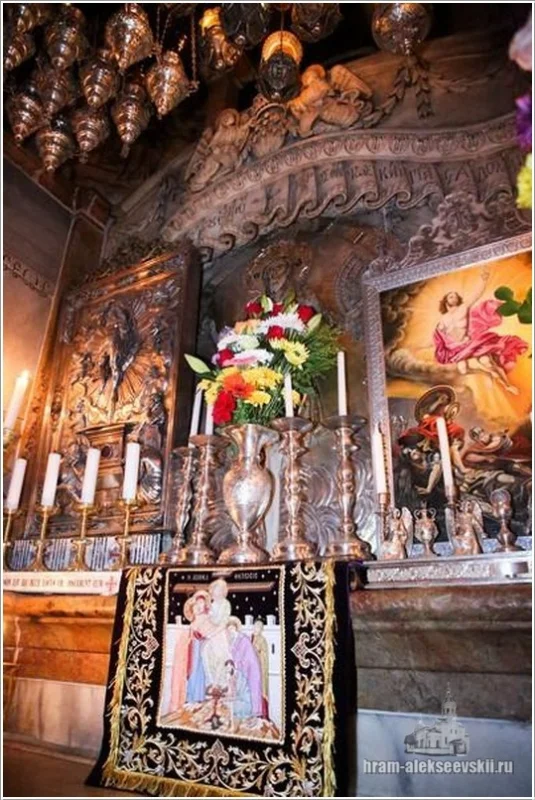
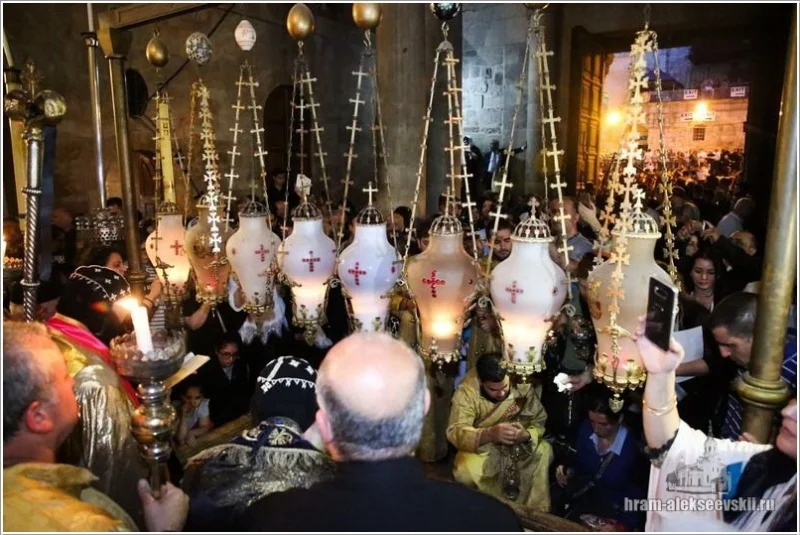
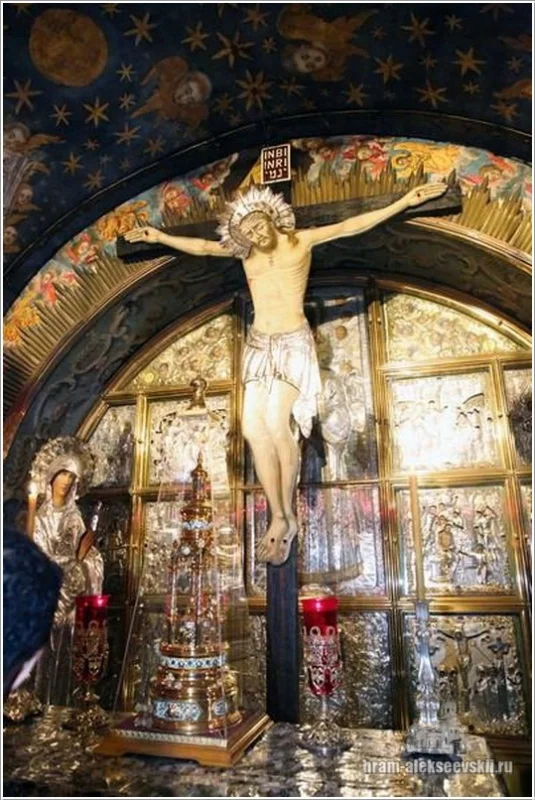
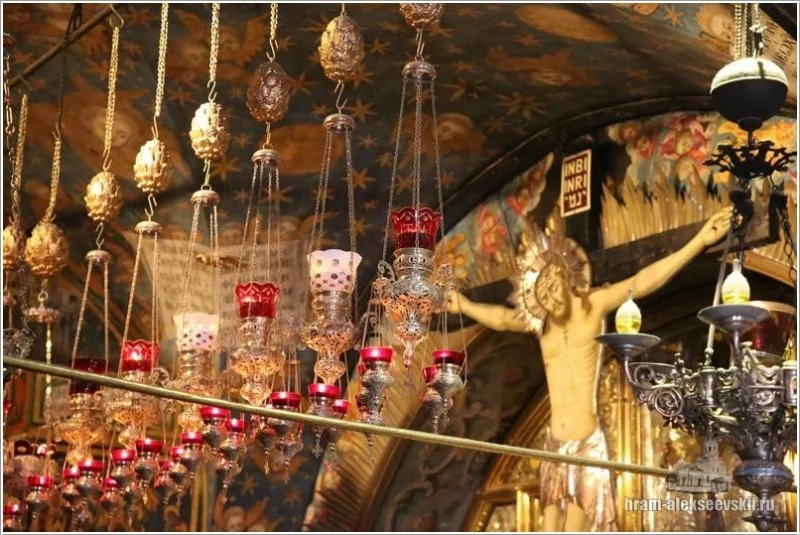
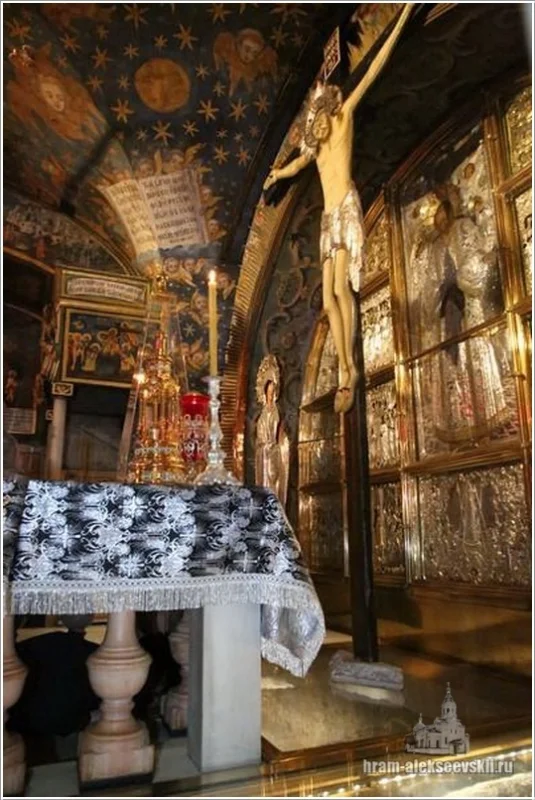
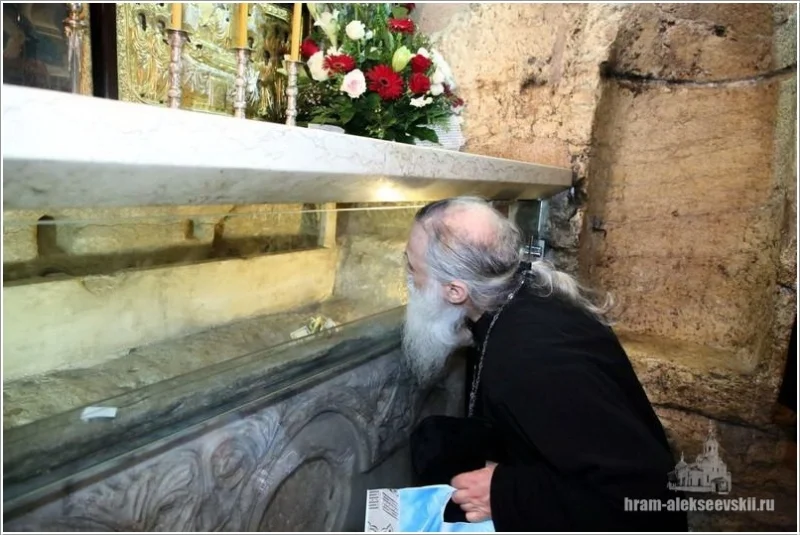
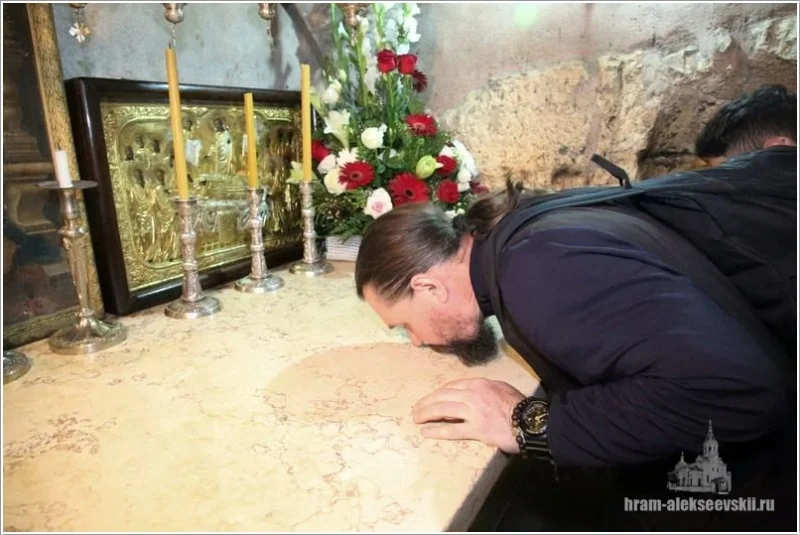
On arrival at Tel Aviv airport, the pilgrims set off for Jerusalem. The first stop on the pilgrimage programme was the Church of the Resurrection of Christ, where they were able to venerate the Stone of Anointing, to pray at the very place on Golgotha where Christ was crucified, and to pray by the Kouvouklion, the place where the body of Christ was laid and where He gloriously rose again.
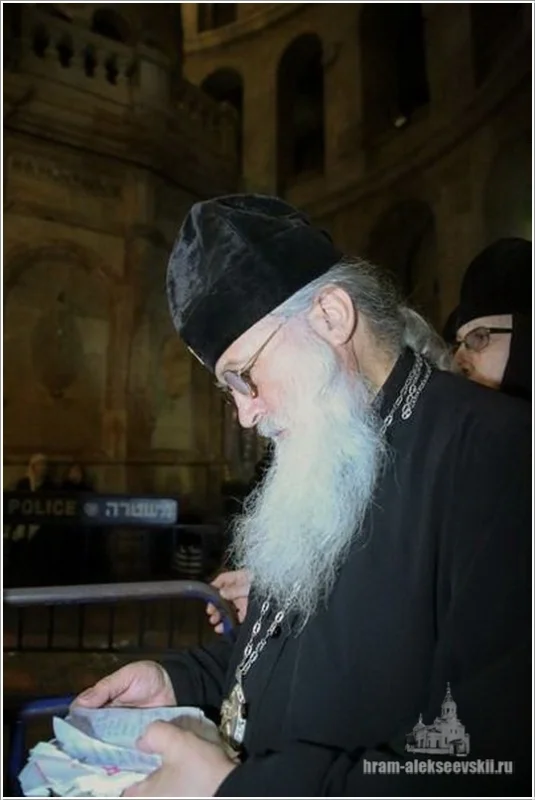
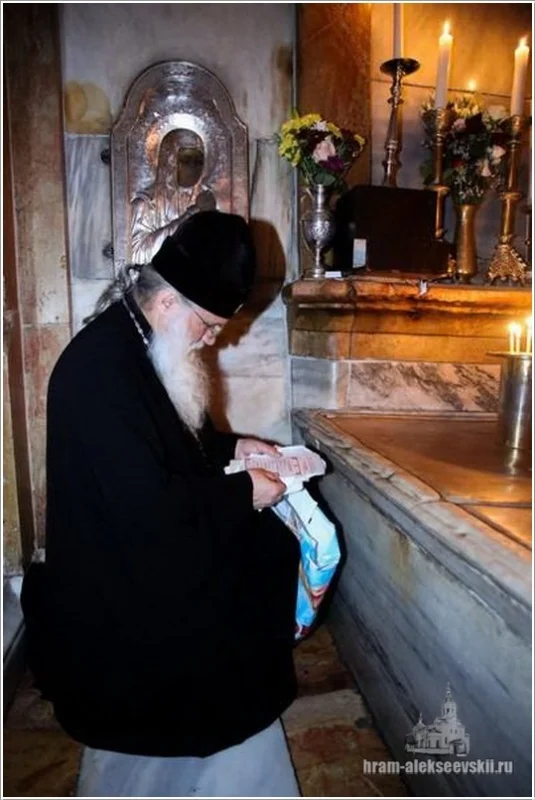
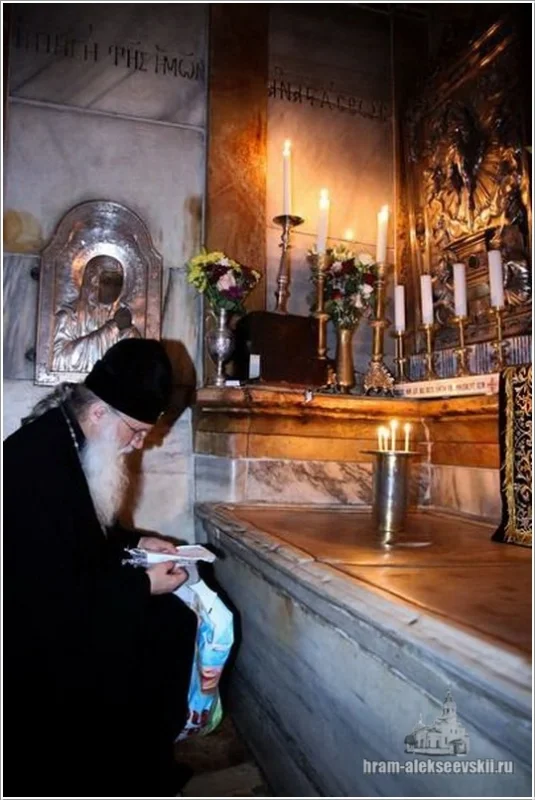
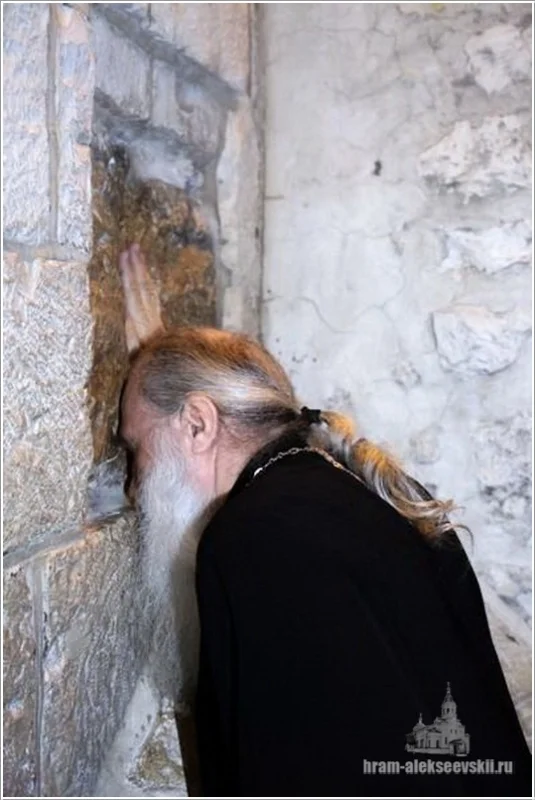
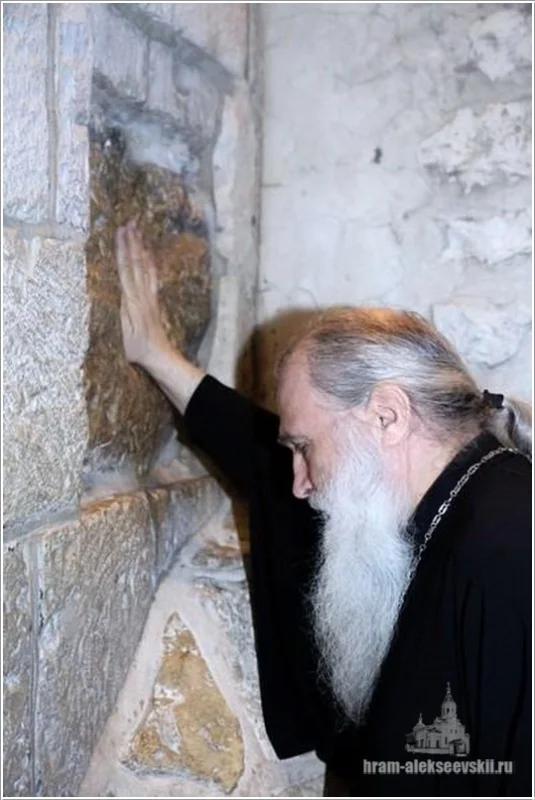
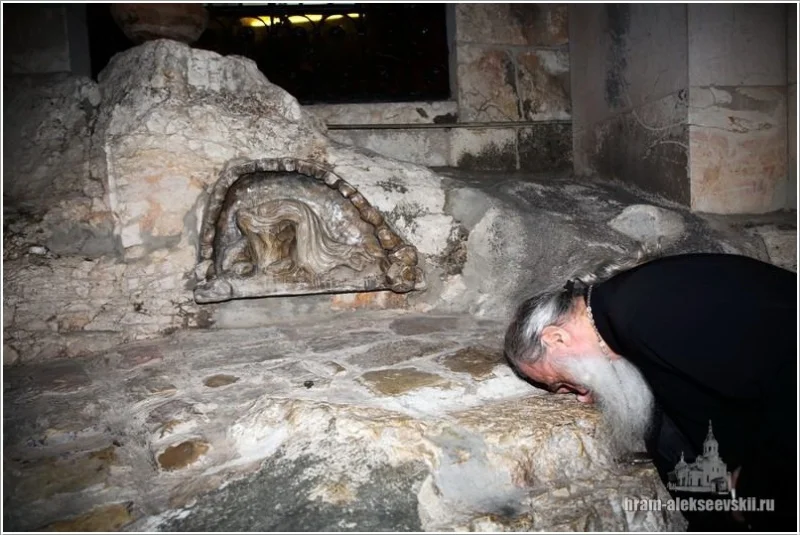
By God's will, Metropolitan Vikenty and several other pilgrims were granted to pray at the very place in the Kouvouklion where the body of the Saviour was laid. His Eminence prayed for all who had asked him to pray for them, and prayed for peace in our Central Asian Metropolitan District.
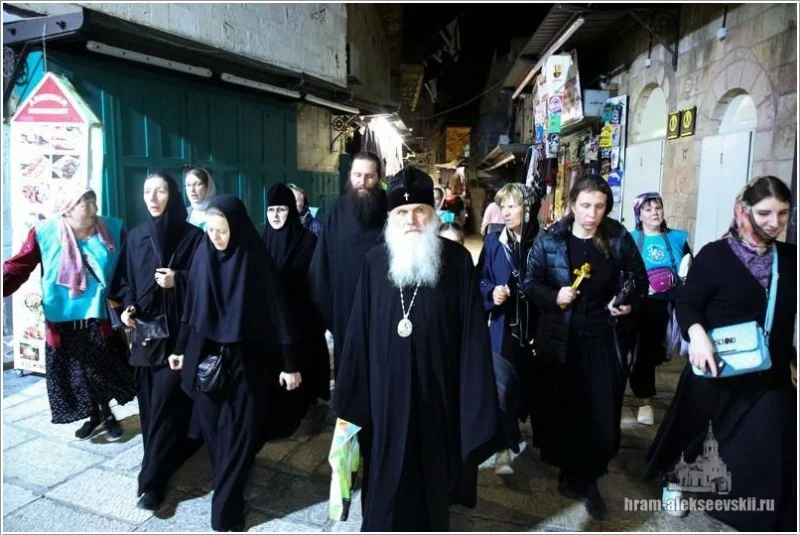
From the Church of the Holy Sepulchre the group headed for the Mount of Olives, but first the pilgrims walked the Via Dolorosa, the places connected with the last sorrowful hours of the life of the Lord Jesus Christ.
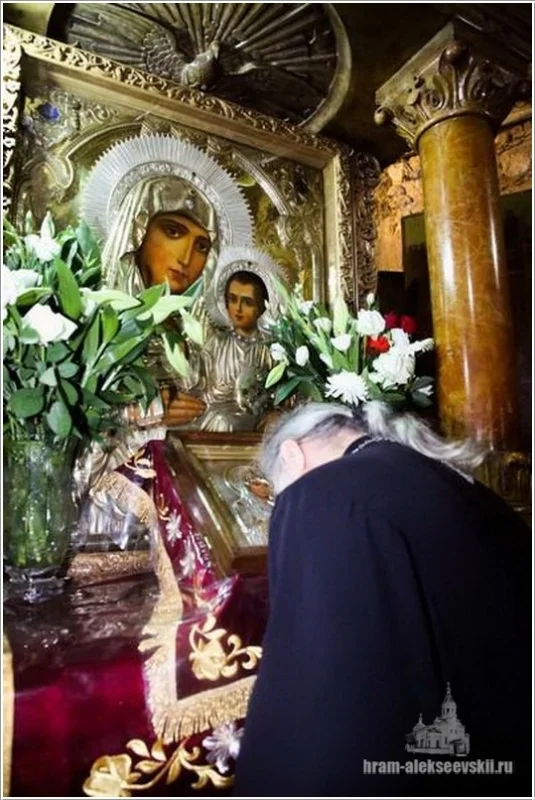
Leaving the city of Jerusalem and crossing the bridge over the Kidron brook, the pilgrims visited the Orthodox Church of the Dormition of the Theotokos in Gethsemane. Here they venerated the place where, according to Tradition, the Virgin Mary was buried after her Dormition and from which she rose from the dead, and prayed before the wonderworking Jerusalem Icon of the Mother of God. According to Venerable Paisios the Athonite, who has been glorified among the saints, this holy image is the closest to the original appearance of the Queen of Heaven when she appeared to the saint.
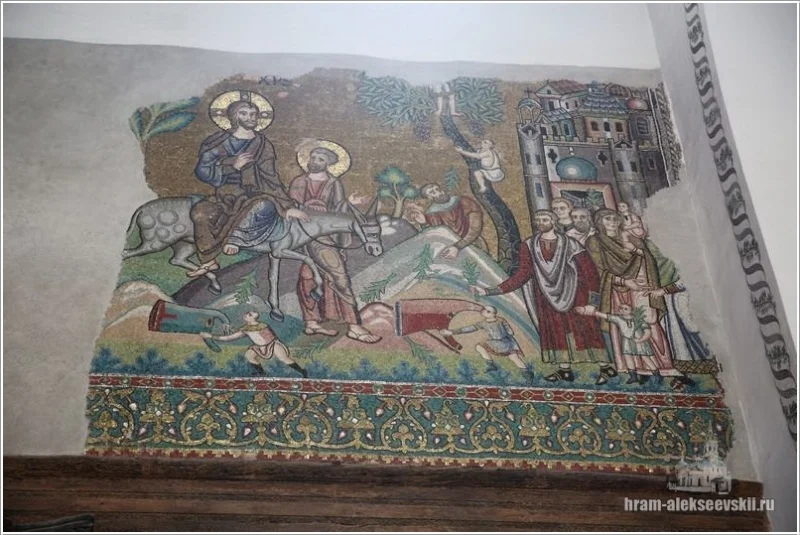
The pilgrims' next stop was the Church of St. Mary Magdalene, which stands in a picturesque spot on the Mount of Olives. Here rest the relics of the Venerable Martyr Elizabeth Feodorovna (Romanova) and the nun Barbara. It is noteworthy that down the steps leading to this church from Gethsemane the Saviour, the King of Peace, rode on a donkey when the people met Him crying out: "Hosanna in the highest! Blessed is He who comes in the name of the Lord."
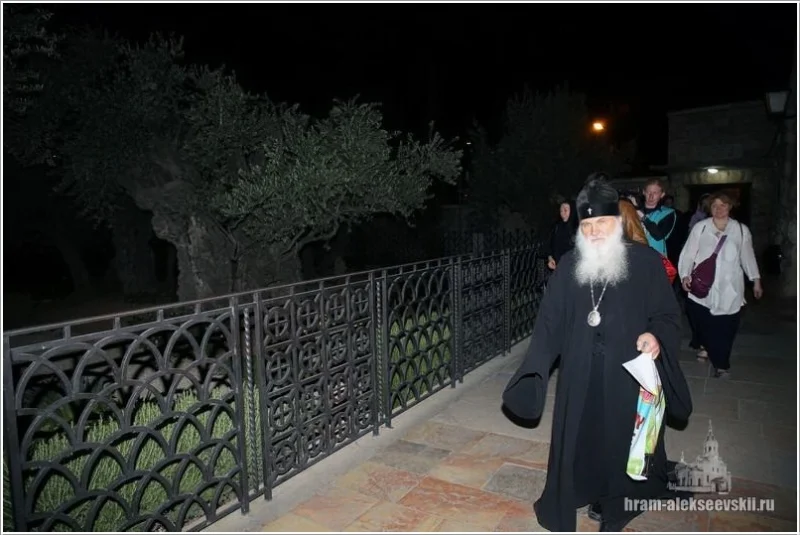
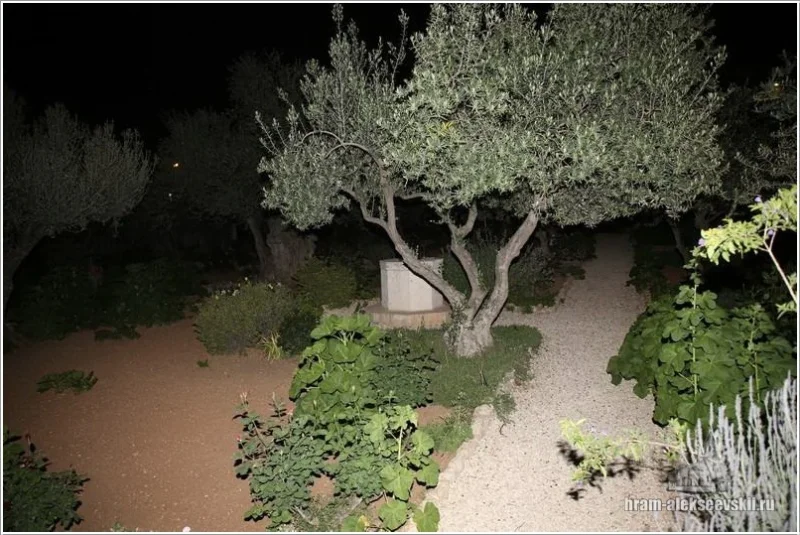
After visiting the Church of Mary Magdalene, the pilgrims went down the Mount of Olives into the Garden of Gethsemane, saw with their own eyes the very olive trees which most likely witnessed the Saviour's fervent prayer about the Cup, and venerated the very place where Christ prayed.
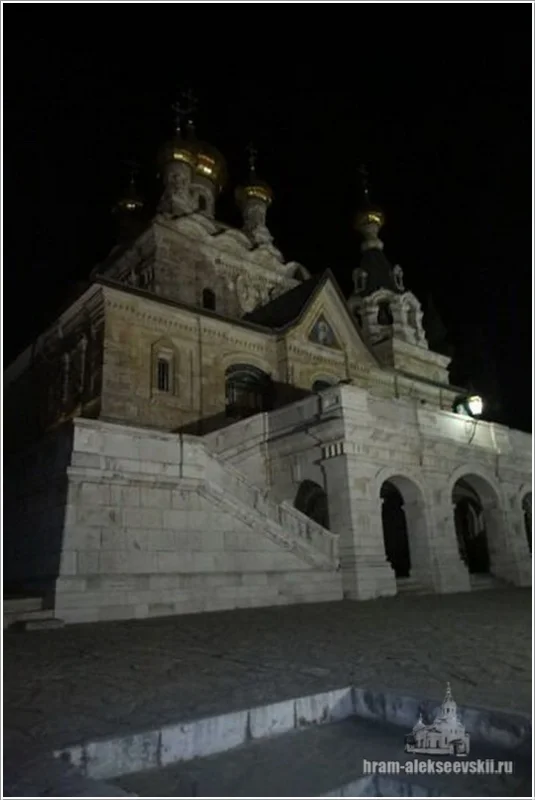
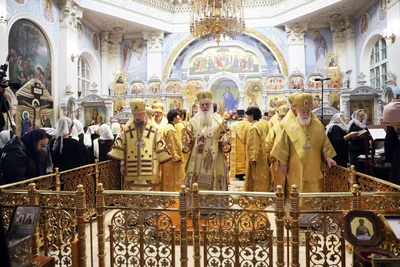
From there they went to the hotel, and towards midnight the pilgrims set out for the Holy Trinity Cathedral of the Russian Ecclesiastical Mission to take part in the service of Holy Saturday and of the feast of the Annunciation of the Most Holy Theotokos.
Having partaken of the Holy Mysteries of Christ, everyone went back to the hotel for a short rest, and at 8 o'clock in the morning they were all seated in comfortable coaches heading for Bethlehem. Meanwhile Metropolitan Vikenty of Tashkent and Uzbekistan, head of the Central Asian Metropolitan District, accompanied by several pilgrims, went to the Church of the Holy Sepulchre.
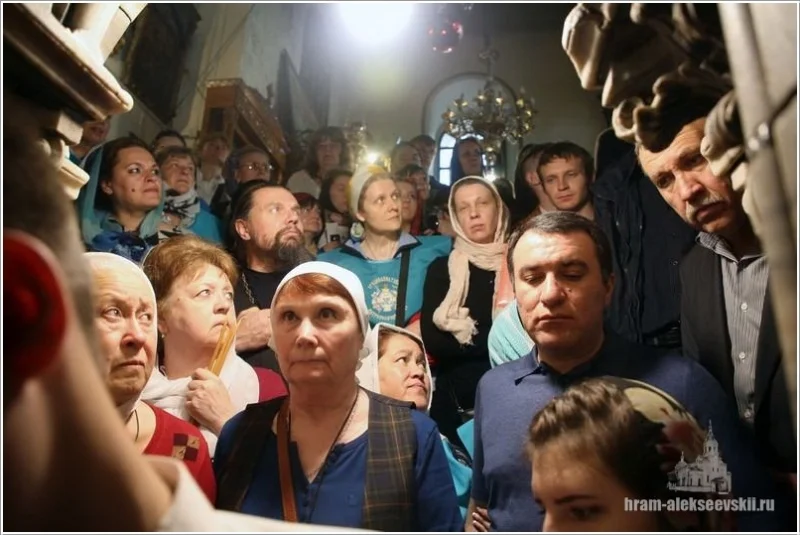
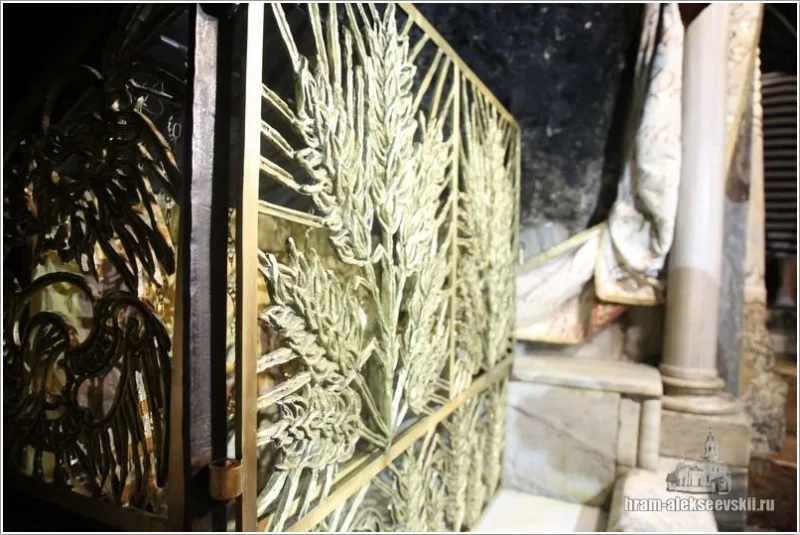
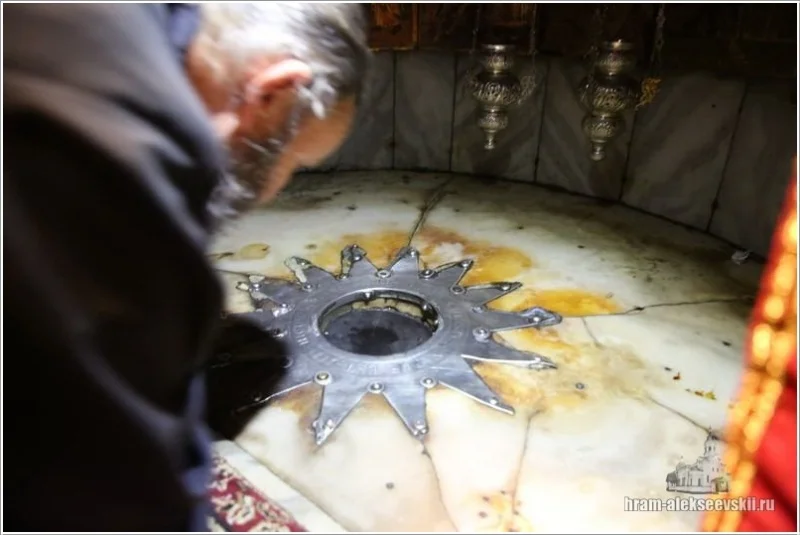
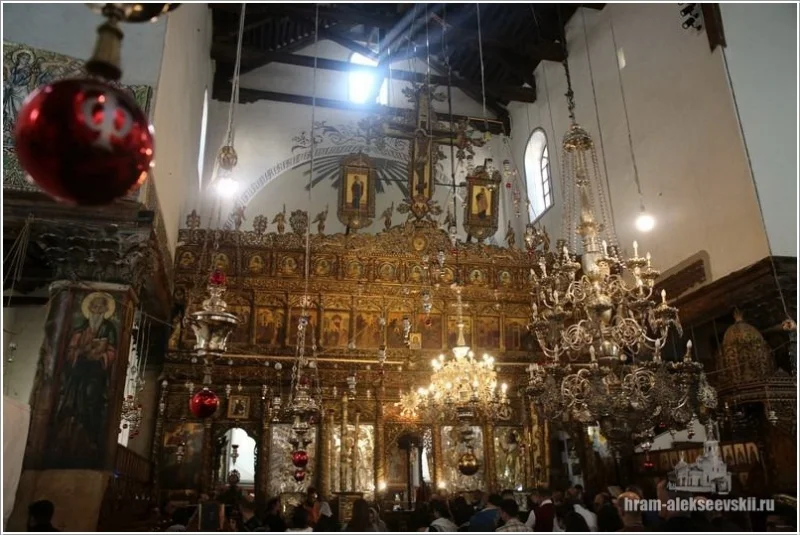
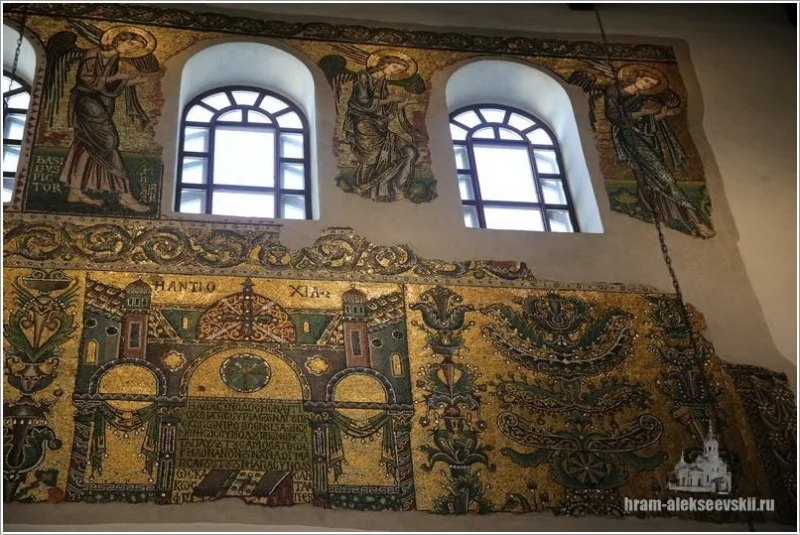
In Bethlehem everyone was granted to visit the Church of the Nativity and to pray at the very place where our Lord and God Jesus Christ was born.
The first church over the cave venerated by believers as the birthplace of Jesus was built in the 330s by order of Emperor Constantine the Great; it was consecrated on 31 May 339.
The present building of the Church of the Nativity is the only Christian church in Palestine that has survived intact from the pre-Muslim period.
The church also holds a wonderworking icon of the Most Holy Theotokos called the "Bethlehem" icon. It is perhaps the only image of the Mother of God in which she is depicted smiling.
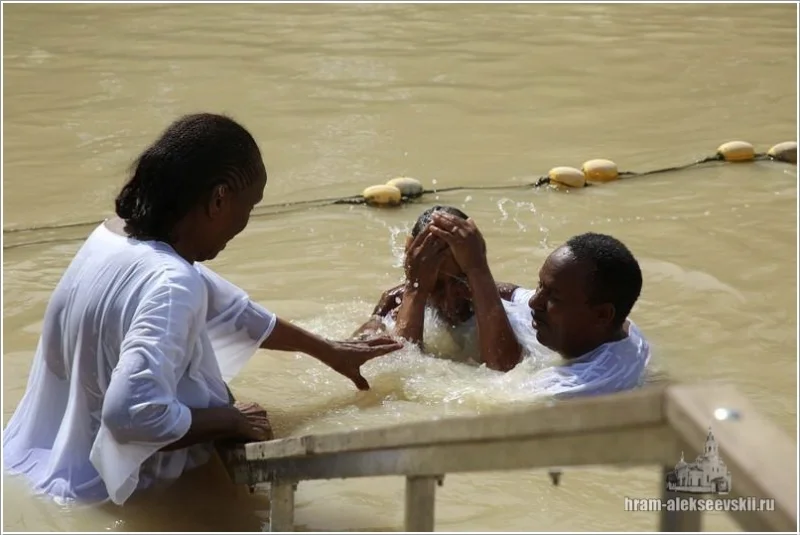
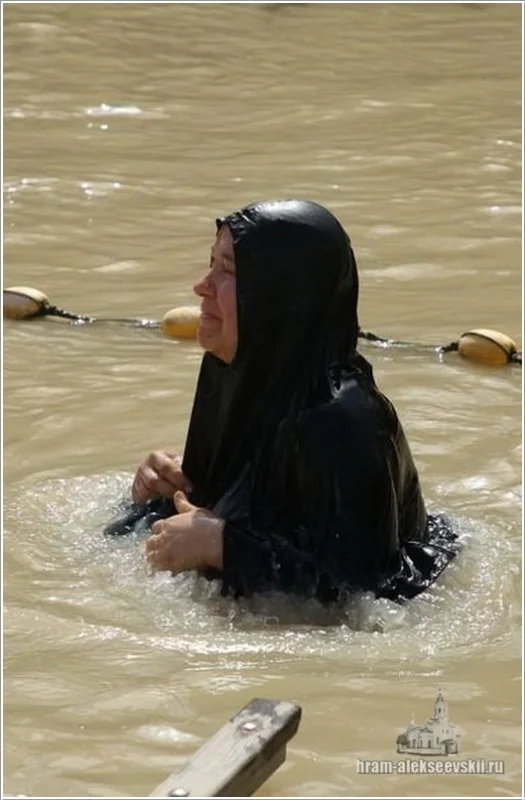
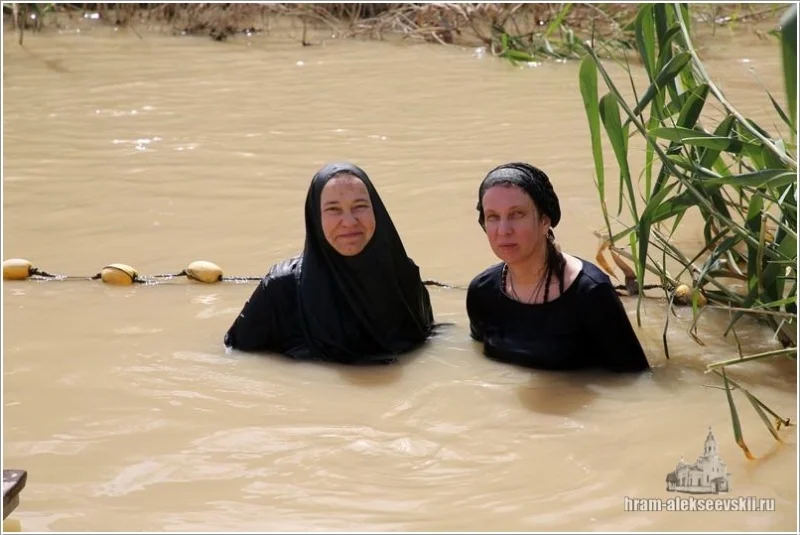
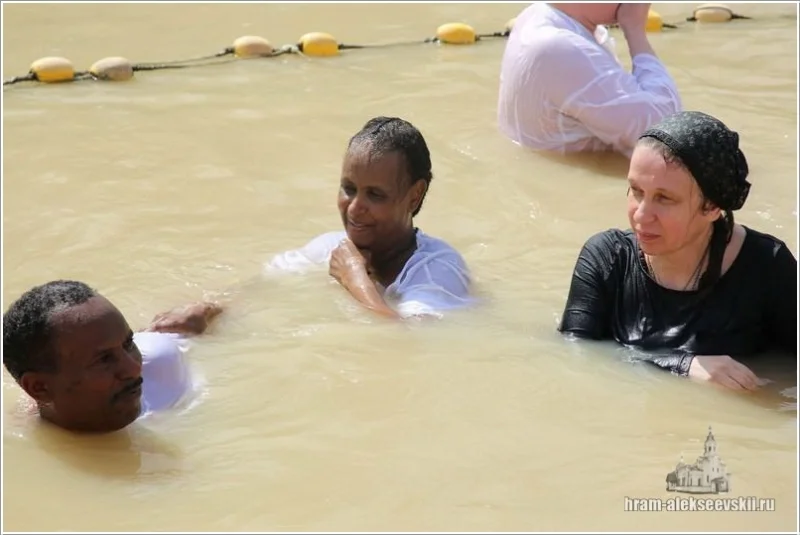
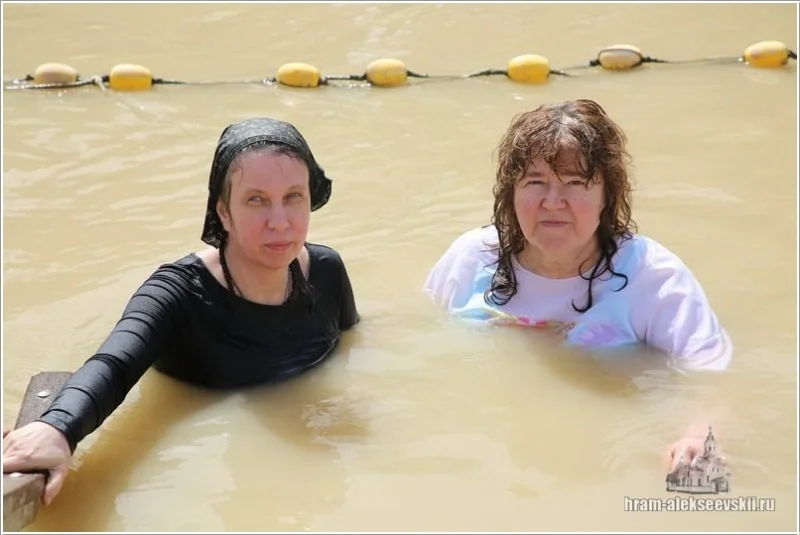
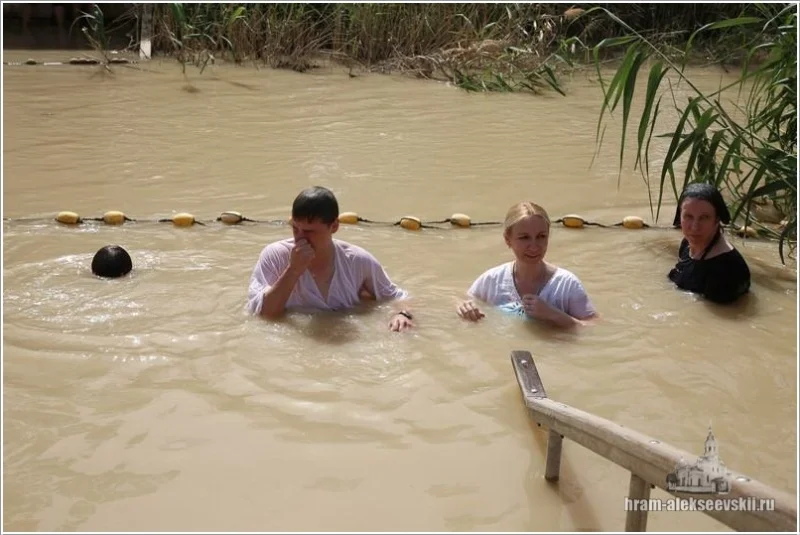
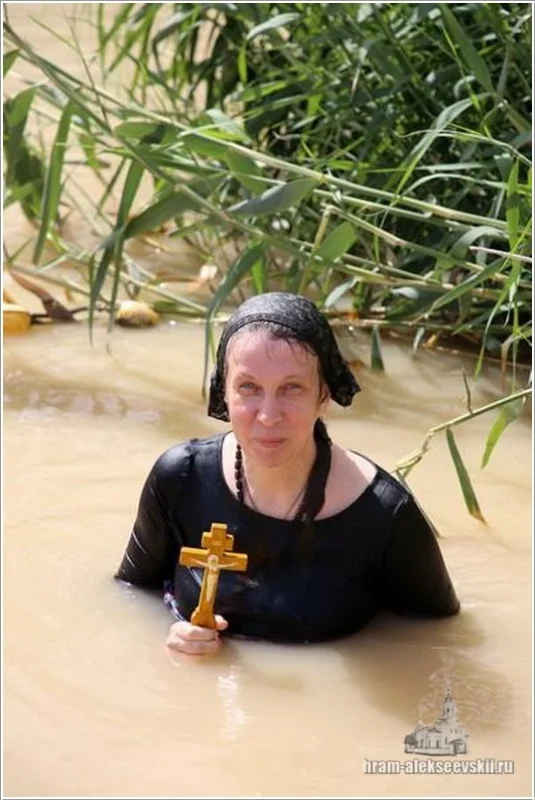
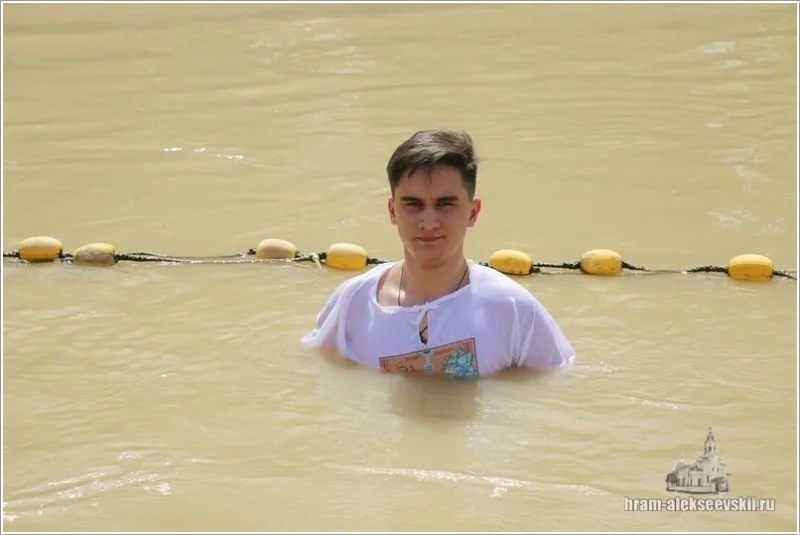
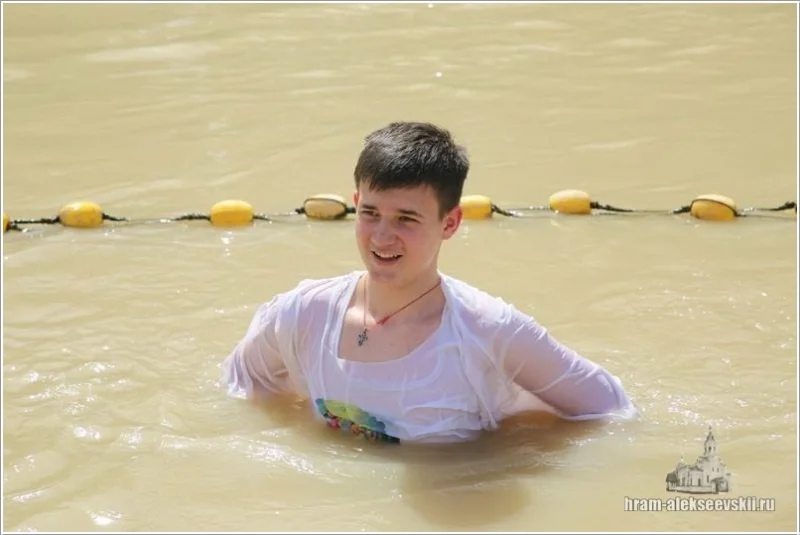
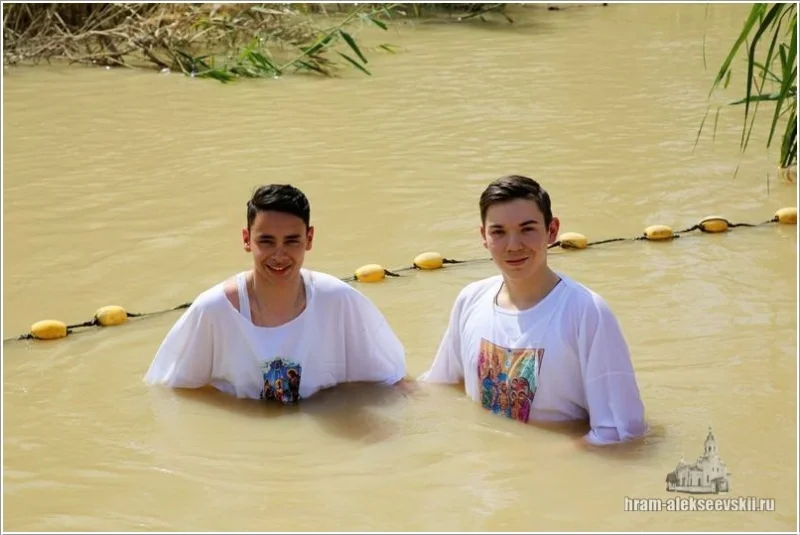
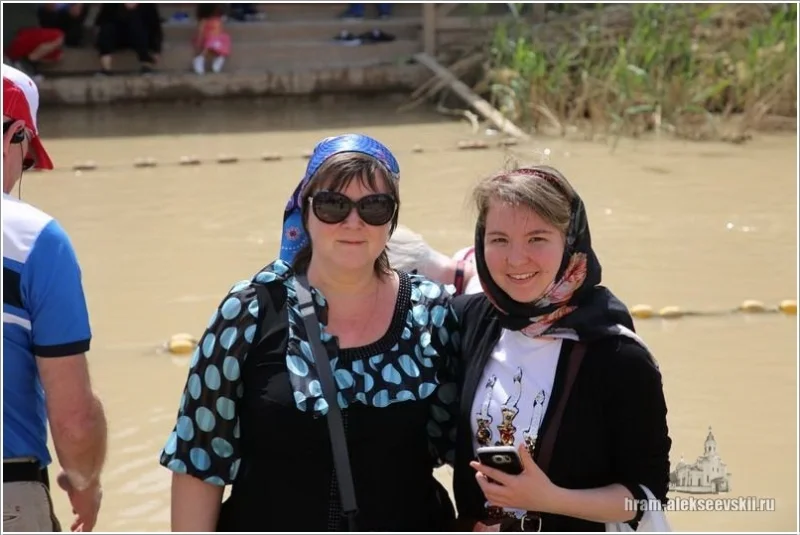
Having partaken of God's grace, the pilgrims went on to the Jordan to immerse themselves in the waters of the river. It was here that Jesus Christ was baptized by John the Baptist.
"Then Jesus came from Galilee to John at the Jordan to be baptized by him. And John tried to prevent Him, saying, 'I need to be baptized by You, and are You coming to me?' But Jesus answered and said to him, 'Permit it to be so now, for thus it is fitting for us to fulfill all righteousness.' Then he allowed Him. When He had been baptized, Jesus came up immediately from the water; and behold, the heavens were opened to Him, and He saw the Spirit of God descending like a dove and alighting upon Him. And suddenly a voice came from heaven, saying, 'This is My beloved Son, in whom I am well pleased'" (Matt. 3:13-17).
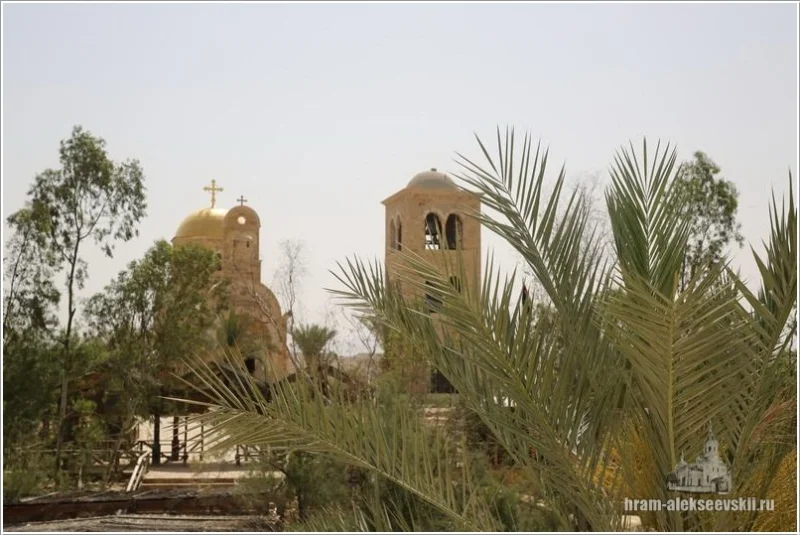
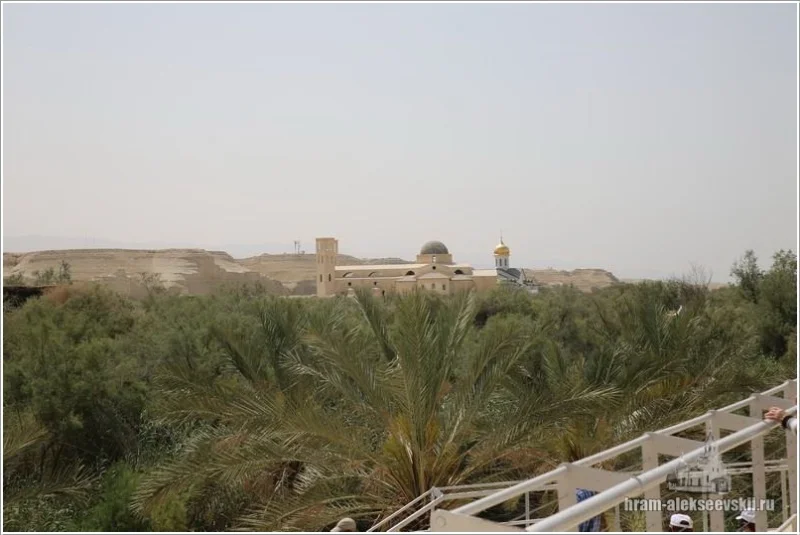
The last destination of this brief pilgrimage to the Holy Land was the Monastery of Venerable Gerasimus of the Jordan.
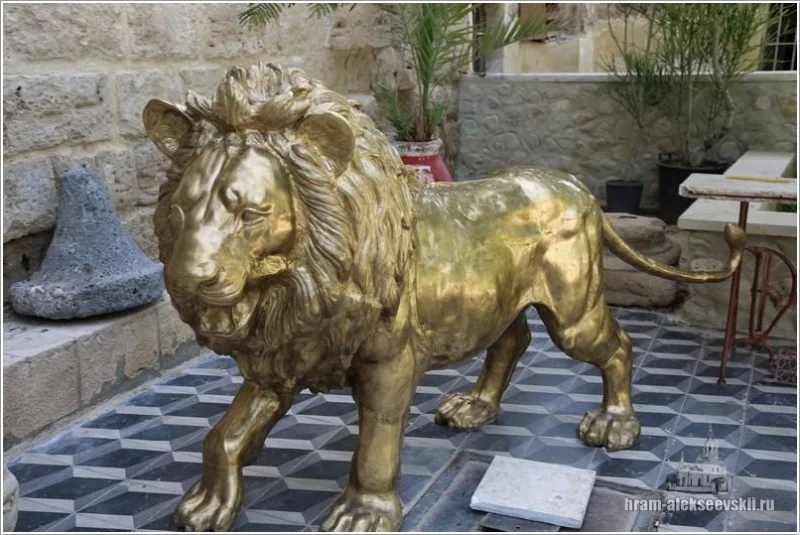
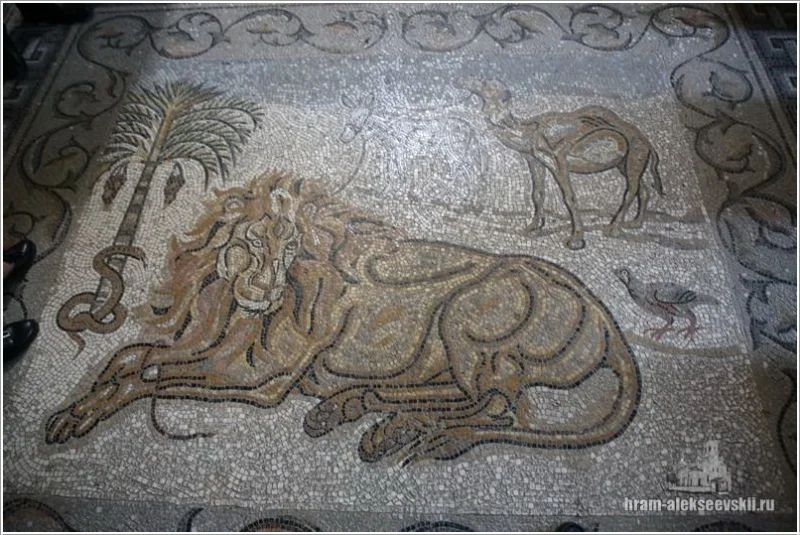
The convenient location of the monastery, south-east of Jericho and not far from the actual site of the Baptism of the Lord on the Jordan River, makes it a sought-after place for today's pilgrims to the Holy Land and for numerous tourists. The shady courtyard of this unique monastic building, the distinctive architecture of its ancient walls and the beautiful monastery grounds, a tropical garden steeped in the shade of oleanders, date palms and other trees, make this place a true pearl and a spiritual oasis amid the waterless desert of the Jordan Valley.
In the eastern lowland of the monastery, in the sandy, steep hills, caves have survived in which, according to Tradition, Venerable Mary of Egypt and St. Photini lived.
The traditions of the monastery go back to the flowering of Byzantium in the Holy Land, the end of the 5th century. According to Tradition, the monastery was founded around 455, and there is a rather ancient tradition that the name Kalamon means "the good abode", in memory of the Holy Family, the righteous Joseph the Betrothed and the Most Holy Theotokos with the Christ Child, who during the flight into Egypt found shelter for the night here in a cave from the pursuers of King Herod, and the Mother of God nursed the newborn Divine Infant Jesus Christ here. In memory of this event, the northern wall of the lower church of the present-day monastery bears a painting of the "Milk-Giver" icon of the Mother of God (Greek: Galaktotrophousa), an iconographic type showing the Theotokos nursing the Infant Jesus.
This tradition is partly mentioned in the most ancient description of the Holy Land, written by Hegumen Daniel in 1106.
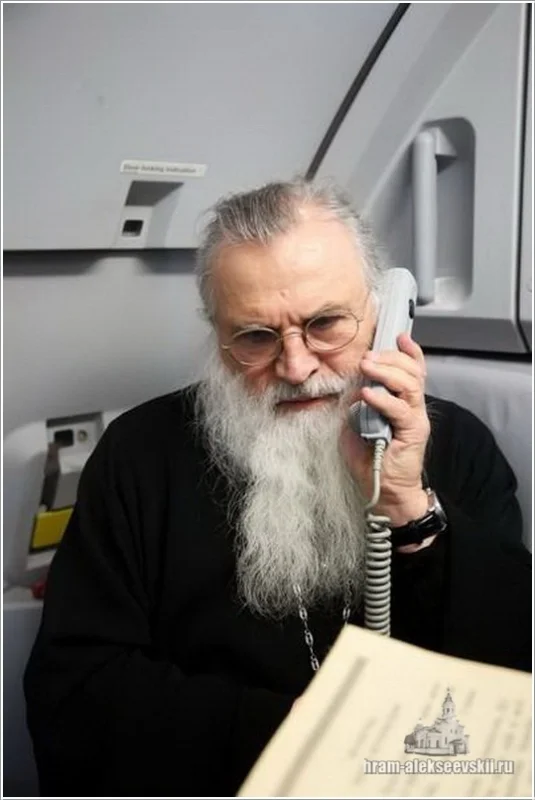
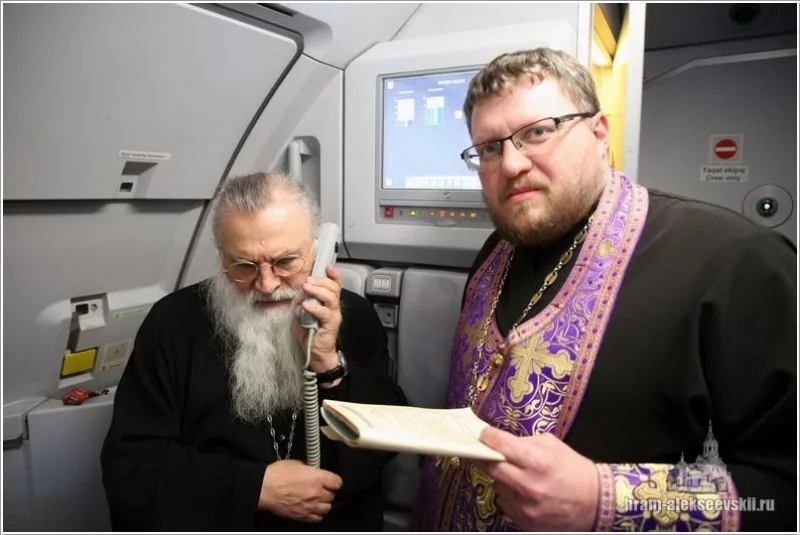
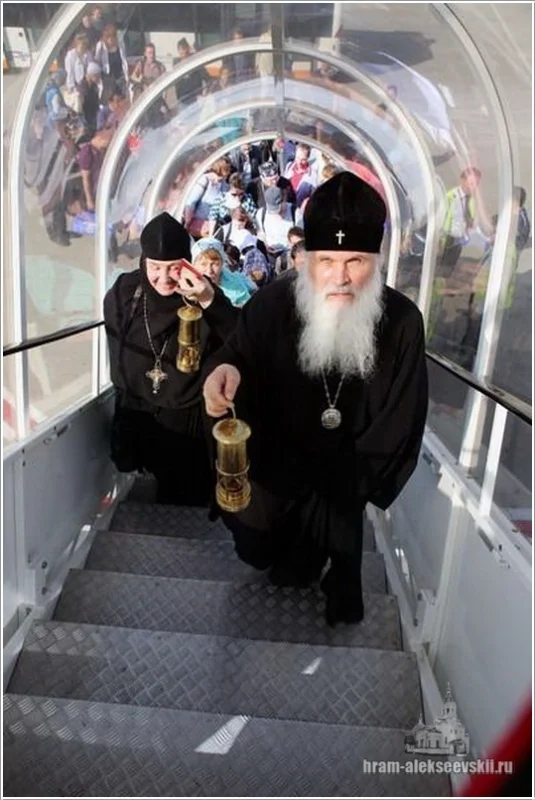
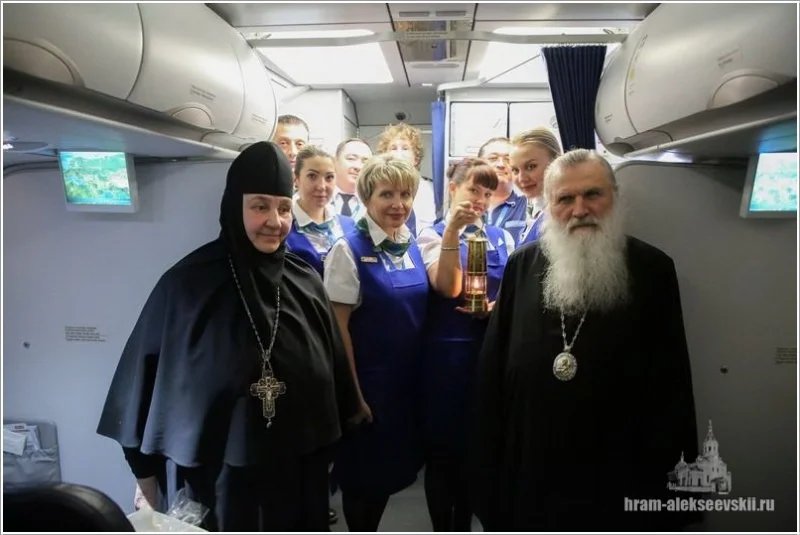
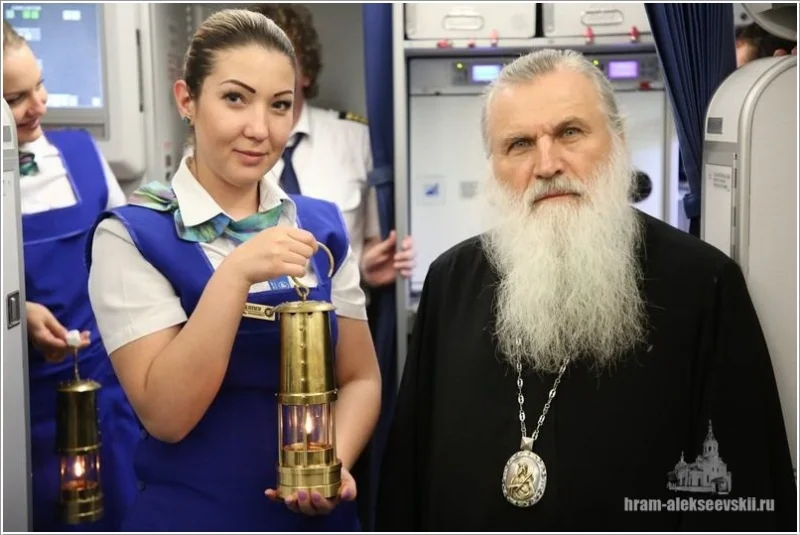
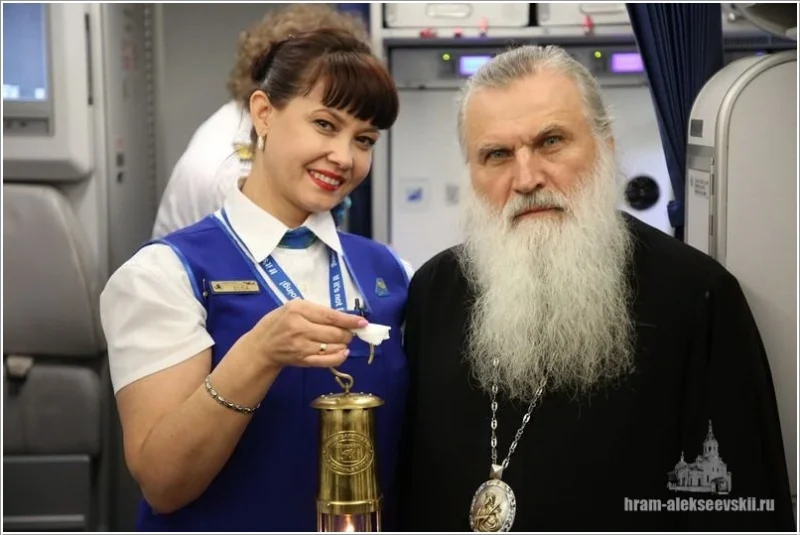
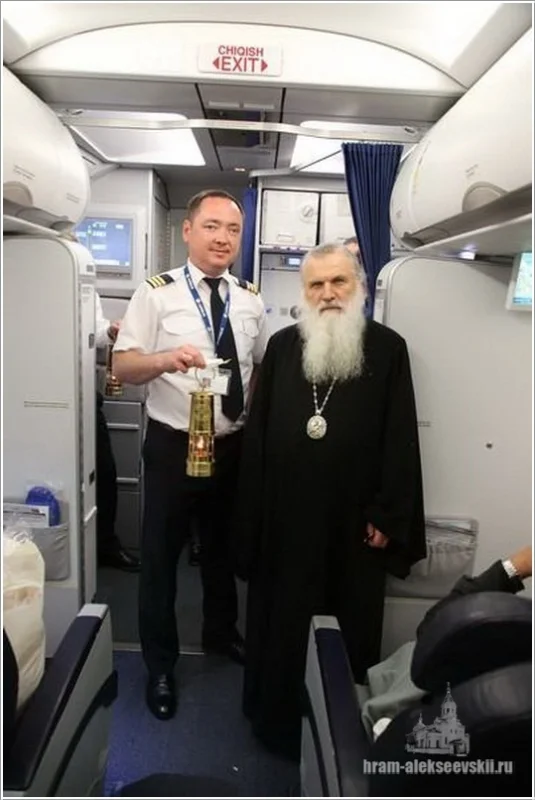
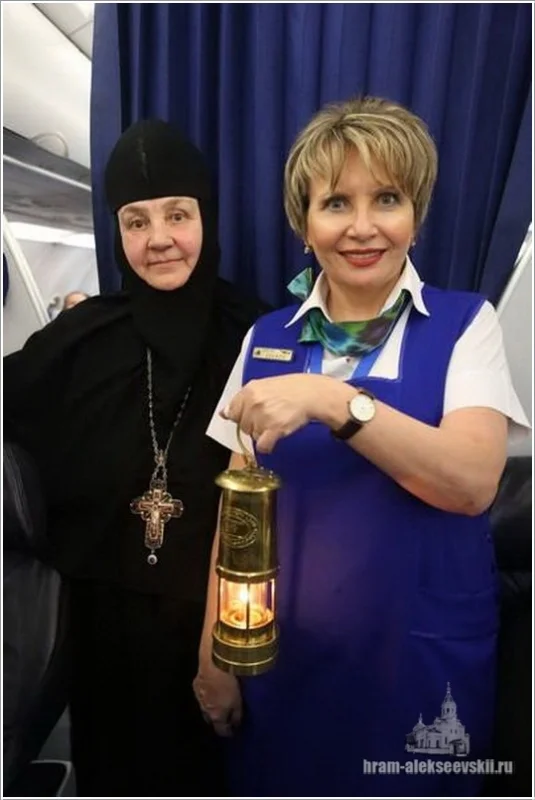
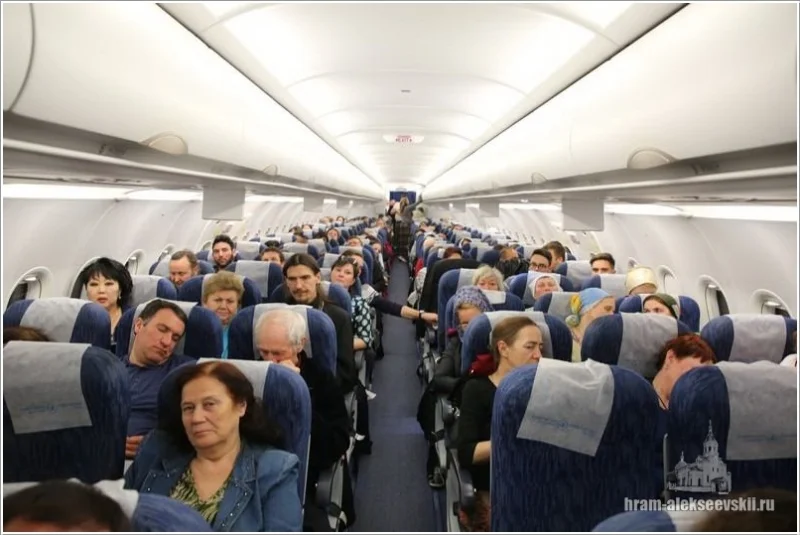
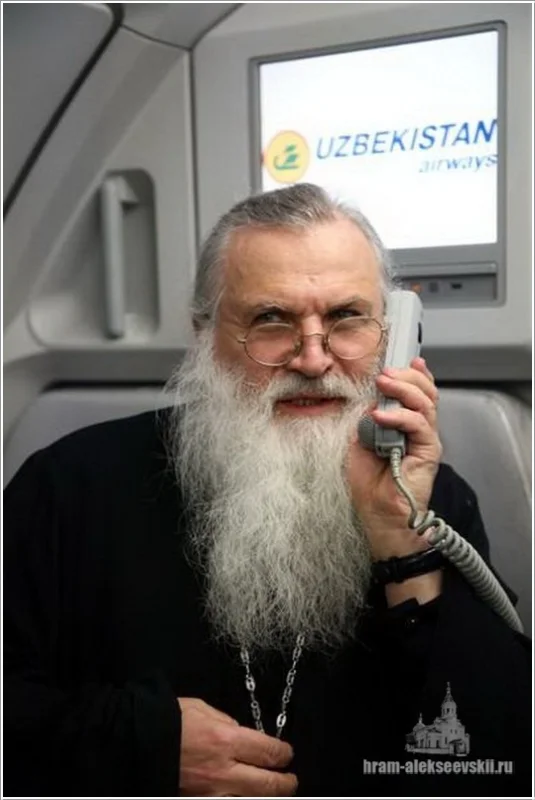
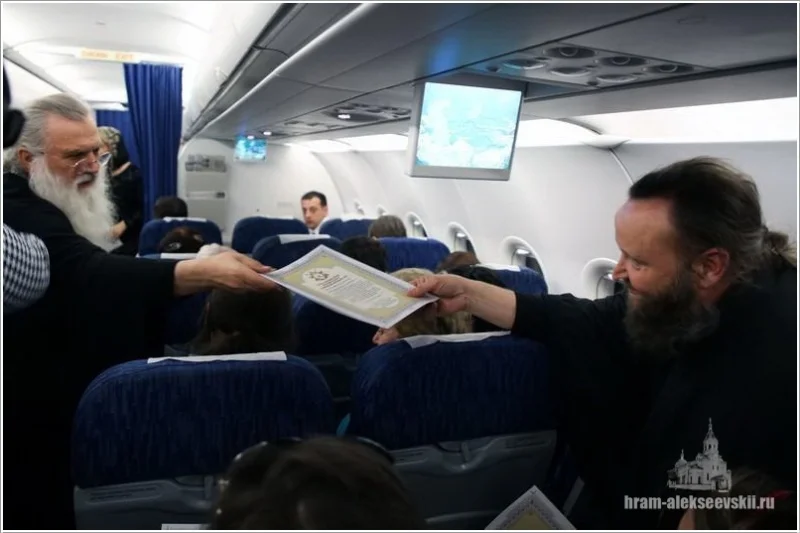
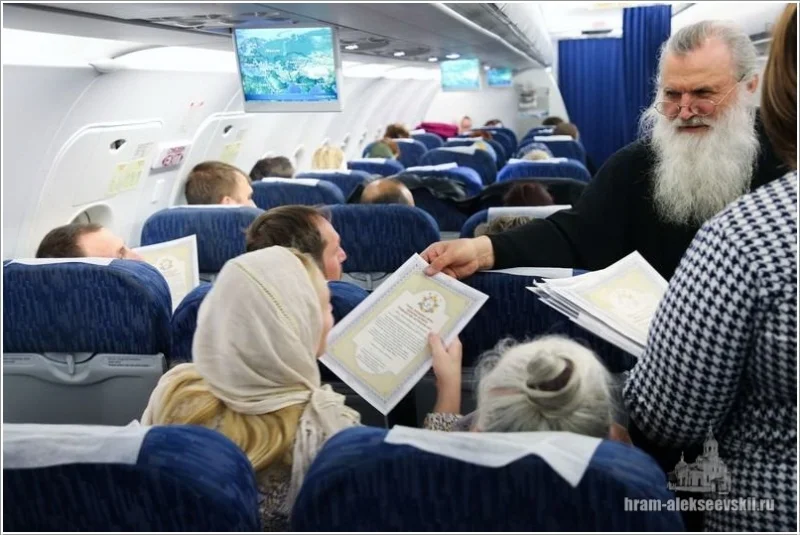
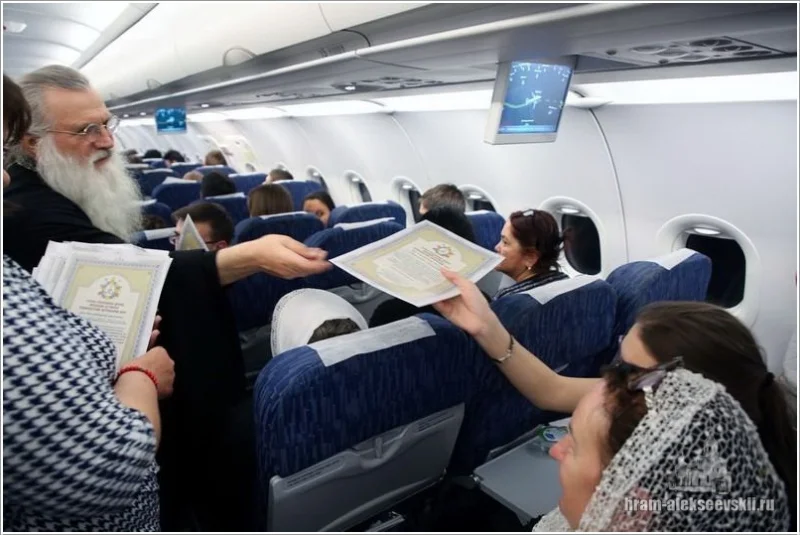
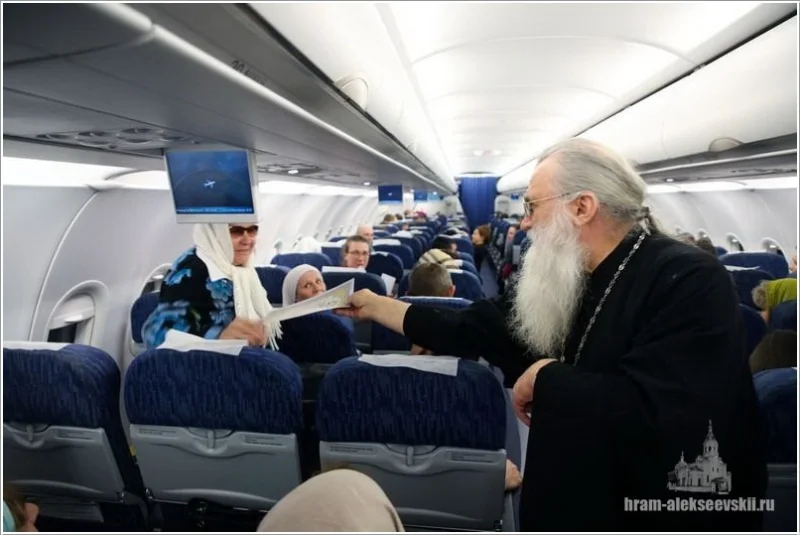
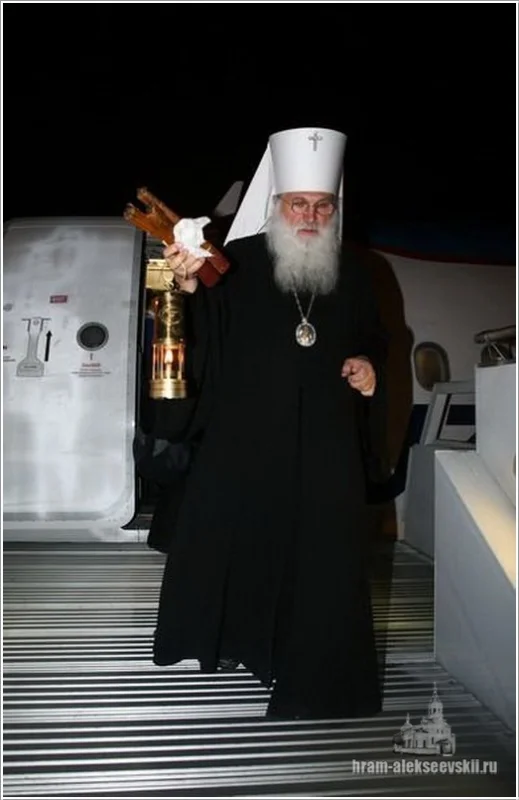
Having venerated the holy place and prayed to the Queen of Heaven, the pilgrims set off for the airport to fly to Tashkent together with the archpastor and bring the Holy Fire that had descended at the Holy Sepulchre.