8 October is the day of the repose of one of the most venerated saints of Rus', Venerable Sergius of Radonezh. He is regarded as the guardian of the Russian land and a great wonderworker.
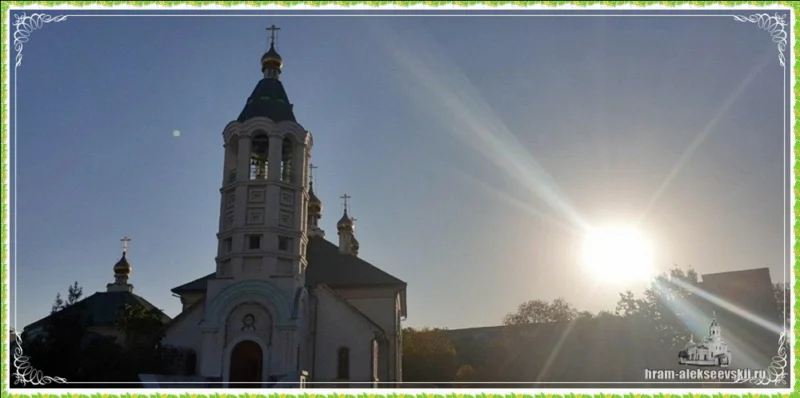
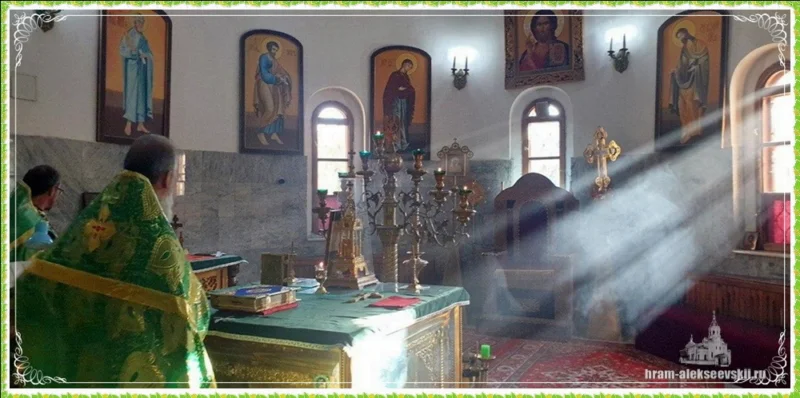
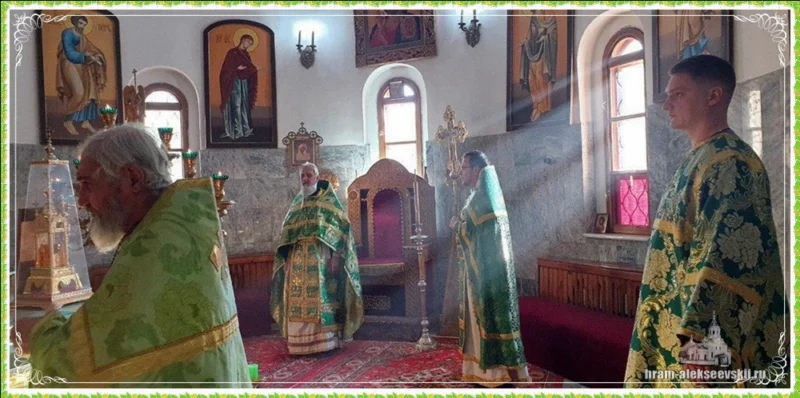
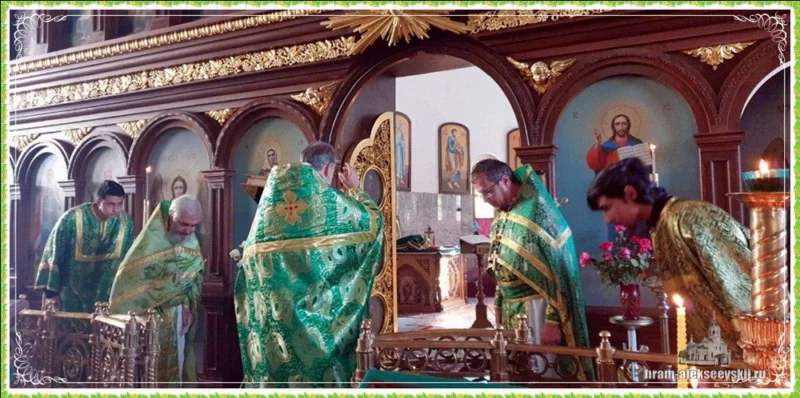
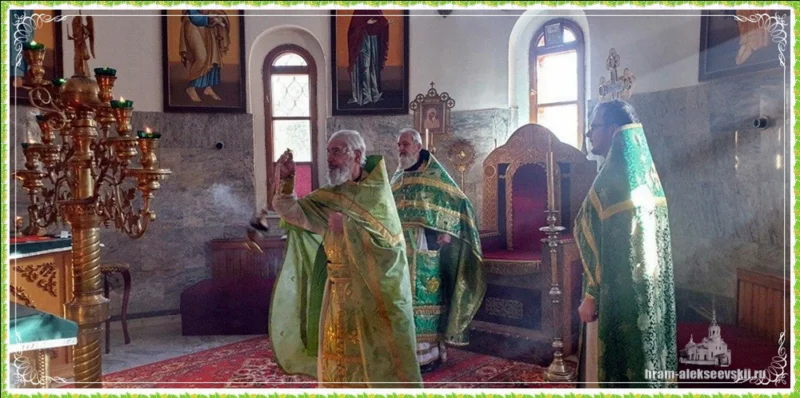
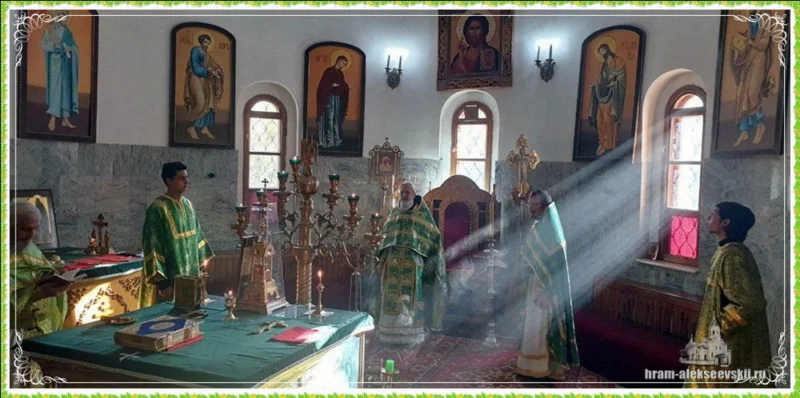
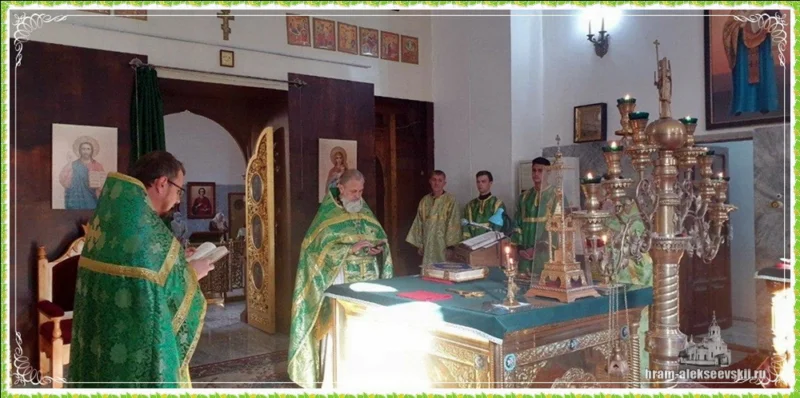
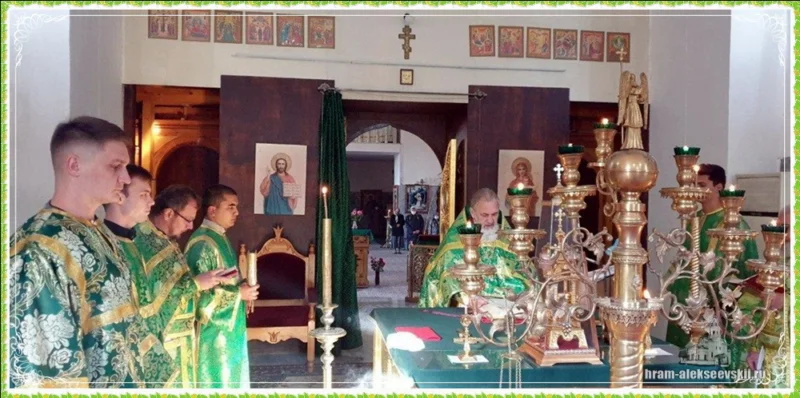
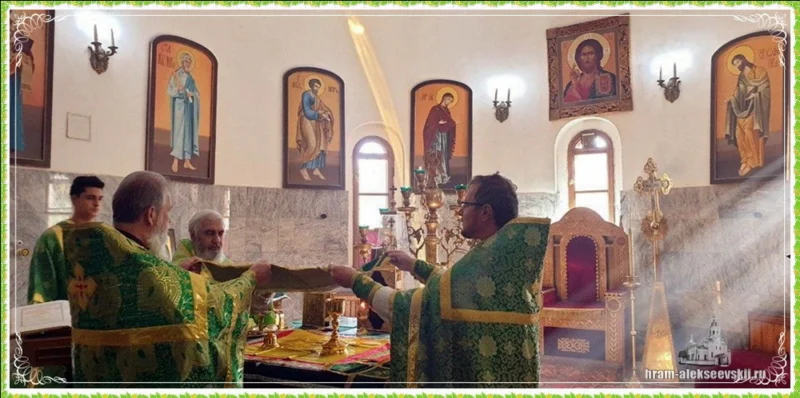
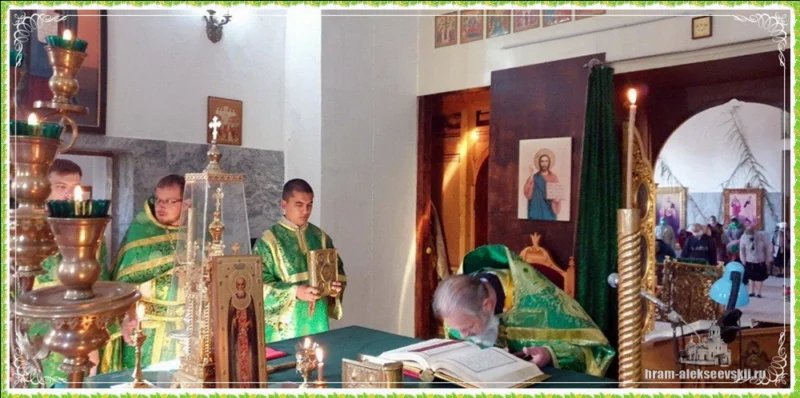
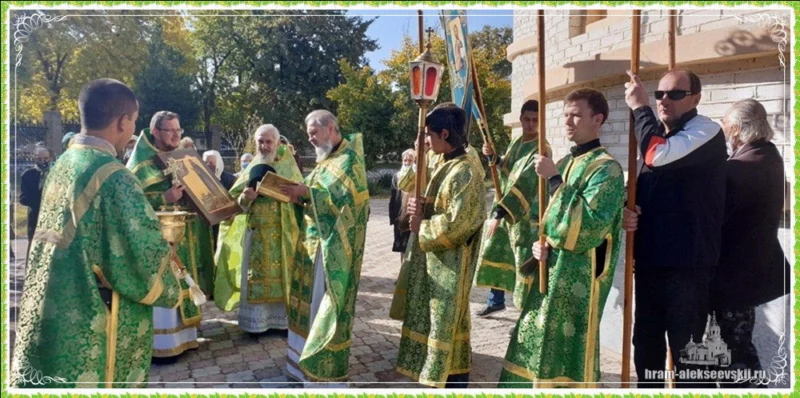
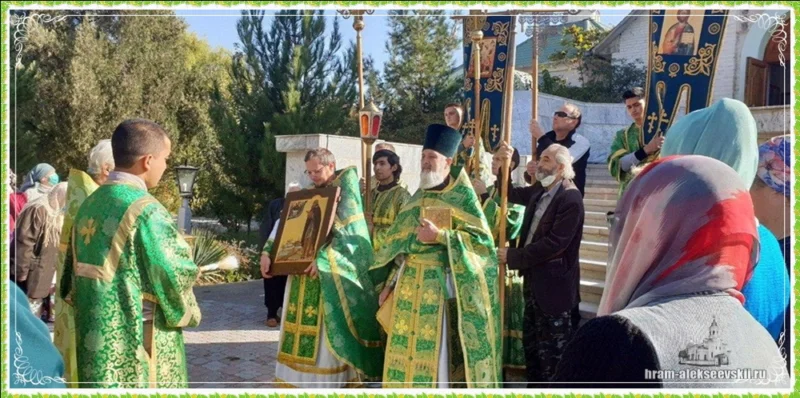
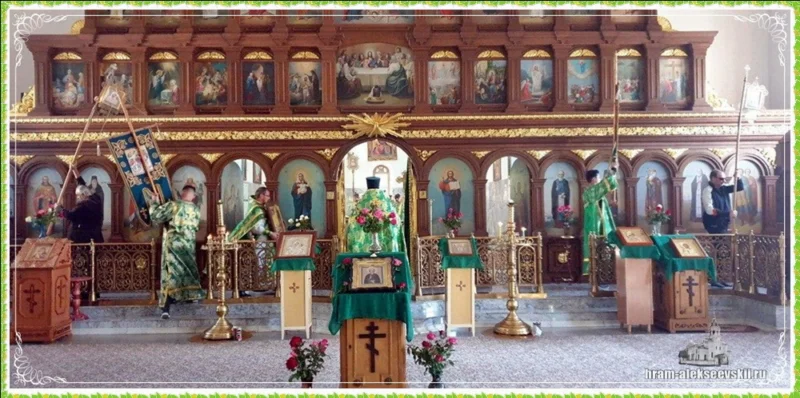
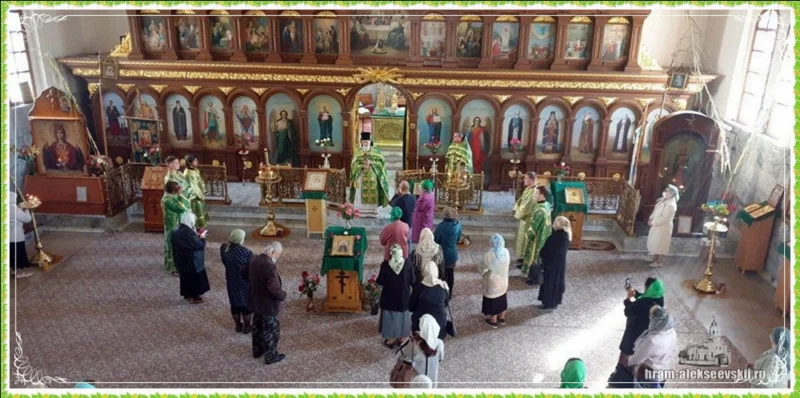
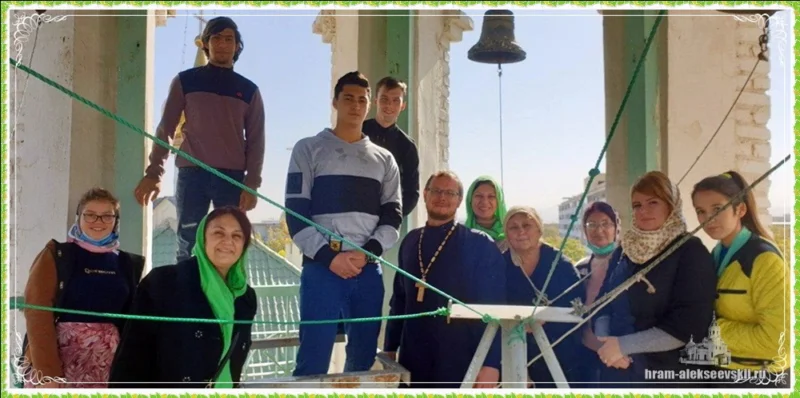
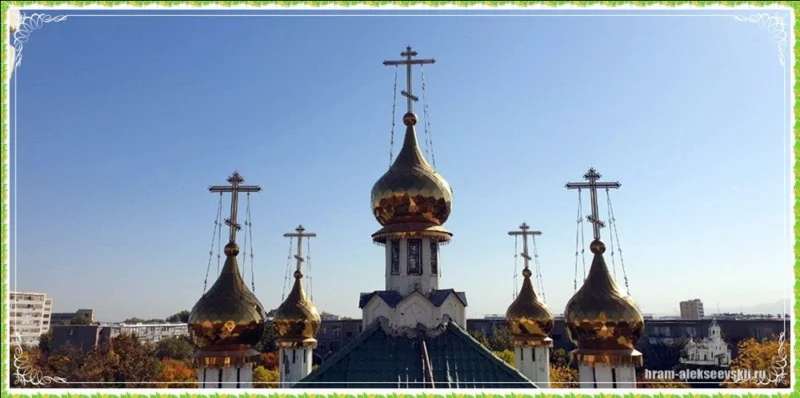
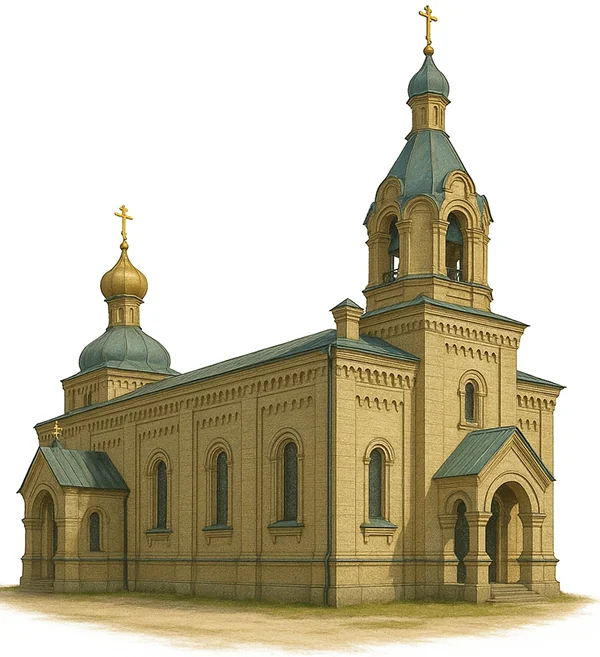
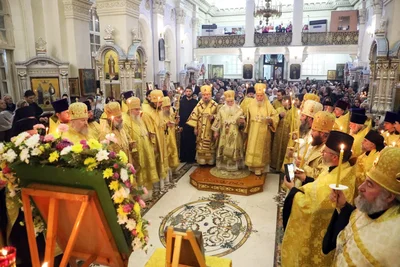
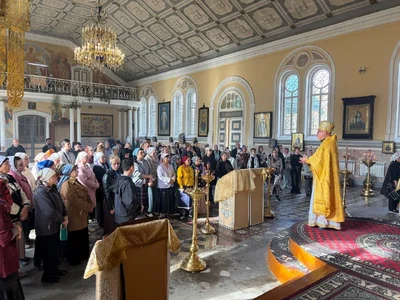
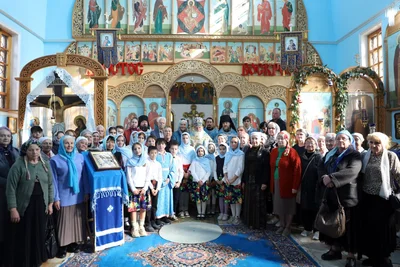
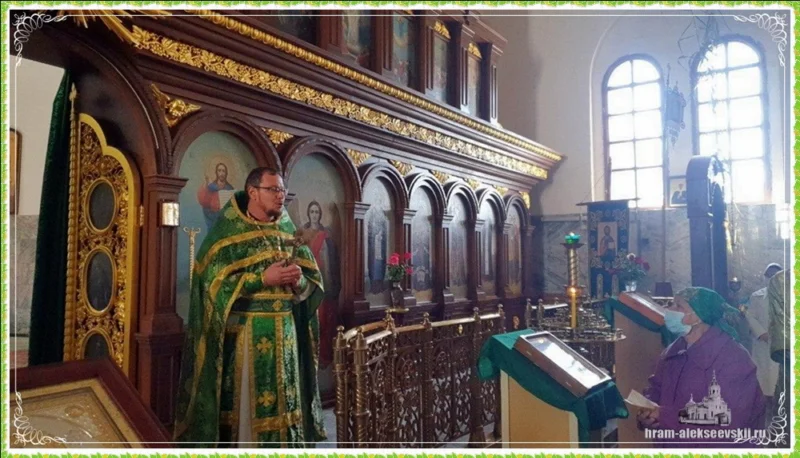
On the day commemorating the blessed repose of Venerable Sergius, Hegumen of Radonezh, the Orthodox church of the city of Navoi celebrated its patronal feast.
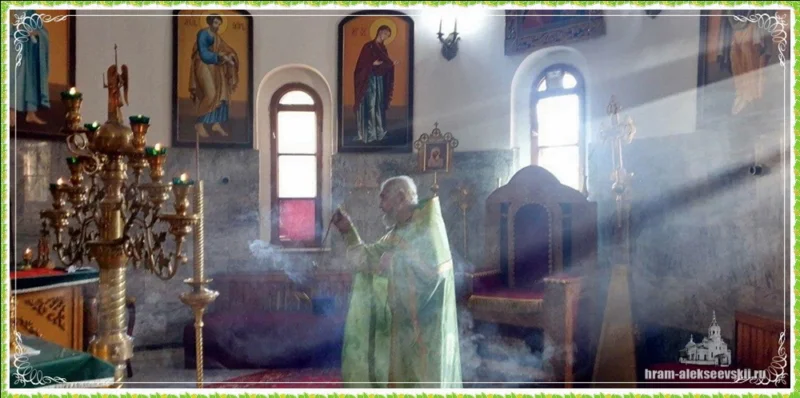
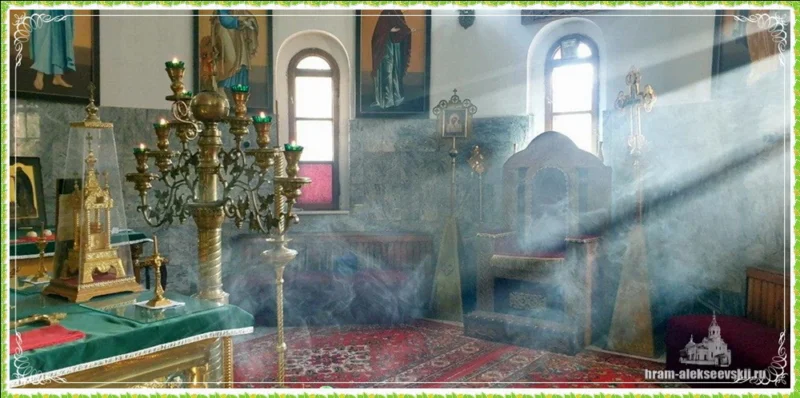
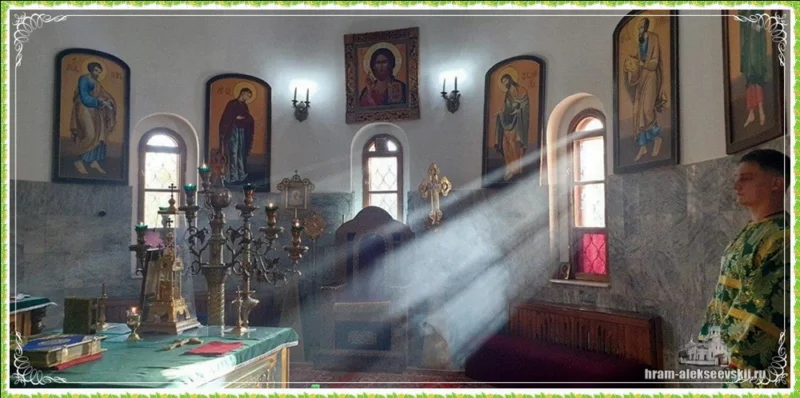
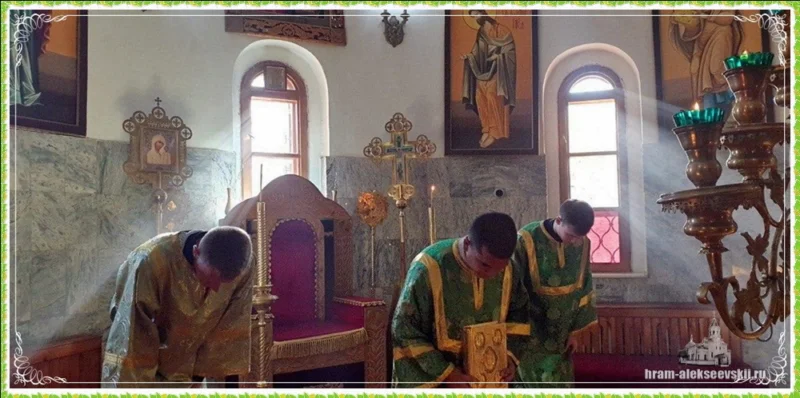
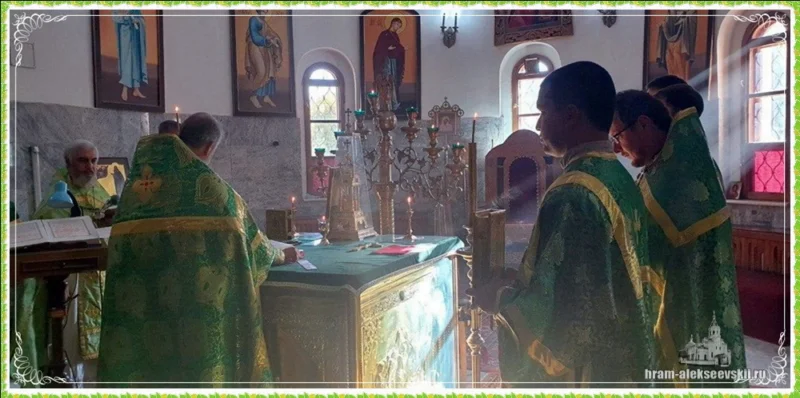
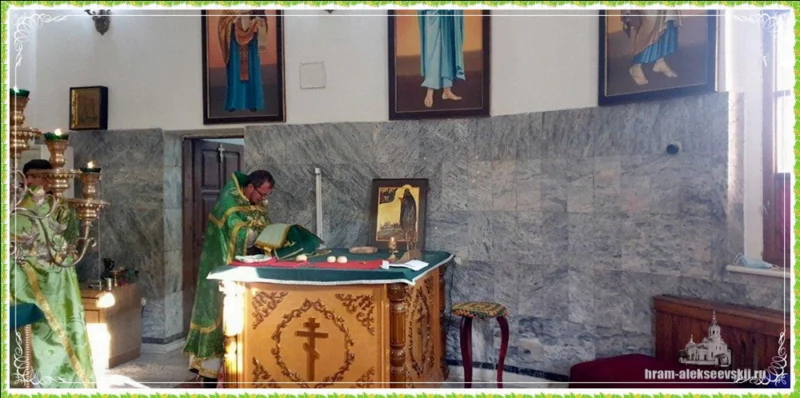
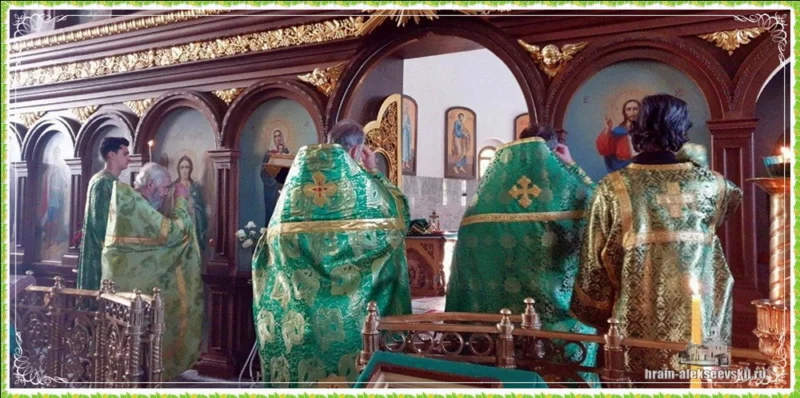
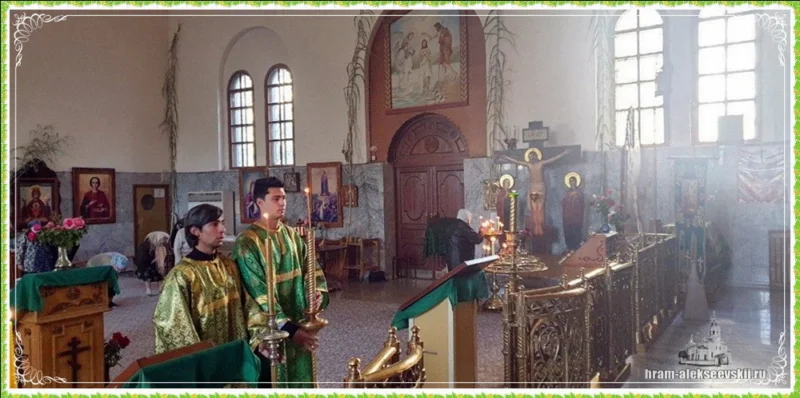
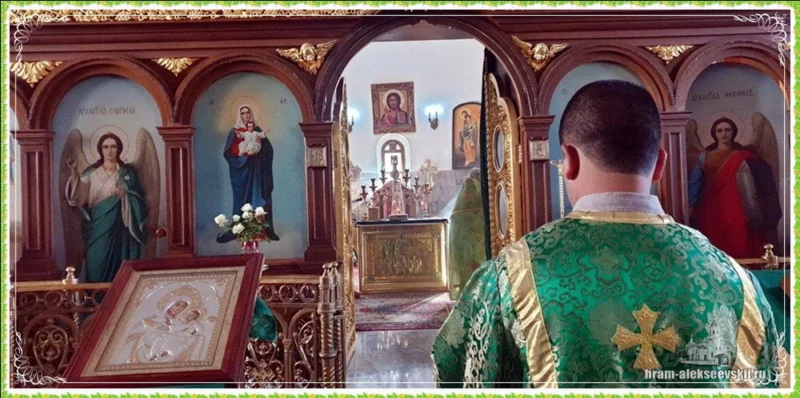
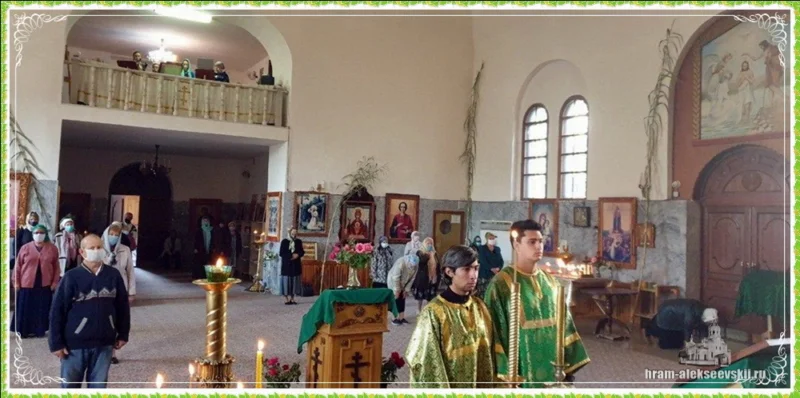
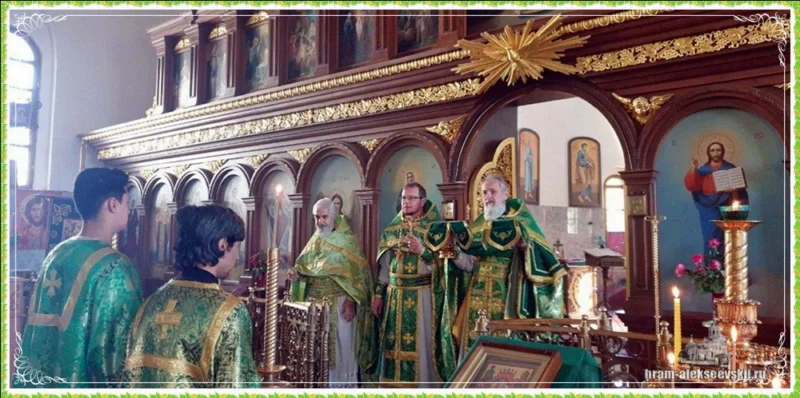
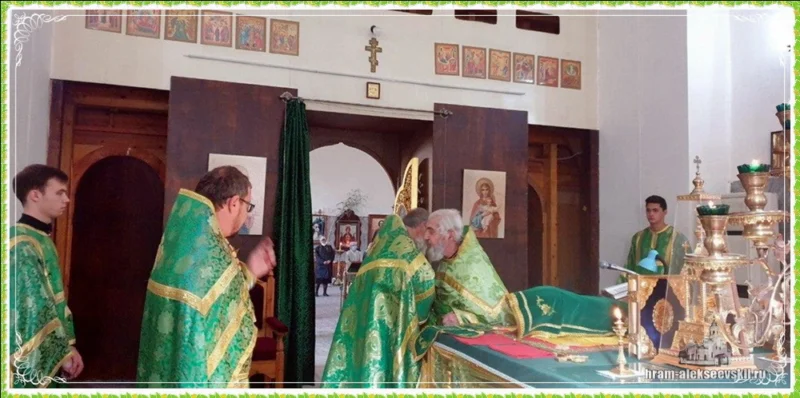
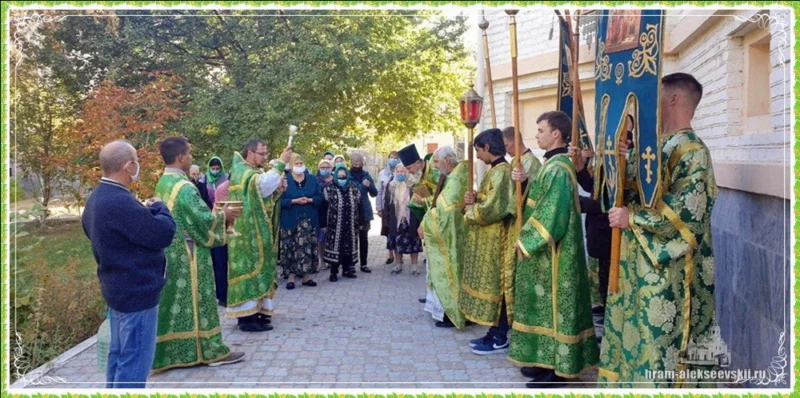
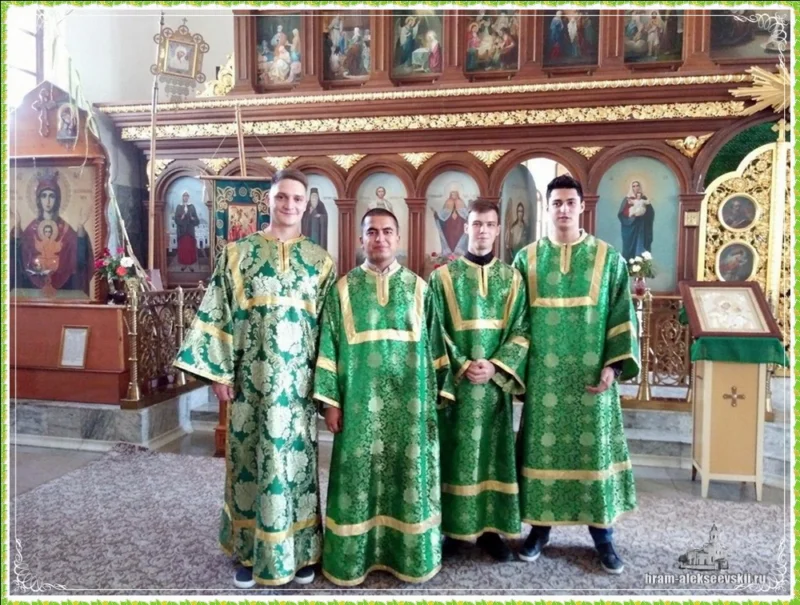
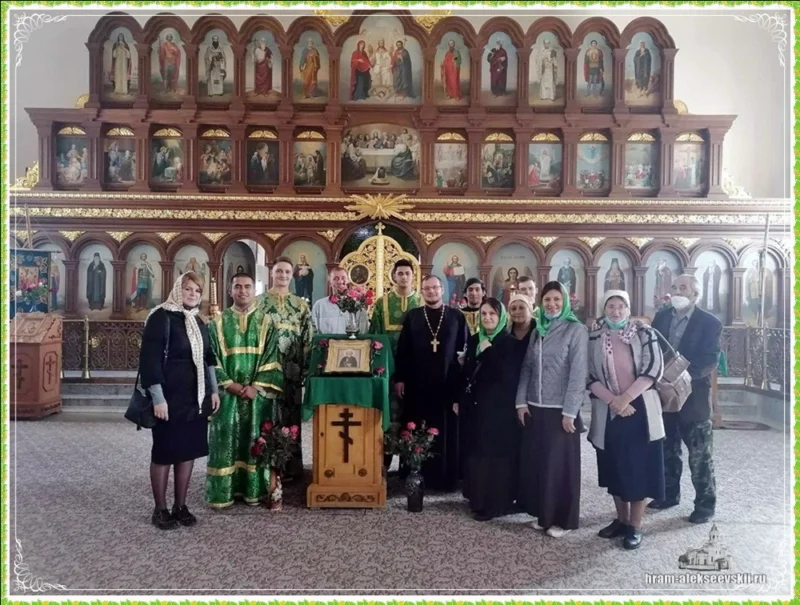
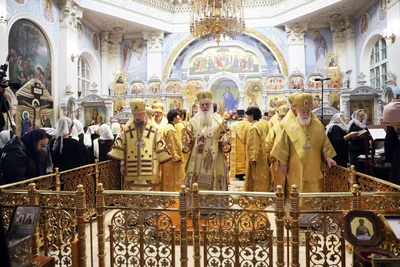
On this festive day the clergy and parishioners of our church prayerfully honored the memory of the great saint by taking part in the festal Divine Liturgy.
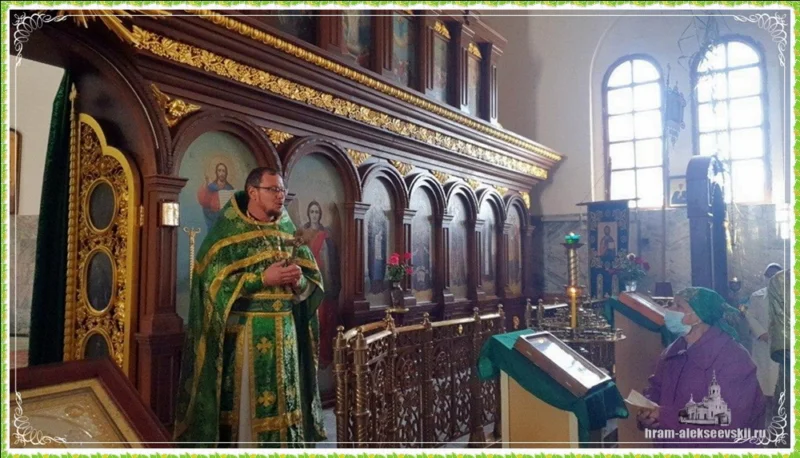
The Liturgy was celebrated by the dean of the Bukhara Deanery and rector of the Church of Venerable Sergius of Radonezh in Navoi, Archpriest Leonid Kozin. He was concelebrated by the cleric of the church, Hieromonk Hermogenes (Abbasov), and the rector of Saint Alexius Cathedral in Samarkand, Priest Igor Babakov.
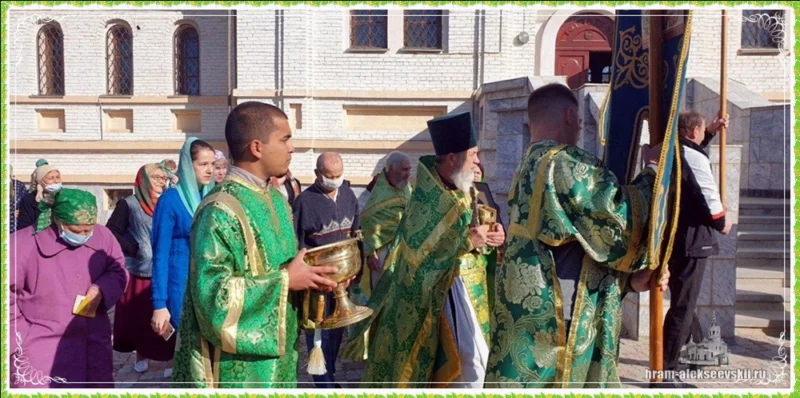
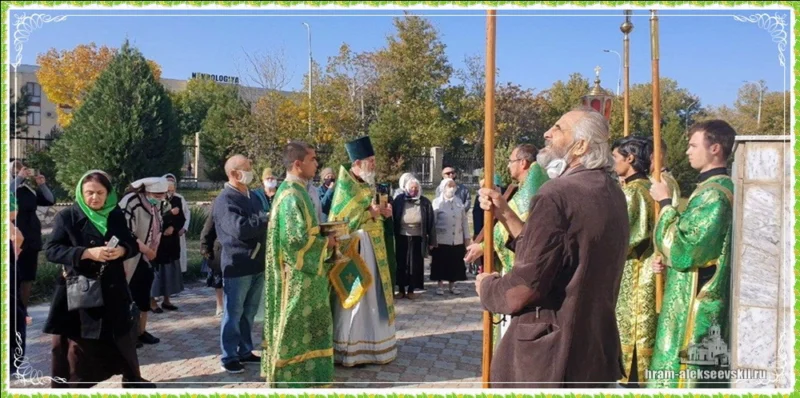
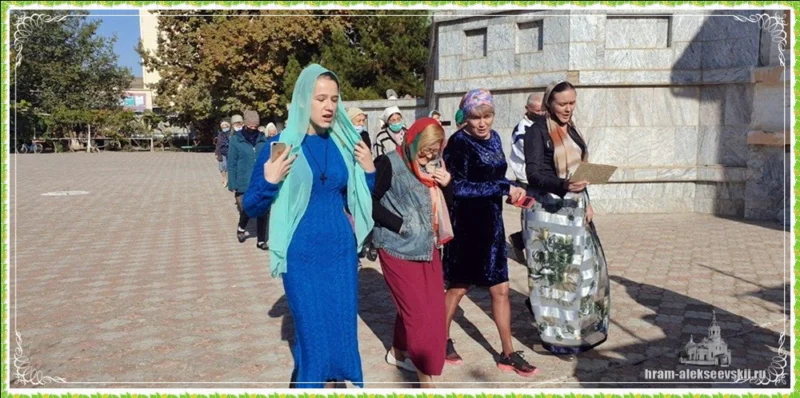
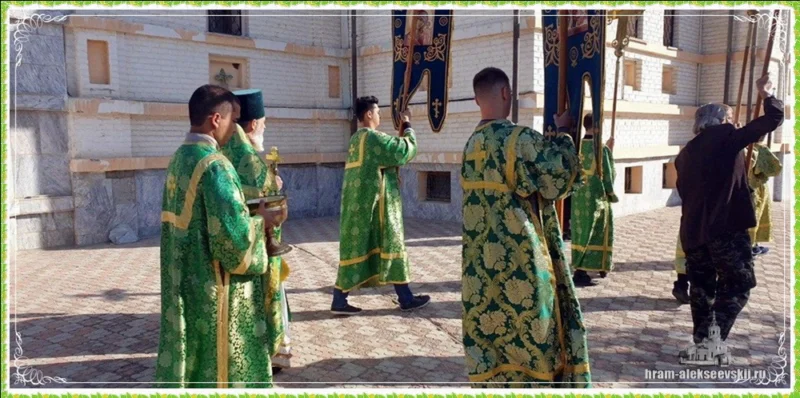
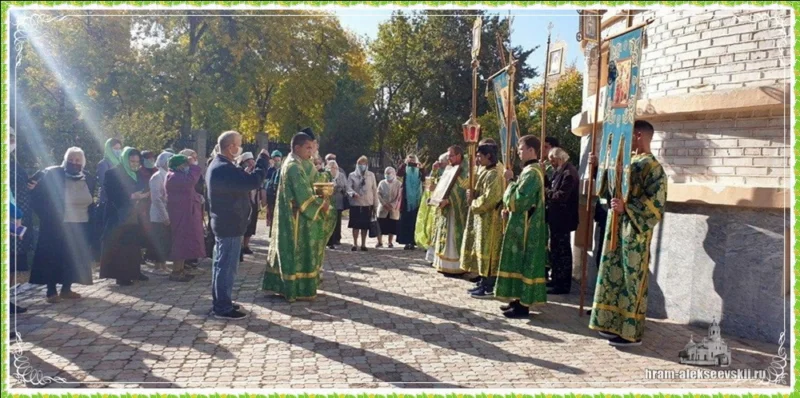
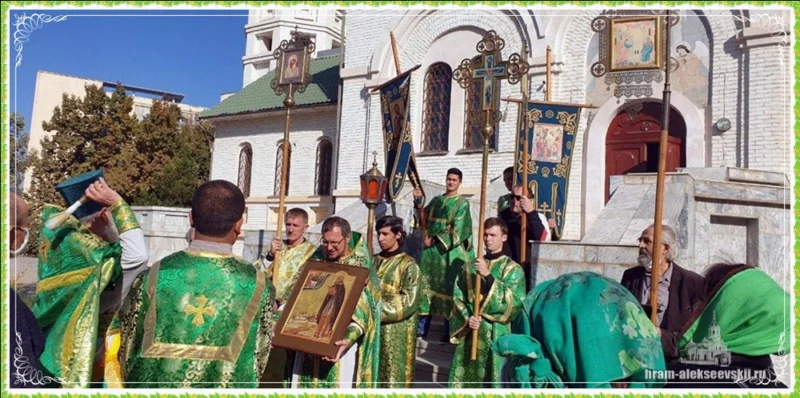
At the end of the services a procession of the cross was held.
Sergius of Radonezh was born during the reign of Prince Dmitry of Tver into a family of deeply devout people.
While pregnant, Sergius's mother often went to church, and during one of the services the cry of the unborn child was heard three times from his mother's womb. This greatly frightened the expectant mother and amazed the parishioners around her.
The mother-to-be, praying throughout her pregnancy and strictly keeping the fasts, resolved to dedicate the child to God after his birth. When the boy was born he was named Bartholomew, and at his baptism the parents told the priest about the cry from the womb, after which the priest foretold that the boy would serve the Holy Trinity.
As he grew up, Bartholomew began learning to read and write, but he lagged far behind his brothers, which caused him much distress and grief.
One day, sent by his father to look for the horses, Bartholomew met an old monk who, on learning of the boy's difficulty with his studies, gave him a piece of prosphora, promising thereby to remedy his lack of learning. The boy went with the elder to a chapel, where the elder sang prayers and asked Bartholomew to read a psalm. Unexpectedly, the boy did as the elder asked, reading the text without any mistakes or slips. Afterwards, having visited Bartholomew's home, the elder announced to the boy's parents his future destiny as a great man both before God and before people.
Growing a little older, Bartholomew eagerly read books of Holy Scripture, not wishing to spend time with his peers; he often went to church, praying diligently and keeping all the fasts.
Soon the family moved to the lands of Radonezh, where they settled near the Church of the Nativity. Bartholomew's elder brothers married and started families of their own, while the young man asked his parents for a blessing to take up monastic life, but his father and mother bade their son fulfil his wish after their death. Some time later, having taken monastic vows, Bartholomew's parents departed this sinful world, and their son, having committed their bodies to the earth, honored their memory with Orthodox prayer and gave alms to the poor.
Bartholomew gave his inheritance to Peter, his younger brother, and together with his elder brother Stephen, who had been left a widower, went into the wilderness, where they built a small church, consecrated in the name of the Holy Trinity by Metropolitan Theognostus of Kiev. After some time Stephen, unable to bear the harsh life in the remote forest, went to the Theophany Monastery, where he became hegumen and the prince's confessor.
Bartholomew, with the help of the elder Mitrofan whom he had invited, received monastic tonsure at the age of twenty and was named Sergius. After the new monk received Communion, the church was filled with an extraordinary fragrance.
The rest of Sergius's life was spent in constant church services and prayer, and in struggle against the devilish power that tried to frighten the monk. Once, when Sergius was serving Matins, the walls of the church parted, and in the opening appeared the image of the devil, ordering Sergius to leave the wilderness. But the monk was able to overcome the demonic power with the help of the cross and prayer.
Other monks often visited Sergius in his wilderness, and some of them expressed a wish to live together with him, but he would not let them stay, considering life in the wilderness too hard and difficult. Nevertheless, several monks insisted on their choice and settled in cells next to Sergius, serving God daily.
Soon the number of monks in Sergius's wilderness reached twelve, but Sergius refused to accept the office of hegumen. He himself made church candles, baked prosphoras and cooked kutia. One day his elder brother Stephen visited the Holy Trinity Monastery together with his son Ivan, whom he wished to make a monk, and Sergius tonsured his nephew, naming him Feodor.
Some of the monks living in the wilderness did not wish to follow Sergius's instructions and expressed discontent. Then Sergius decided to leave the monastery and moved to the Kirzhach River, where he built a small church with a monastic cell beside it. In time many monks followed their teacher, while others asked the metropolitan to return Sergius to the Holy Trinity Monastery.
During one of the services in the monastery the monks noticed beside Sergius a man in shining garments, celebrating the Liturgy with the saint. It turned out that an Angel of God was helping Sergius in the service.
Half a year before his repose Sergius handed over the office of hegumen to his disciple Nikon, and at the end of September he died, a wondrous fragrance spreading from his snow-white face. According to his wish, Sergius was laid to rest as a venerable monk in the church, on the right side.