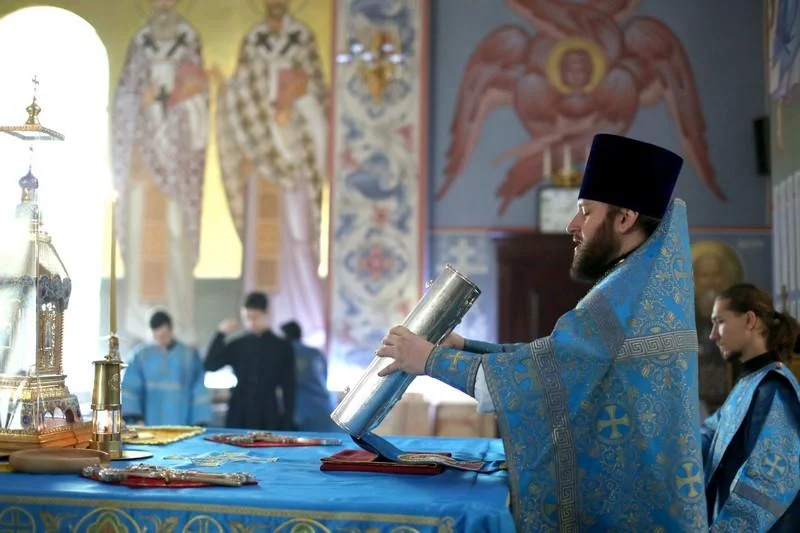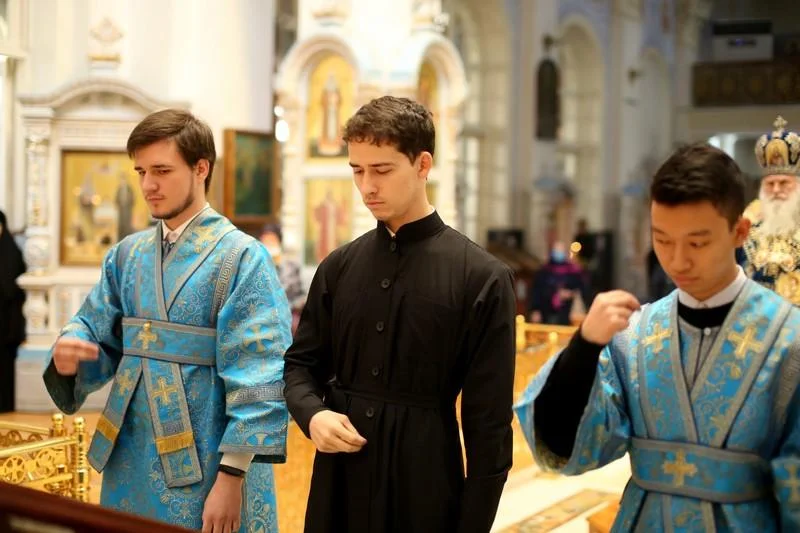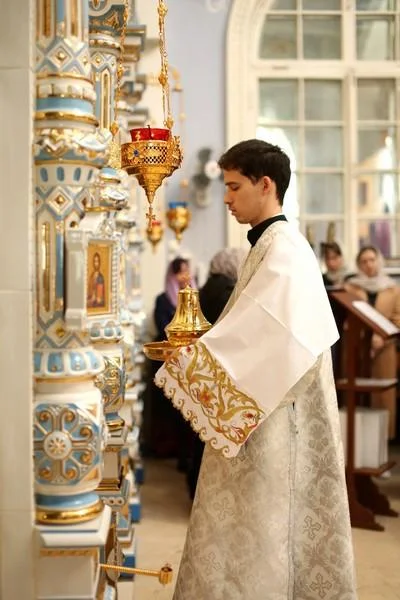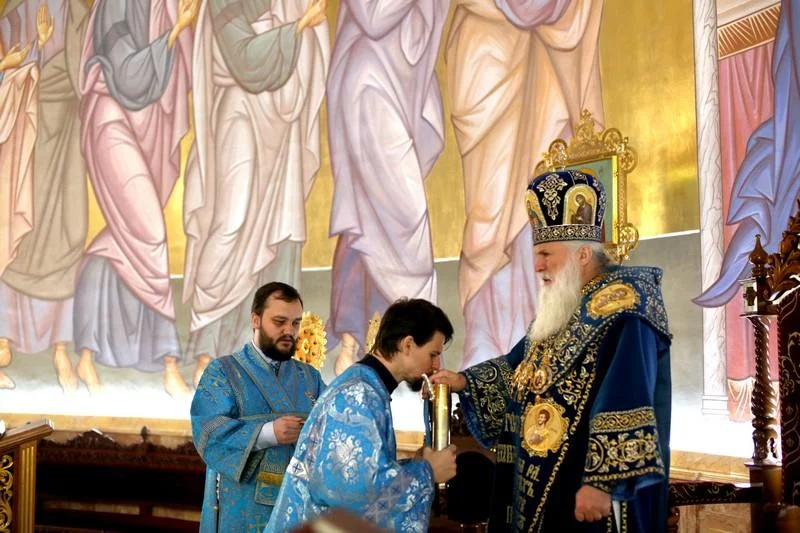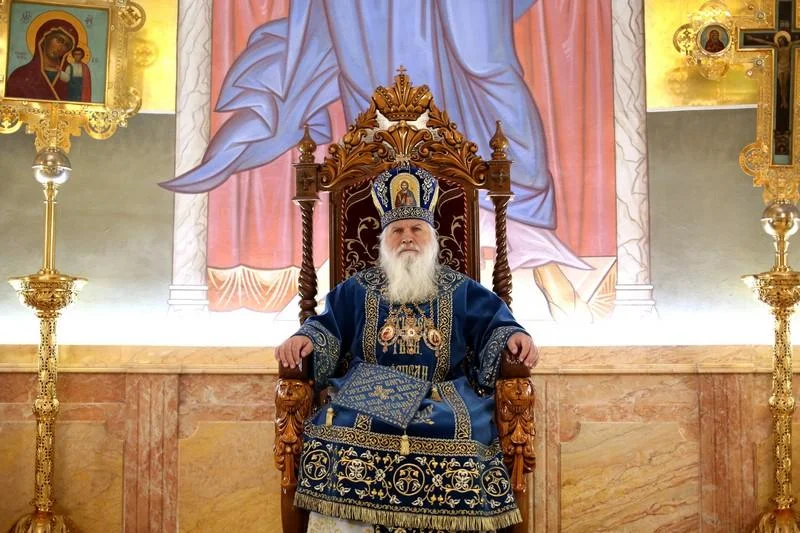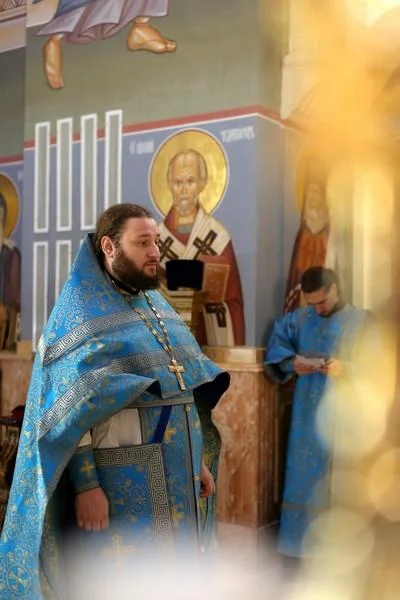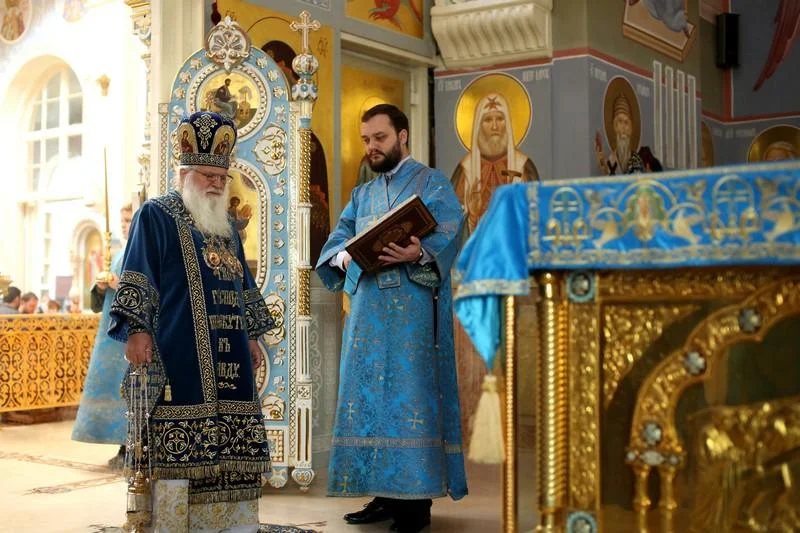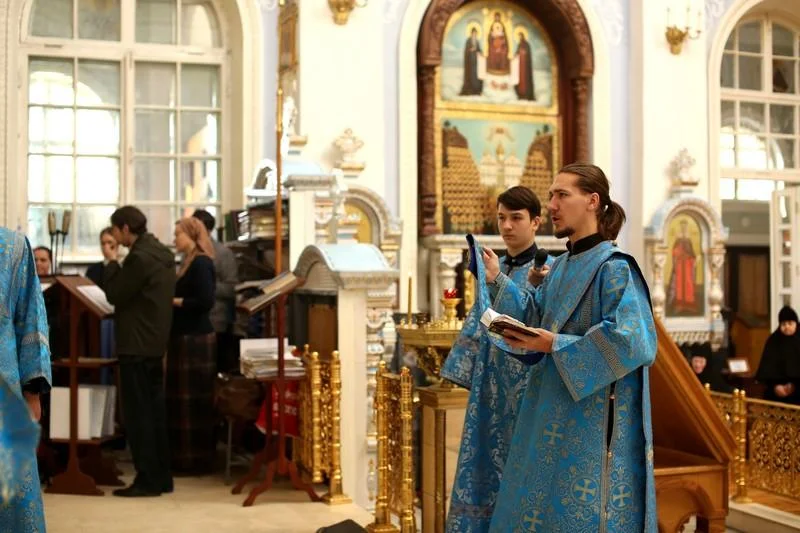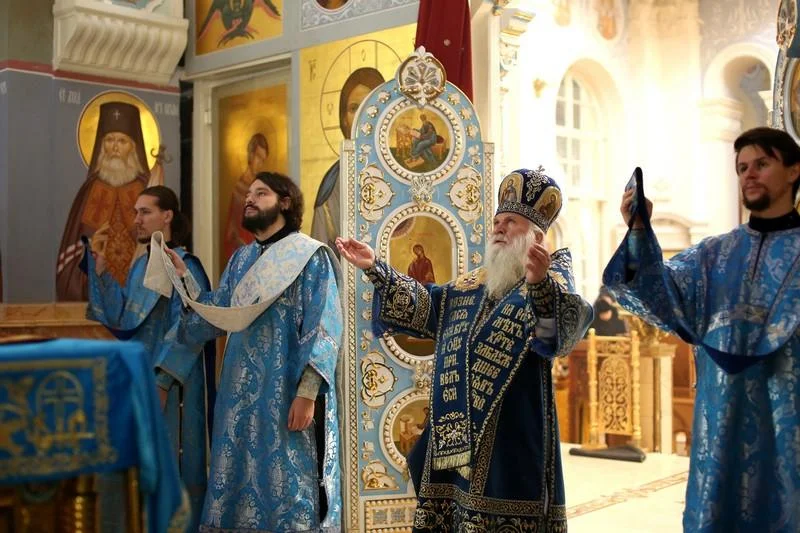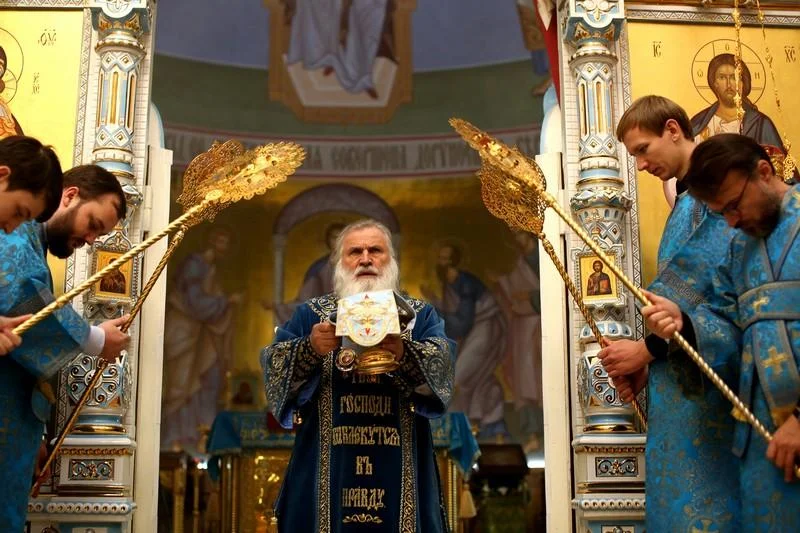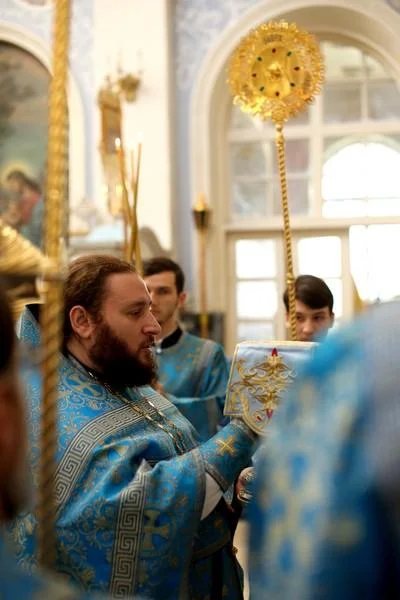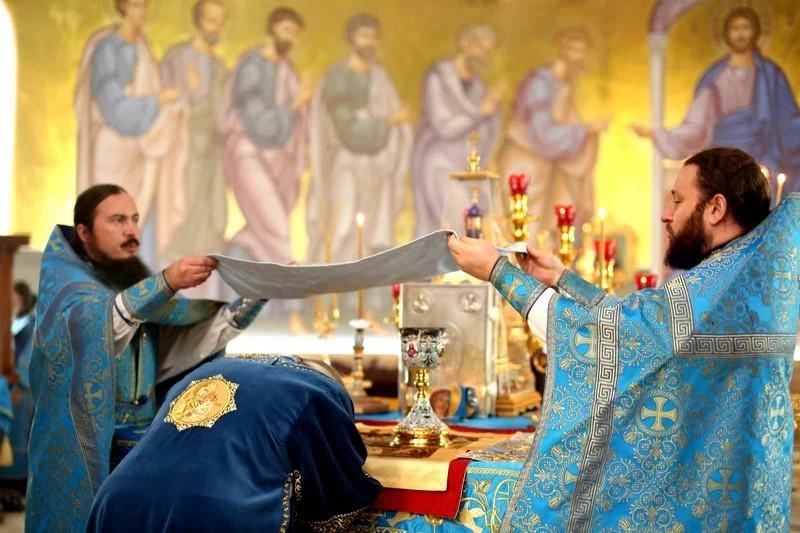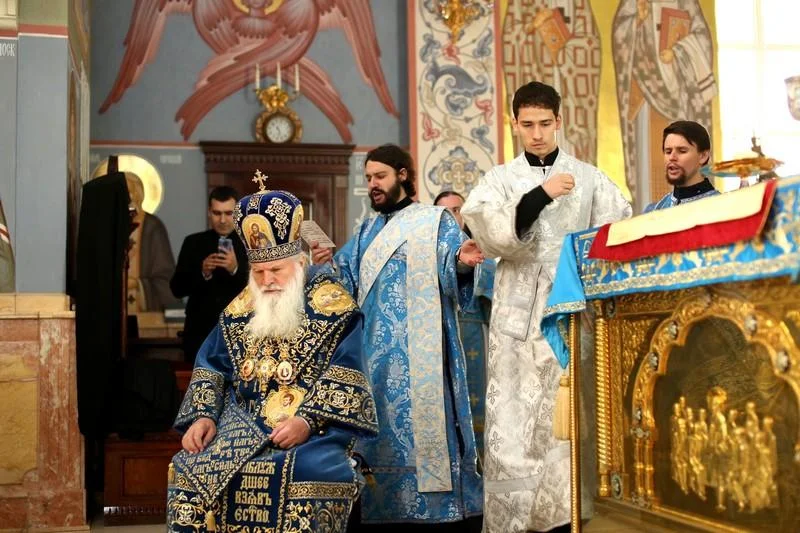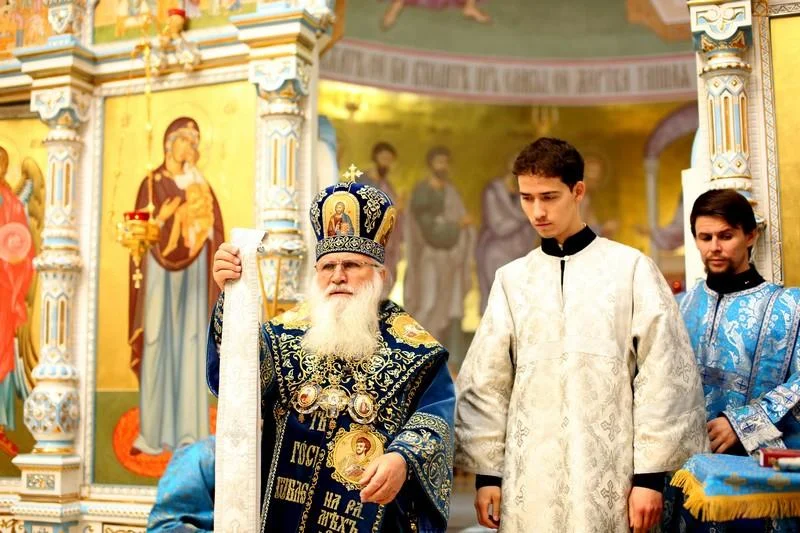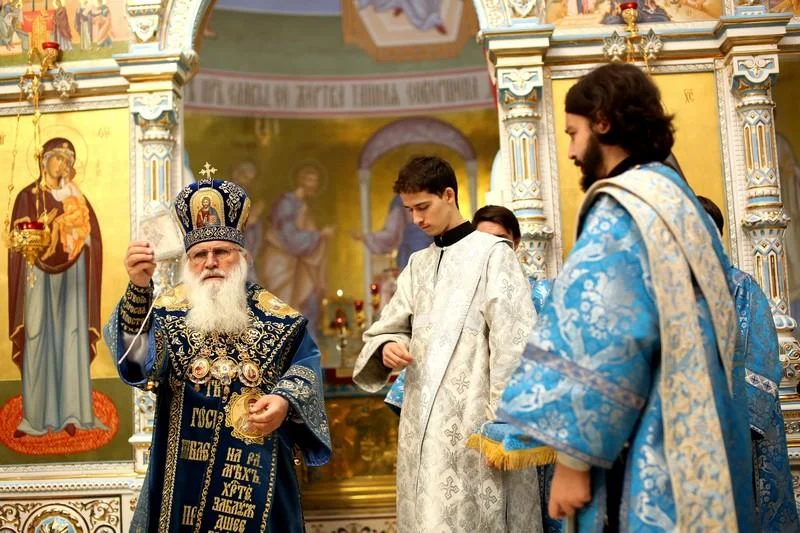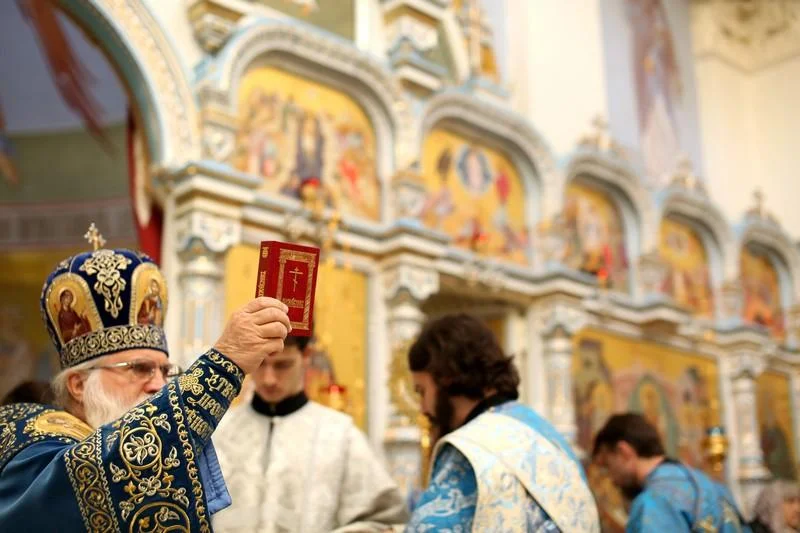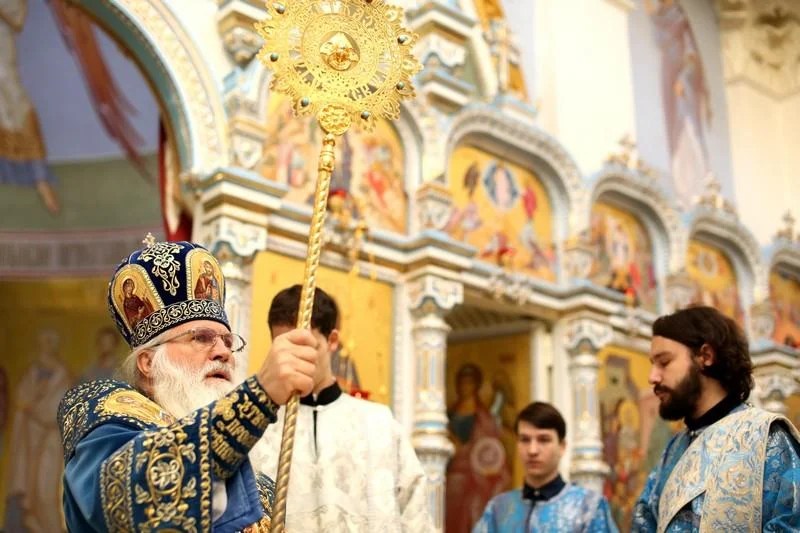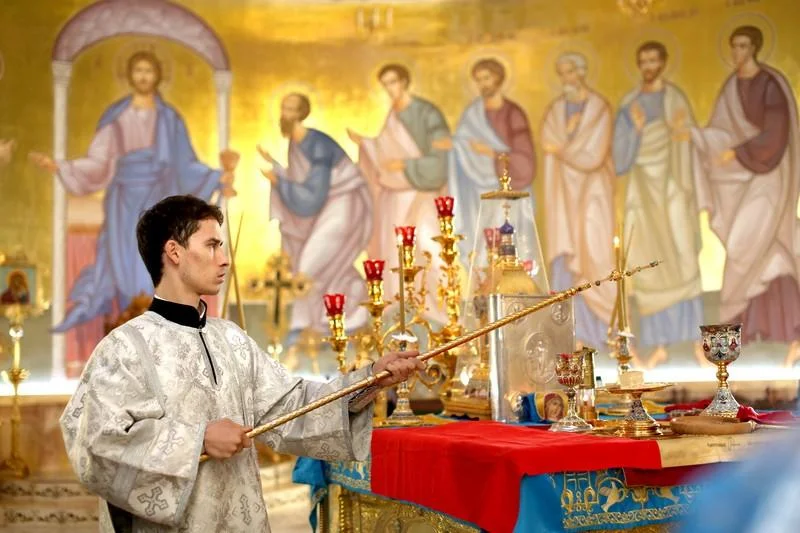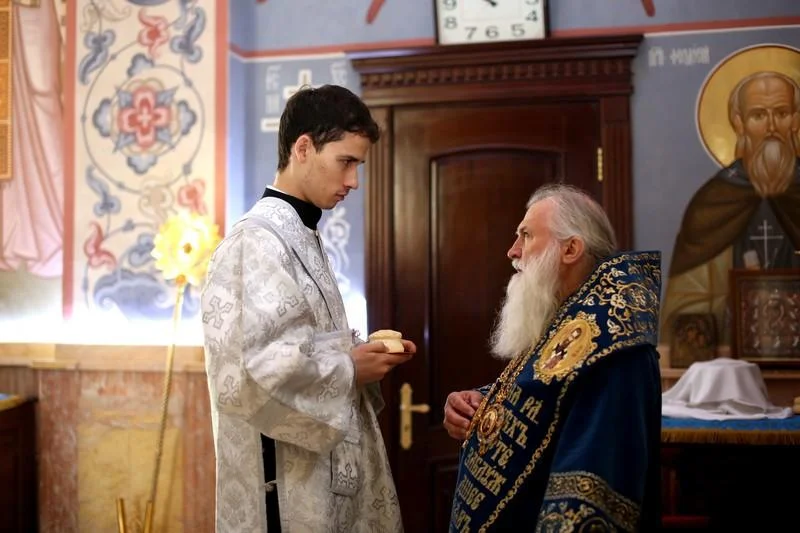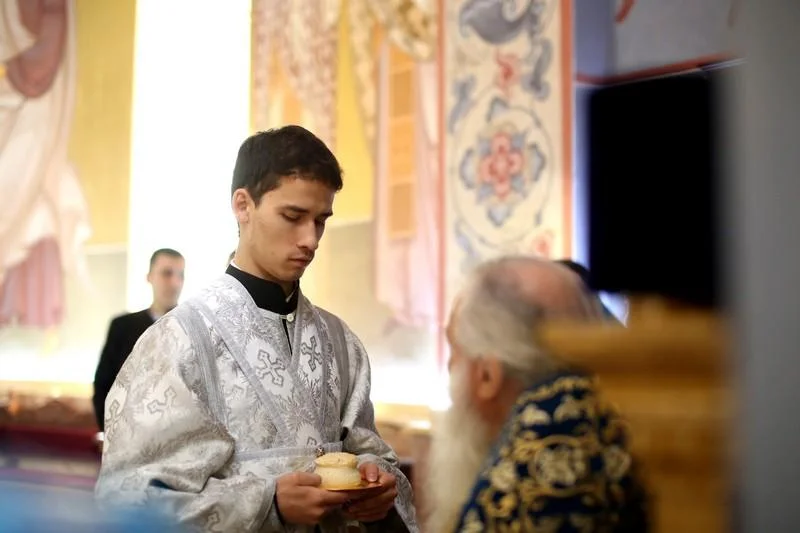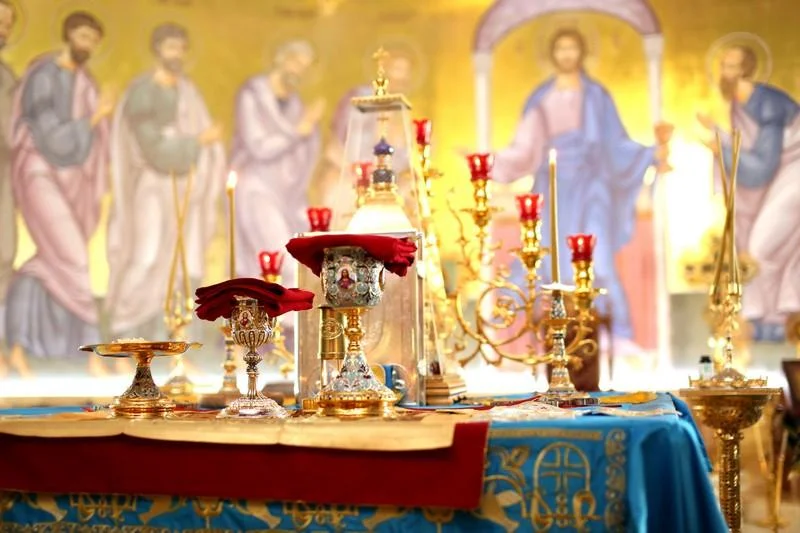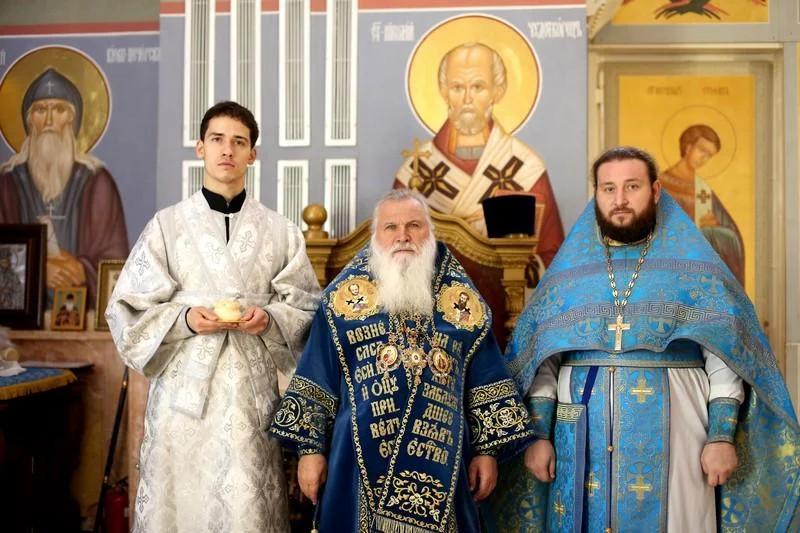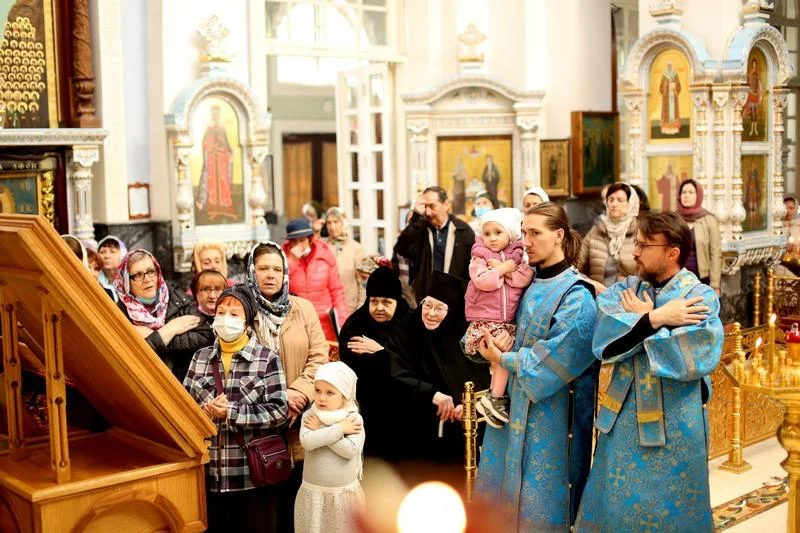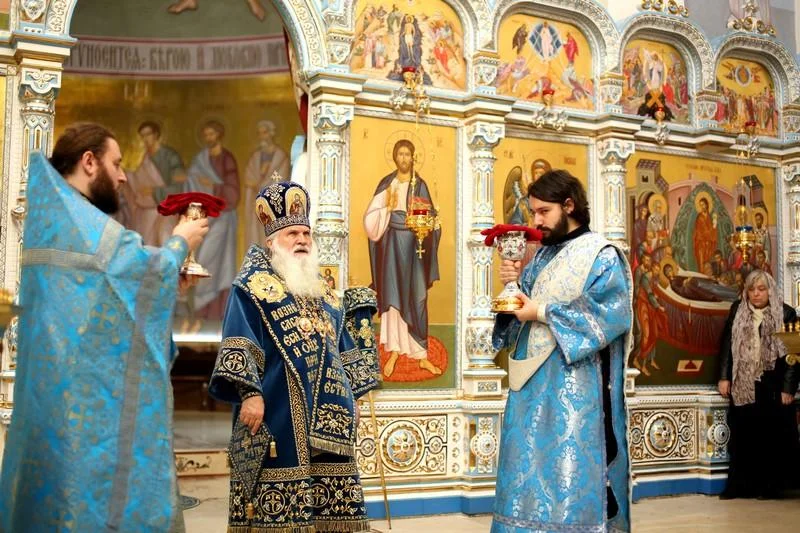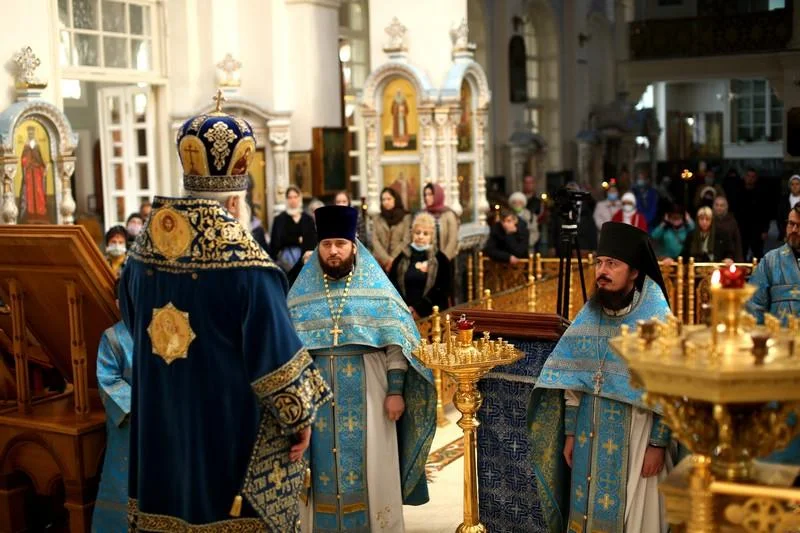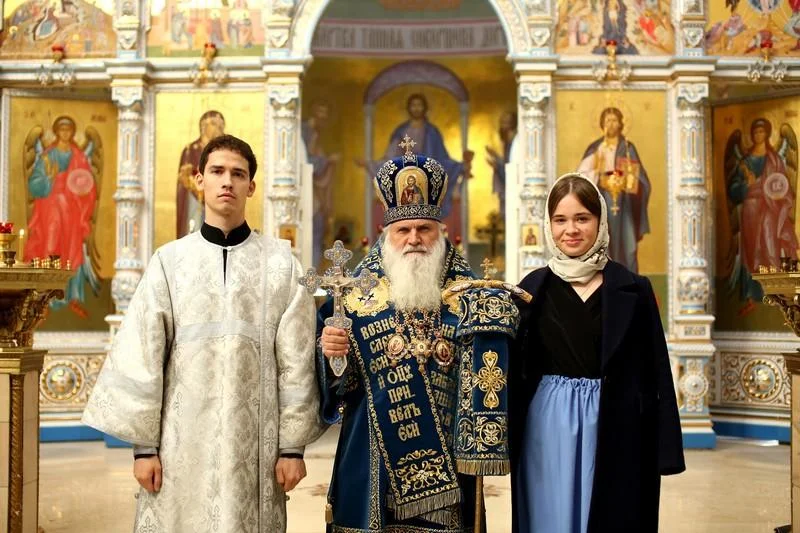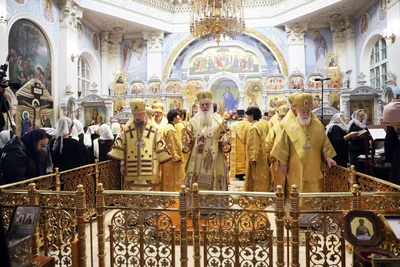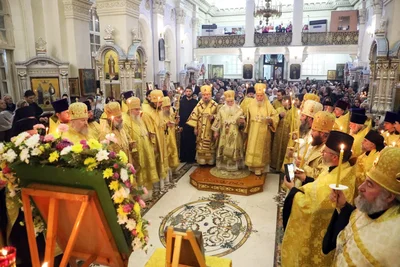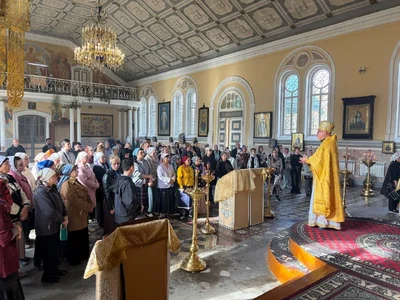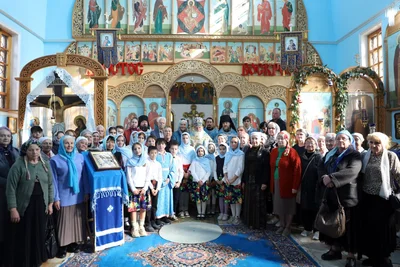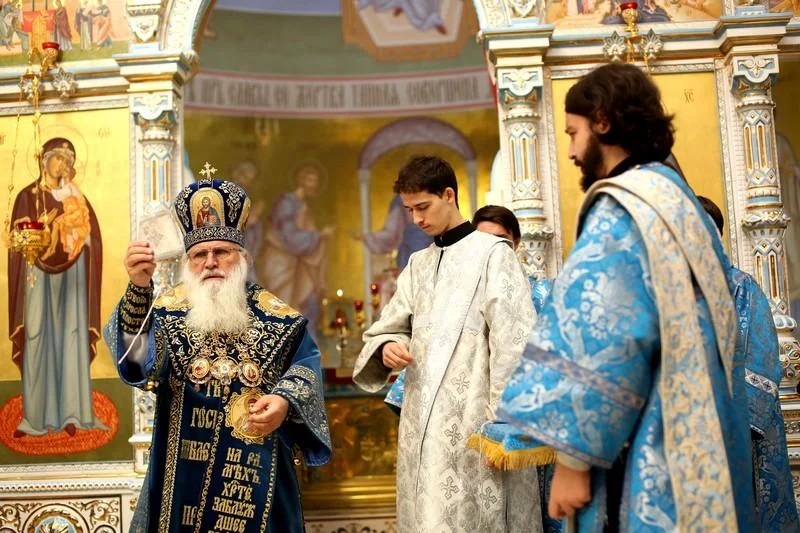
On 4 November 2021, the feast of the Kazan Icon of the Mother of God, the head of the Central Asian Metropolitan District, Metropolitan Vikenty of Tashkent and Uzbekistan, celebrated the Divine Liturgy at the Dormition Cathedral in Tashkent.
The evening before, the All-Night Vigil was served there with the reading of an akathist to the Mother of God before her Kazan icon.
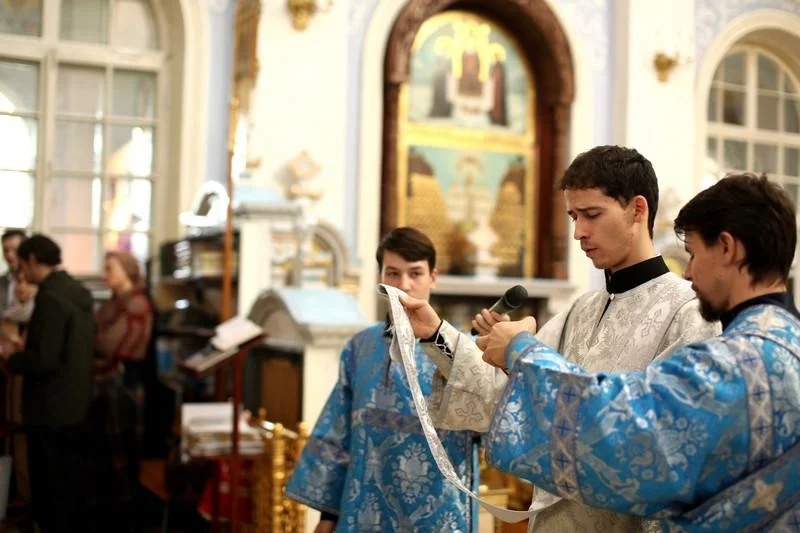
Concelebrating with His Eminence were Priest Alexander Balukhatin, Hieromonk Panteleimon (Doroshev), Deacon Mikhail Mezhovikov, Deacon Pyotr Gnatik and Deacon Alexander Bogotobin.
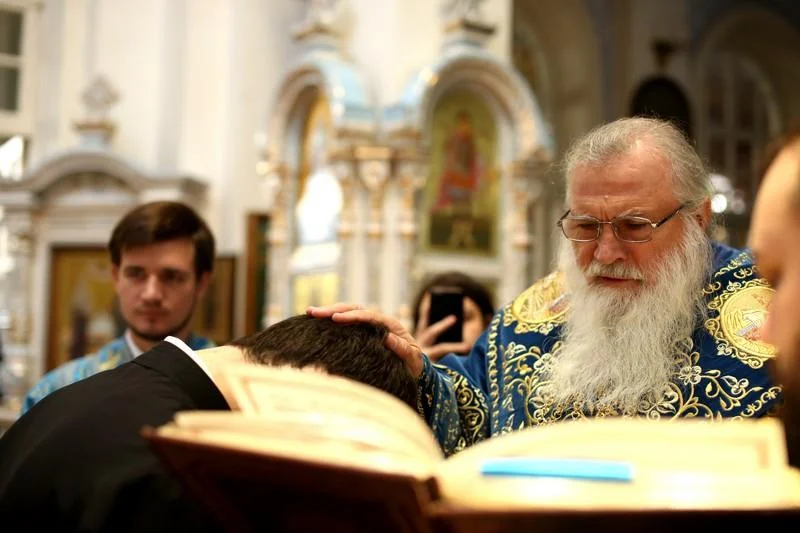
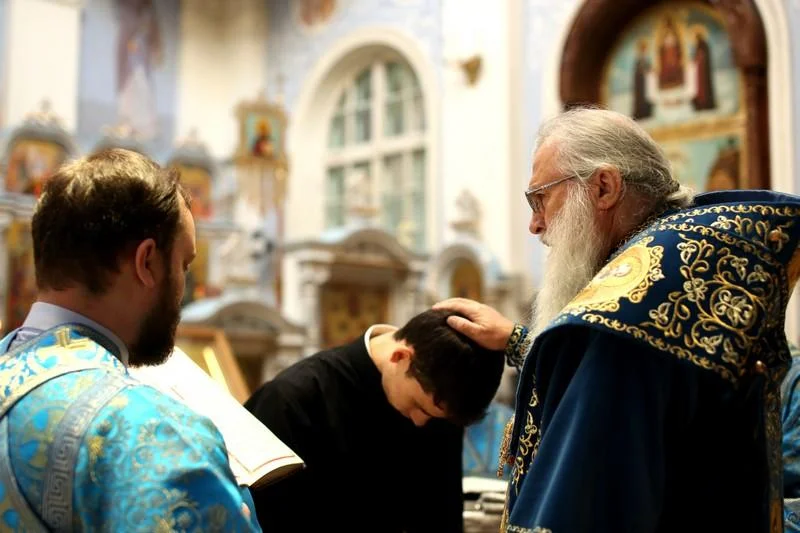
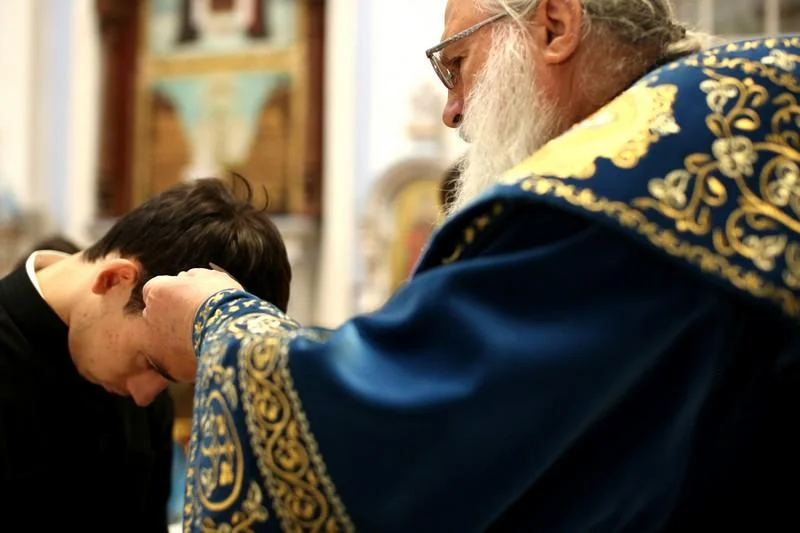
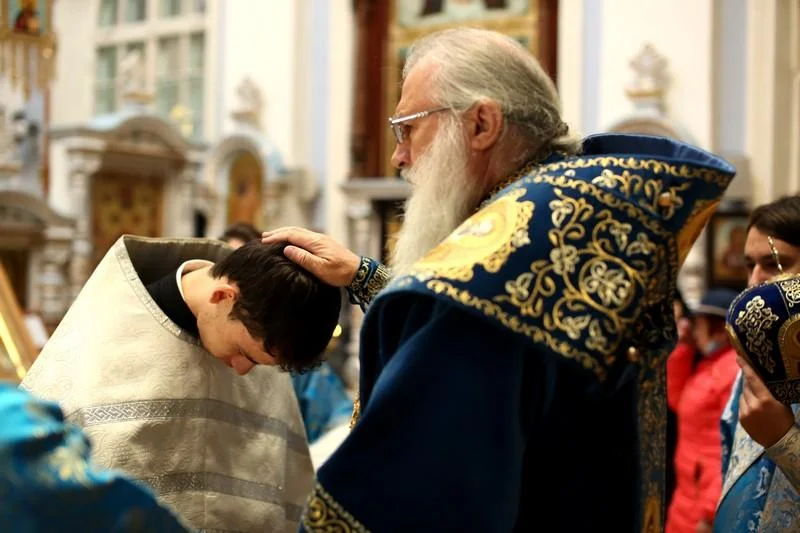
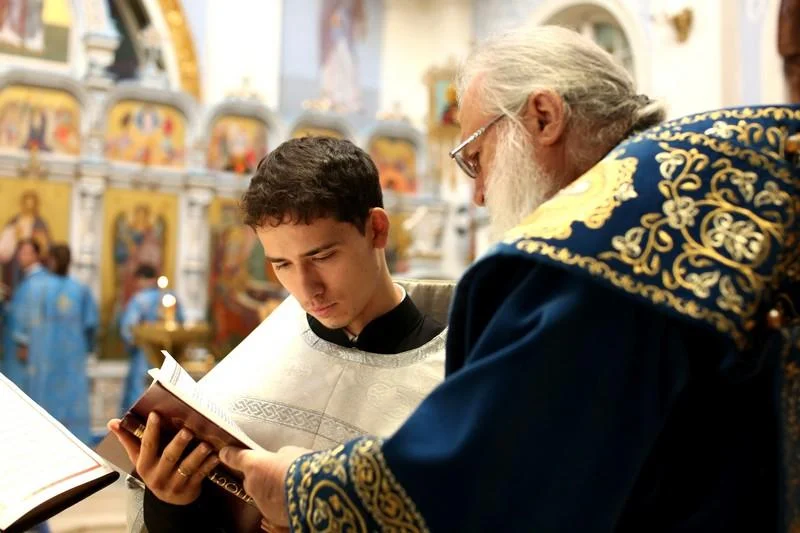
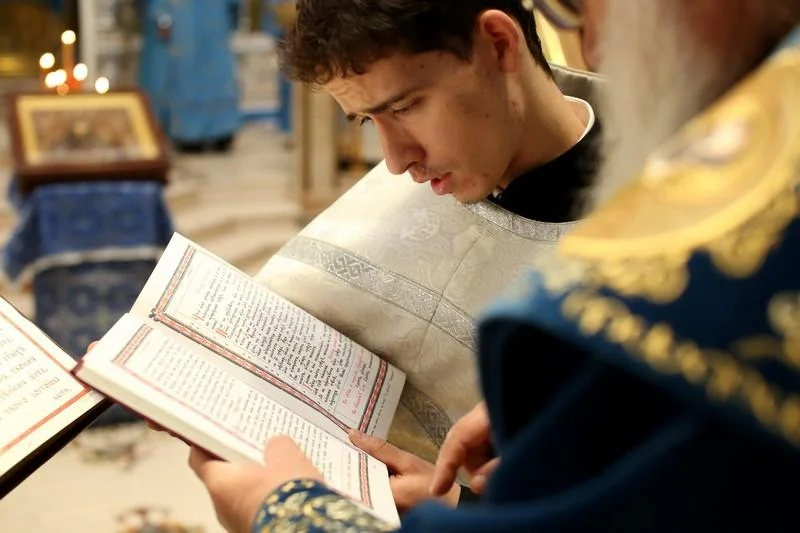
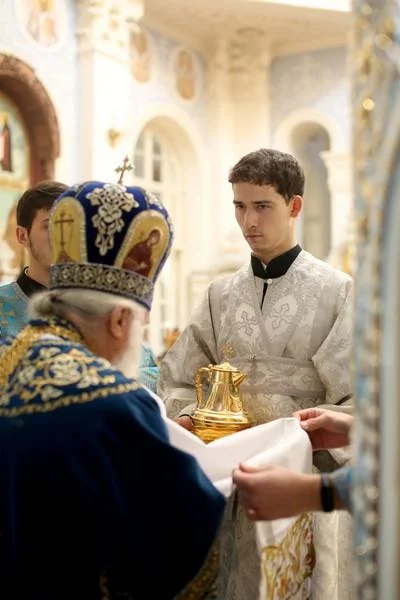
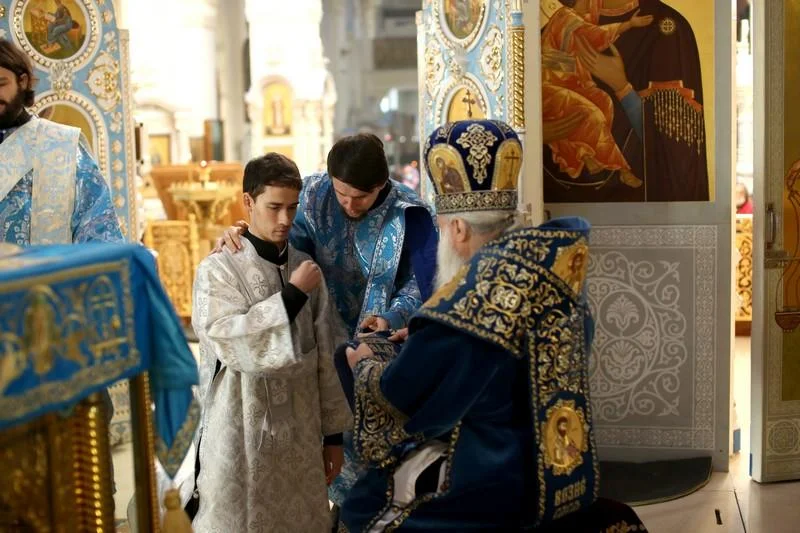
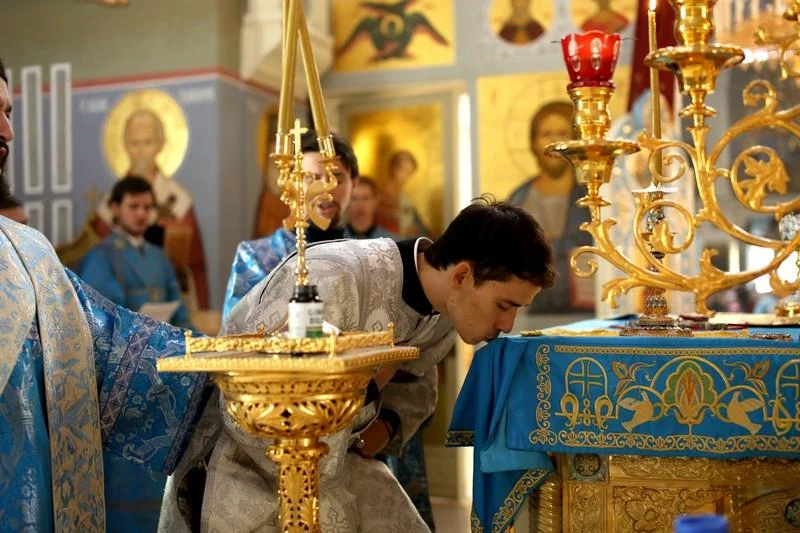
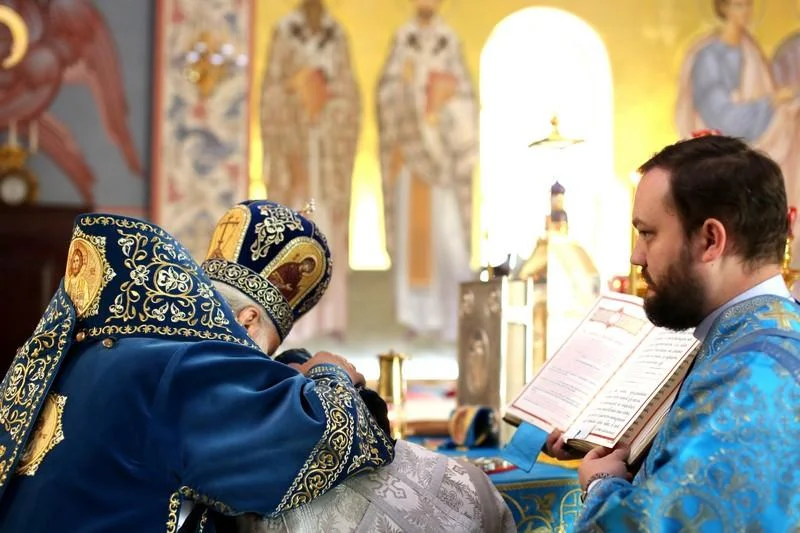
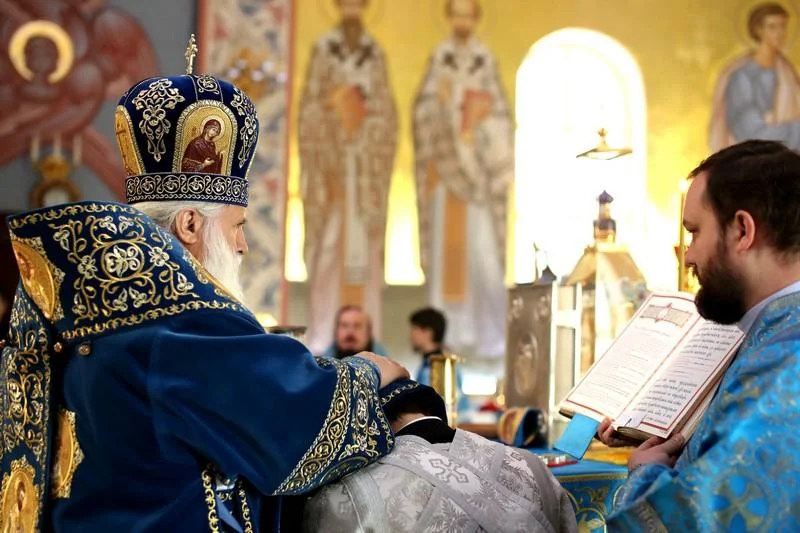
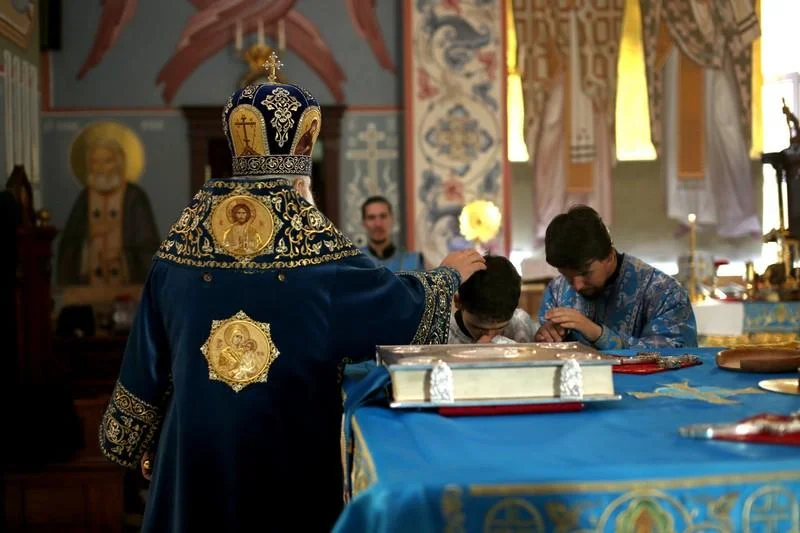
After the Eucharistic Canon, before the Lord's Prayer, Metropolitan Vikenty performed a diaconal ordination. Igor Maksudov, a fourth-year student of the Tashkent Orthodox Theological Seminary, was found worthy to receive the holy order of deacon.
After the Sacrament of Communion and the Prayer behind the Ambo, Metropolitan Vikenty addressed the worshippers with a word of edification, congratulating everyone on the feast of the Kazan Icon of the Mother of God:
"This is a great feast for us, because in this event, which took place at the beginning of the seventeenth century, we see the miraculous help of the Most Holy Theotokos and the miraculous help of God in enabling Holy Rus' to preserve the Orthodox faith.
Several times in history the Russian Orthodox Church has faced difficult, heavy trials, and the Most Holy Theotokos always came to its aid. We know that in the lifetime of the holy right-believing Grand Prince Alexander Nevsky there was a similar situation, when the crusaders under the banner of the Catholic Church wanted to occupy both the Russian land and our Orthodox Church. But Prince Alexander Nevsky, with a small retinue yet with God's help, overcame that hostile host, which sought to take Orthodoxy from us by force and to sow the seeds of the Catholic faith in our hearts. That was in the thirteenth century, and in the seventeenth century the situation was repeated, in an even more difficult form.
The Poles were already in the Kremlin, and the Kremlin is the heart of the Russian Orthodox world. It seemed that all was already lost, but the people prayed unceasingly to the Most Holy Theotokos; they prayed to her before her venerable Kazan icon. This icon was found in Kazan at the end of the sixteenth century and became the protectress of the Christian race, known to all. It was she who preserved the Orthodox faith in the East; she strengthened Orthodox Christians in the East so that they might keep the Orthodox faith. And when danger came from the West, this holy icon was brought to Moscow, and for three days of fasting and prayer the people prayed before it day and night, turning to the Most Holy Theotokos and asking her to show mercy to the Russian land.
They were, of course, aware of their sinfulness; they realized that they had fallen away from the faith, from piety and from Christian life, and they repented of all this. And the Lord, through the prayers of the Most Holy Theotokos, heard the cry of a people repenting of their sins. This prayer of the Most Holy Theotokos before her beloved Son turned God's wrath to mercy.
We know that St. Sergius of Radonezh appeared to Archbishop Arseny, who was then in the Kremlin, and told him that the next day the Kremlin would be liberated. He passed this news to the whole militia that was standing near Moscow to free the city from the Polish invasion and to preserve the faith of Christ, the Orthodox faith. This news inspired the militiamen, and they did indeed take the Kremlin and drove out the Poles, who professed the Catholic faith and wished to plant it in the Russian land in place of Orthodoxy. Such was the bloody war fought for the faith, for the purity of Orthodoxy. And so the Most Holy Theotokos defended the Orthodox faithful from the invasion of Catholic ways.
Thus Orthodoxy continued its ministry in this land, sanctifying people and calling them to a pious life for the sake of the Kingdom of Heaven, so that through their labors and the struggles of Orthodox life they might earn eternal blessings in the Kingdom of God.
That is why, brothers and sisters, we say that for us this is a feast of God, a feast of the victory of Orthodoxy over other confessions that tried to sow the seeds of their faith in people's hearts."