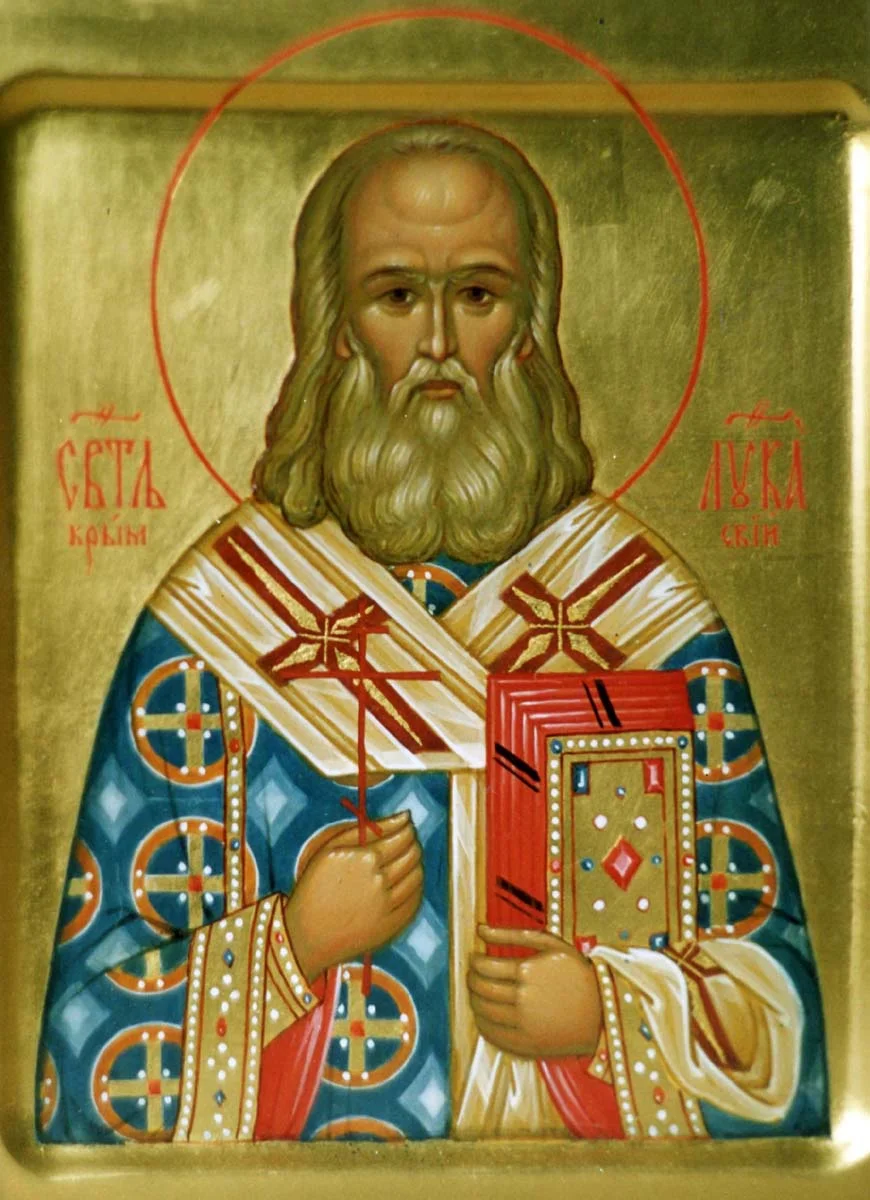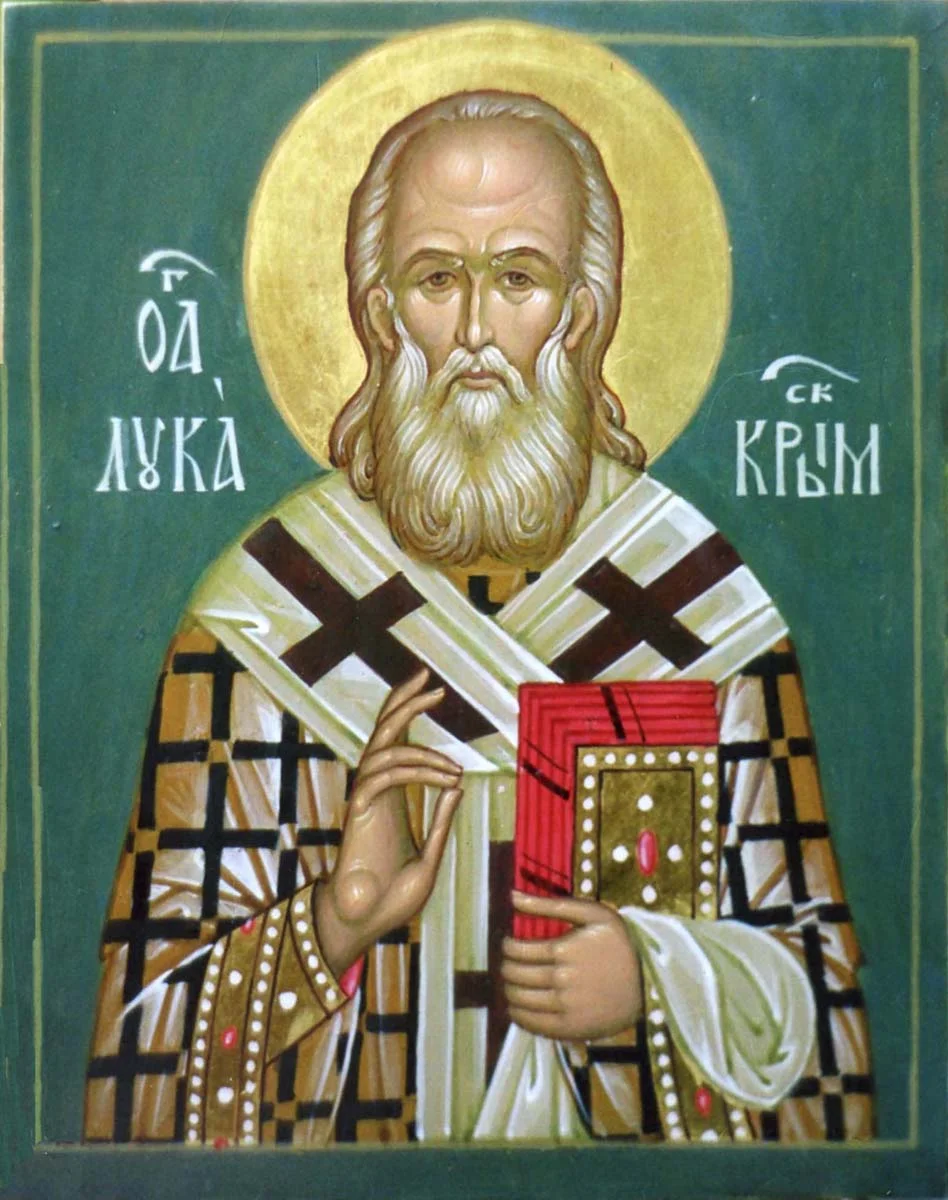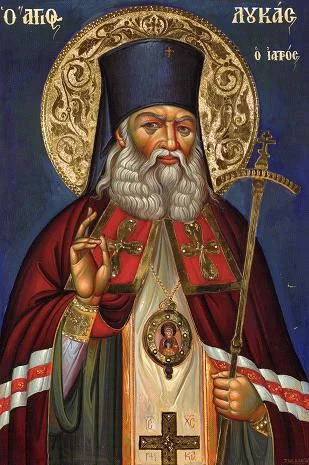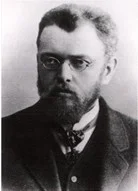
Hierarch
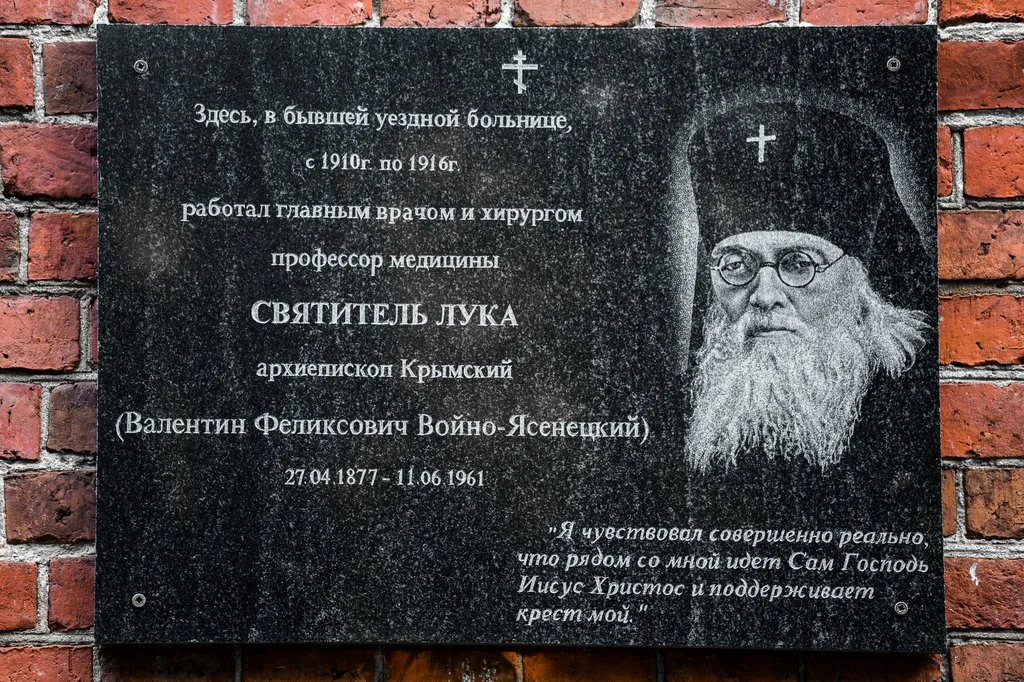
Hierarch Confessor Luke of Crimea (Voino-Yasenetsky)
27 April 1877 — †11 June 1961
Also known as: Valentin Feliksovich Voino-Yasenetsky (secular name)
Hierarch Luke (secular name Valentin Feliksovich Voino-Yasenetsky) — Archbishop of Simferopol and Crimea, outstanding surgeon, Doctor of Medicine, laureate of the 1946 Stalin Prize for "Essays on Purulent Surgery," arrested and exiled three times (1923-1943, over 11 years total), who continued operating on patients while a bishop; glorified as a saint by the Jubilee Bishops' Council of the Russian Orthodox Church in 2000.
Reading options
Hierarch Luke, secular name Valentin Feliksovich Voino-Yasenetsky, was born on April 27, 1877, in Kerch to the family of a Catholic pharmacist. He graduated from the medical faculty of Kiev University (1903), choosing the path of a zemstvo surgeon — working in Simbirsk, Kursk, and Saratov provinces, in Vereya district, in Pereslavl-Zalessky, and from 1917 in Tashkent. In 1915 he published the first edition of his principal work, "Regional Anesthesia," later expanded into the foundational "Essays on Purulent Surgery." In 1919 he was widowed (his wife Anna Vasilievna Lanskaya died of tuberculosis), and he raised four children.
In 1920 he became professor of topographic anatomy and operative surgery at Turkestan University in Tashkent. In 1921, while continuing to operate, he was ordained deacon and then priest — serving without removing his cassock and pectoral cross even during surgery. In 1923 he was secretly tonsured a monk with the name Luke (in honor of the apostle-evangelist, according to tradition a physician) and secretly consecrated Bishop of Tashkent.
From 1923 to 1943 he was arrested and exiled three times, over 11 years in total: the Butyrka and Taganka prisons (Moscow), exile in Yeniseysk, Turukhansk (from 1923), Krasnoyarsk Krai, and Arkhangelsk (from 1932) — at every place of confinement he continued to operate on patients and write scholarly works. During the Great Patriotic War, from 1941, while simultaneously serving as ruling bishop, he served as chief consulting surgeon of evacuation hospitals in Krasnoyarsk Krai — the state temporarily eased persecution for the sake of his medical expertise.
In 1944 he became Archbishop of Tambov; from April 1946, Archbishop of Simferopol and Crimea (his final and longest-held see). In 1946 he was awarded the First Class Stalin Prize for "Essays on Purulent Surgery" and "Late Resections for Infected Gunshot Wounds of the Joints" — a unique case of the highest state award being given to a ruling bishop. In 1959 he received an honorary Doctorate of Theology from the Moscow Theological Academy. He gradually lost his eyesight, becoming fully blind by 1958, but continued to administer his diocese and preach.
He reposed on June 11, 1961, in Simferopol. Locally glorified by the Crimean diocese in 1995-1996, he was canonized church-wide in the rank of hierarchs by the Jubilee Bishops' Council of the Russian Orthodox Church in August 2000, among the New Martyrs and Confessors of Russia. His relics were uncovered on the night of March 18, 1996.
His feast is kept on May 29/June 11 (repose) and March 5/18 (uncovering of relics).
Icons and images