
Irmos
The opening strophe of each ode of the canon: it is sung, and it sets the melody and metre for the troparia that follow.
Reading options
A canon consists of odes, and each ode begins with an irmos. It is easy to tell by ear: the irmos is sung, while the troparia that follow it are more often read. If during a canon the choir suddenly begins to sing — that is the next irmos.
The word is Greek and means “link,” “connection.” The irmos links two things. First, it retells the biblical canticle on which this ode of the canon is based: the first is the song of Moses after the crossing of the sea, the ninth the song of the Mother of God. Second, it sets the melody and the poetic metre on the pattern of which all the troparia of this ode are composed.
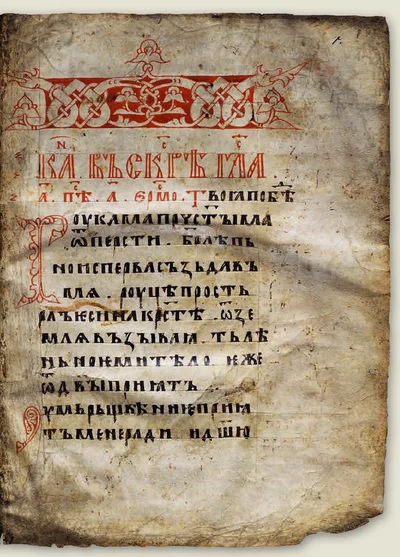
The irmoi are gathered in a separate book, the Irmologion, from which the choir director takes the melody he needs.
The katavasia is worth hearing separately: this is the irmos with which an ode of the canon is concluded. The name comes from the Greek for “descent” — according to the Typikon, for it both choirs would come together from the two kliroses to the middle of the church and sing together.
See also
Books and chant
Canon
The longest hymn of the service: nine odes, each with an irmos and several troparia, read at Matins.
Books and chant
Tone
Not pitch but a set of melodies. There are eight tones; they change weekly and repeat every eight weeks.
Divine services
Matins
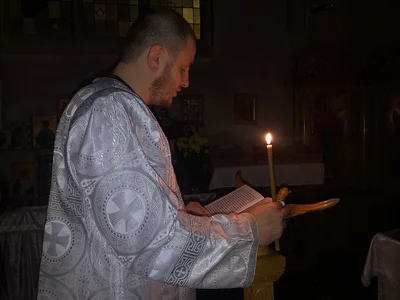
The longest service of the daily cycle. Appointed for the morning, but in parishes it is served in the evening as the second half of the vigil.
Books and chant
Troparion
A short hymn of a few lines — the main chant of the day, stating in two phrases what is celebrated.
Books and chant
Octoechos
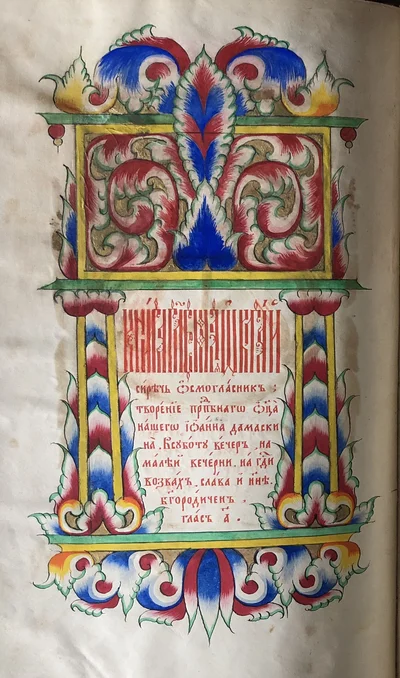
The book of the weekly cycle: eight tones, each with services for every day of the week.