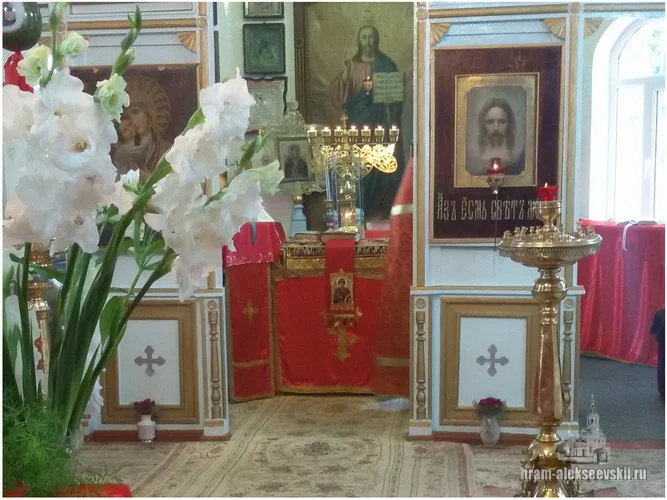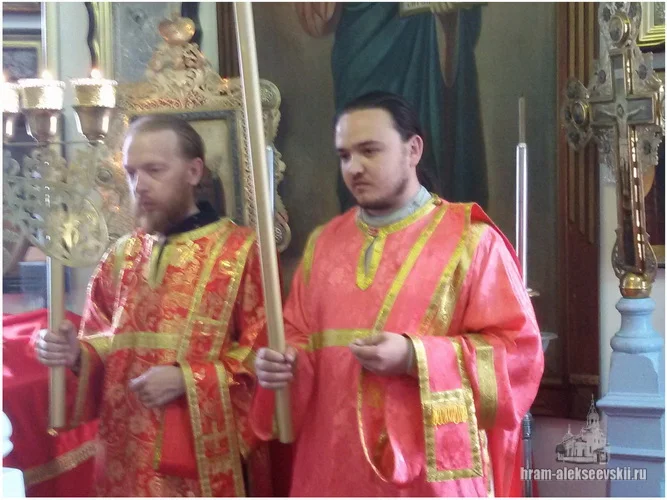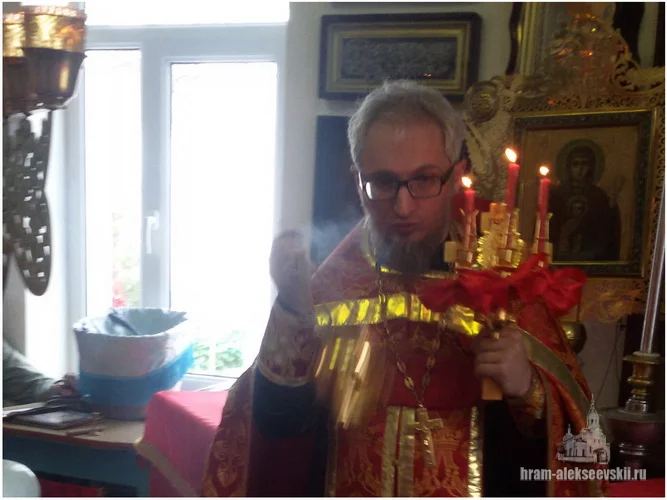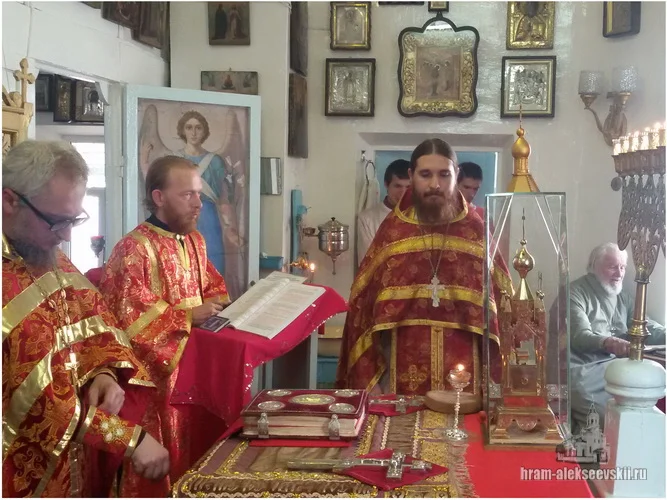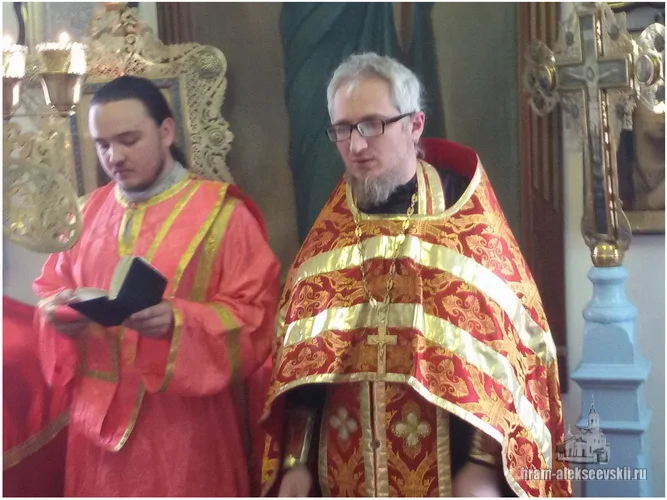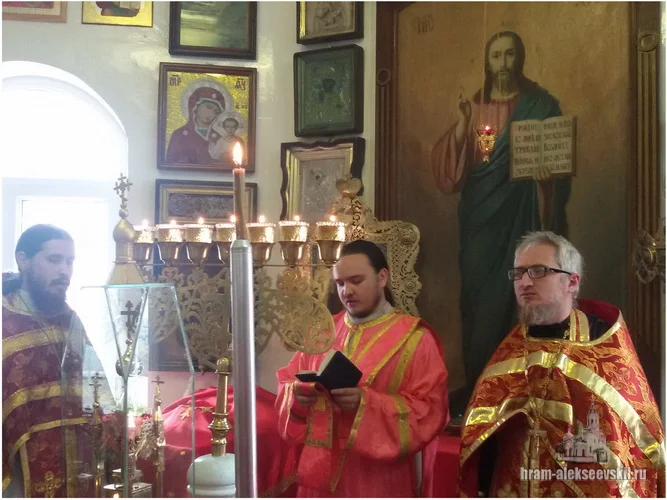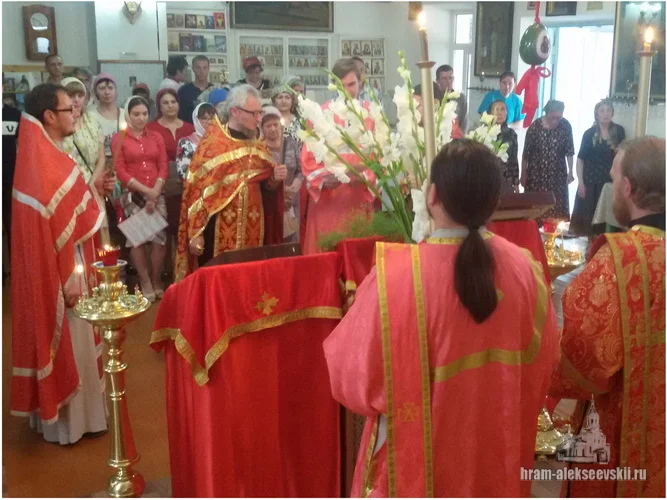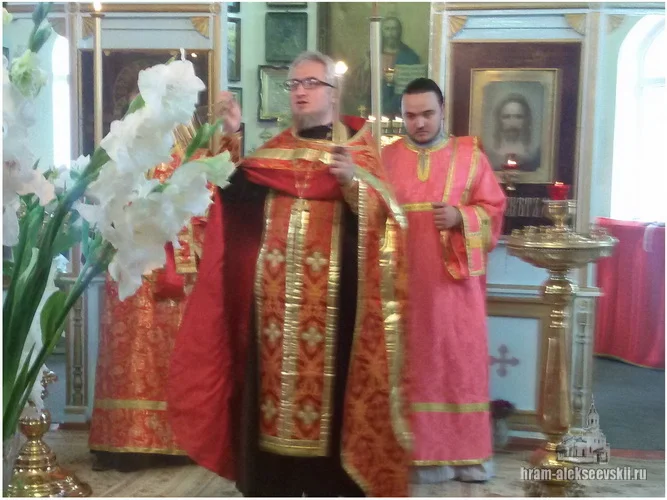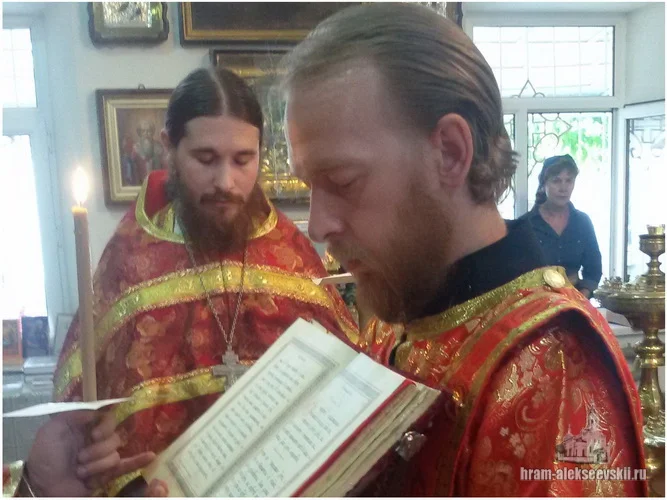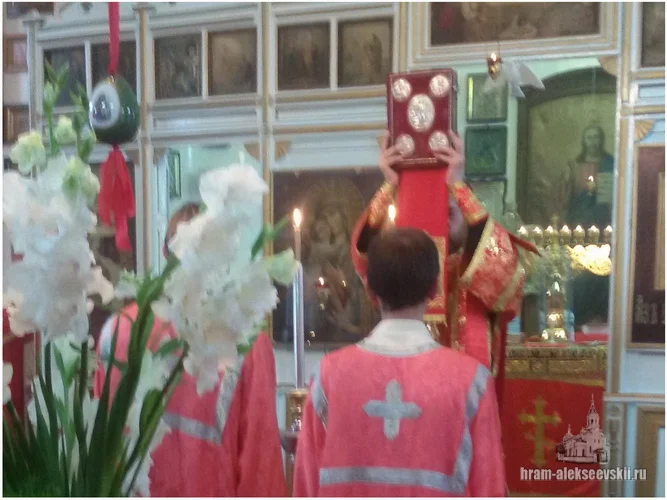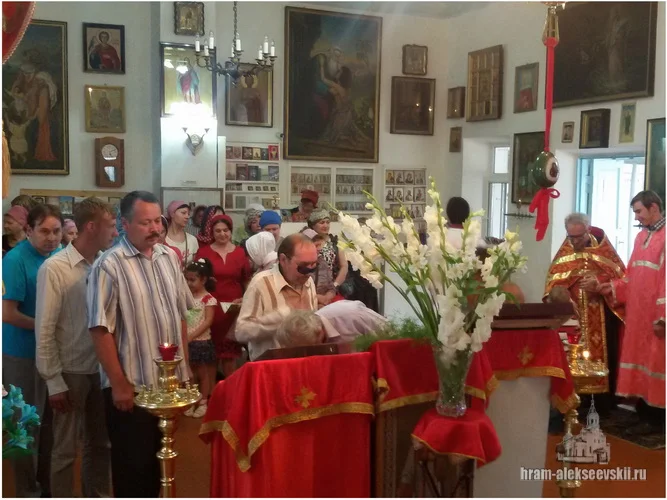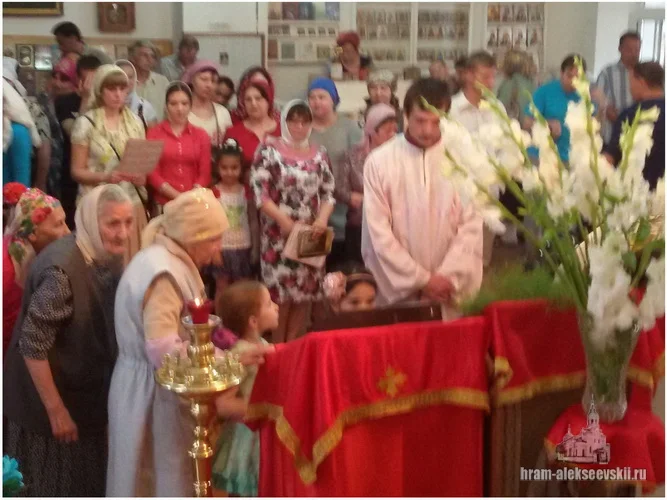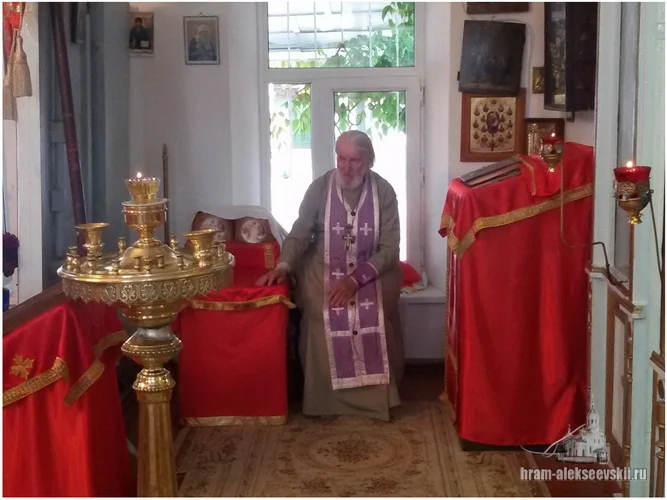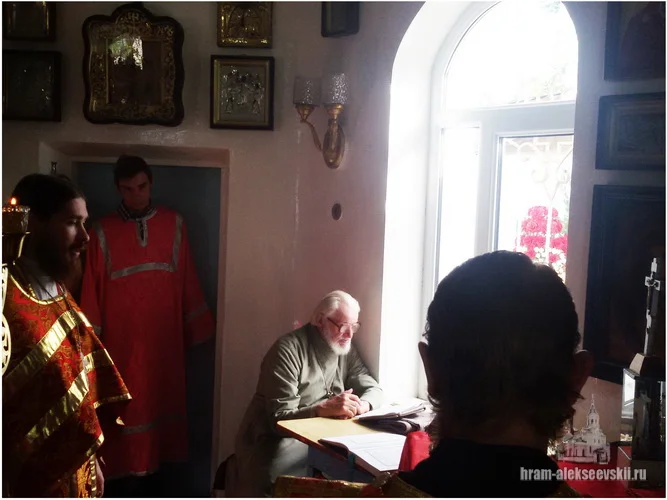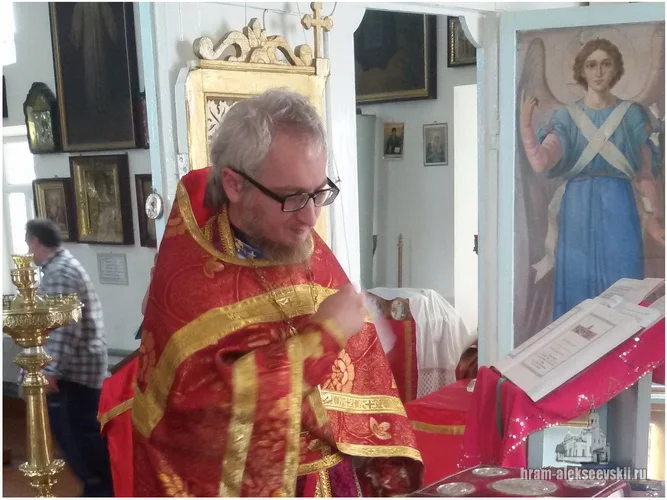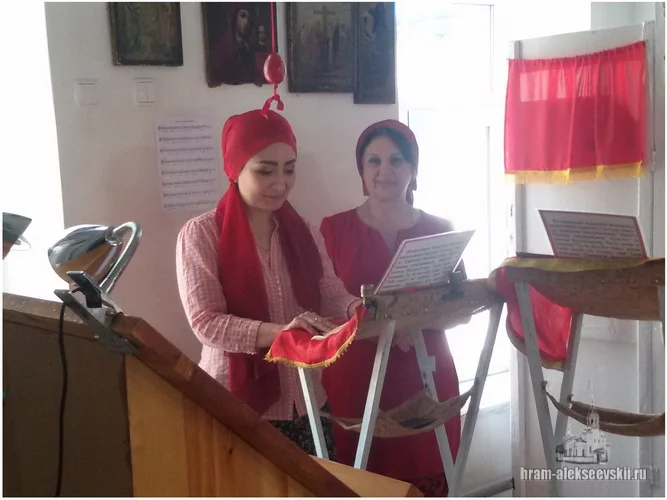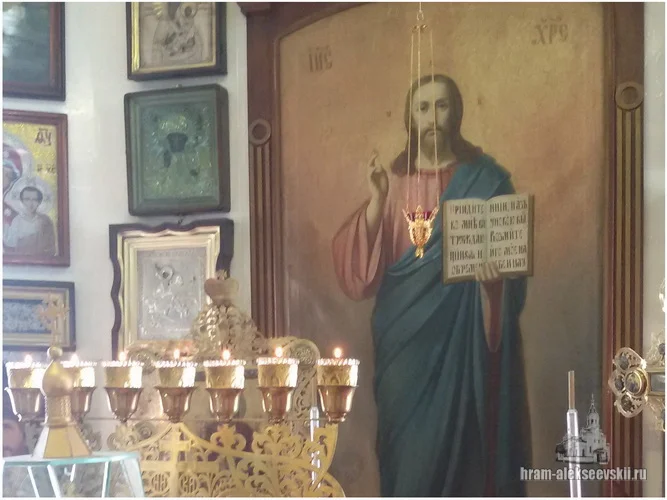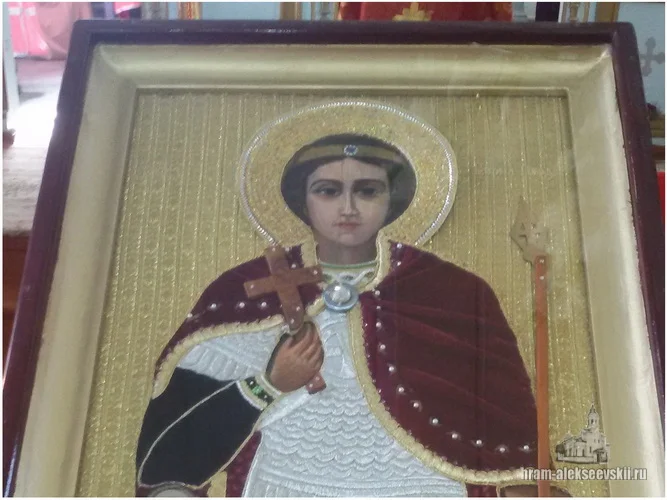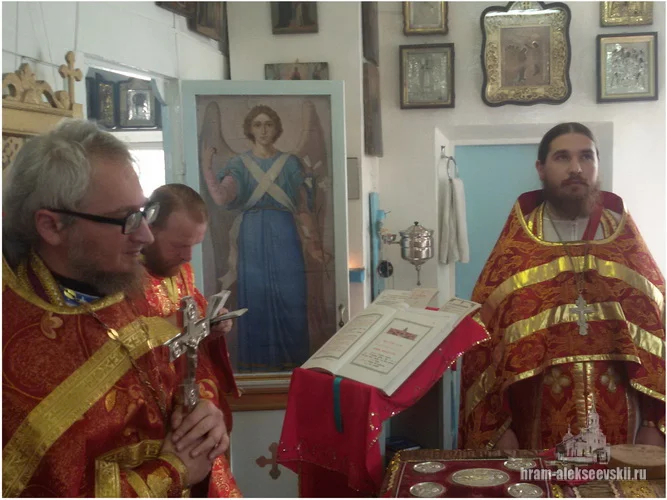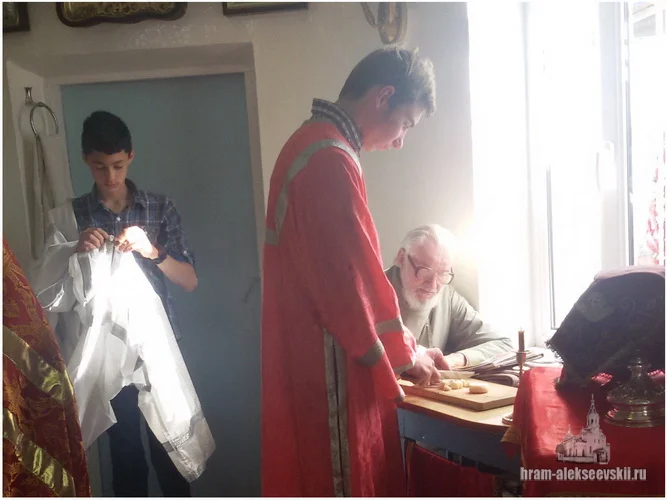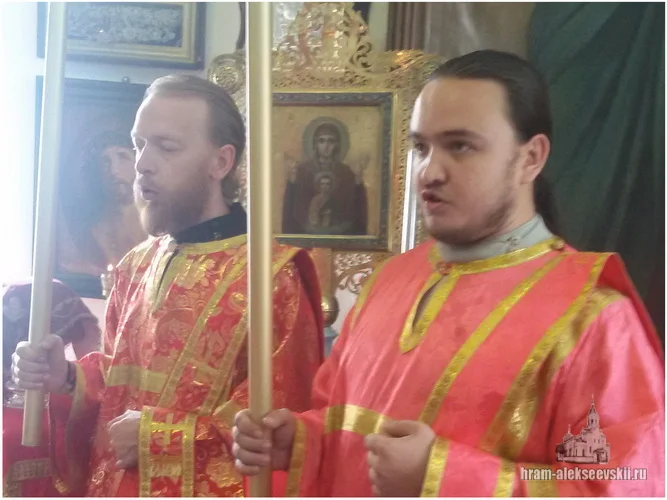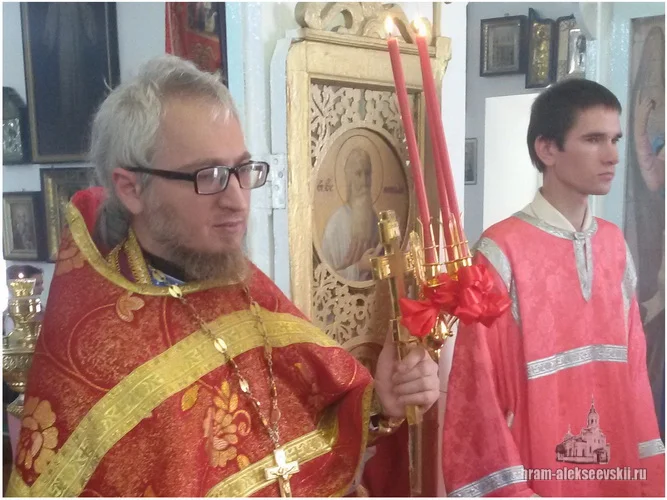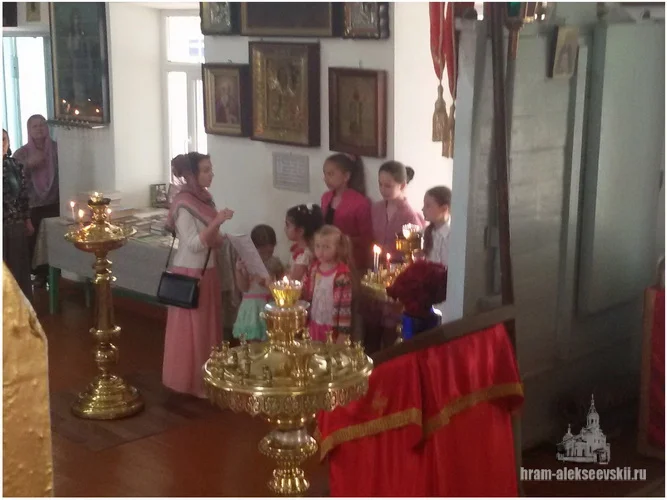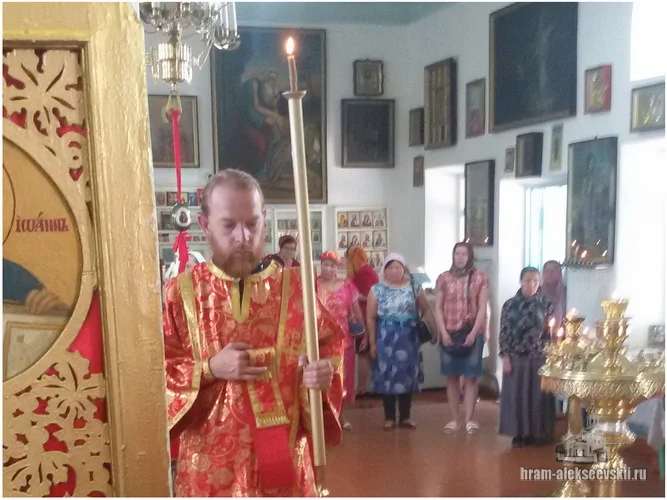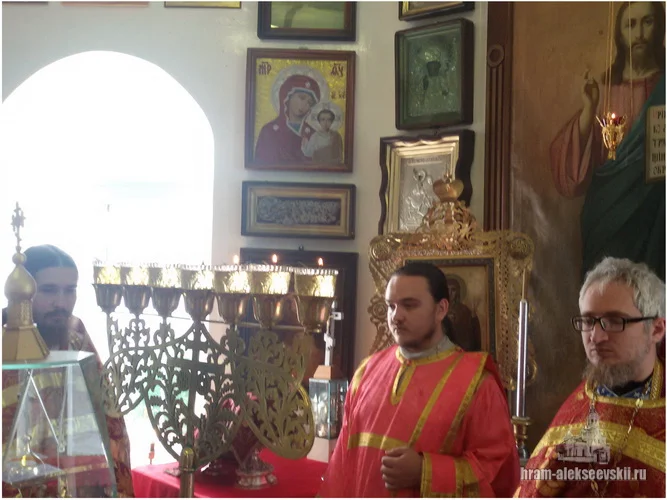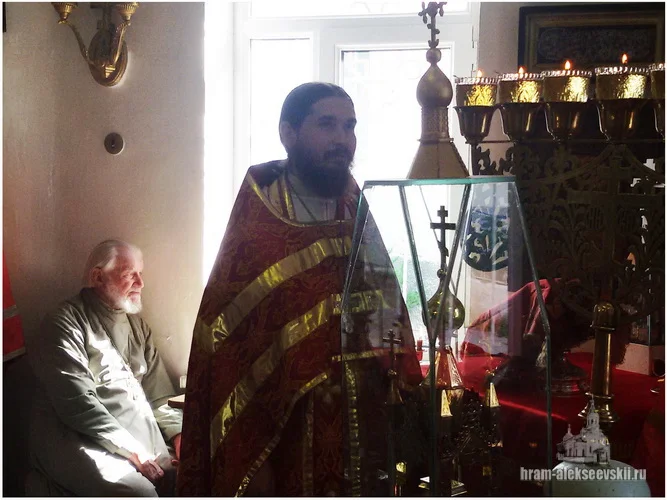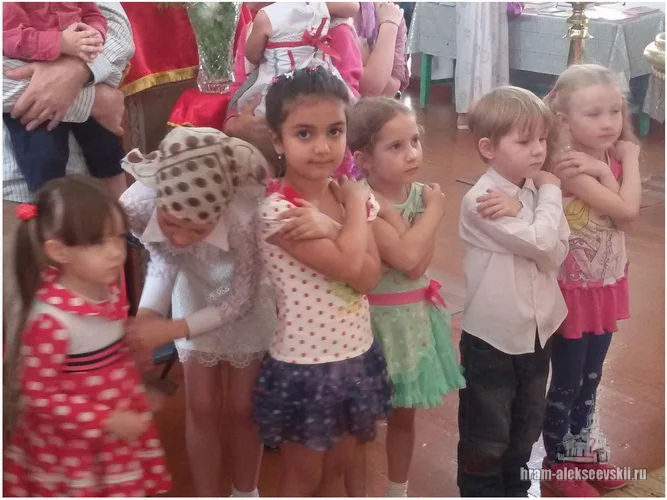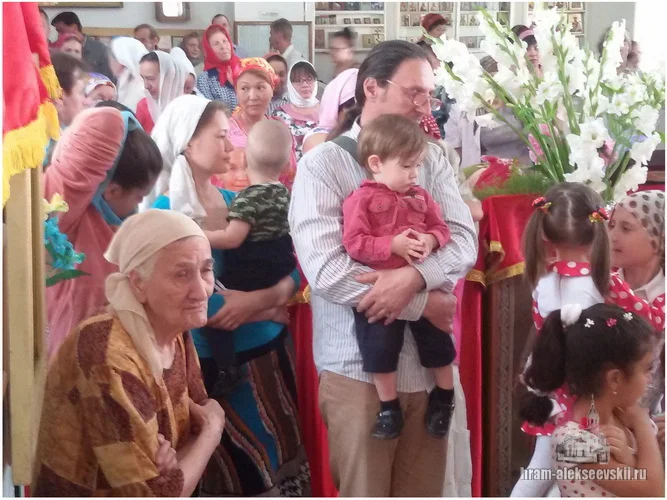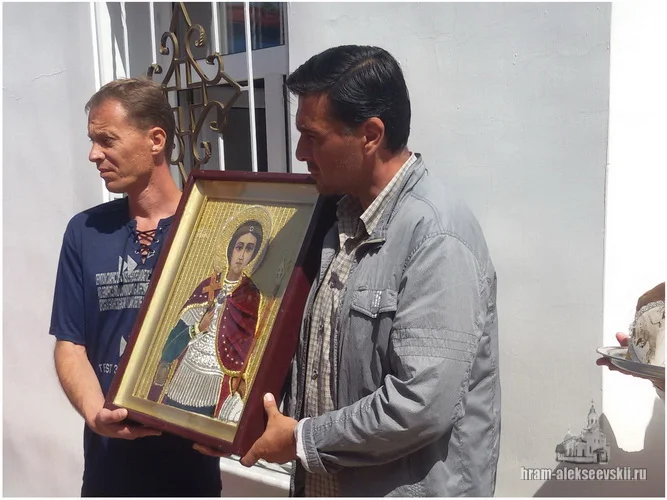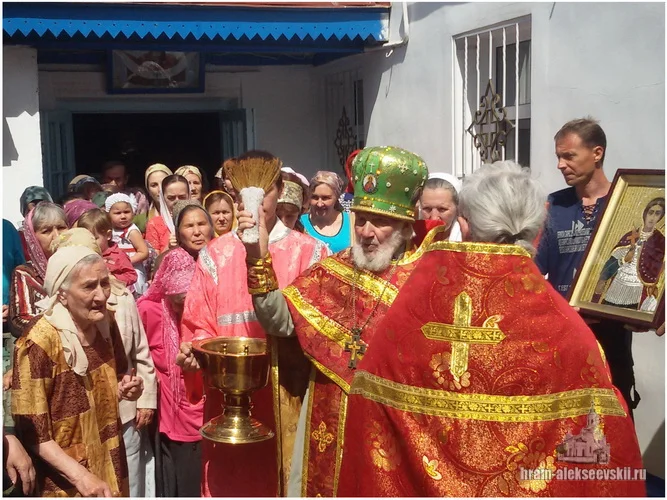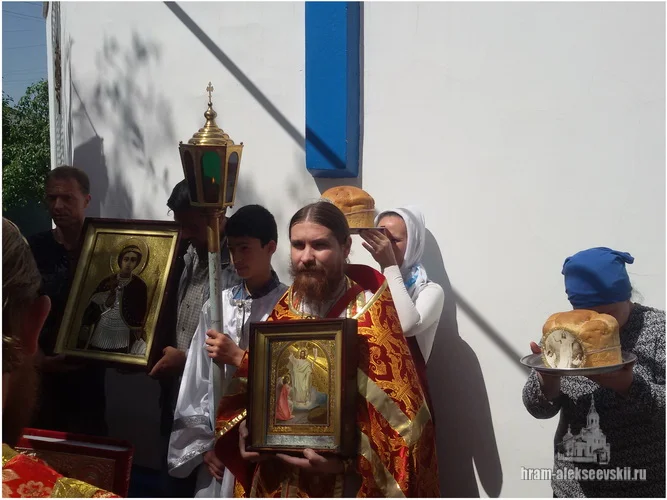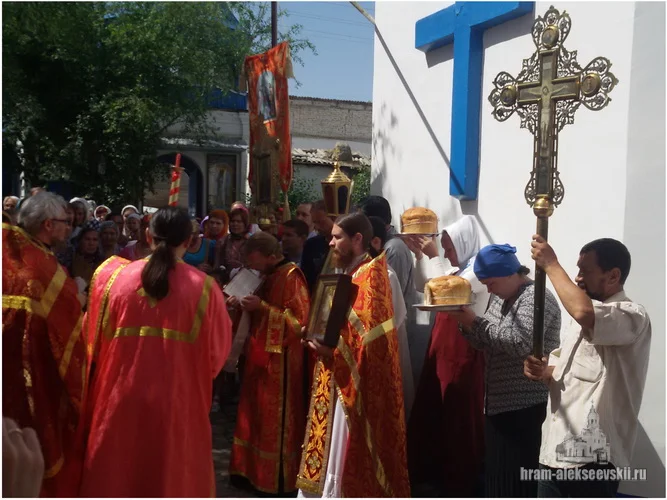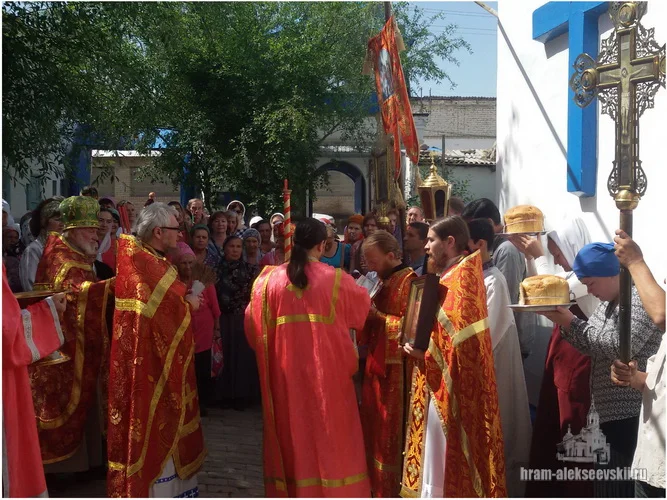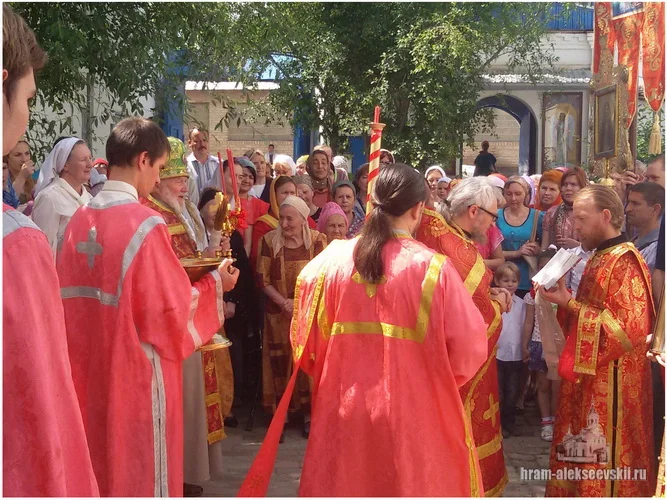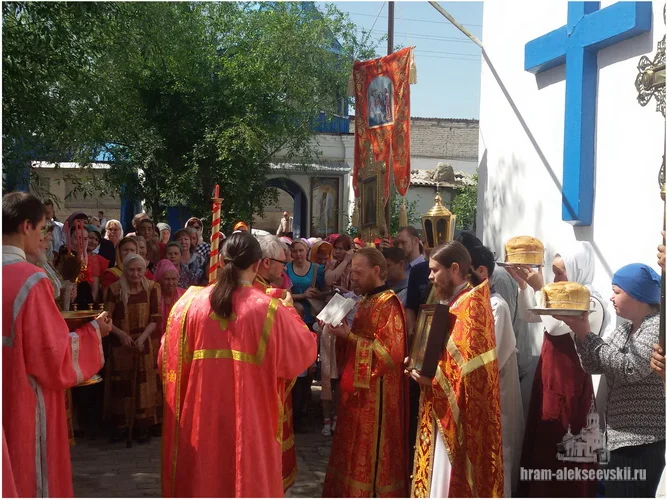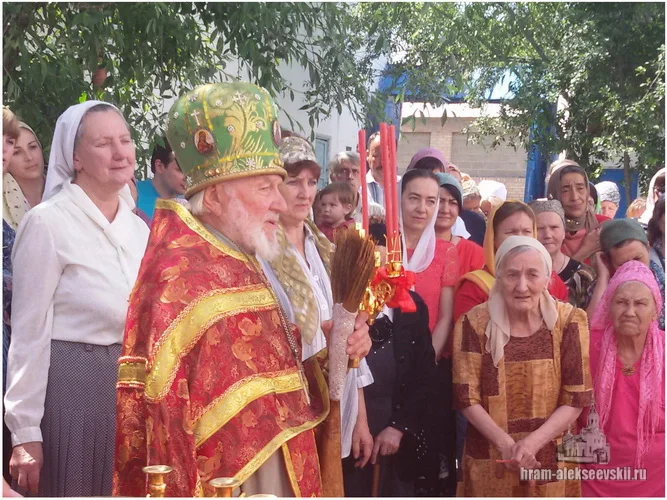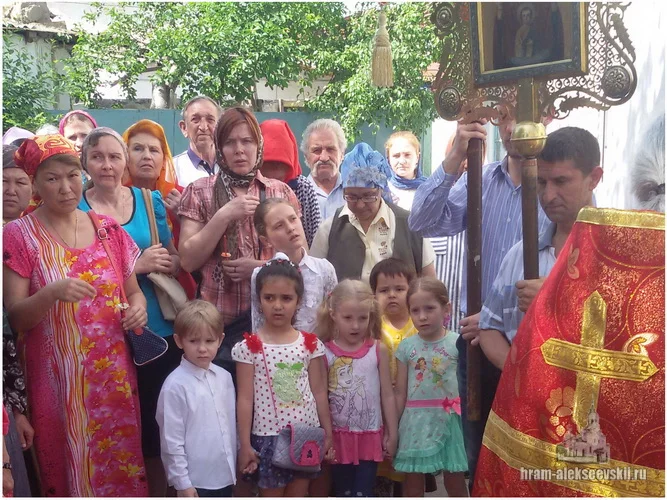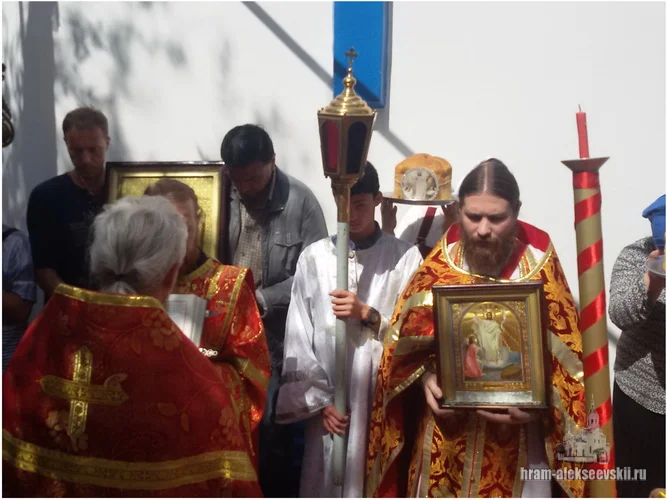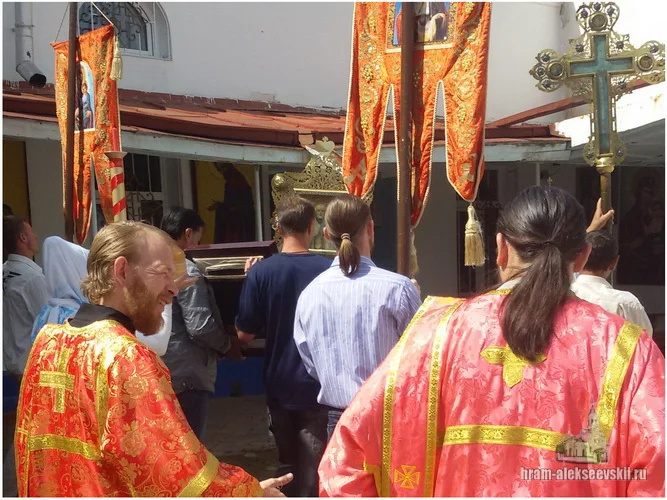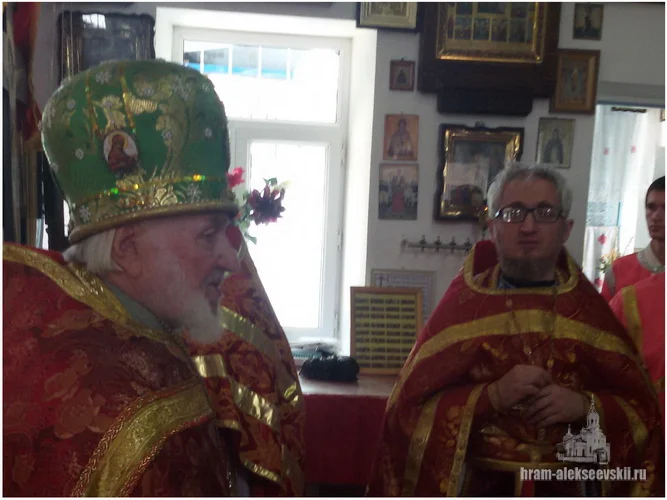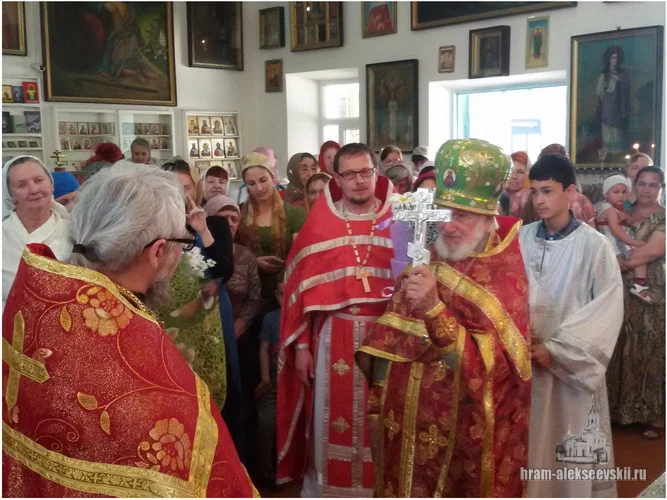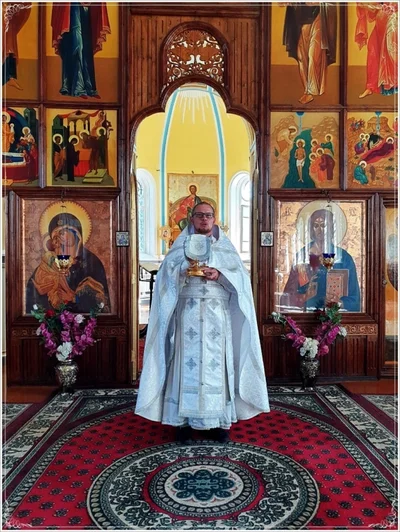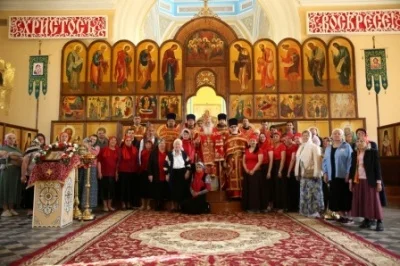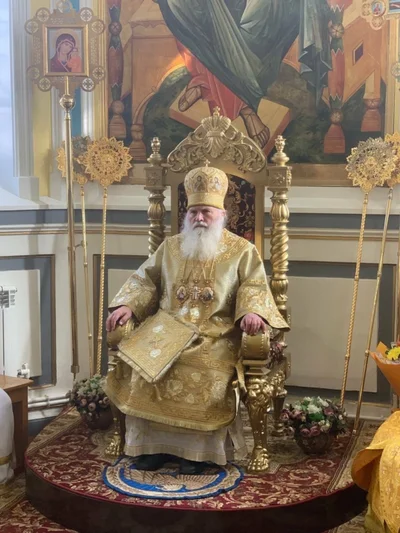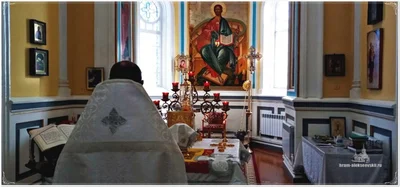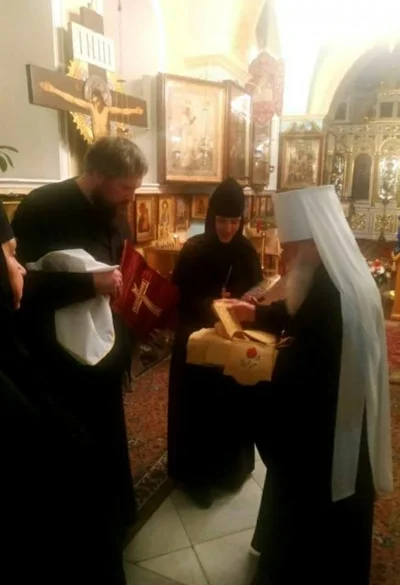
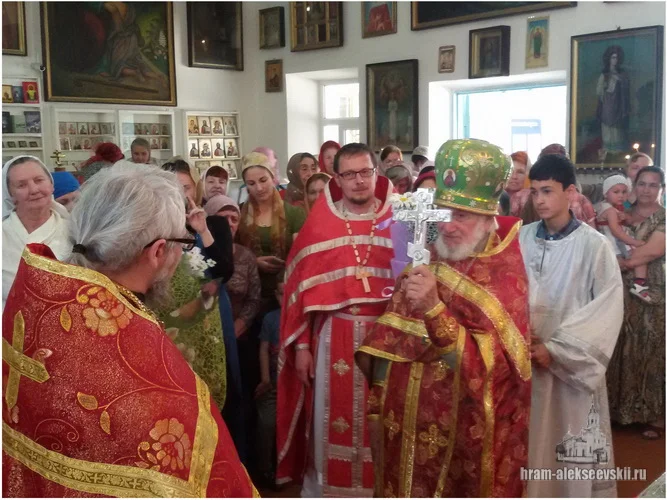
On 6 May a festive Divine Liturgy for the patronal feast was celebrated at the Church of the Great Martyr George the Victorious in Samarkand, concluding with a procession of the cross. The Liturgy was led by the rector of the church, Archpriest Dimitry Kozulin, with the priests of the Samarkand Deanery concelebrating. The evening service had been celebrated the day before.
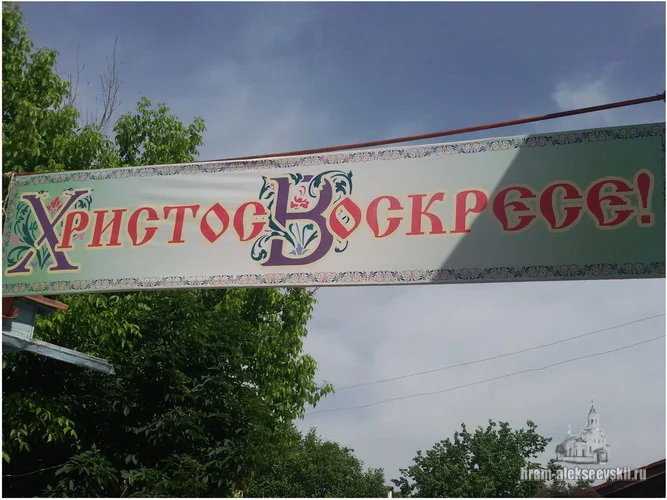
The service was marked by an especially warm atmosphere. The procession of the cross around the church took place to singing and the exclamations "Christ is risen!"
The Great Martyr George was the son of wealthy and pious parents, who raised him in the Christian faith. He was born in the city of Beirut (in antiquity, Berytus), at the foot of the mountains of Lebanon.
Having entered military service, the Great Martyr George stood out among the other soldiers for his intelligence, courage, physical strength, military bearing and handsomeness. Soon reaching the rank of tribune, St. George became a favorite of the Emperor Diocletian. Diocletian was a talented ruler but a fanatical devotee of the Roman gods. Having set himself the goal of reviving dying paganism in the Roman Empire, he went down in history as one of the cruelest persecutors of Christians.
Once, hearing in court an inhuman sentence for the extermination of Christians, St. George was inflamed with compassion for them. Foreseeing that sufferings awaited him too, George gave away his possessions to the poor, set his slaves free, appeared before Diocletian and, declaring himself a Christian, denounced him for his cruelty and injustice. St. George's speech was full of strong and convincing objections to the imperial order to persecute Christians.
After fruitless attempts to persuade him to renounce Christ, the emperor ordered the saint to be subjected to various tortures. St. George was thrown into prison, where he was laid on his back on the ground, his feet were put in stocks, and a heavy stone was placed on his chest. But St. George bravely endured his sufferings and glorified the Lord. Then George's tormentors began to devise ever more refined cruelty. They beat the saint with ox sinews, broke him on the wheel, threw him into quicklime, and forced him to run in boots with sharp nails inside. The holy martyr patiently endured everything. In the end the emperor ordered the saint to be beheaded with the sword. Thus the holy sufferer departed to Christ in Nicomedia in the year 303.
For his courage and his spiritual victory over his tormentors, who could not force him to renounce Christianity, and also for his miraculous help to people in danger, the Great Martyr George is also called the Victorious. The relics of St. George the Victorious were laid in the Palestinian city of Lydda, in a church bearing his name, while his head is kept in Rome, in a church likewise dedicated to him.
On icons St. George is depicted seated on a white horse and striking a serpent with a spear. This image is based on tradition and relates to the posthumous miracles of the Holy Great Martyr George. Not far from the place where St. George was born, in the city of Beirut, a serpent lived in a lake and often devoured the people of that area. What kind of beast it was — a boa, a crocodile or a large lizard — is unknown. To appease the serpent's fury, the superstitious people of that area began regularly to give it a youth or a maiden to devour, chosen by lot. One day the lot fell on the daughter of the ruler of that area. She was taken to the shore of the lake and tied up, and there in terror she began to await the appearance of the serpent.
But when the beast began to approach her, a radiant youth suddenly appeared on a white horse, struck the serpent with his spear and saved the maiden. This youth was the Holy Great Martyr George. By this miraculous appearance he put an end to the destruction of young men and women in the region of Beirut and converted to Christ the inhabitants of that land, who until then had been pagans.
It may be supposed that the appearance of St. George on horseback to protect the inhabitants from the serpent, as well as the miraculous revival of a farmer's only ox described in his Life, gave rise to the veneration of St. George as the patron of cattle-breeding and protector against wild beasts.
The Great Martyr George is the patron of soldiers. The image of George the Victorious on horseback symbolizes victory over the devil, "that serpent of old" (Rev. 12:3; 20:2). The Great Martyr George the Victorious is loved not only by Orthodox Christians, but also by people of other faiths.