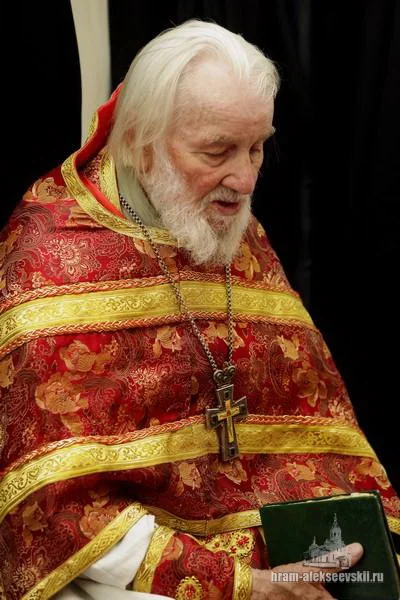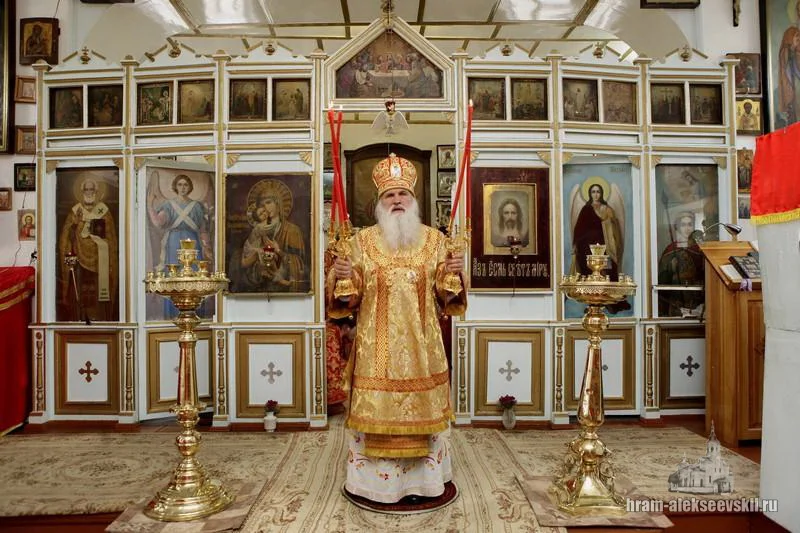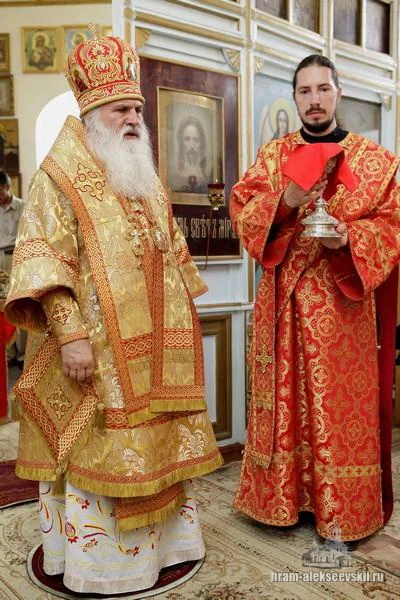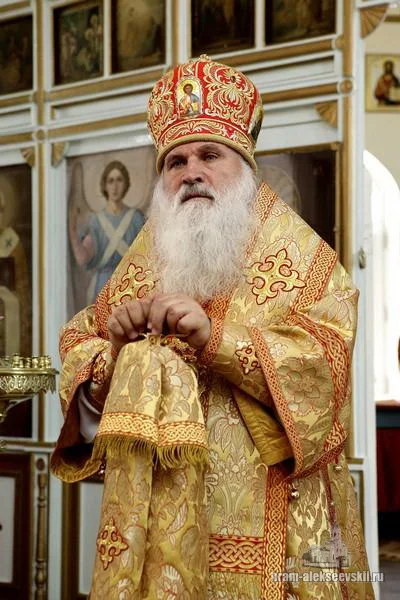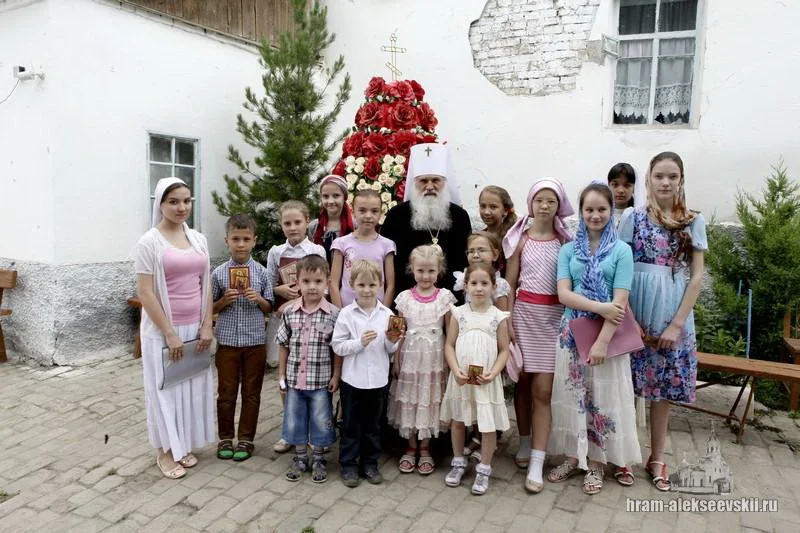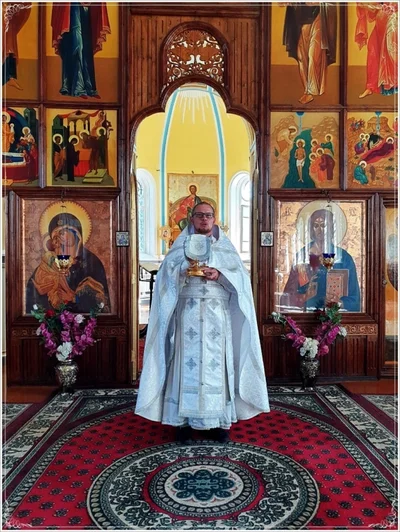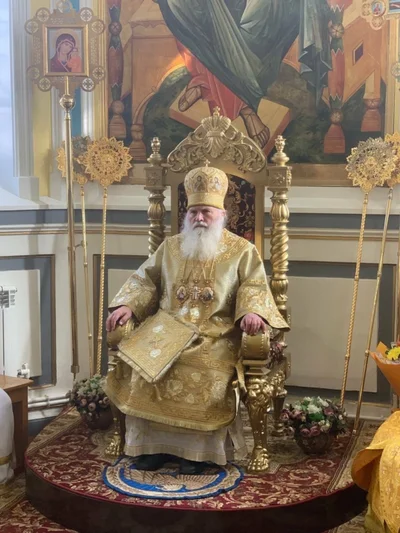
The head of the Central Asian Metropolitan District, Metropolitan Vikenty of Tashkent and Uzbekistan, continues his Paschal visits to the parishes of the diocese. These days the archpastor is in the Samarkand Deanery.
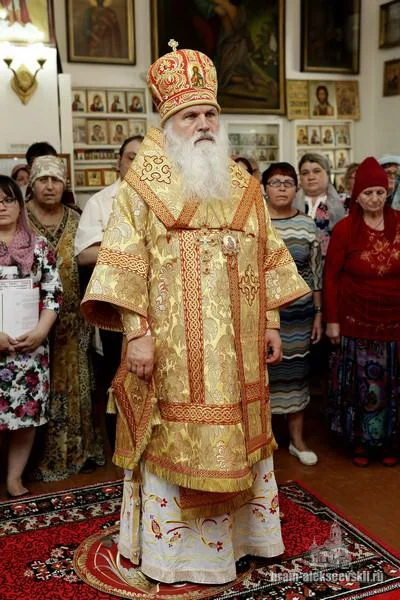
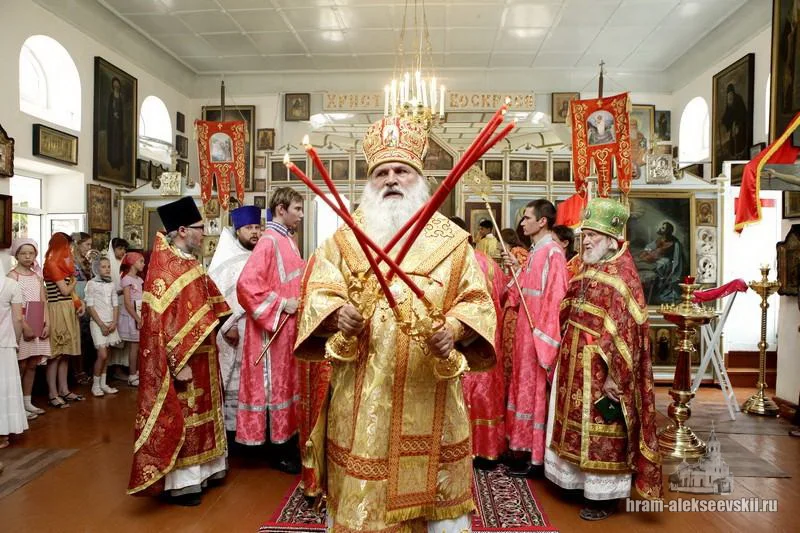
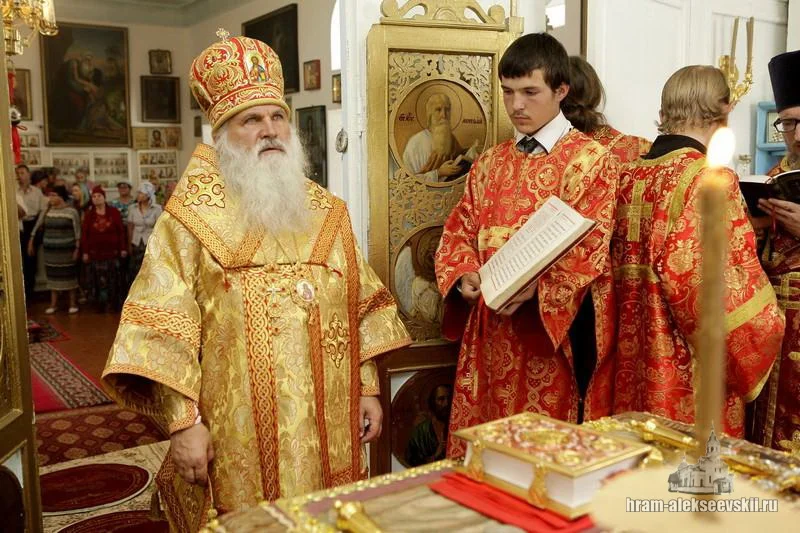
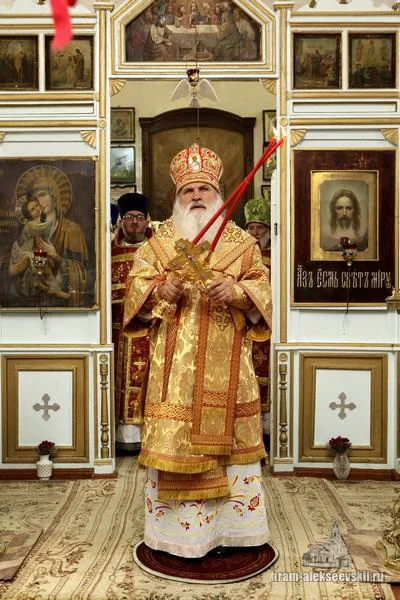
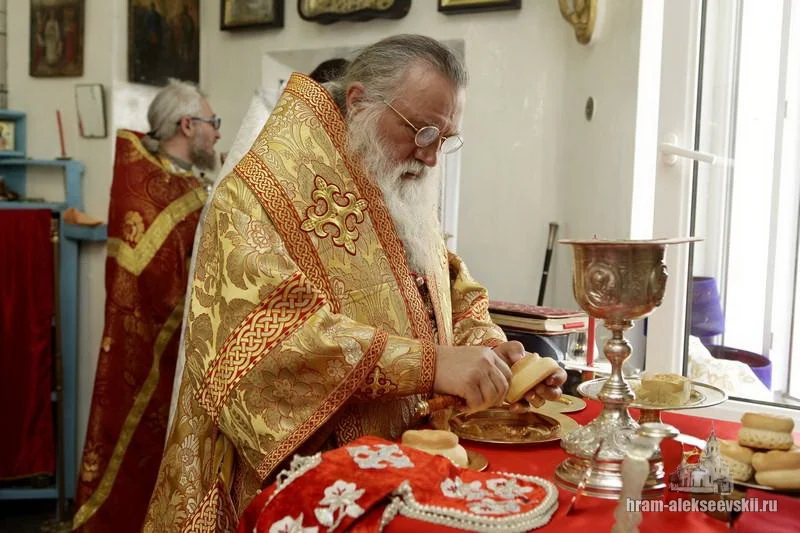
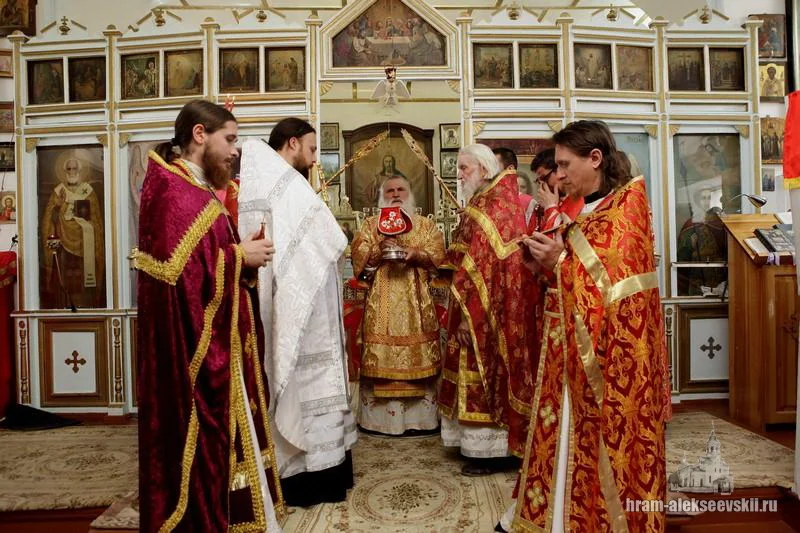
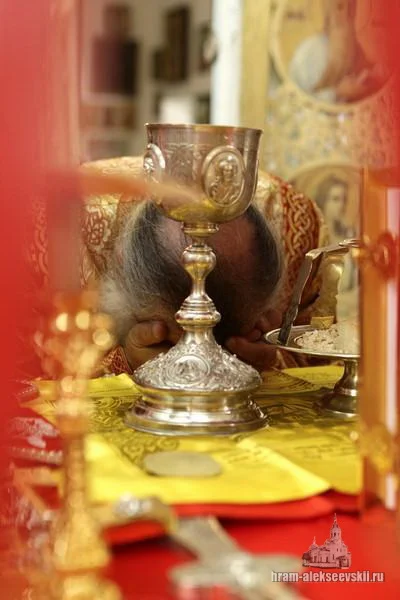
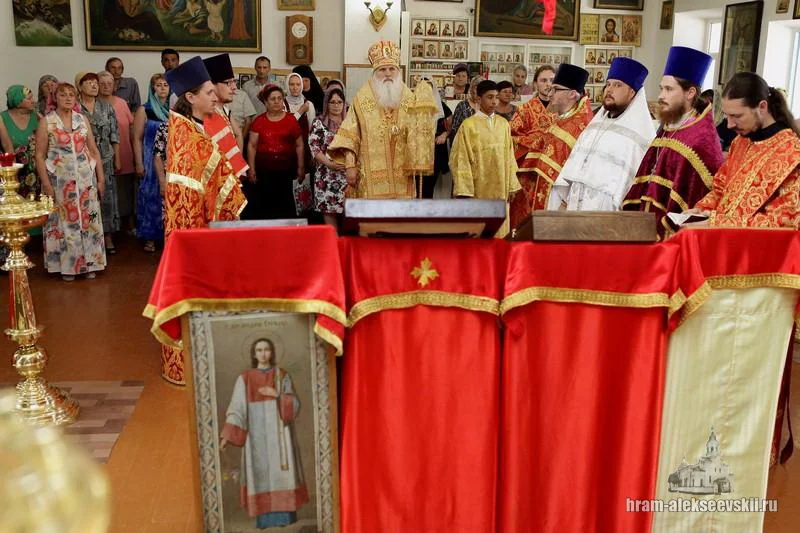
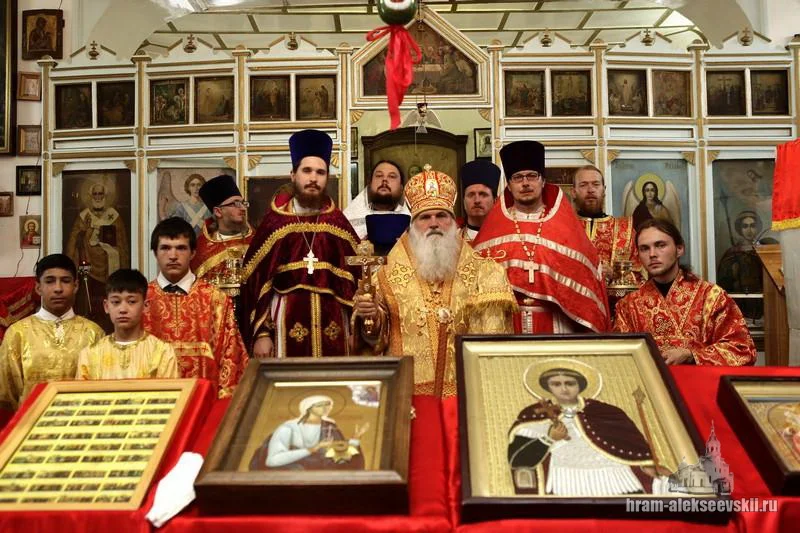
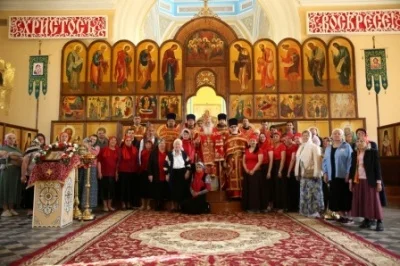
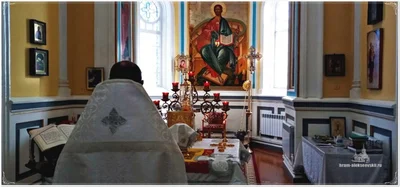
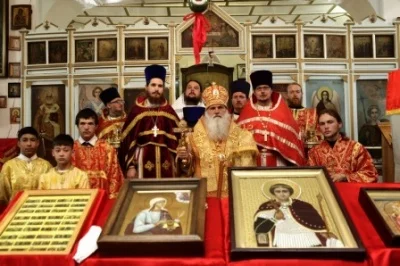
On 1 June 2016, the feast of the Holy Right-believing Prince Dimitry Donskoy, Metropolitan Vikenty celebrated the Divine Liturgy at the Church of the Holy Great Martyr George the Victorious in Samarkand.
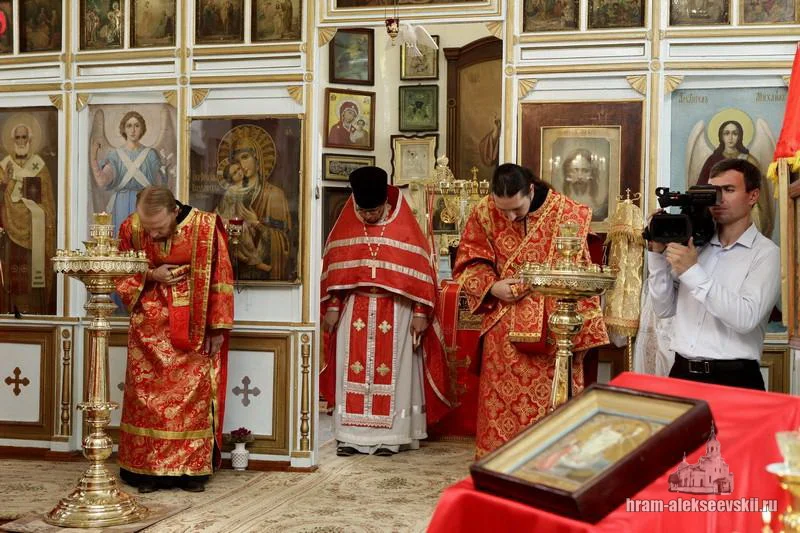
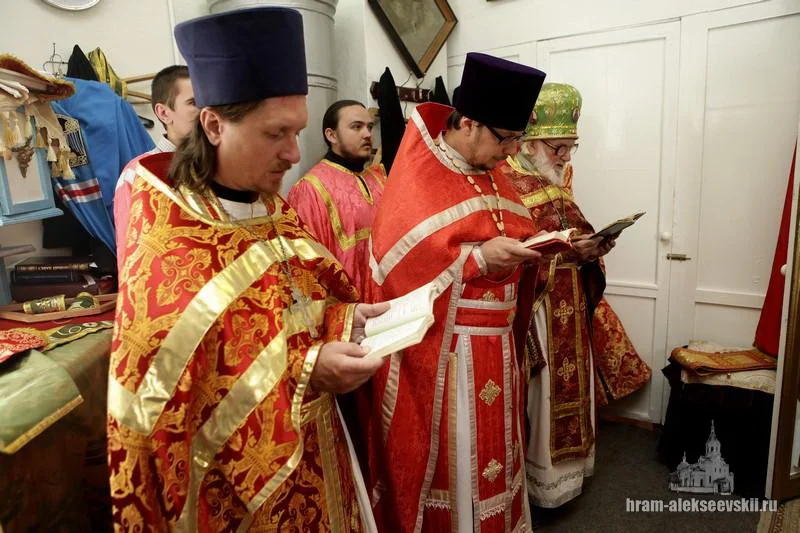
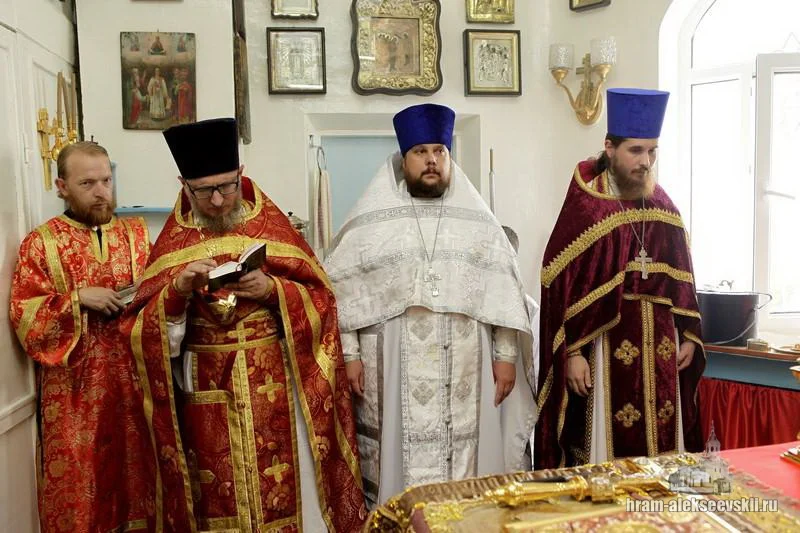
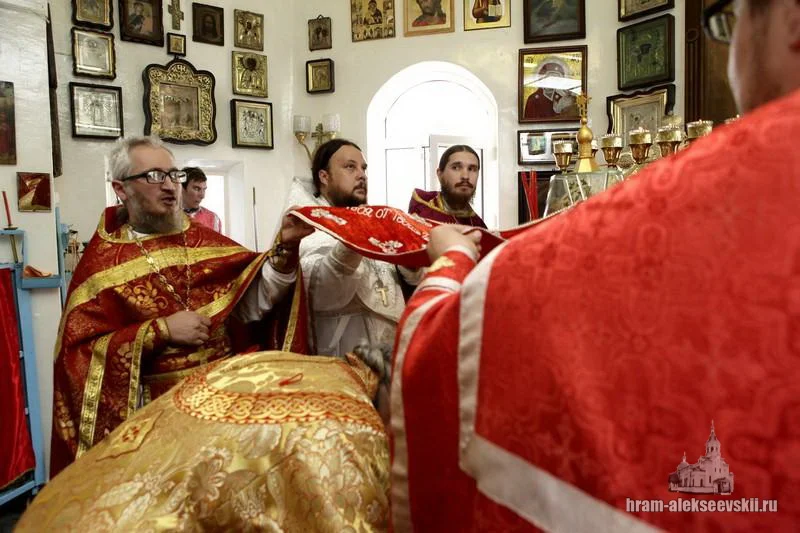
Concelebrating with His Eminence were the clergy of the parishes of the Samarkand Deanery and deacons of the Holy Dormition Cathedral in Tashkent: Mitred Archpriest Dimitry Kozulin, Archpriest Roman Zagrebelny, Archpriest Igor Babakov, Priest Dionisy Yakimenko, Priest Vladimir Skornyakov, Priest Timofey Sirodzhev, Hierodeacon Mikhail (Stolyarov), Deacon Alexander Kolotovkin, Deacon Oleg Lin and Deacon Oleg Dushenko.
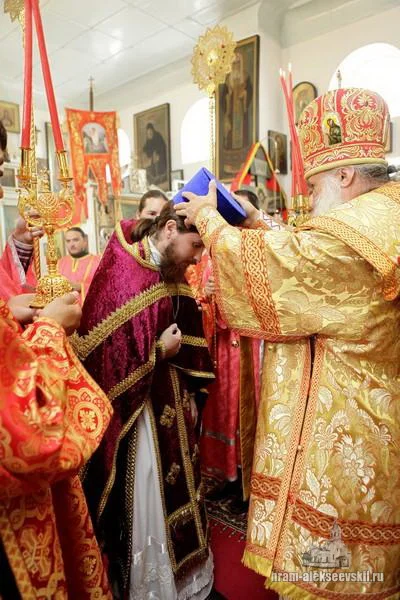
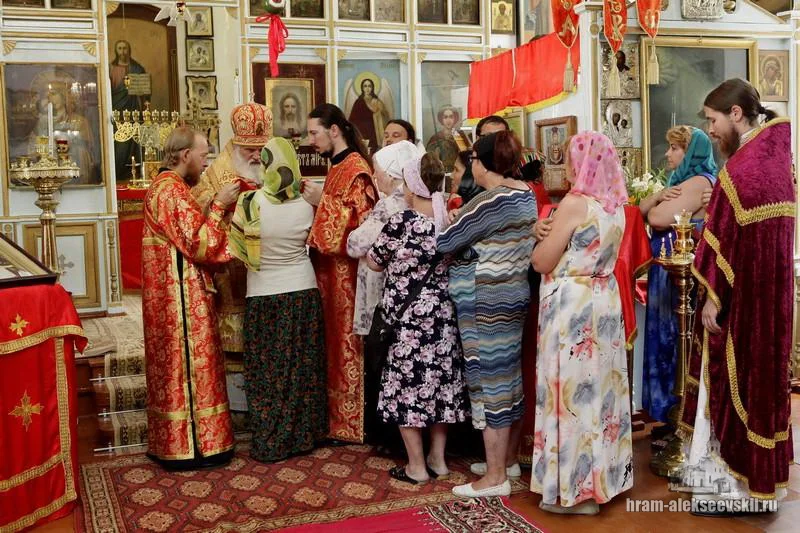
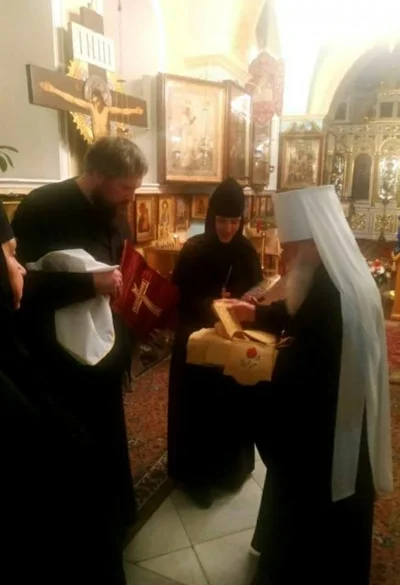
At the Little Entrance Metropolitan Vikenty presented a church award — the right to wear the kamilavka — to Fr. Timofey Sirodzhev, acting rector of the House of Prayer of the Holy Equal-to-the-Apostles Grand Prince Vladimir.
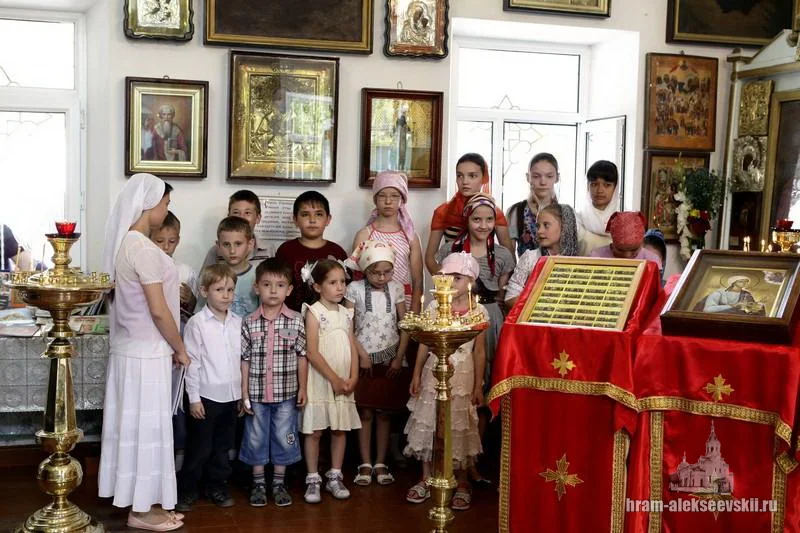
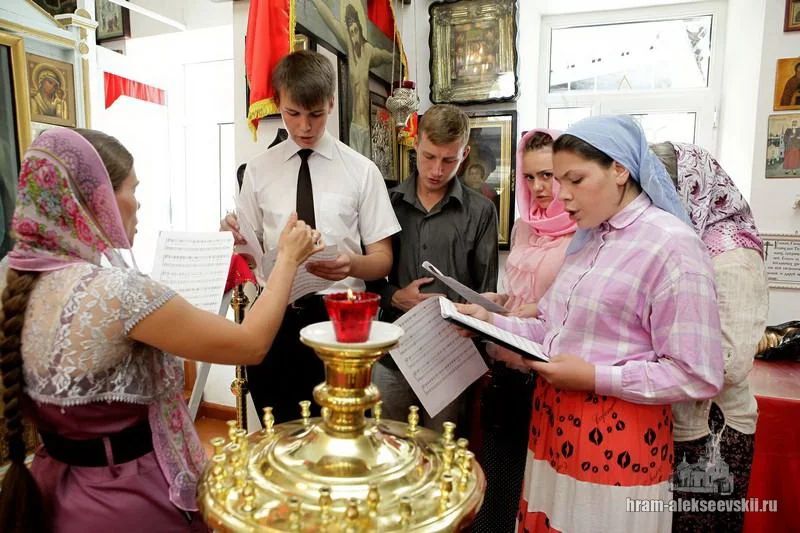
At the service, in addition to the left kliros (choir), the hymns of the Liturgy were also sung by the children of parishioners and the young people of the Churches of the Holy Great Martyr George the Victorious and of the Protection of the Most Holy Theotokos in Samarkand.
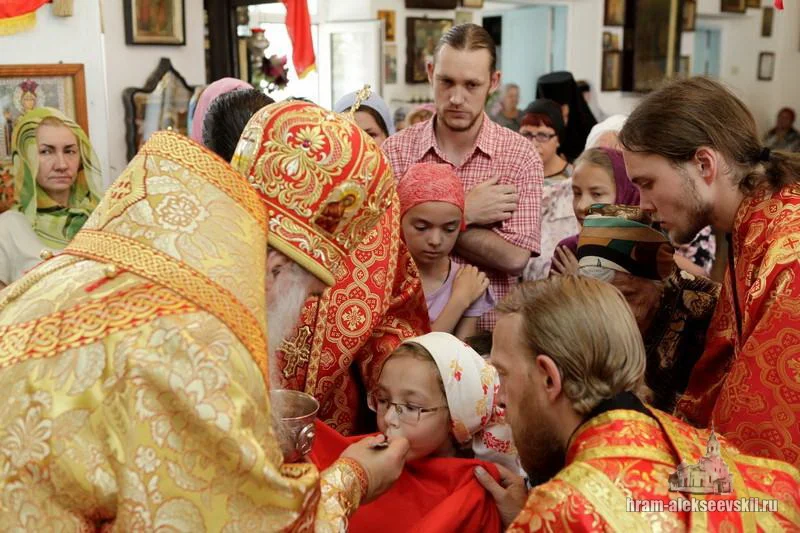
After Holy Communion and the dismissal, magnifications were sung for the leave-taking of the feast of Mid-Pentecost and in honor of the Right-believing Prince Dimitry Donskoy.
Then the ruling bishop of the Tashkent Diocese, having congratulated everyone on the feast of the Resurrection of our Lord and Savior Jesus Christ, addressed the faithful with his archpastoral word of exhortation:
"Dear brothers and sisters, we spend these holy days of the Pascha of Christ over the course of forty days. After His glorious resurrection, Christ the Savior appeared to people, to His disciples, for all forty days, teaching them not about earthly life but revealing to them the mysteries of the Kingdom of Heaven. Therefore we too, as Orthodox Christians, as disciples of Christ, must strive to speak about eternal things and to reflect on eternal things. And everything we do, we must do for the sake of eternity. We need to learn this well, especially now, in these days of holy Pascha, when the risen Christ the Savior abides with us and gives us the great joy and power of His wondrous and glorious resurrection, to strengthen us in faith and for our ascent to the heavenly mansions."
In his sermon His Eminence also spoke briefly about the life and labors of the Holy Right-believing Grand Prince Dimitry Donskoy and his wife, Grand Princess Evdokia, in monasticism Euphrosyne.
St. Dimitry Donskoy was born in 1350 and was brought up under the guidance of St. Alexius of Moscow. The Christian piety of the holy Prince Dimitry was combined with his talent as an outstanding statesman. He devoted himself to the cause of uniting the Russian lands and freeing Rus' from the Tatar-Mongol yoke.
Gathering his forces for the decisive battle with the hordes of Mamai, St. Dimitry asked for the blessing of Venerable Sergius of Radonezh. The elder encouraged the prince and sent the schema-monks Alexander (Peresvet) and Andrei (Oslyabya) to help him. For his victory on the Kulikovo Field (between the Don and Nepryadva rivers) on the feast of the Nativity of the Most Holy Theotokos, Prince Dimitry came to be called Donskoy. He founded the Dormition Monastery on the Dubenka River and built the Church of the Nativity of the Most Holy Theotokos over the graves of the fallen warriors. St. Dimitry reposed in the Lord on 19 May 1389 and was buried in the Cathedral of the Archangel in the Moscow Kremlin.
The secular name of Venerable Euphrosyne was Evdokia ("Good Will"). She was the daughter of Prince Dimitry Konstantinovich of Suzdal and his wife Anna. With the blessing of St. Alexius, Metropolitan of Moscow, Evdokia was married to Grand Prince Dimitry Ivanovich of Moscow on 18 January 1366. The wedding was solemnly celebrated in Kolomna according to the customs of the time. This marriage was of great significance for the destiny of the Muscovite state, sealing the alliance of the Principalities of Moscow and Suzdal. The marriage of the young prince and princess "filled the hearts of the Russians with joy," as the chronicler says.
The young princess prayed unceasingly for her native land and did everything in her power to ease the lot of the suffering. Less than five years into the marriage, Prince Dimitry had to travel to the Horde because of a dispute over the grand princely throne with Prince Mikhail Alexandrovich of Tver (1371). The primate of the Russian Church, Metropolitan Alexius, not only blessed the prince for this journey — the eighty-year-old elder himself accompanied him as far as Kolomna. In her husband's absence Evdokia, together with all the people, prayed for the prince's safe return. Through the prayers of St. Alexius and Venerable Sergius, Prince Dimitry Ivanovich returned from the Horde to Moscow with the patent (yarlyk) for the grand principality.
The whole life of the grand princely couple passed under the spiritual guidance and blessing of the great saints of the Russian land — St. Alexius and Venerable Sergius, as well as the Venerable Sergius's disciple, St. Theodore, hegumen of the Simonov Monastery in Moscow (later Archbishop of Rostov), who was Evdokia's confessor. Venerable Sergius baptized Dimitry himself and two of his children, including his firstborn, Vasily (the grand princely couple had 5 sons and 3 daughters). It was truly a blessed Christian marriage. The author of the "Discourse on the Life…" of Prince Dimitry finds wonderful and precise words to describe the life together of the grand princely couple: "A wise man has also said that the soul of the one who loves is in the body of the beloved. And I am not ashamed to say that two such people bear in two bodies one soul, and both share one virtuous life, gazing toward the glory to come and lifting their eyes to heaven. So too Dimitry had a wife, and they lived in chastity. Just as iron is heated red-hot in fire and tempered in water to make it sharp, so they were kindled by the fire of the Divine Spirit and cleansed by tears of repentance."
One of the most significant events in the spiritual history of Russia is connected with the name of Grand Princess Evdokia. It took place during the invasion of Tamerlane in 1395. The news that the hordes of the formidable conqueror had reached the borders of Rus' horrified the whole people. Grand Prince Vasily, thanks to his mother's influence, showed firmness of spirit, gathered an army and went out to meet the enemy. But what could this small force do against the hordes of an invincible conqueror who claimed that the whole universe was unworthy of having two rulers?
The people, sustained by faith in God's protection, prayed to God together with their princess. Evdokia offered intensified prayers for the deliverance of Rus' from destruction. The prayer of the righteous woman was heard by God. On his mother's advice, Vasily Dimitrievich ordered the wonder-working Vladimir Icon of the Mother of God to be brought from Vladimir to Moscow. On 26 August 1395 Grand Princess Evdokia, with her sons, the metropolitan, the clergy, the boyars and a multitude of the people of Moscow, met the icon of the Mother of God on Kuchkovo Field.[1]
On that very day and at that very hour, Tamerlane saw in a dream a "Radiant Woman," surrounded by brilliant light and a host of "lightning-swift warriors" rushing menacingly forward. On the advice of his counselors, Tamerlane ordered his troops to turn back from the borders of Rus'.
In 1407, after a vision of the Archangel Michael foretelling her imminent death, Princess Evdokia decided to take the monastic vows she had longed for all her life. At her wish an icon of the Archangel Michael was painted and placed in the Kremlin Church of the Nativity of the Most Holy Theotokos.
The tradition says that the grand princess's entry upon the monastic path was marked by God's blessing and a miracle. On the eve of her tonsure the grand princess appeared in a dream to a poor blind beggar and promised to heal him of his blindness. And when Evdokia was walking to the convent for the "monastic labor," the blind beggar turned to her with a plea: "God-loving lady, Grand Princess, feeder of the poor! You have always provided us with food and clothing and have never refused our requests! Do not disdain my request either: heal me of my many years of blindness, as you yourself promised when you appeared to me this night. You said to me: tomorrow I will give you sight. Now the time of the promise has come for you."
The grand princess, as if not noticing the blind man and not hearing his plea, walked on and, as if by chance, let the sleeve of her garment fall on the blind man. He reverently and with faith wiped his eyes with this sleeve. Before everyone's eyes a miracle took place: the blind man received his sight! The people, together with the man who had been healed, glorified the saint of God. According to the tradition, on the day of the grand princess's tonsure 30 people were healed of various illnesses. The tonsure took place on 17 May 1407 in the wooden Church of the Ascension. At her tonsure the grand princess received the name Euphrosyne ("joy").
Three days later, on 20 May, the foundation of a new stone church in honor of the Ascension of Christ was laid. In this church the grand princess chose the place of her burial. But she was not granted to see the construction completed. On 7 July 1407 she died in the 54th year of her life. St. Euphrosyne was buried, with a great multitude of people present, at the place in the church under construction that she had indicated, and there she rested until 1929, working numerous healings and granting grace-filled help to all who came with faith to her healing relics.
And after her death, as the tradition relates, Venerable Euphrosyne was "granted glorification." It has more than once been noted how candles at her tomb lit by themselves.