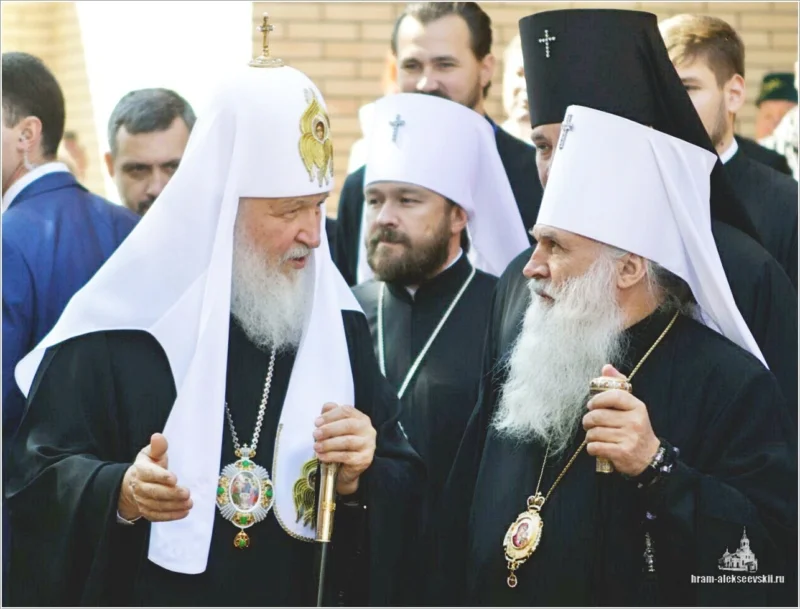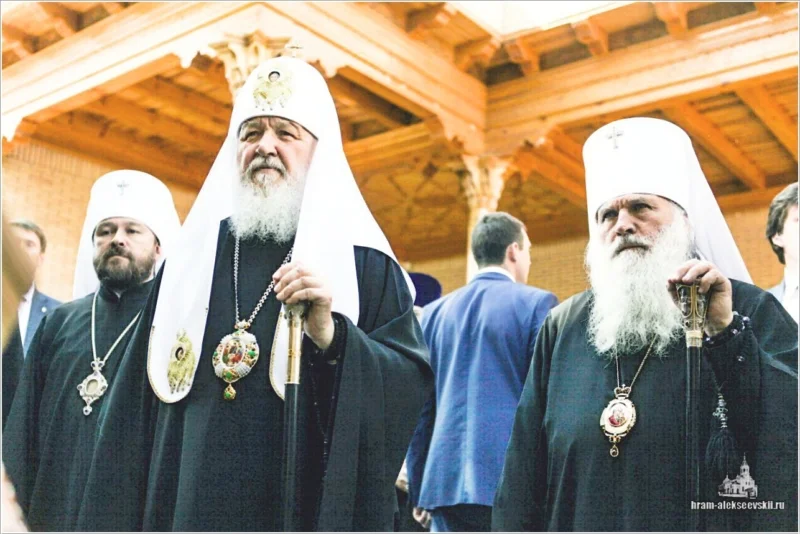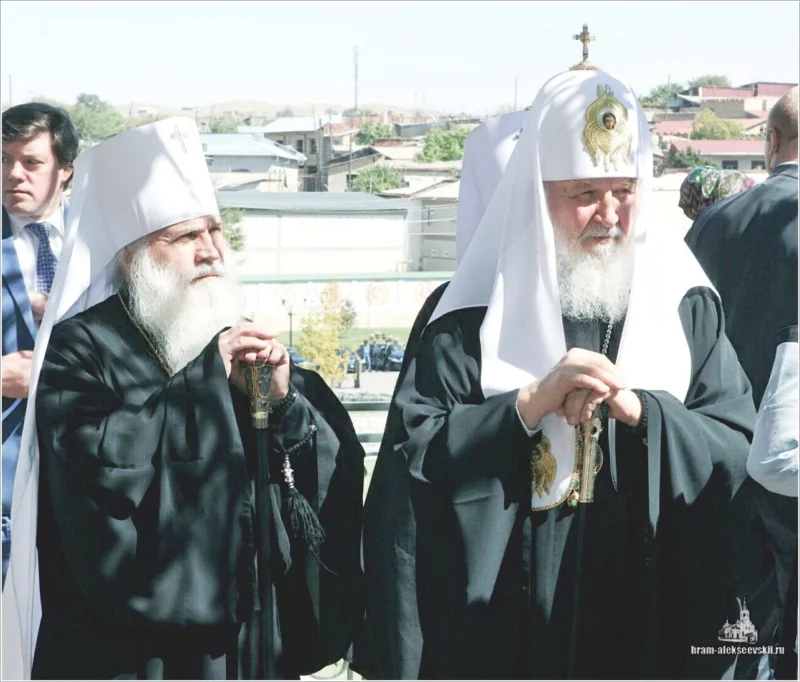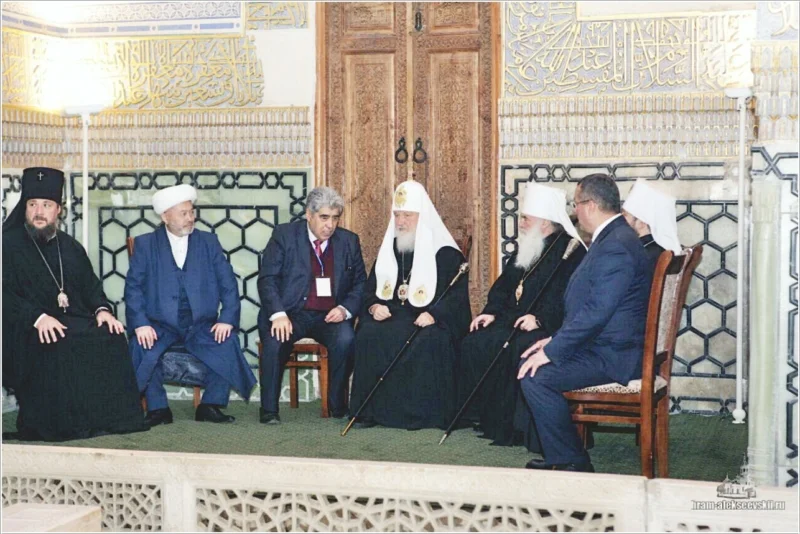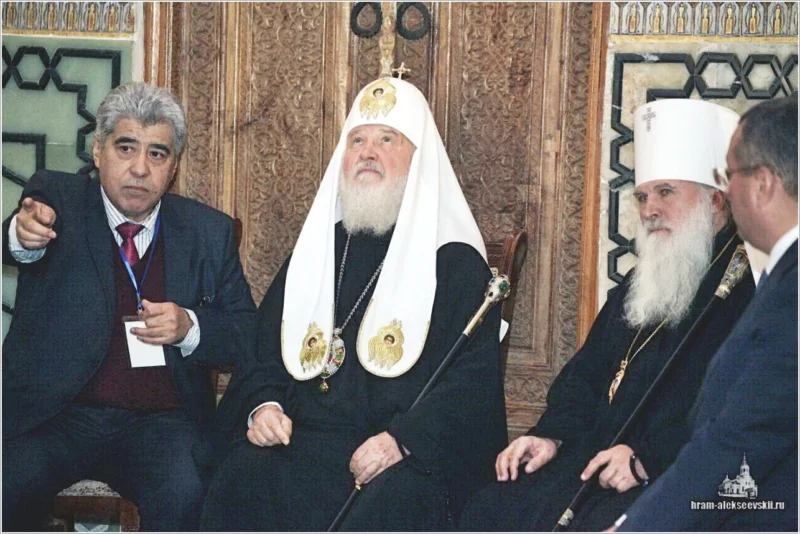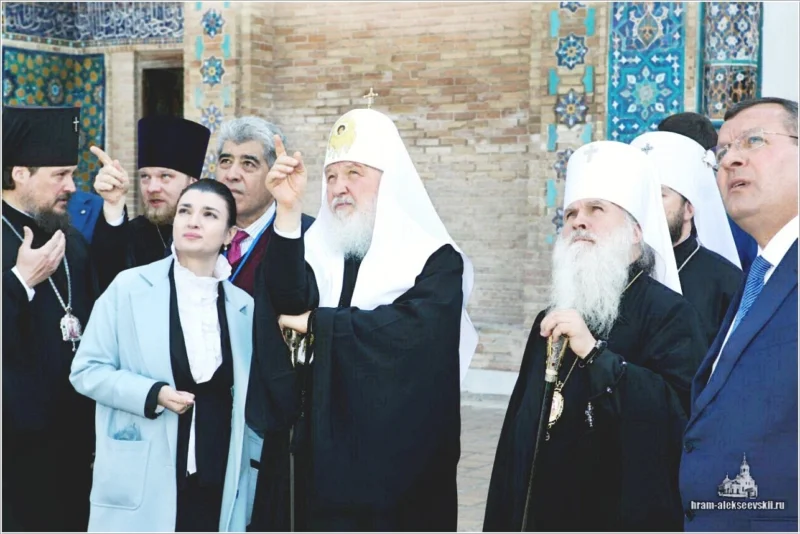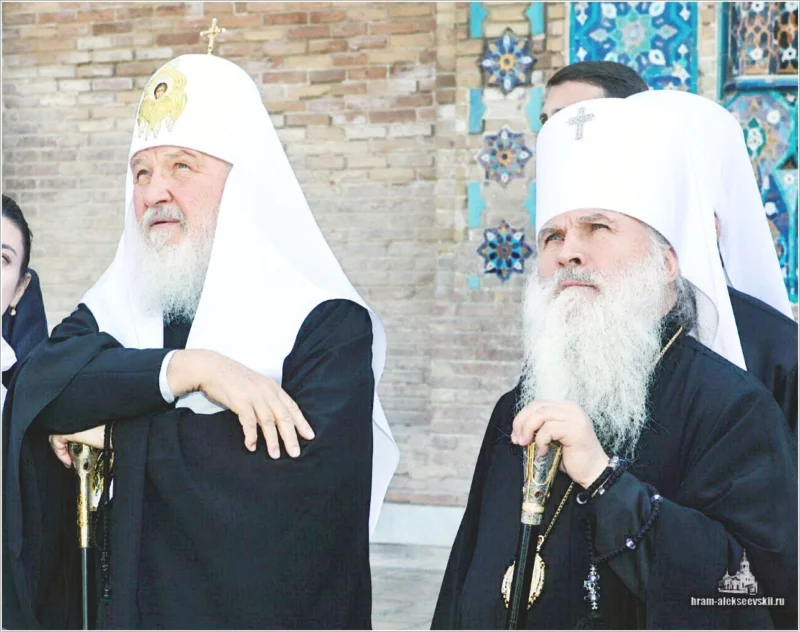
Arriving in Samarkand together with His Holiness the Patriarch were the head of the Central Asian Metropolitan District, Metropolitan Vikenty of Tashkent and Uzbekistan; the chairman of the Department for External Church Relations, Metropolitan Hilarion of Volokolamsk; the head of the Administrative Secretariat of the Moscow Patriarchate, Archbishop Sergiy of Solnechnogorsk; the chairman of the Synodal Department for Church Relations with Society and the Media, V. R. Legoida; and the head of the Press Service of the Patriarch of Moscow and All Russia, Priest Alexander Volkov.
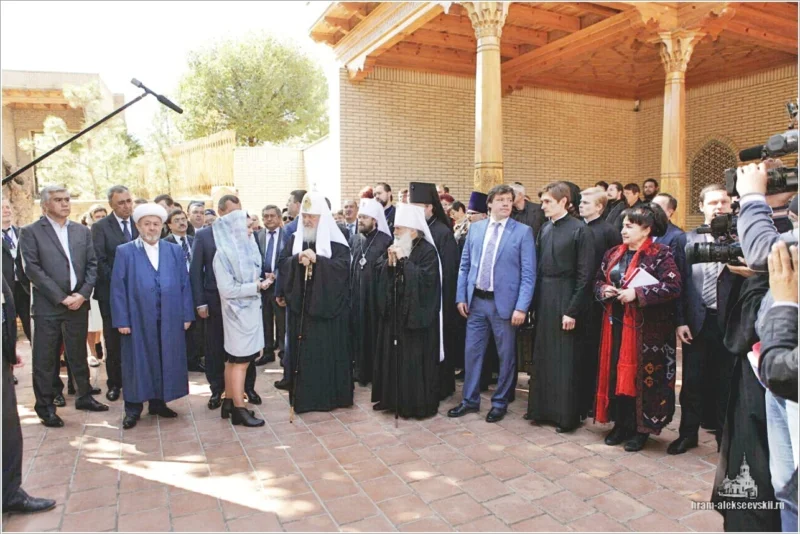
At Samarkand airport the Primate of the Russian Orthodox Church was met by the chairman of the Committee for Religious Affairs under the Cabinet of Ministers of the Republic of Uzbekistan, A. A. Yusupov; the Deputy Minister of Foreign Affairs of the Republic of Uzbekistan, S. P. Niyazkhodjaev; the Ambassador Extraordinary and Plenipotentiary of the Russian Federation to the Republic of Uzbekistan, V. L. Tyurdenev; the chairman of the Muslim Board of Uzbekistan, Mufti Usmonkhon Alimov; and the khokim (governor) of the Samarkand Region, T. I. Juraev.
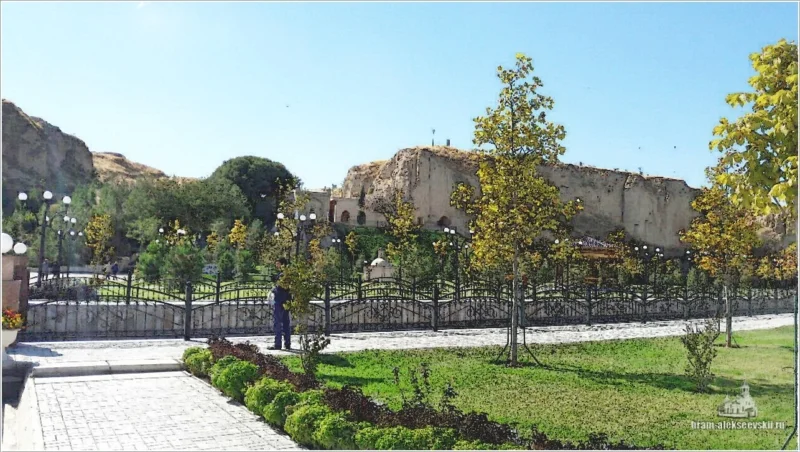
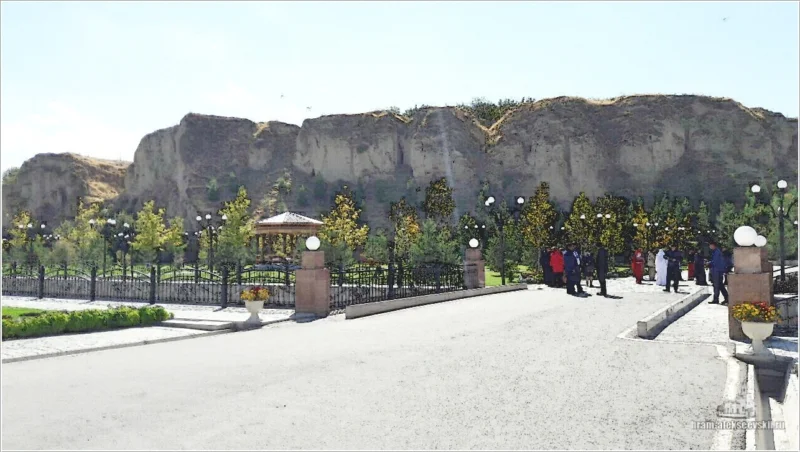
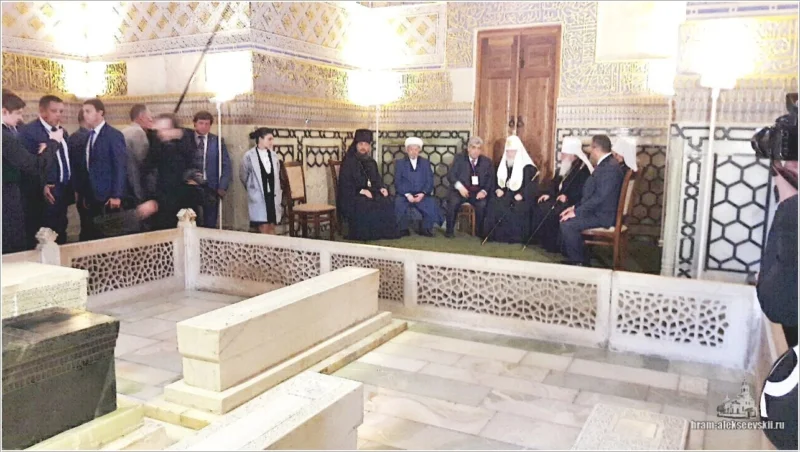
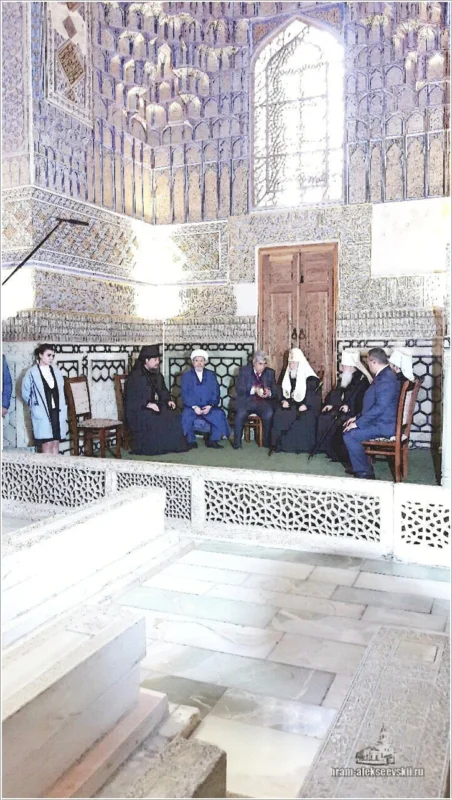
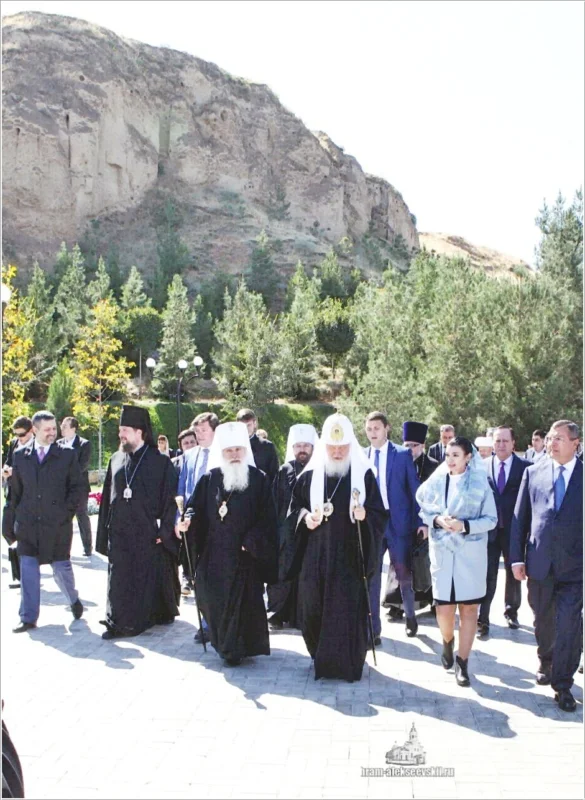
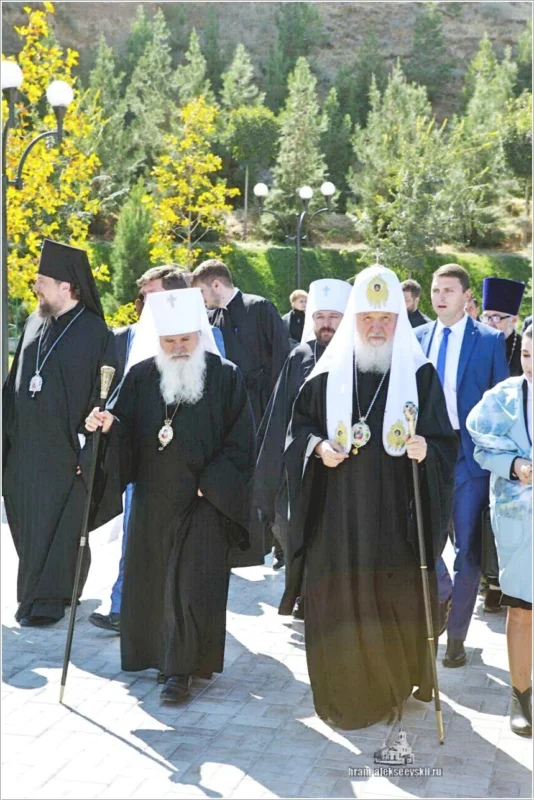
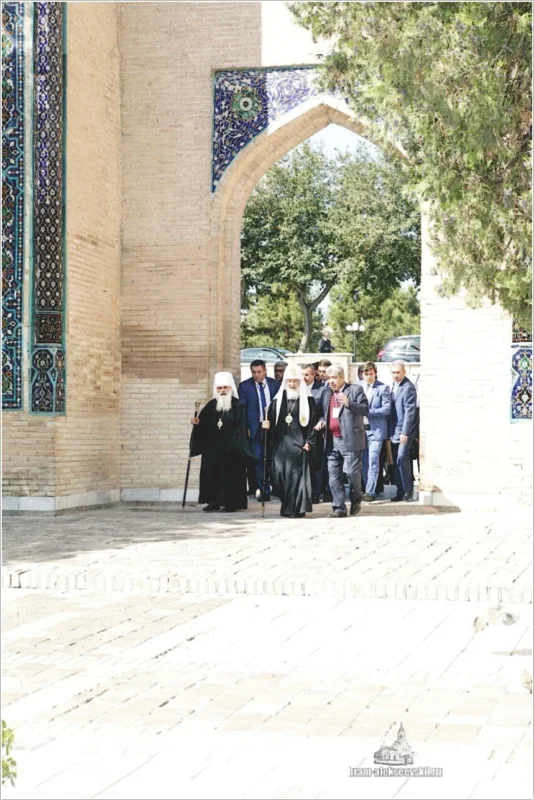
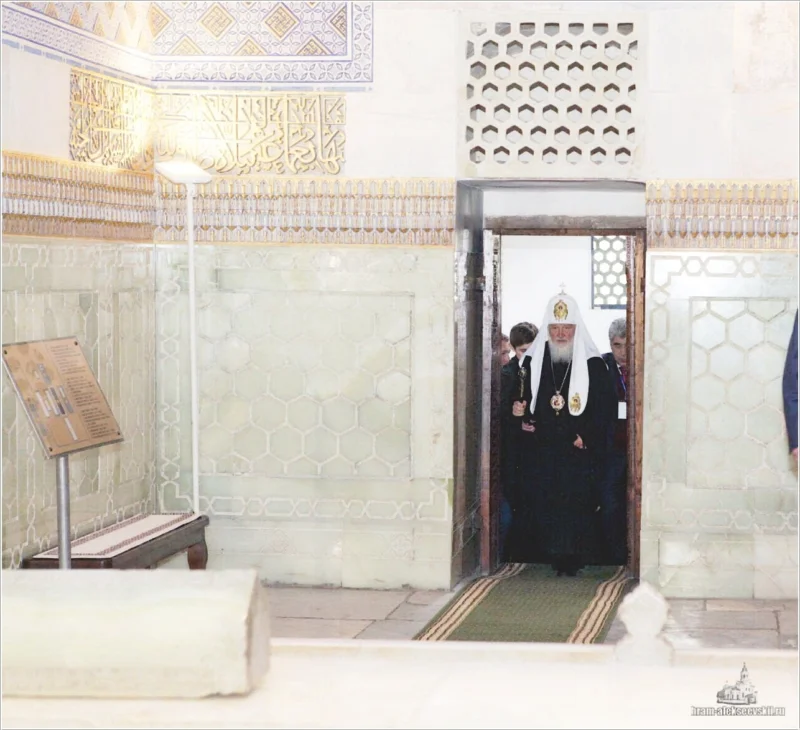
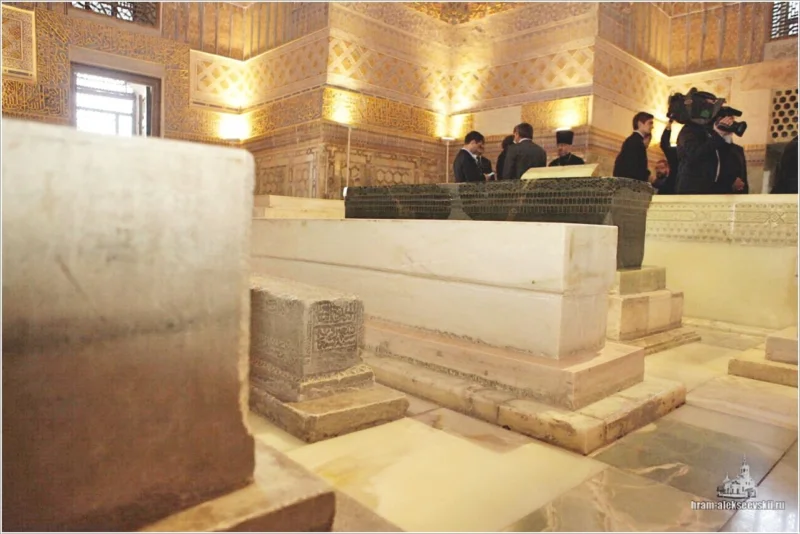
After the welcome at the airport His Holiness visited the Khoja Doniyor mausoleum, which houses the tomb of the holy Prophet Daniel. His Holiness the Patriarch sang the glorification to God’s Prophet Daniel before the icon of the saint that had been placed in front of the entrance to the mausoleum. The Primate of the Russian Church then entered the mausoleum and viewed the tomb.
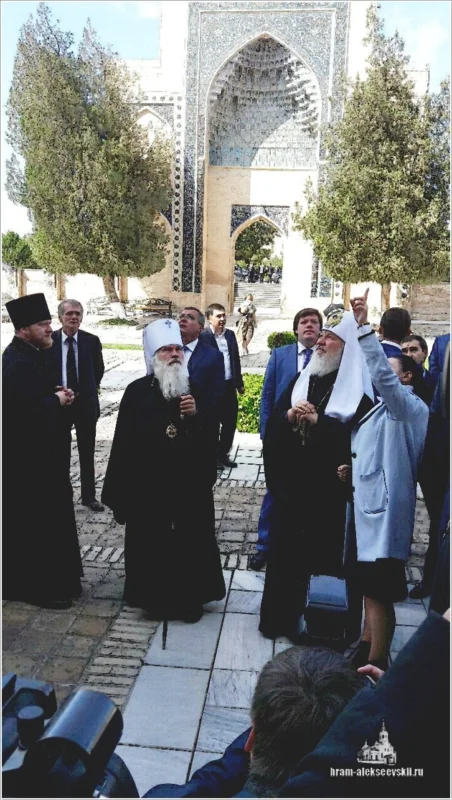
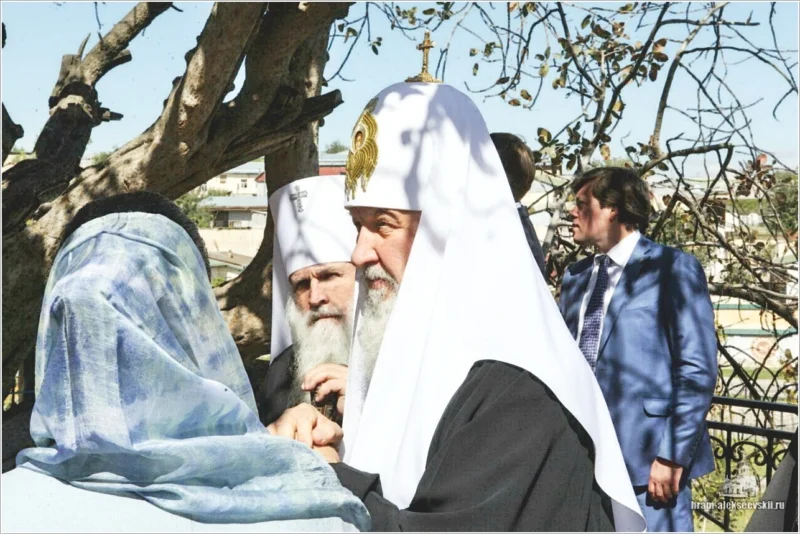
His Holiness Patriarch Kirill also saw the ancient pistachio tree near the tomb that had come back to life. In 1996, during his visit to Uzbekistan, His Holiness Patriarch Alexy II of Moscow and All Russia came to Samarkand and visited, among other places, the Khoja Doniyor mausoleum. At the mausoleum Patriarch Alexy of blessed memory blessed a withered centuries-old pistachio tree. Some time later the tree came back to life.
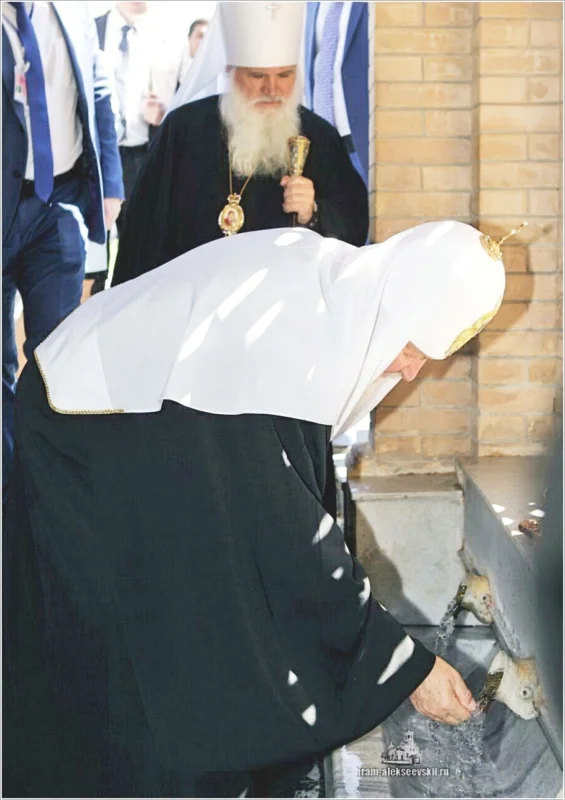
His Holiness Patriarch Kirill also visited the spring by the Khoja Doniyor mausoleum.
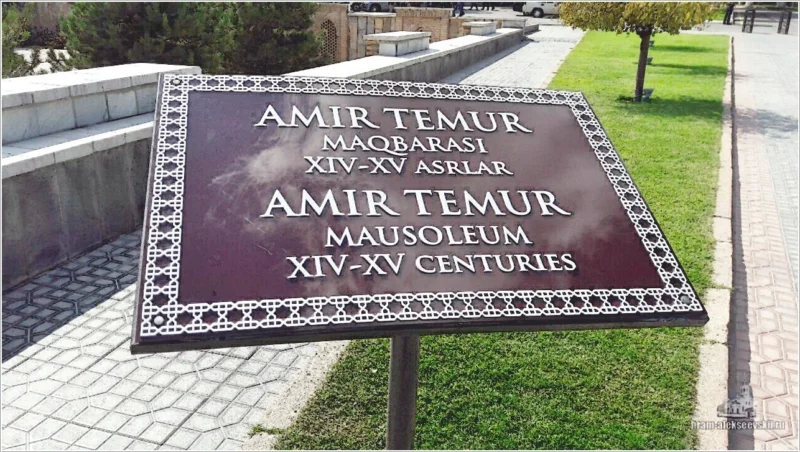
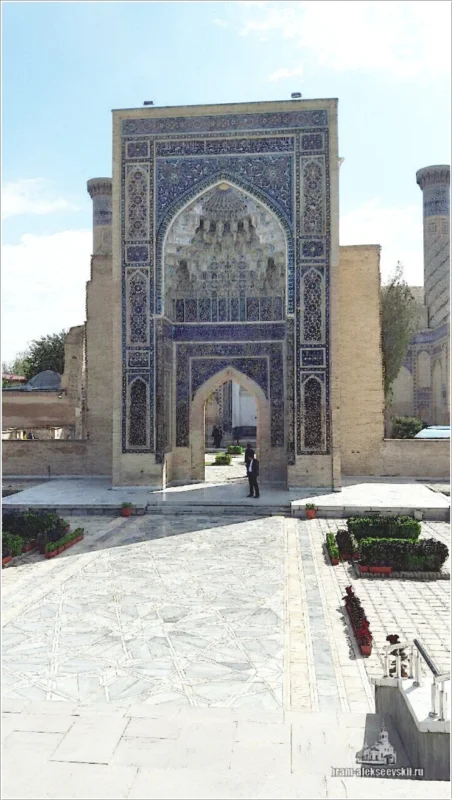
The origin of the tomb of the Prophet Daniel is attributed to the era of the military leader and conqueror Amir Timur (Tamerlane), who at the beginning of the 15th century brought the prophet’s remains to Samarkand and built a mosque on the burial site. The commander brought the prophet’s remains from the city of Susa (modern Shush, Iran) during his campaign in Asia Minor in 1399–1404.
The mausoleum was extended from time to time, and at the very beginning of the 20th century a long rectangular building with a row of five low domes was erected over the prophet’s grave. Inside the mausoleum there is a long dakhma (sarcophagus) in which the prophet is buried. On the grounds of the mausoleum complex there is a spring that is considered healing and holy.