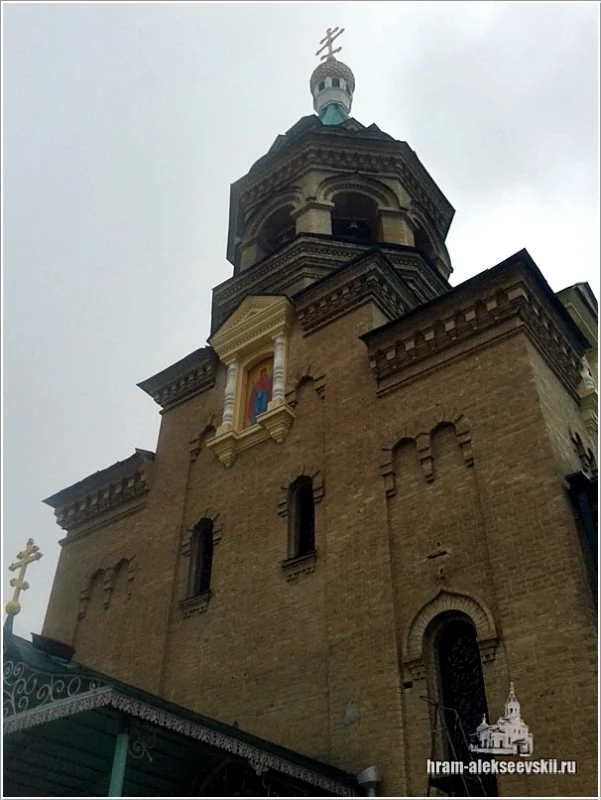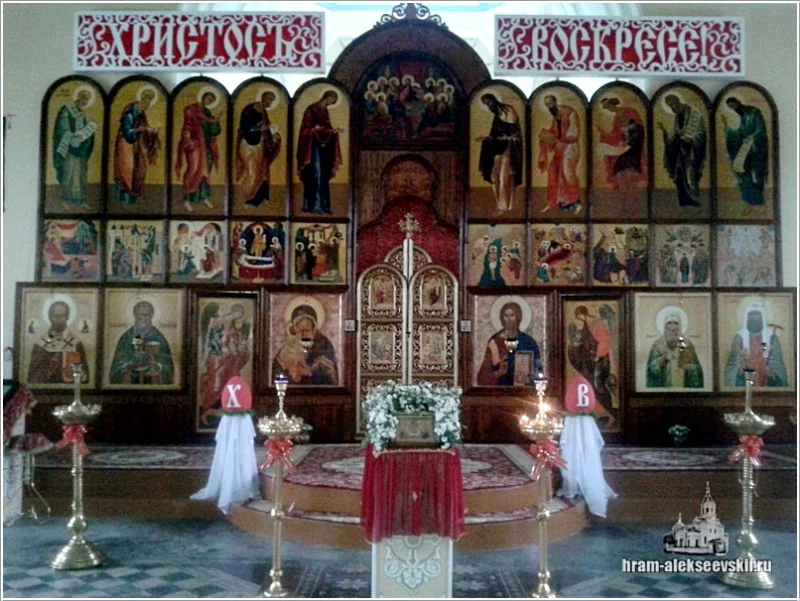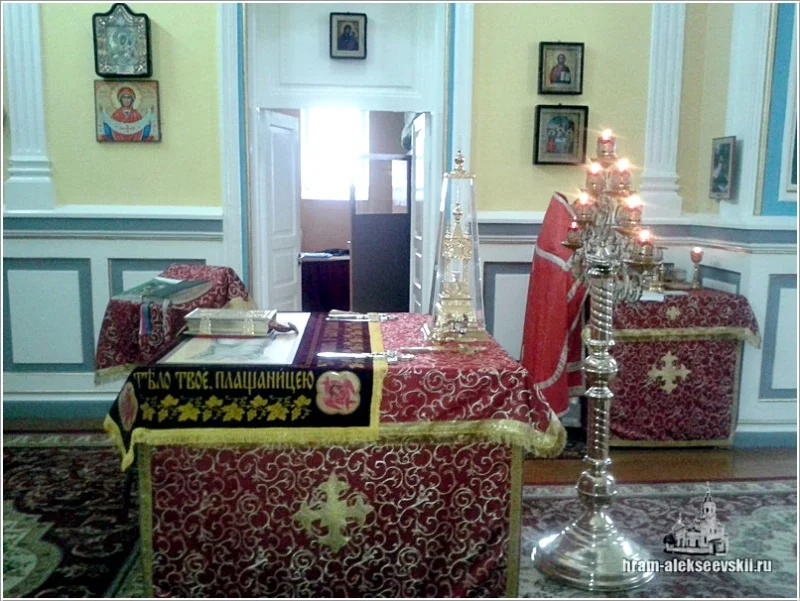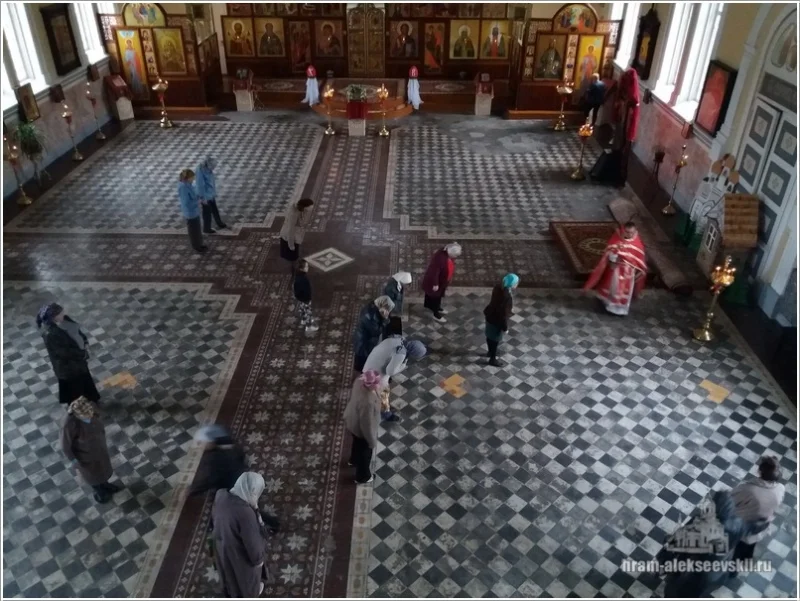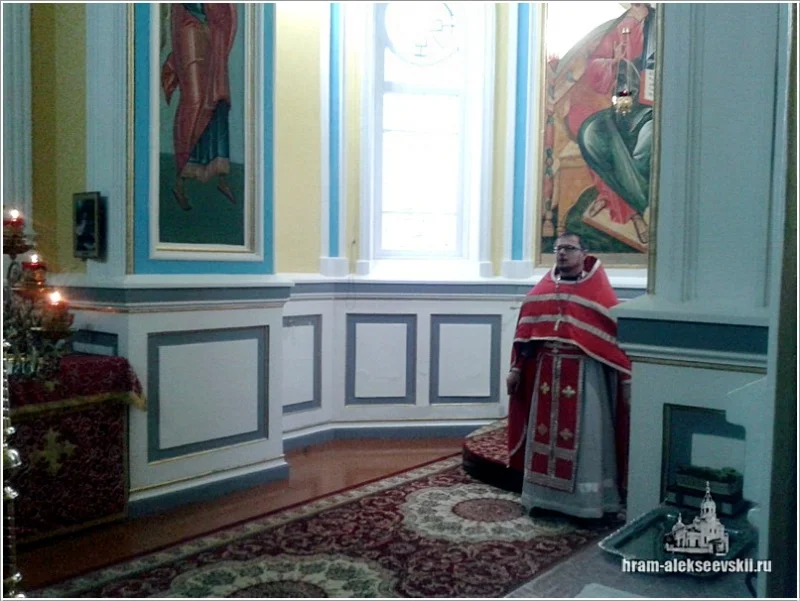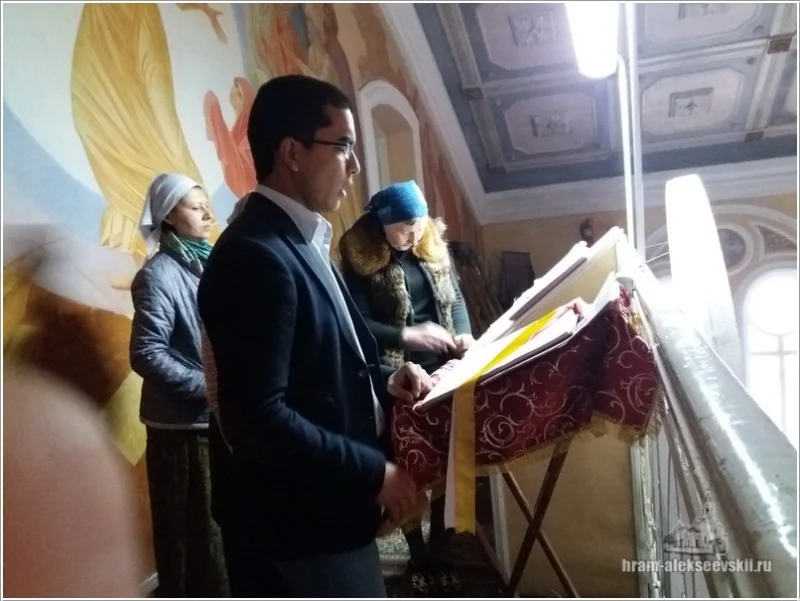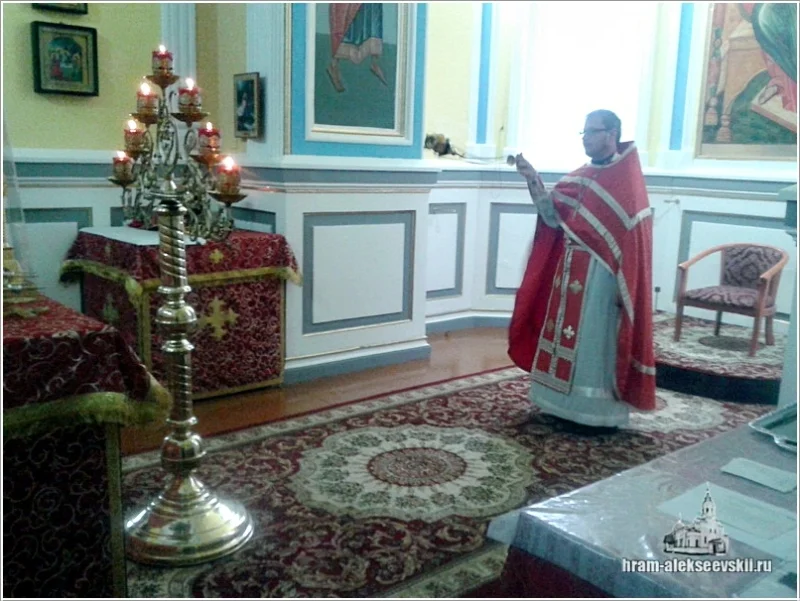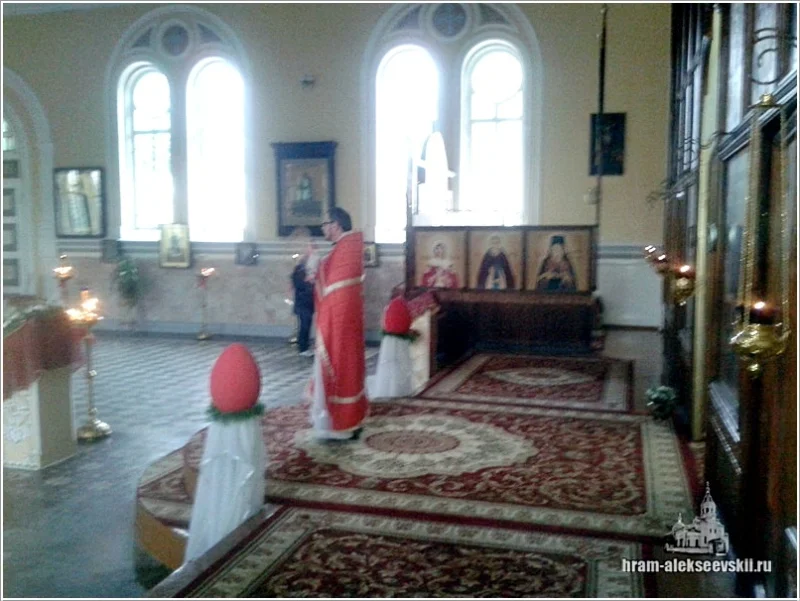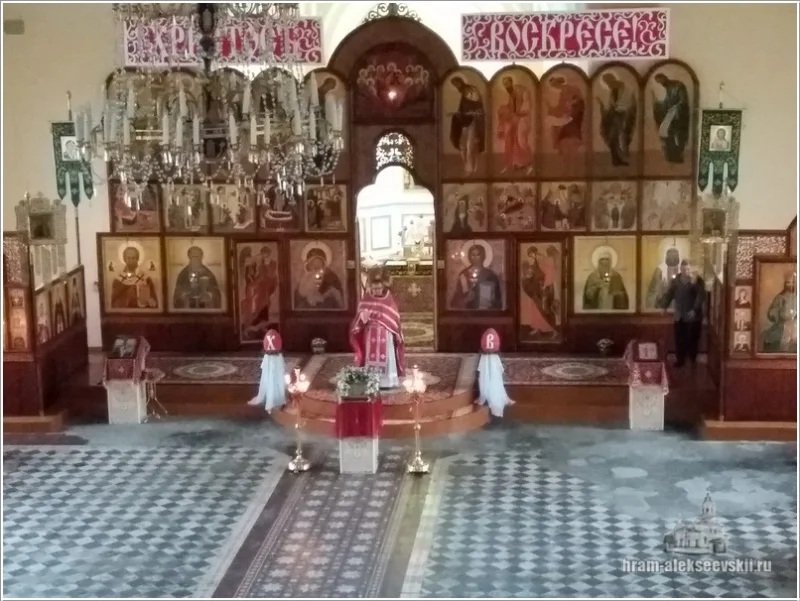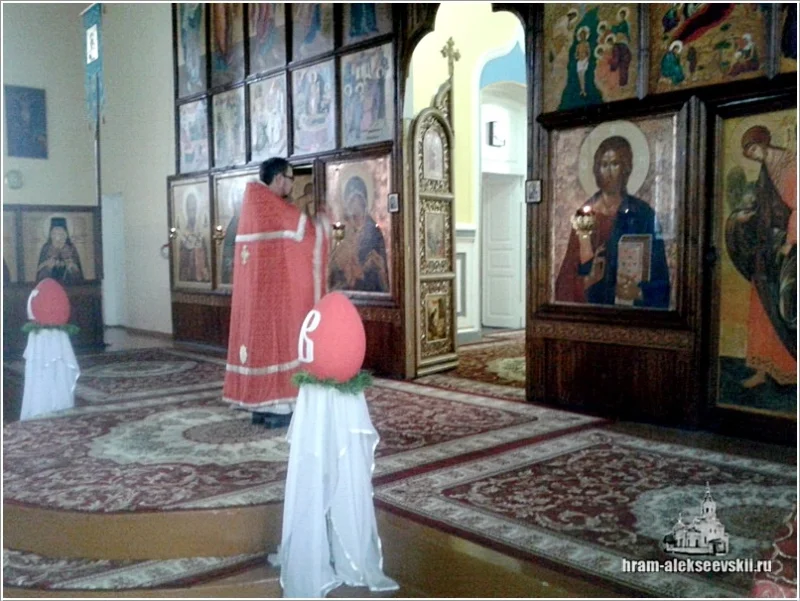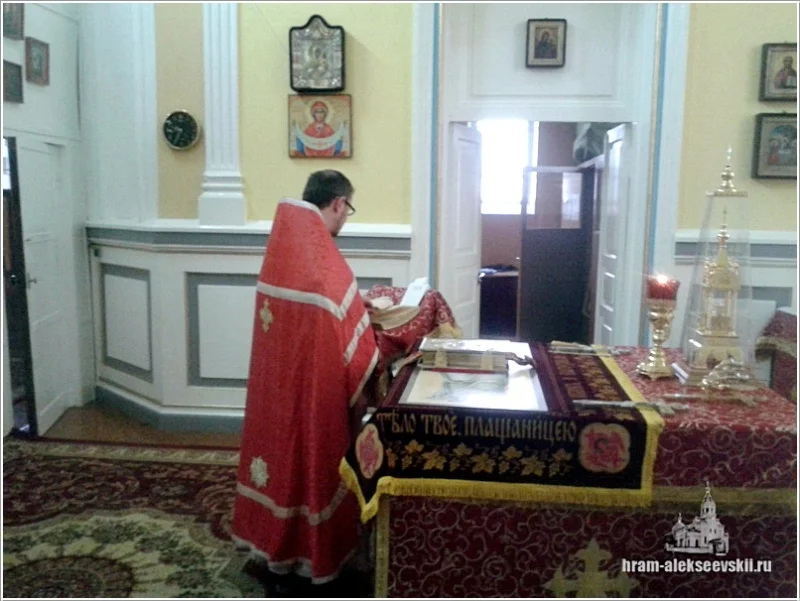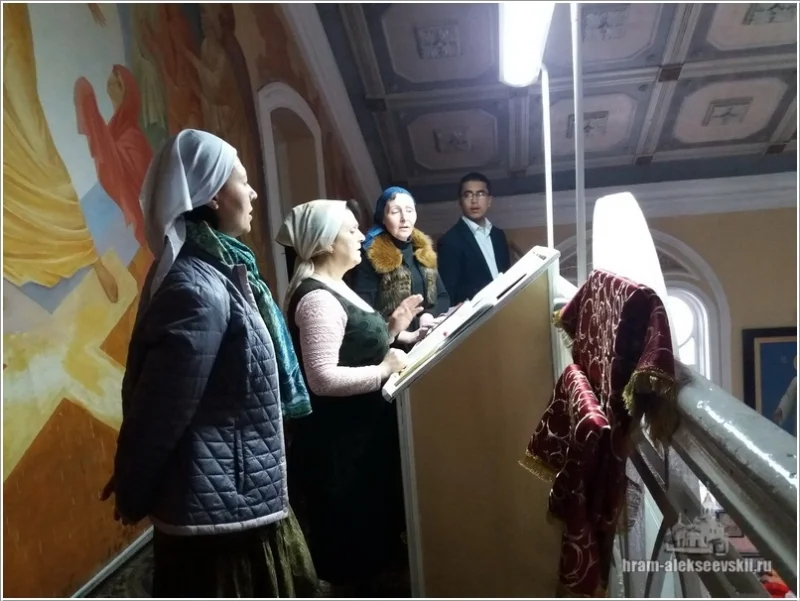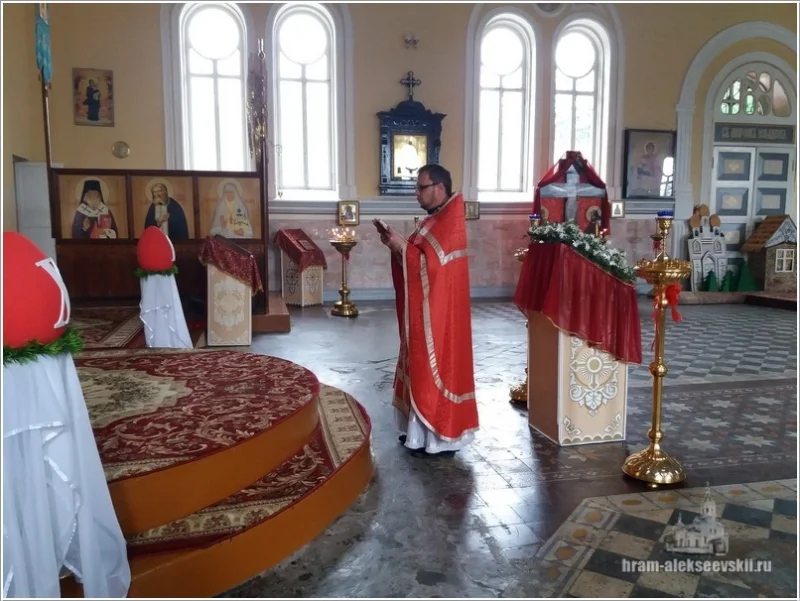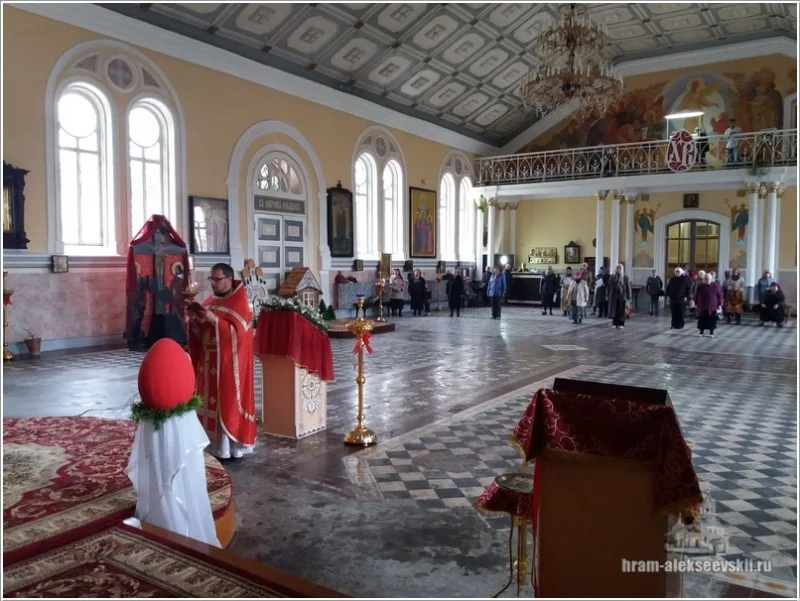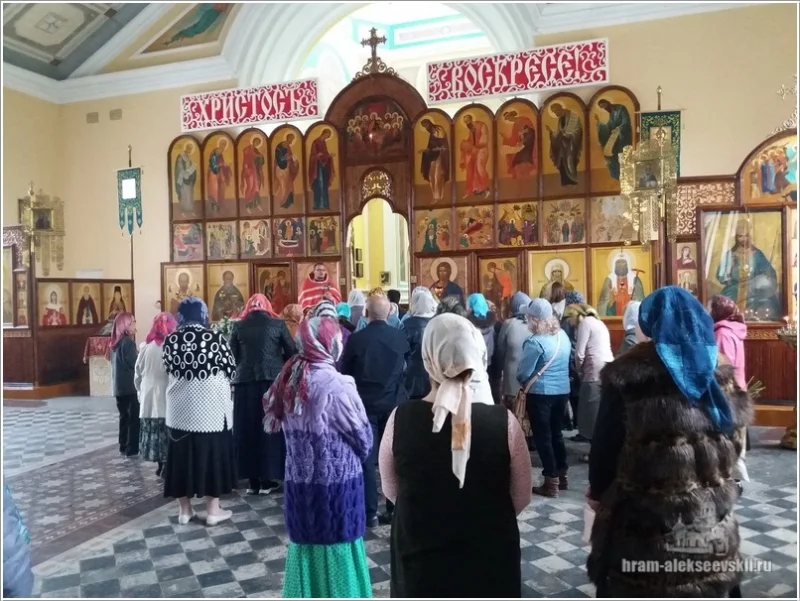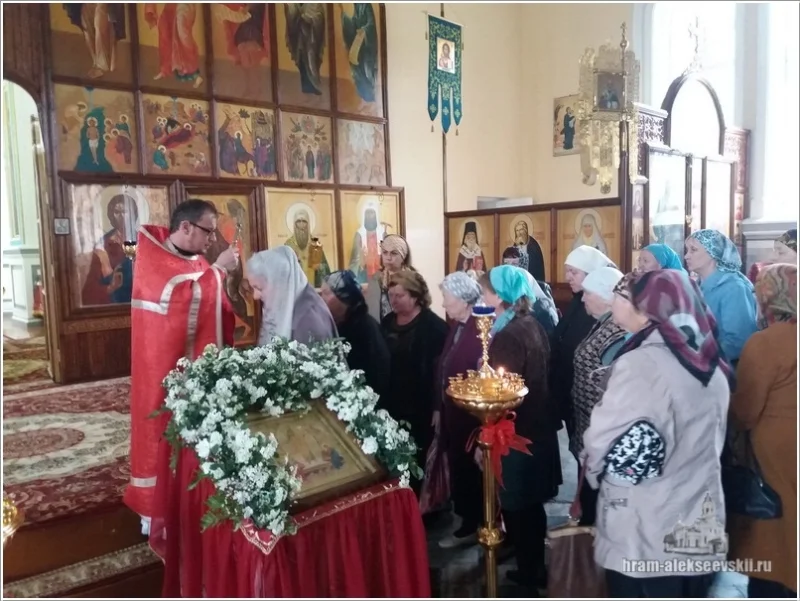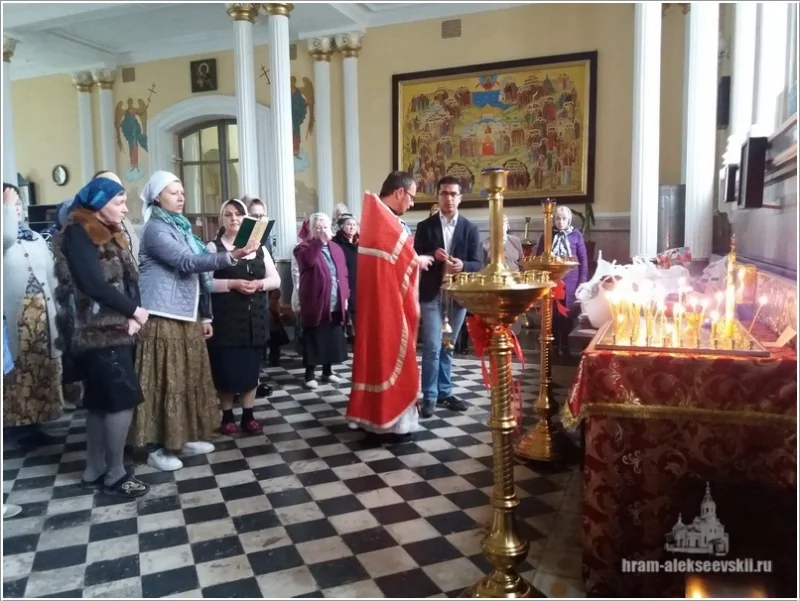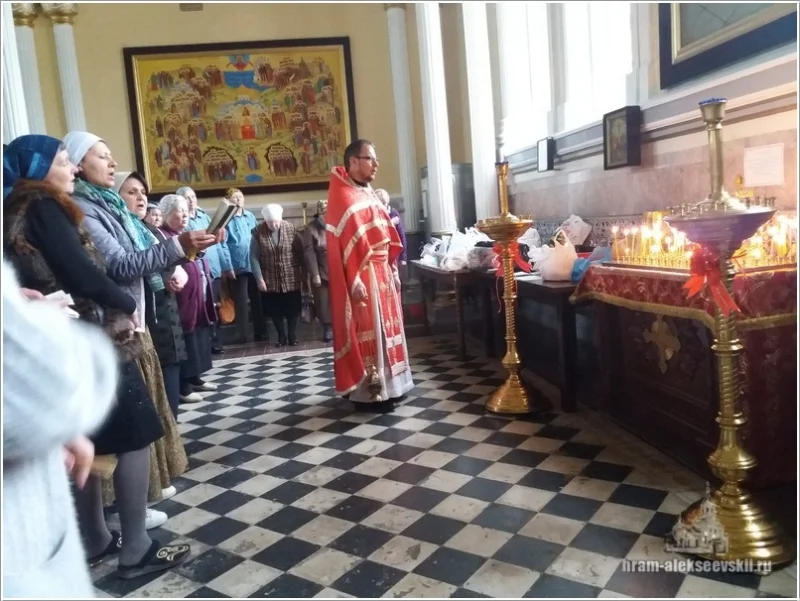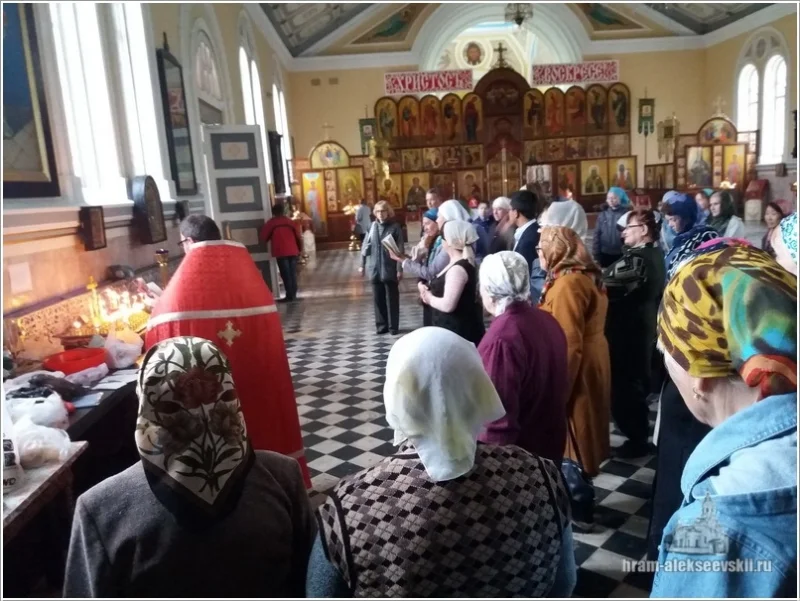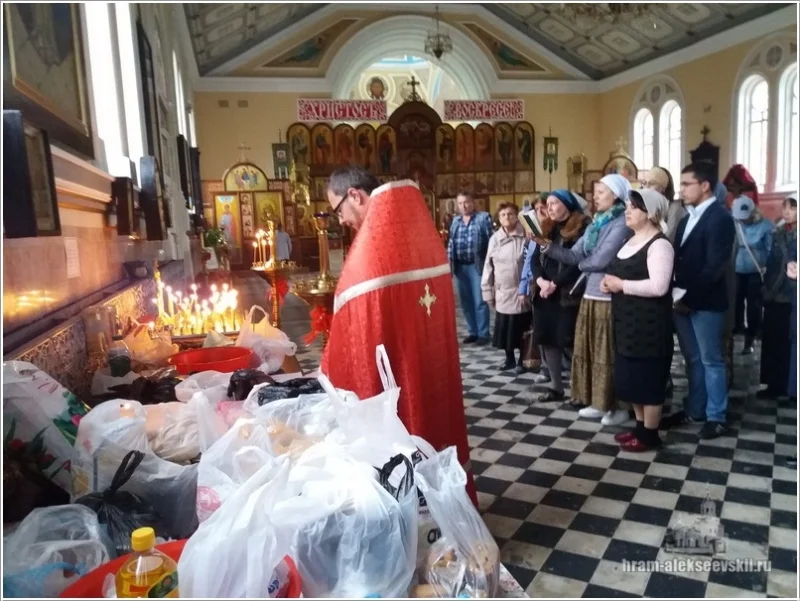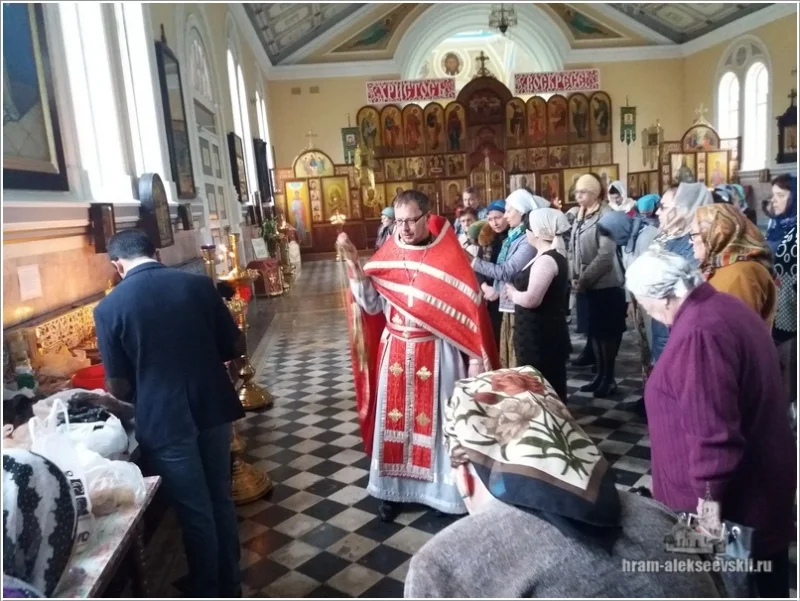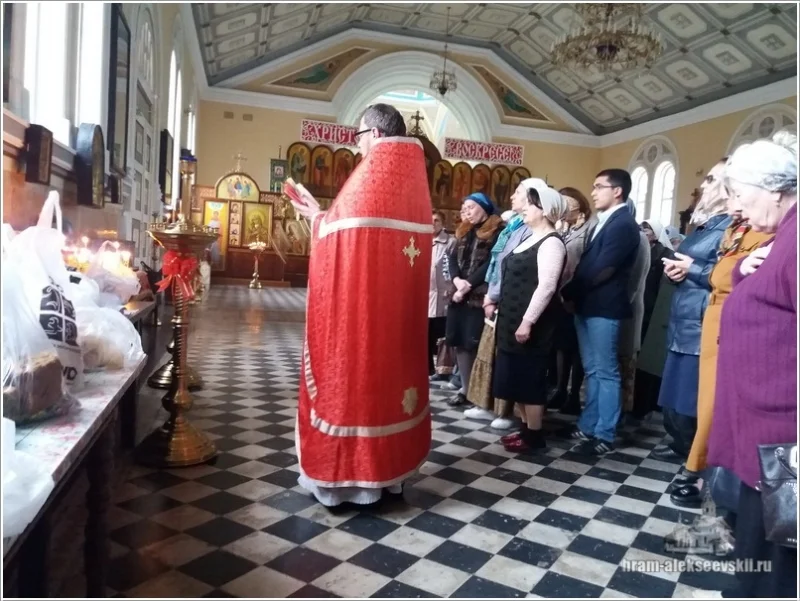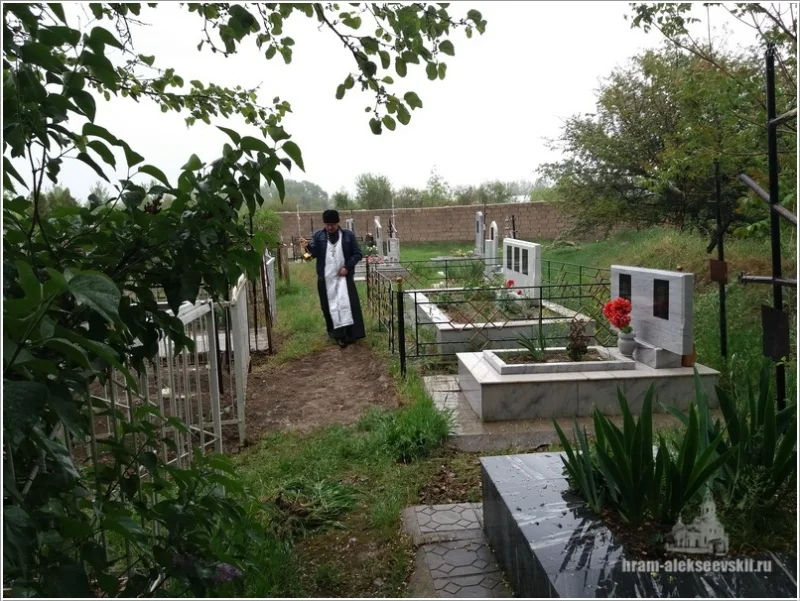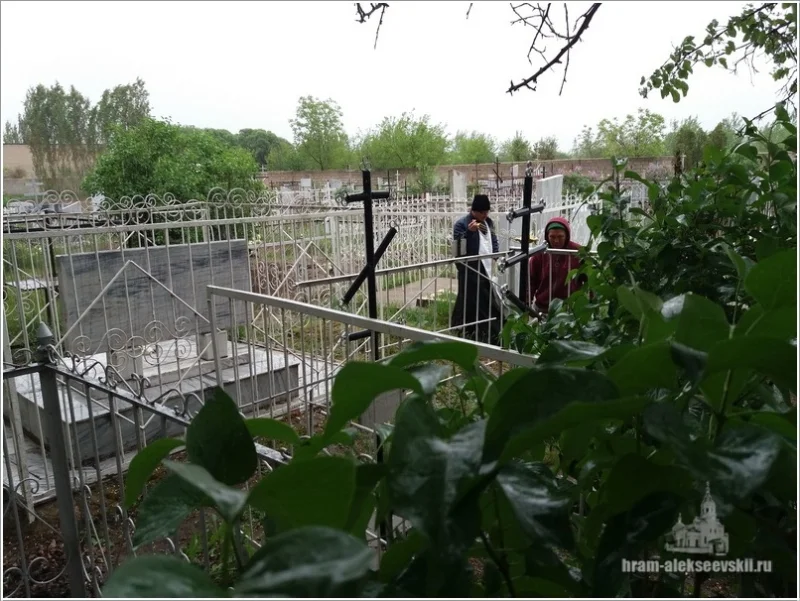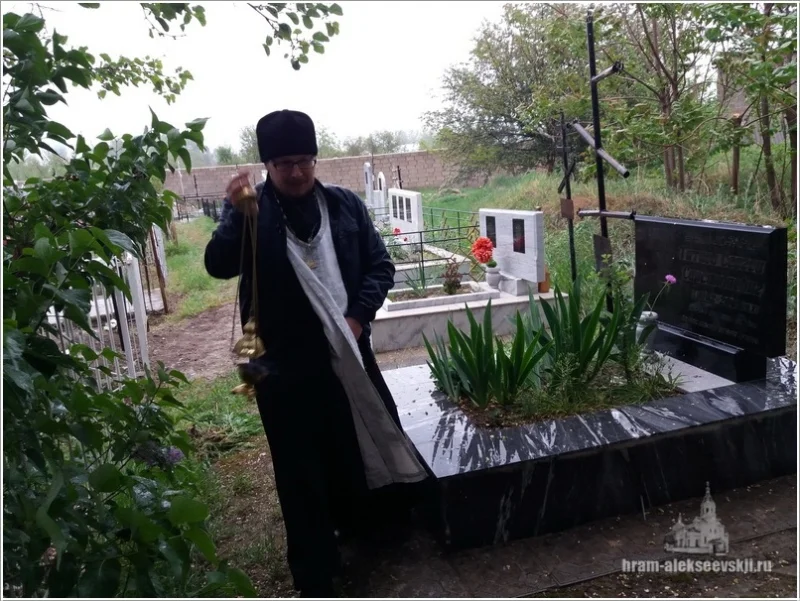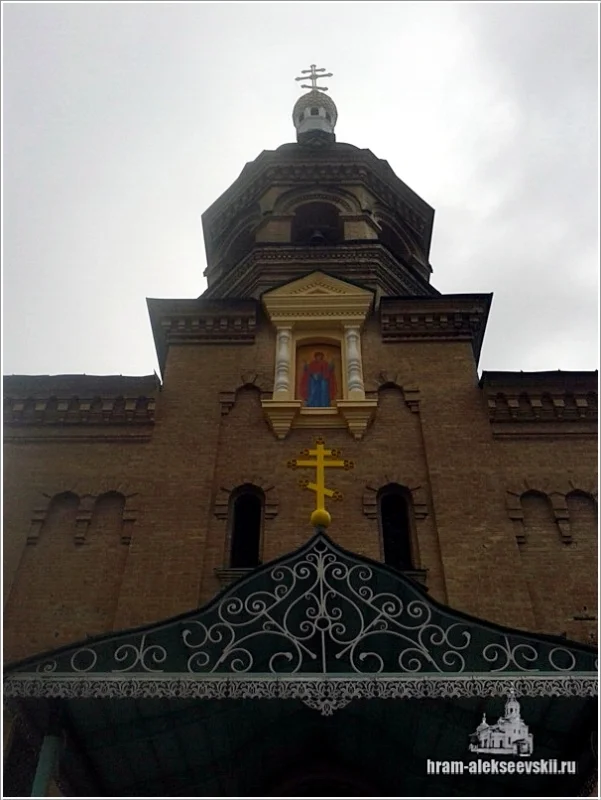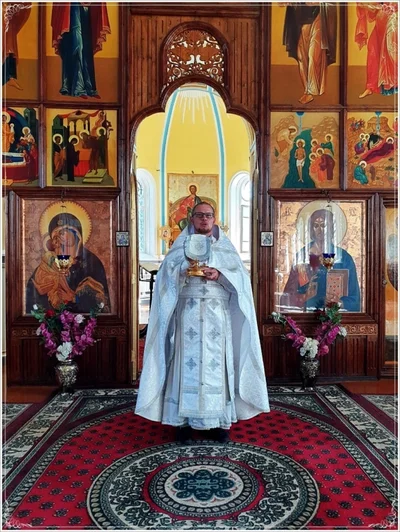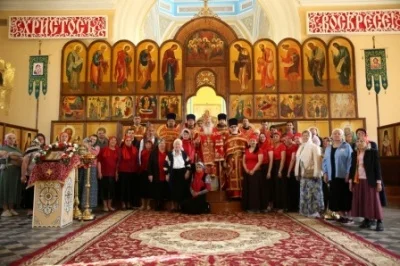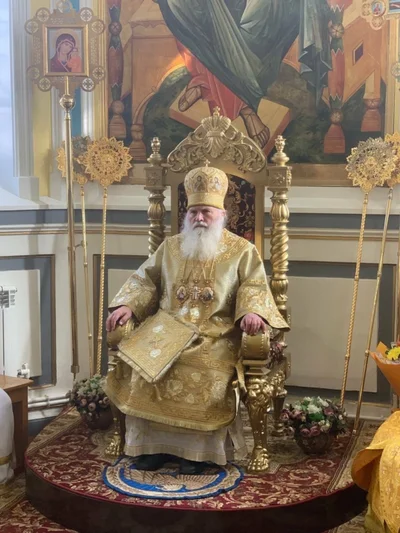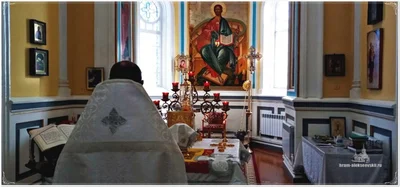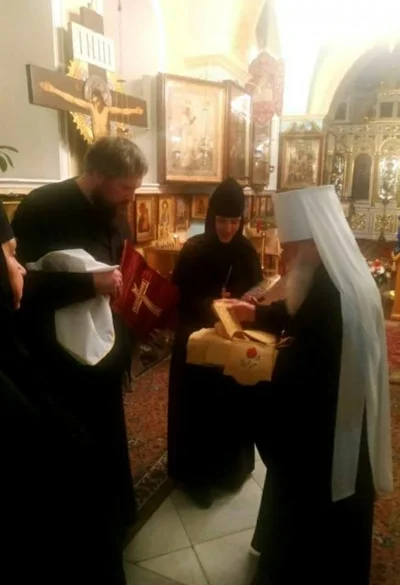
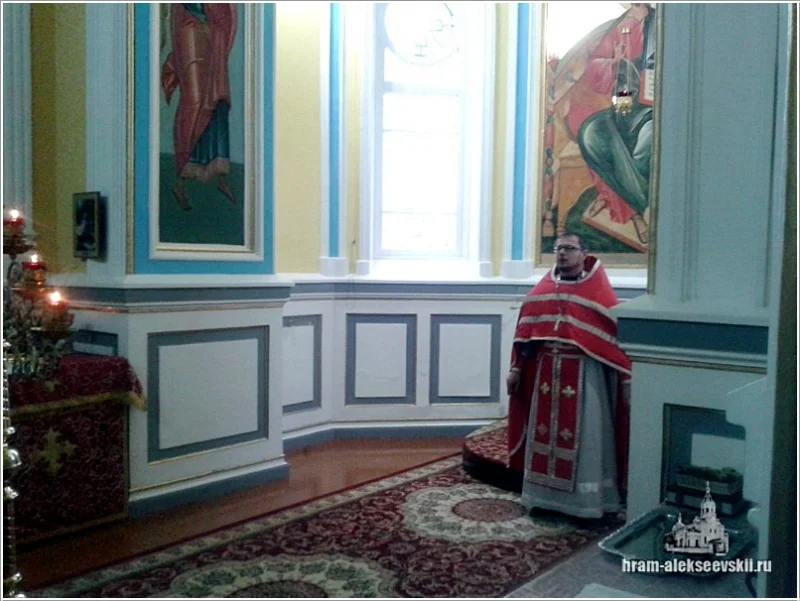
On 17 April 2018, Tuesday of the second week after Pascha, the day of Radonitsa, the Divine Liturgy was celebrated in our church, led by the rector, Priest Igor Babakov.
Immediately after the Divine Liturgy, the Paschal commemoration of the departed was served.
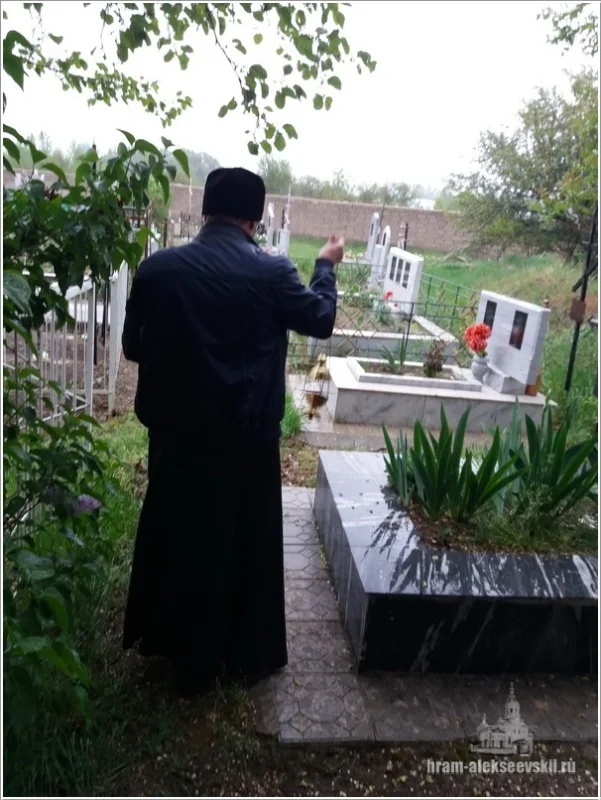
After the services, a litiya was served at the cemetery of the Samarkand rural district.
"Radonitsa comes from the word 'to rejoice,' for on this day we begin our prayer for the departed after the glorious event of the Resurrection of Christ.
We have celebrated Pascha, and Thomas Sunday has passed, which we call Antipascha, a day kept as Paschal by those who were unable to attend the Paschal service itself.
And now comes the third Pascha, the Pascha of the departed.
The Lord descended into hell; the Lord led out of hell all who wished to follow Christ, and the Lord can lead us out of hell too if we wish to follow Christ. But do we wish to follow? If we wish to follow Christ, if our life is Christian, then our souls will be saved, and we will rise in our bodies on the day when the Lord comes a second time, no longer to preach but to bring to an end the course of the days of this age. For now, we can rejoice that God's mercy has touched us, but we rejoice even more for our departed relatives. Why can we rejoice for them? Because they have been granted the greatest mercy: our prayers. We are, of course, sinful people, we are, of course, infirm and weak, but God grant that at least people like us will pray for us. Not many people's children come to church, not many people's children pray to the Lord, and it may turn out that there will be no one left to pray for us, that we will not manage to raise the next generation of believers.
Blessed are our relatives: there are at least some people praying for them, however weak and infirm. God grant that when we stand before God there will be someone to pray for us too. God grant that this prayer may help our souls to be freed from sin. One might ask: how can a soul be freed from sin after death? Very simply. For sin, passion, is an illness, and the Apostle Paul says, "pray for one another, that you may be healed." What follows? It follows that for the sake of healing, and in order to be healed, we must pray for one another. But the chief illness is in the soul, not in the body, and the cause of bodily illness is illness of the soul; and therefore, when people pray for us, it is first of all our soul that is healed. But we are sinners, and sometimes we do not want to receive this grace of God into our hearts, and so we receive neither spiritual nor bodily healing. But when we die, when we realize our responsibility for all our misdeeds, then we will strongly wish that someone, anyone, would pray for us. And of course all the saints, and above all the Most Pure Virgin Theotokos, offer prayers for all the departed.
May we, and our departed loved ones, and all Orthodox Christians who have reposed from all ages, be granted mercy through our feeble prayers, through the prayers of the Most Pure Virgin Theotokos and through the prayers of all the saints."