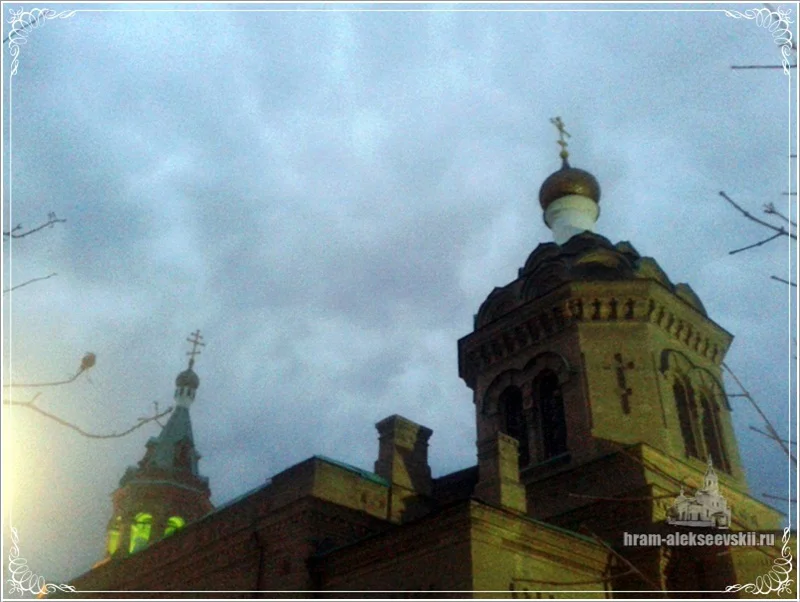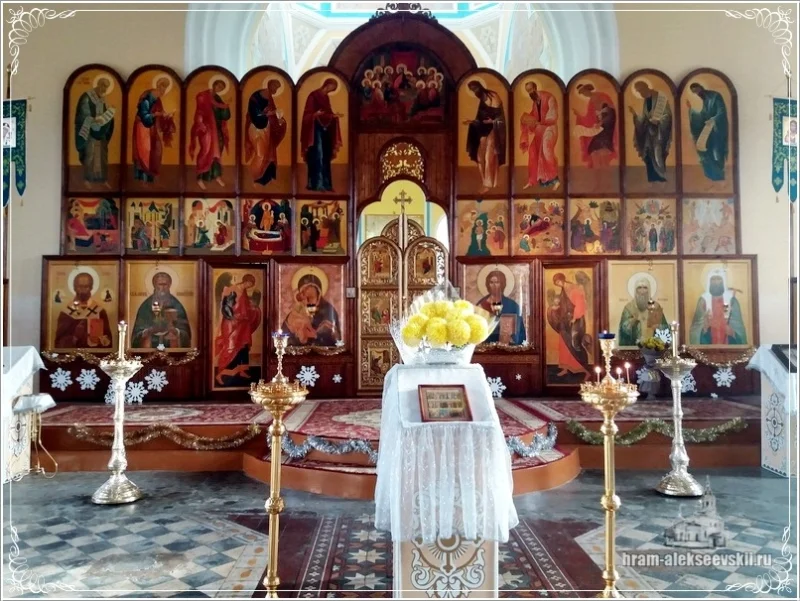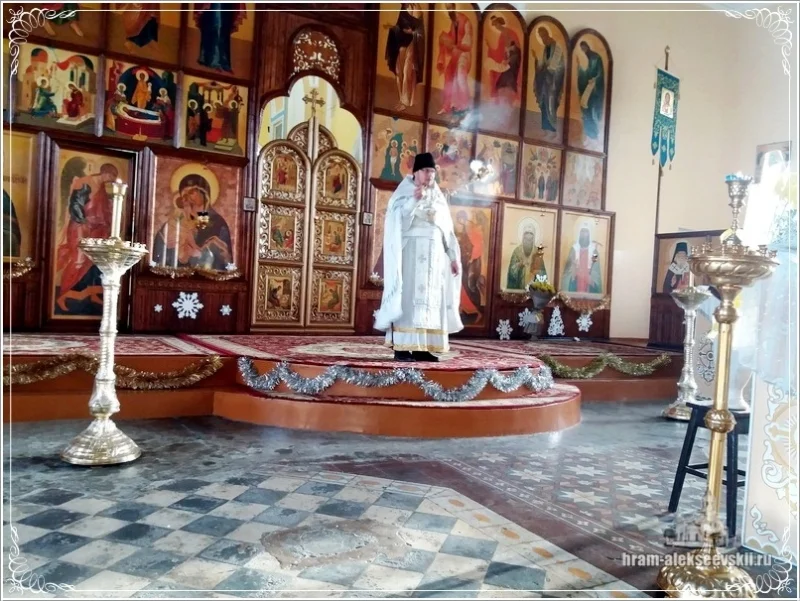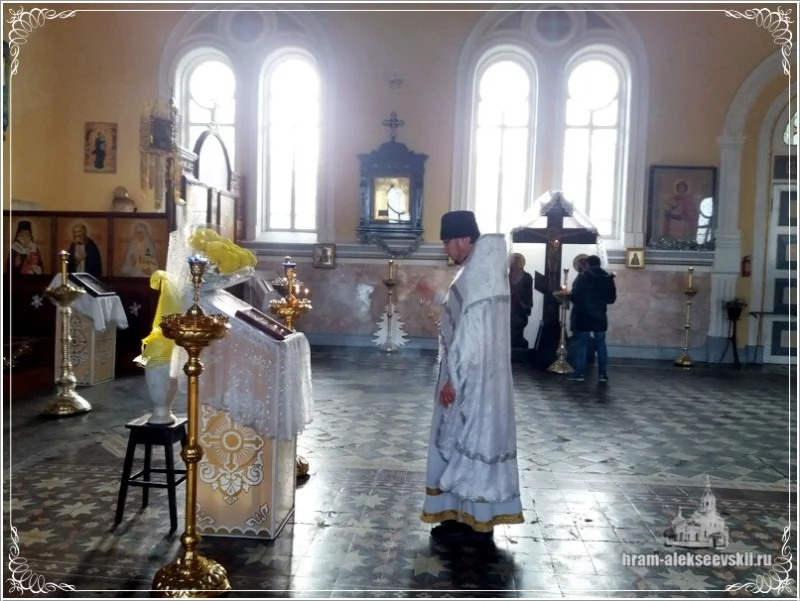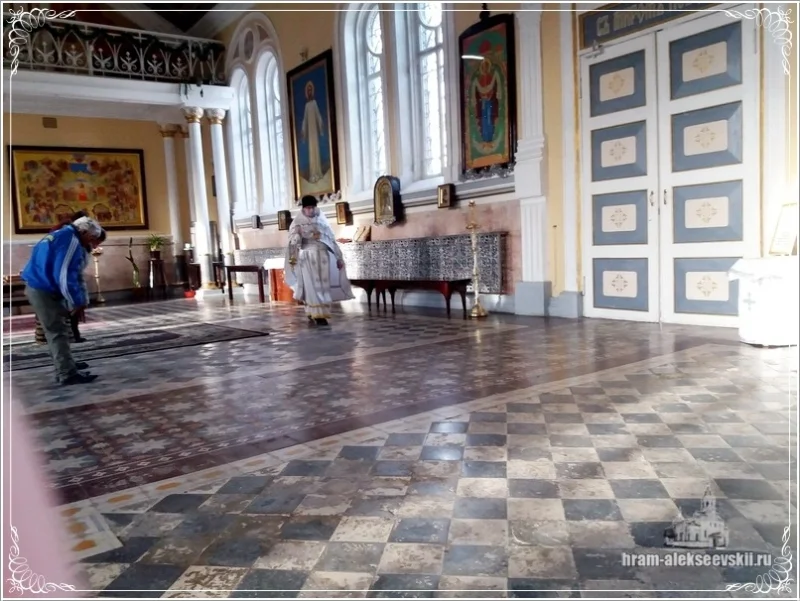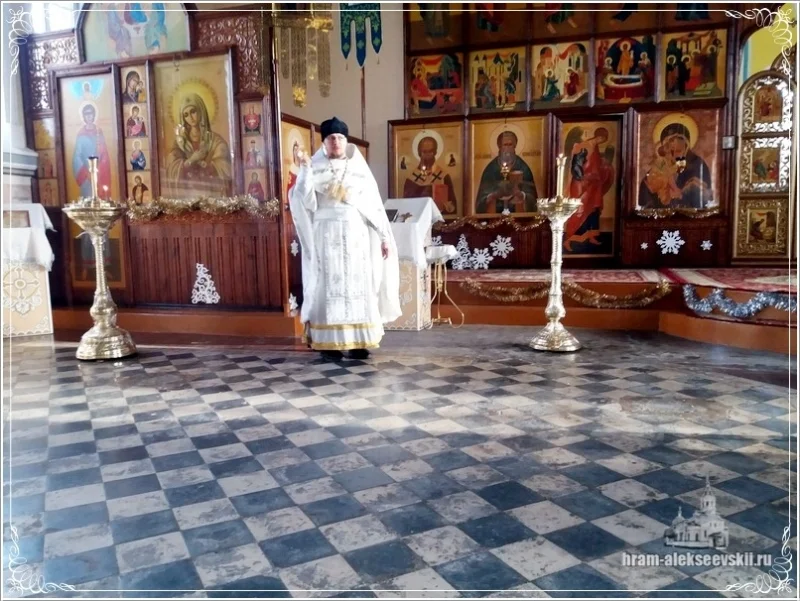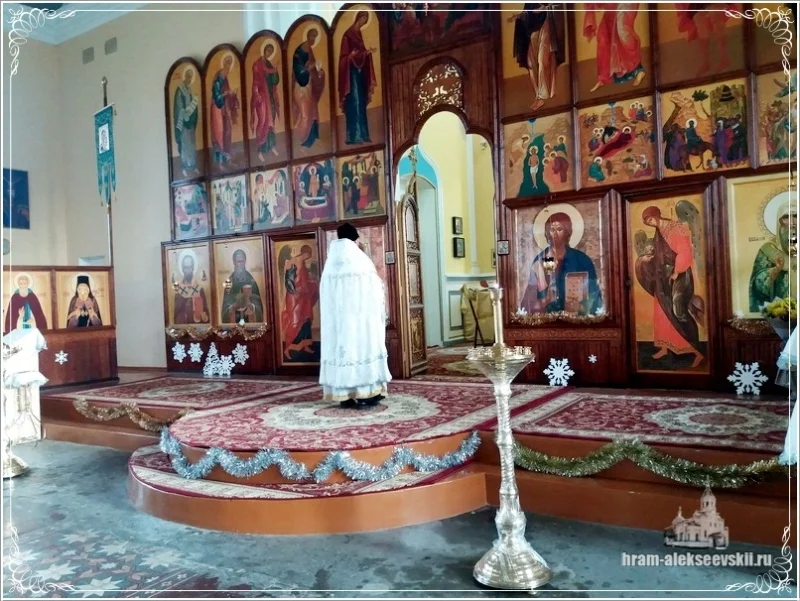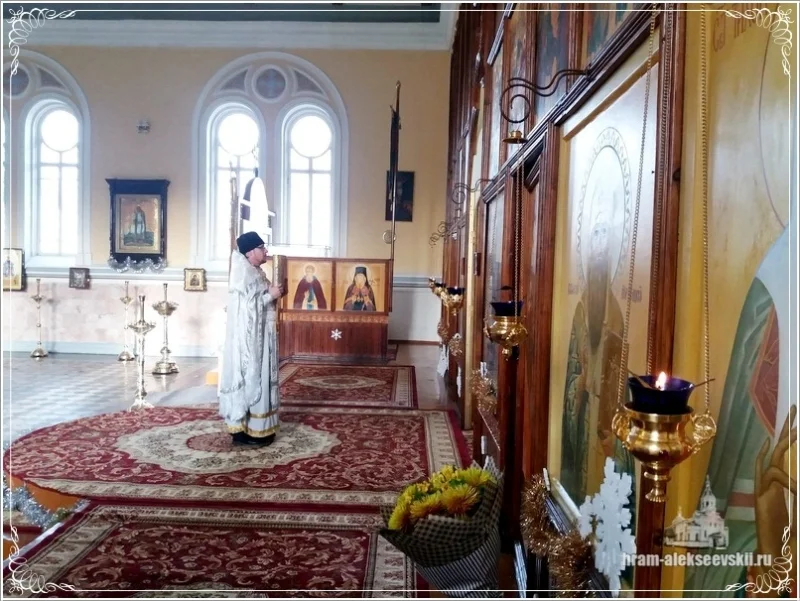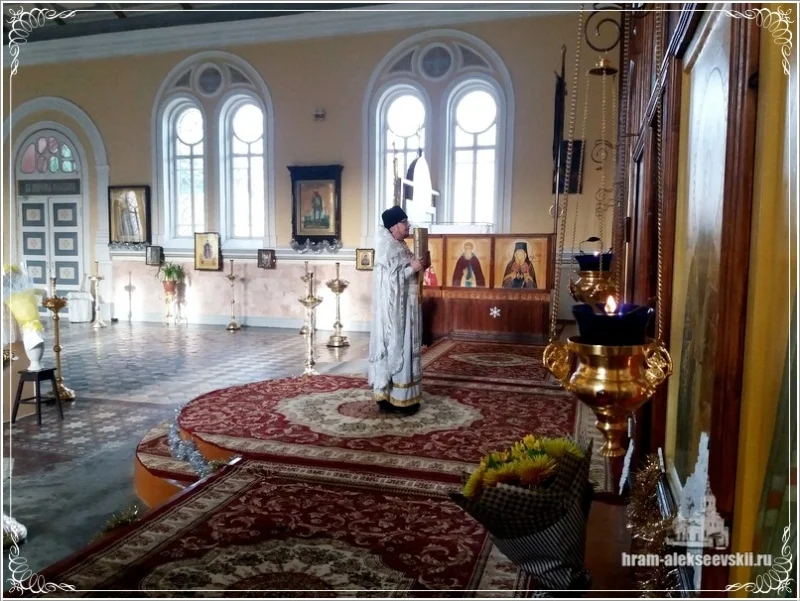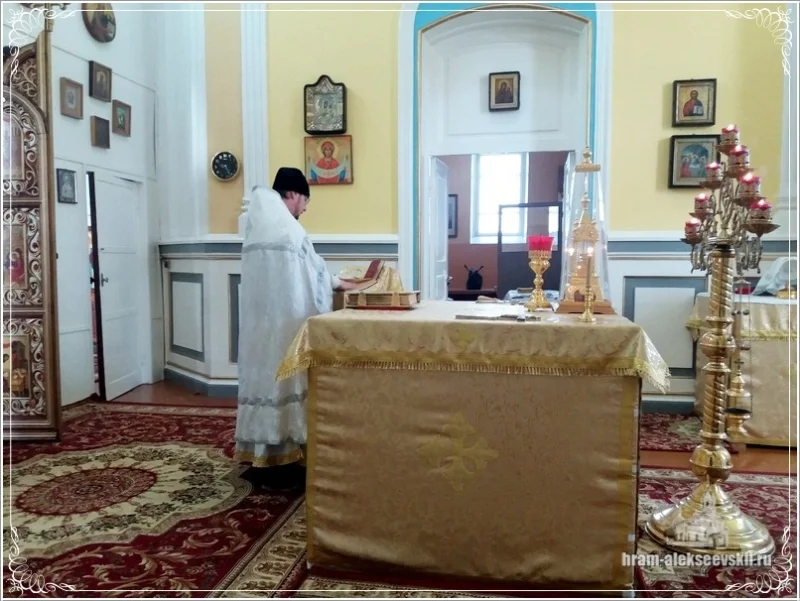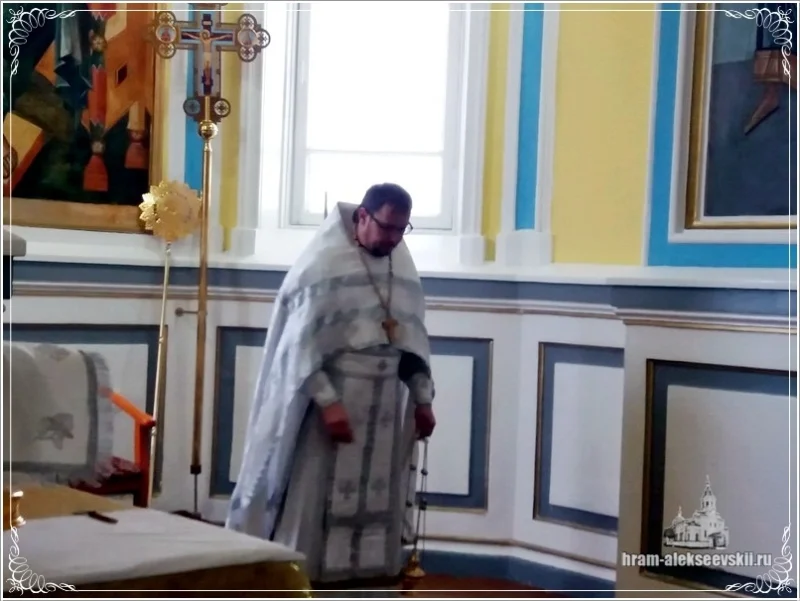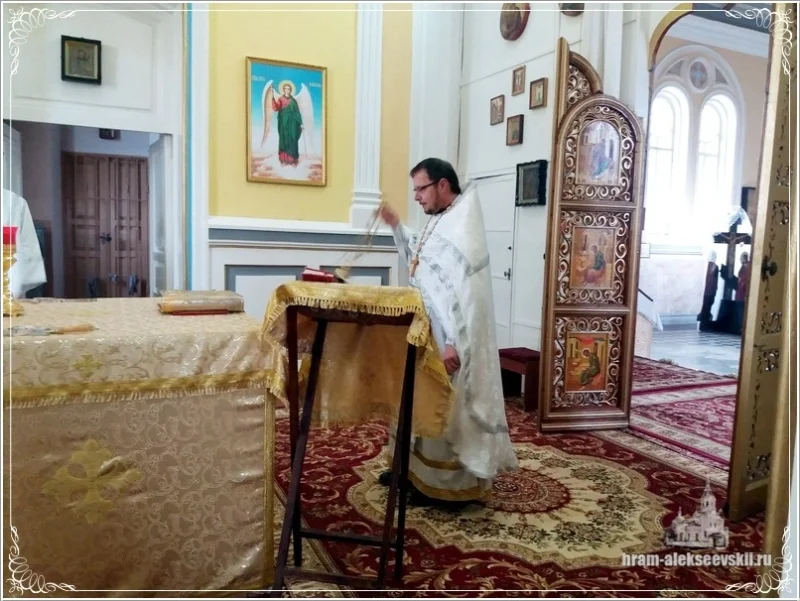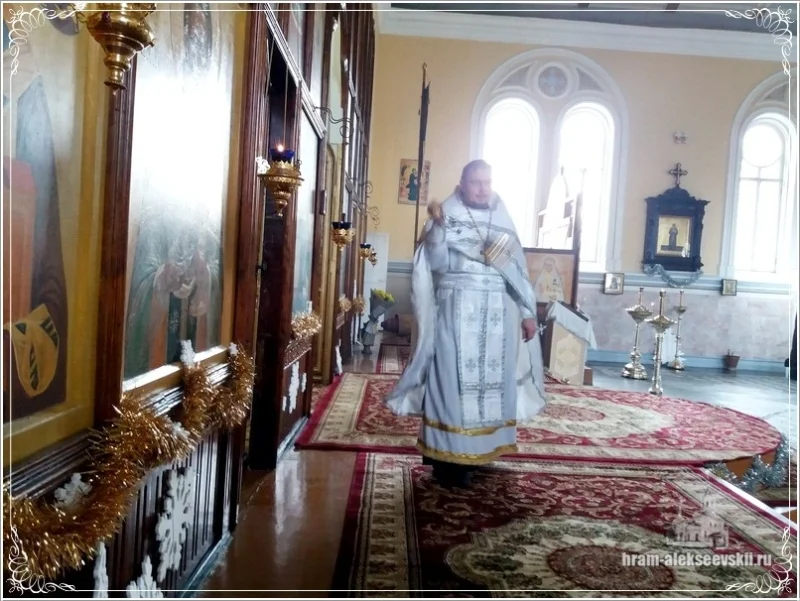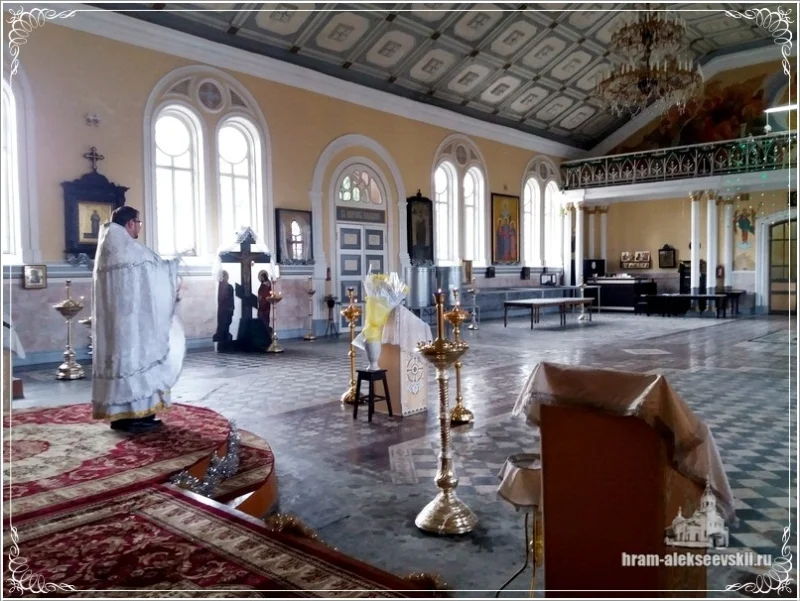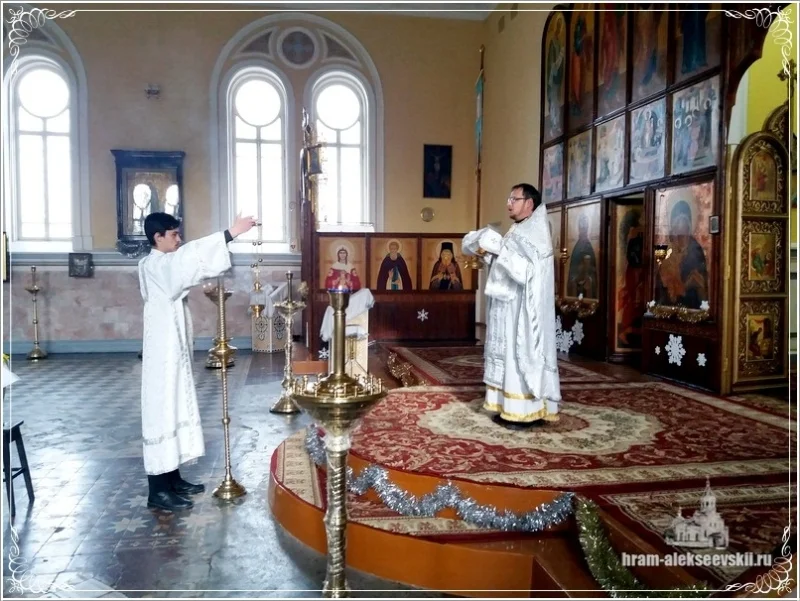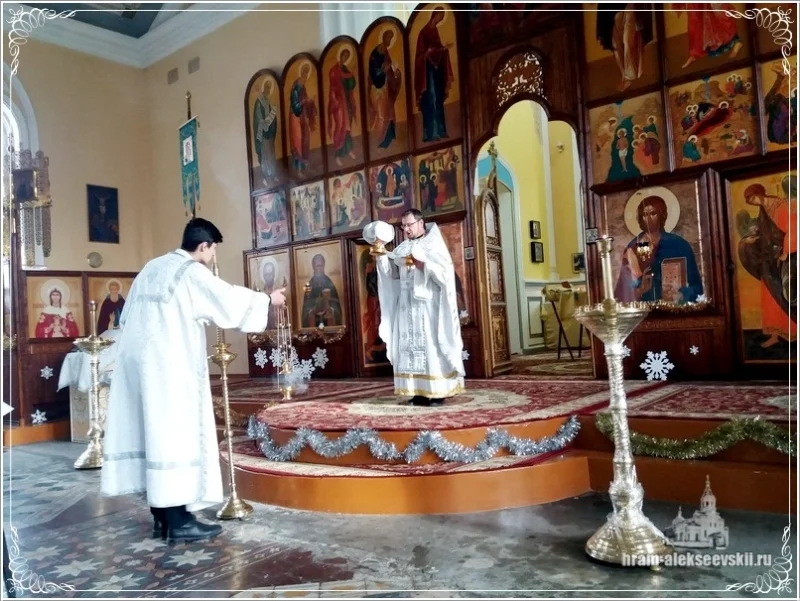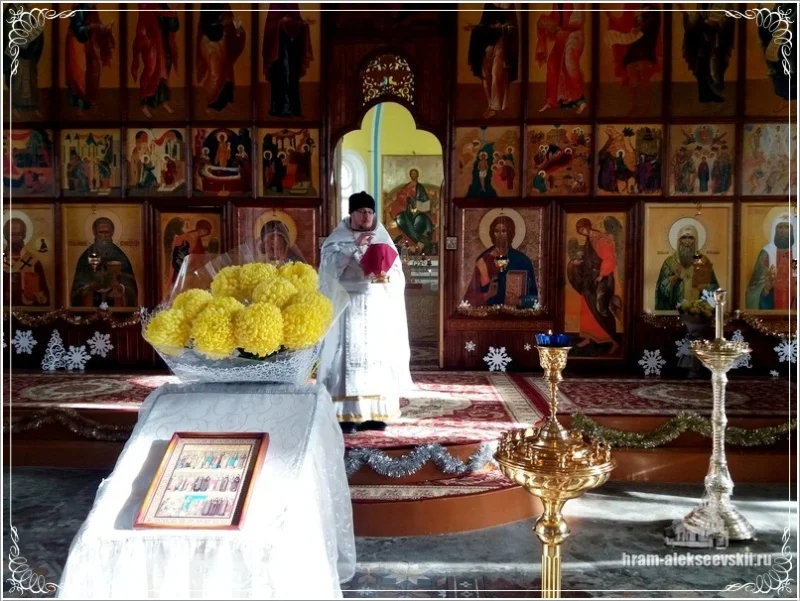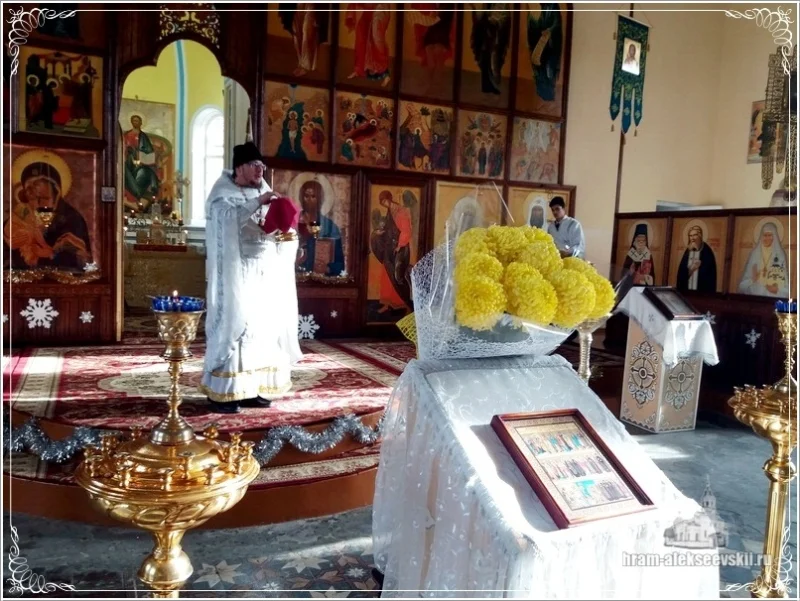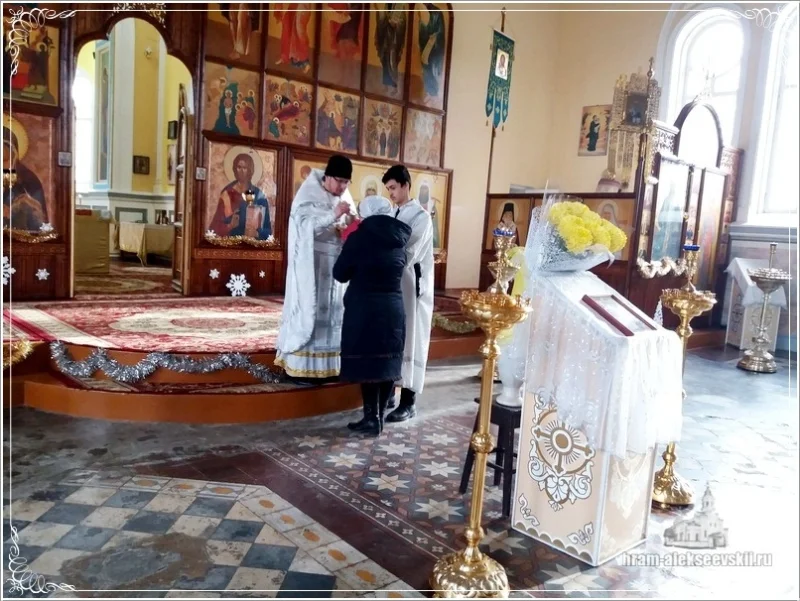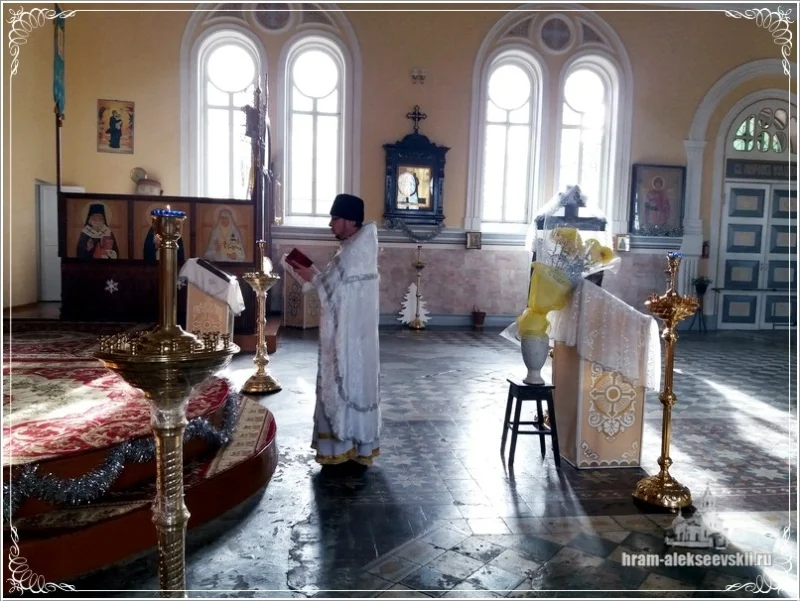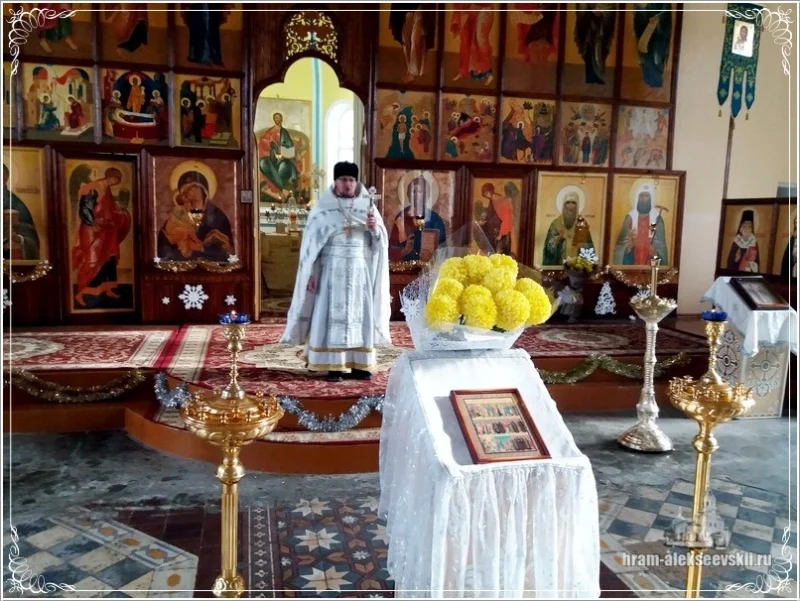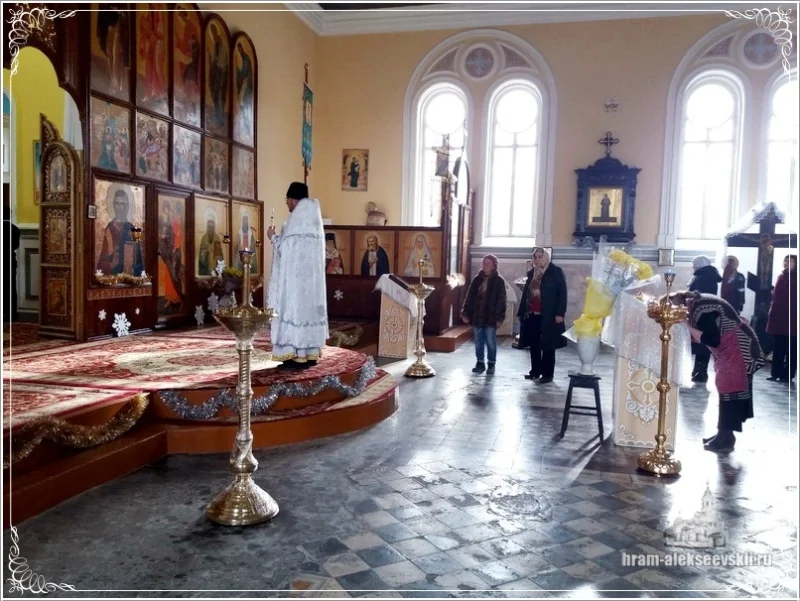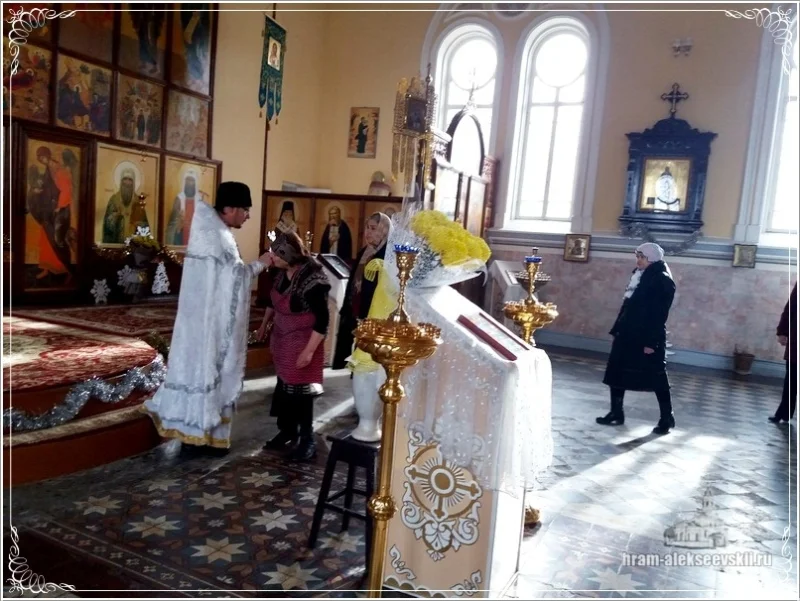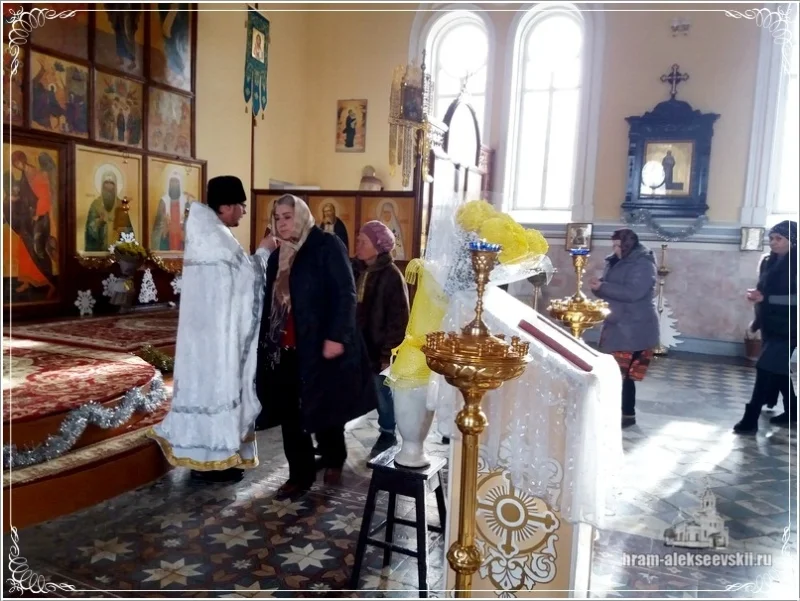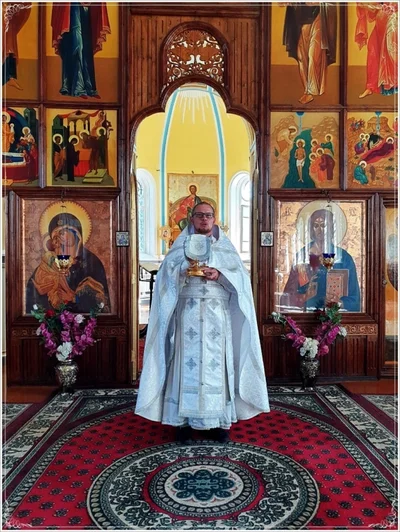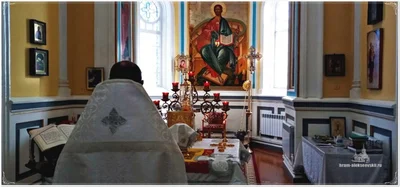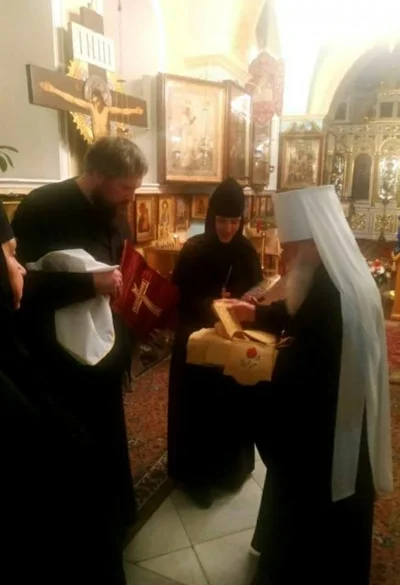
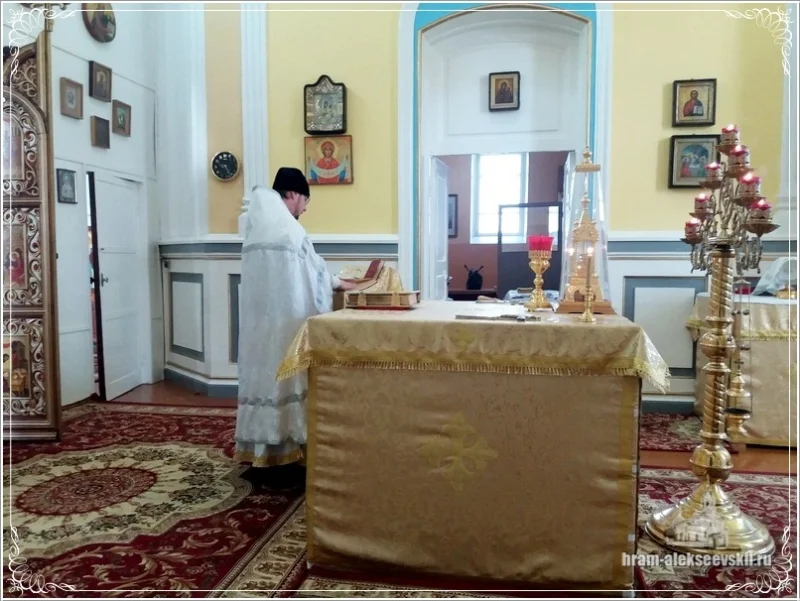
On 14 January the Orthodox Church solemnly celebrates the feast of the Circumcision of the Lord, in memory of how the Divine Infant Jesus, according to Old Testament tradition, was circumcised on the eighth day after His Nativity and was then given the name foretold by the Archangel Gabriel at the Annunciation to the Virgin Mary and announced beforehand by an Angel to the holy and righteous Joseph the Betrothed: Jesus (Savior). On this day the rector of Saint Alexius Cathedral, Priest Igor Babakov, celebrated the festal Divine Liturgy.
On the eve, the All-Night Vigil was served in the church.
At the end of the service, Fr. Igor addressed the parishioners with a sermon dedicated to the feast.
The feast of the Circumcision of the Lord was established in memory of how the Divine Infant Jesus, according to Old Testament tradition, was circumcised on the eighth day after His Nativity and was then given the name foretold by the Archangel Gabriel at the Annunciation to the Virgin Mary and announced beforehand by an Angel to the holy and righteous Joseph the Betrothed: Jesus (Savior).
The very giving of this name is a sign of the supreme ministry of the incarnate Son of God, "for He will save His people from their sins" (Matt. 1:21). In the Old Testament, circumcision was established as a prefiguration of New Testament Baptism, as a sign of the Covenant with the Lord and a sign of cleansing from original sin. This was not yet the full and true cleansing established by our Lord Jesus Christ, who took upon Himself the sins of the world and shed His Blood on the Cross. Old Testament circumcision was, as it were, a punishment for the disobedience of our first parents: "Behold, I was brought forth in iniquity, and in sin my mother conceived me" (Ps. 50:7).
The Lord, being like us in all things except sin, needed no cleansing; being the Son of God and true God, what covenant with God could the Ever-Existing Creator and Lawgiver of the world need? In His humility He accepts what was laid upon sinful people, for He Himself would later say of Himself: "I did not come to destroy the law but to fulfill it." St. Demetrius of Rostov wrote: "In the circumcision our Master showed greater humility than in His birth: in His birth He took on the form of a man..., but in the circumcision He took on the form of a sinner, enduring as a sinner the pain laid down for sin."