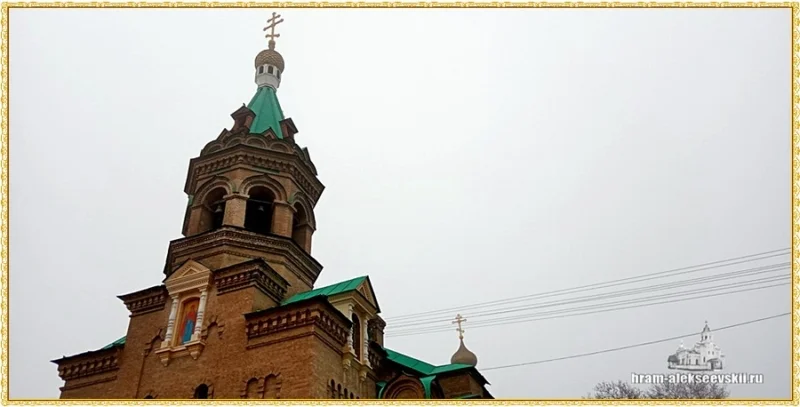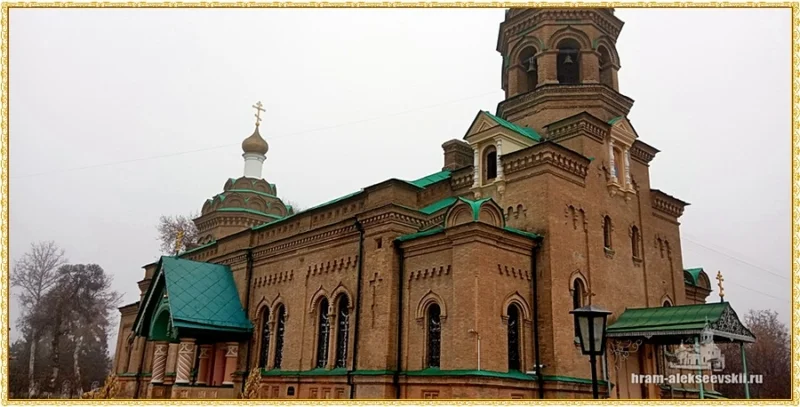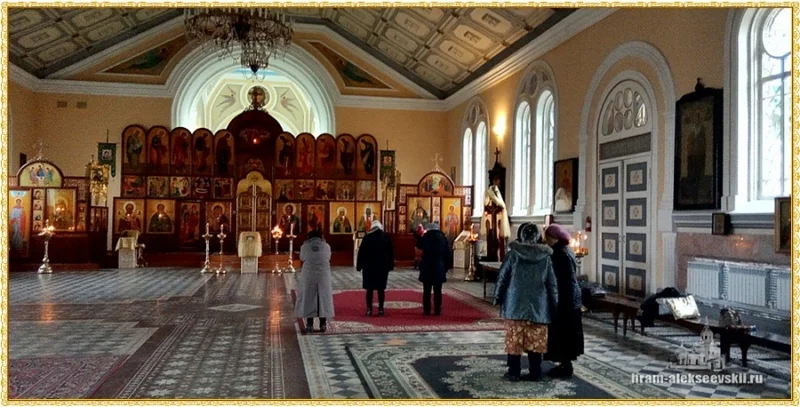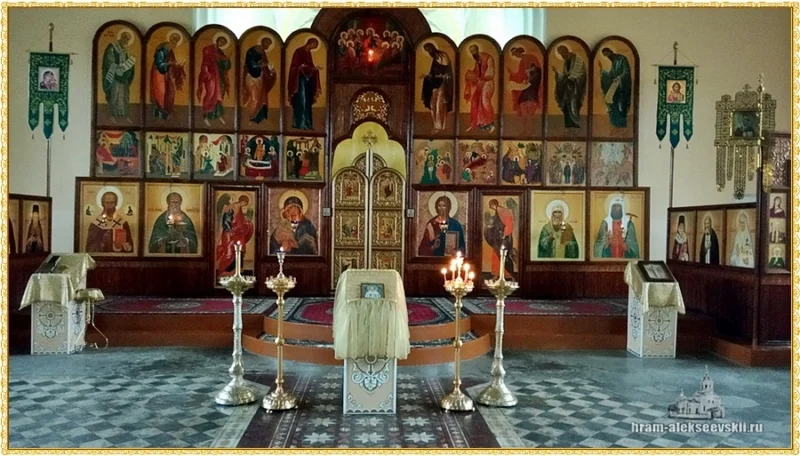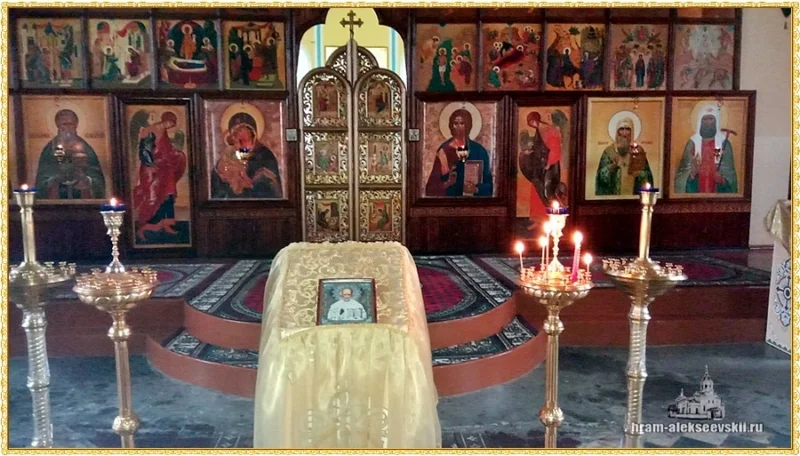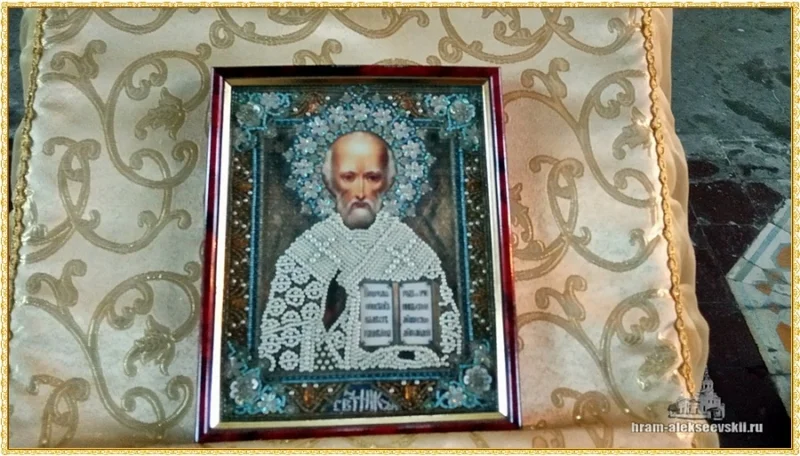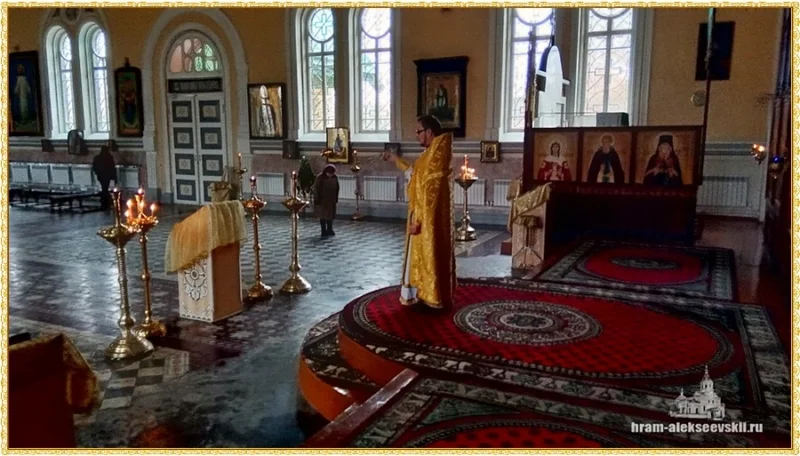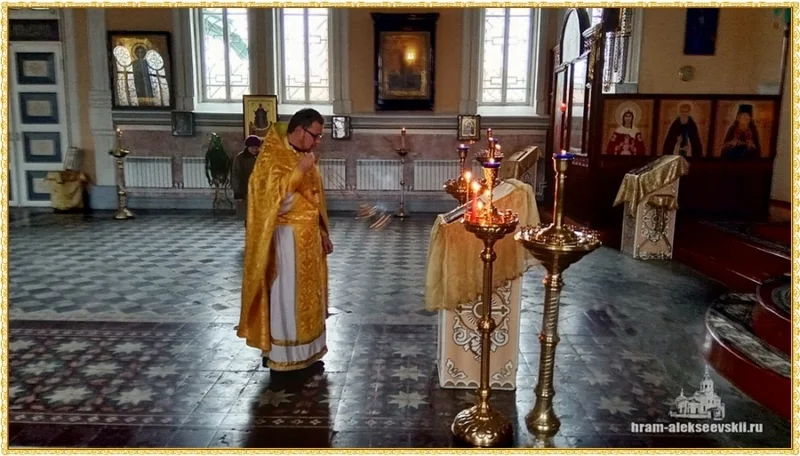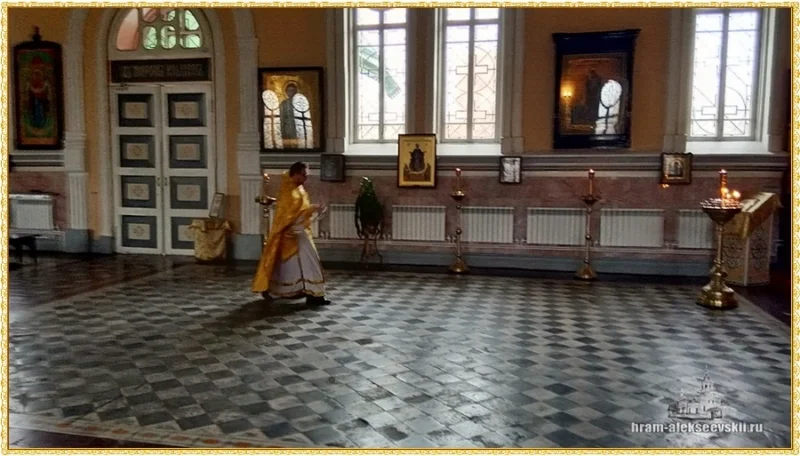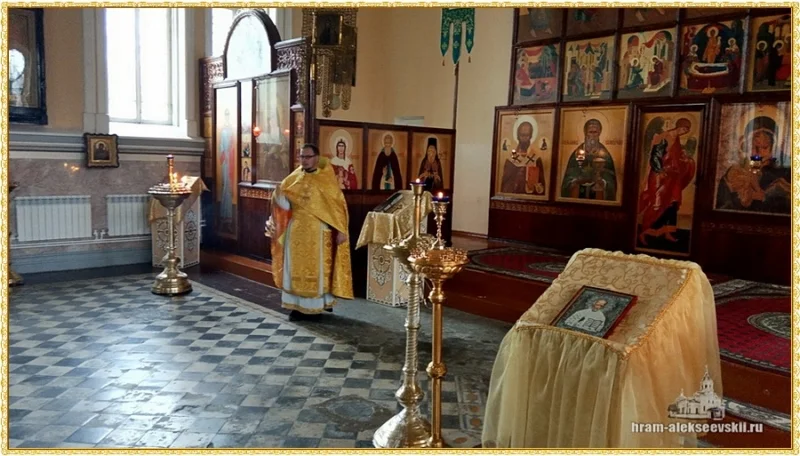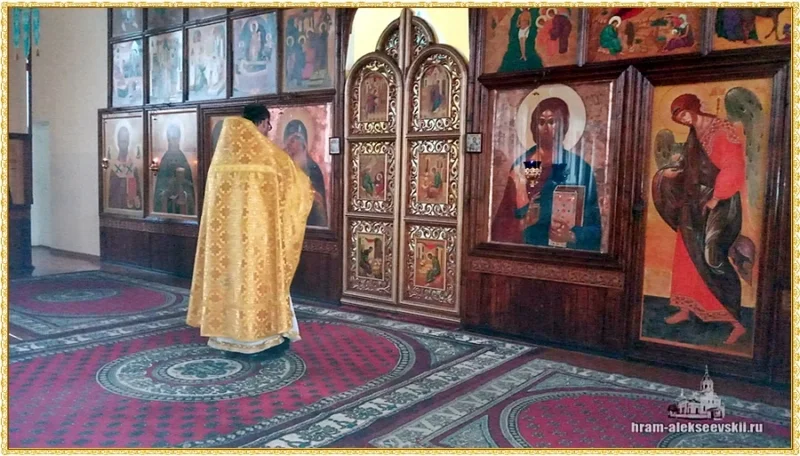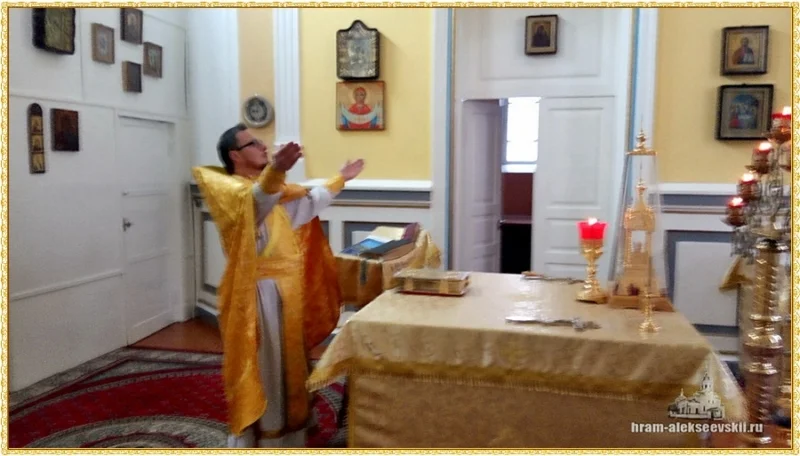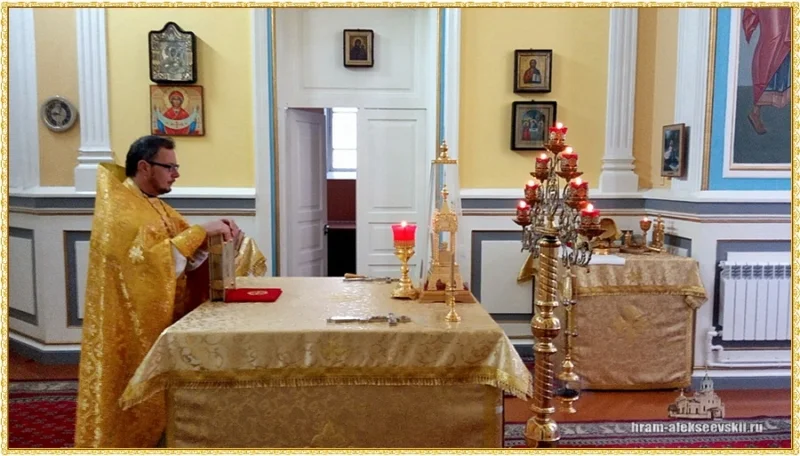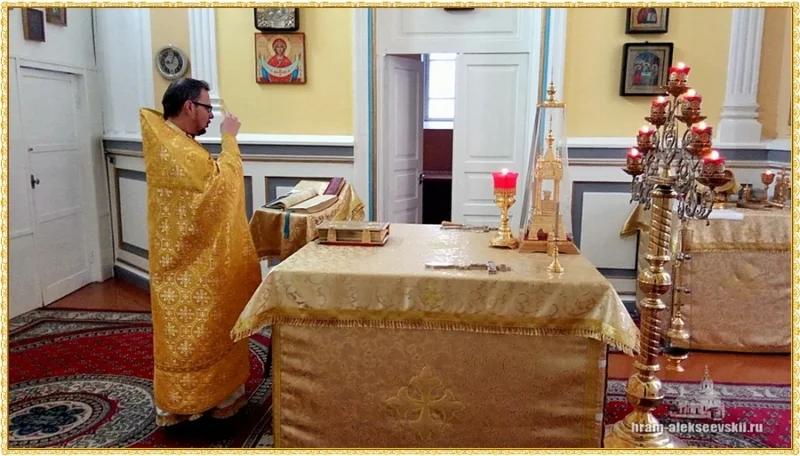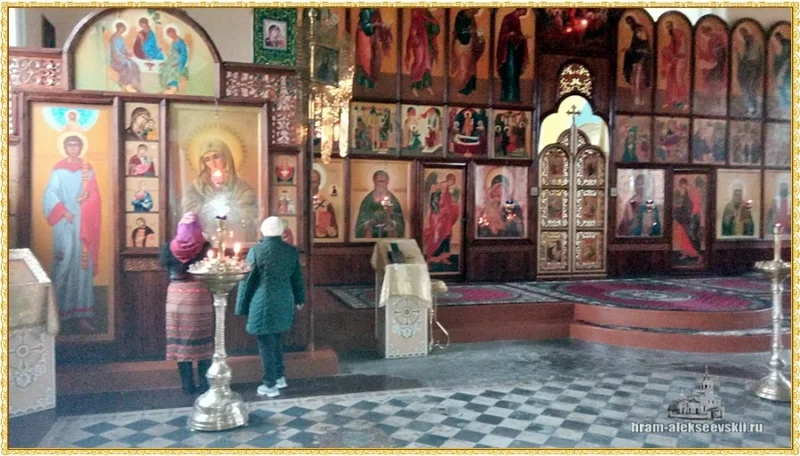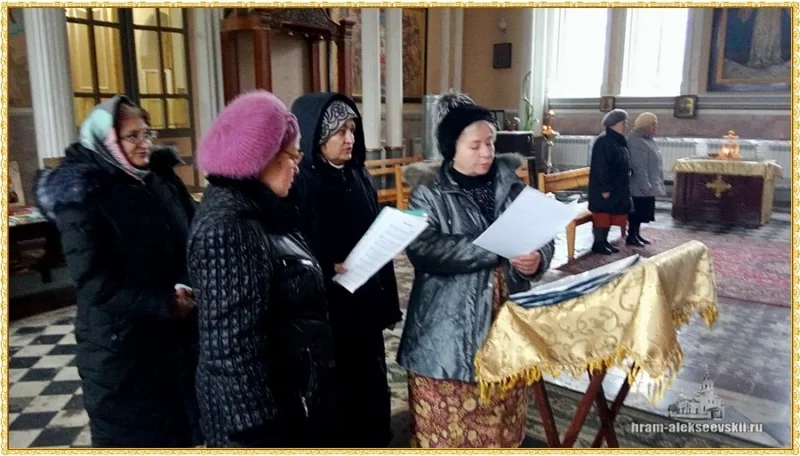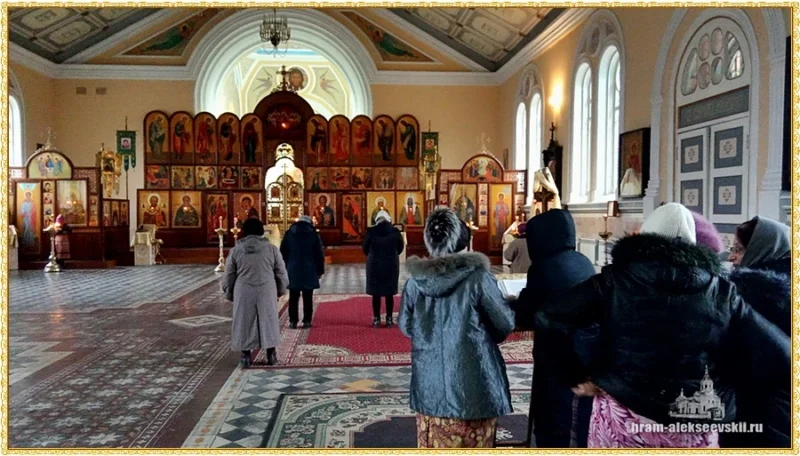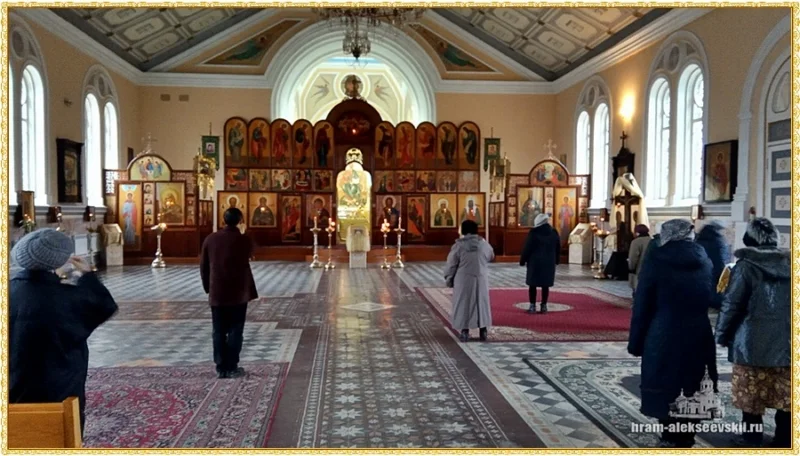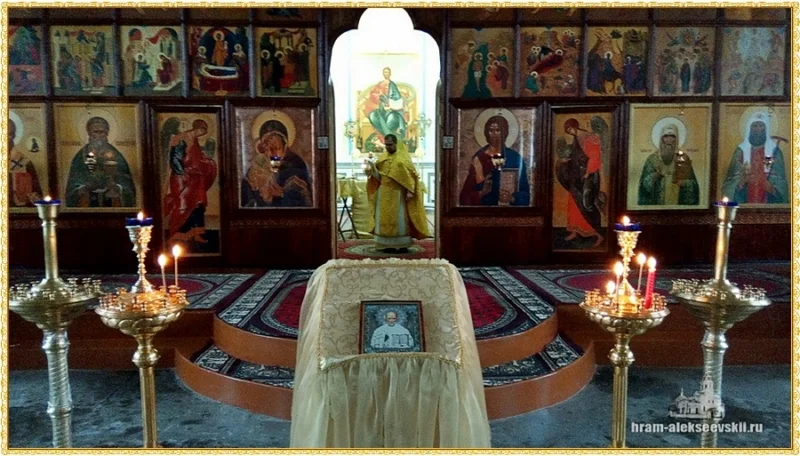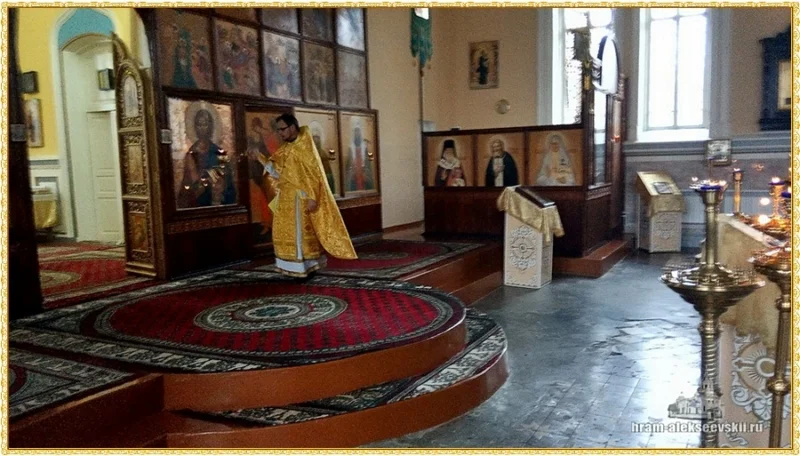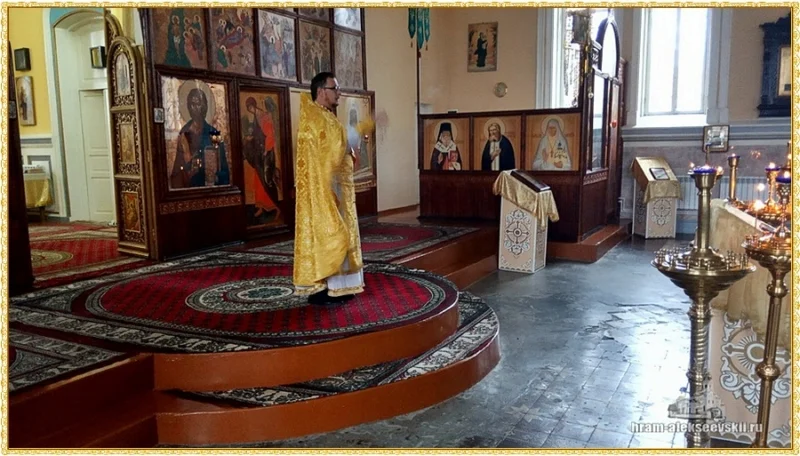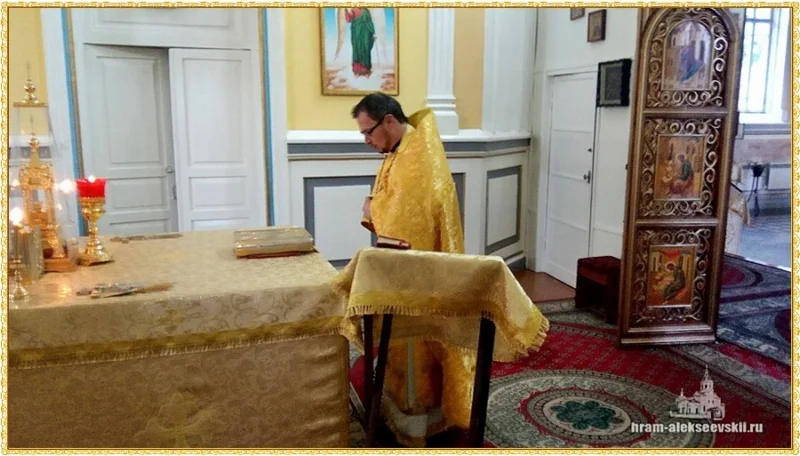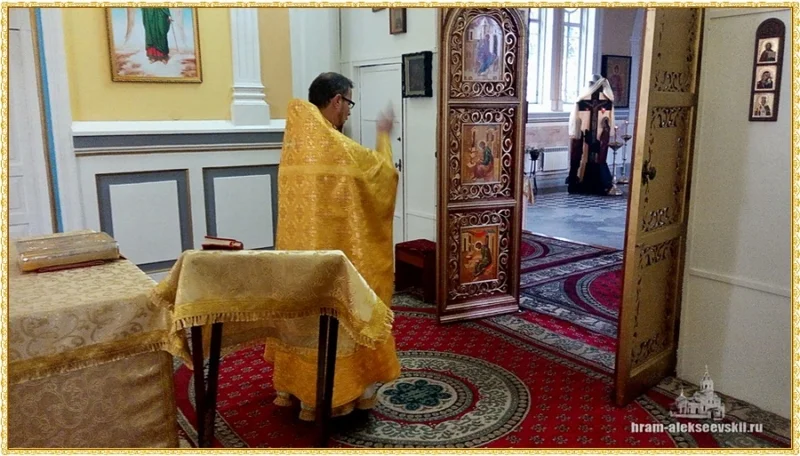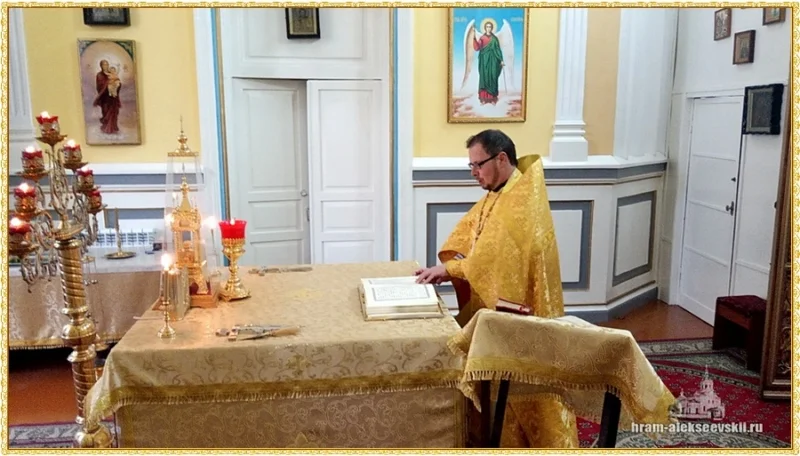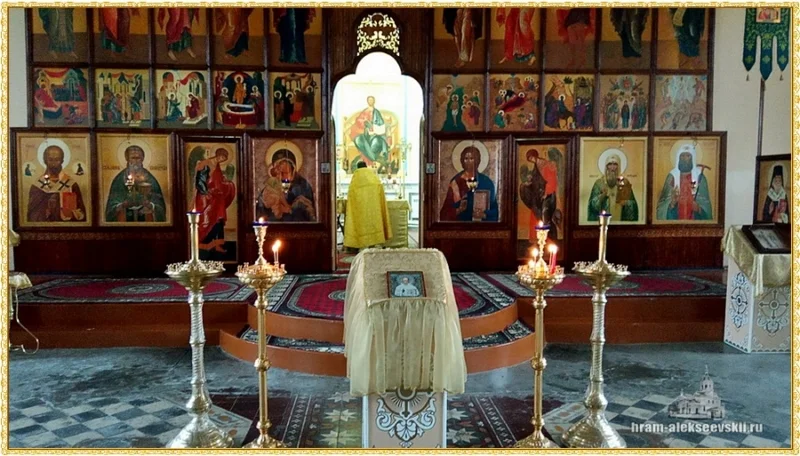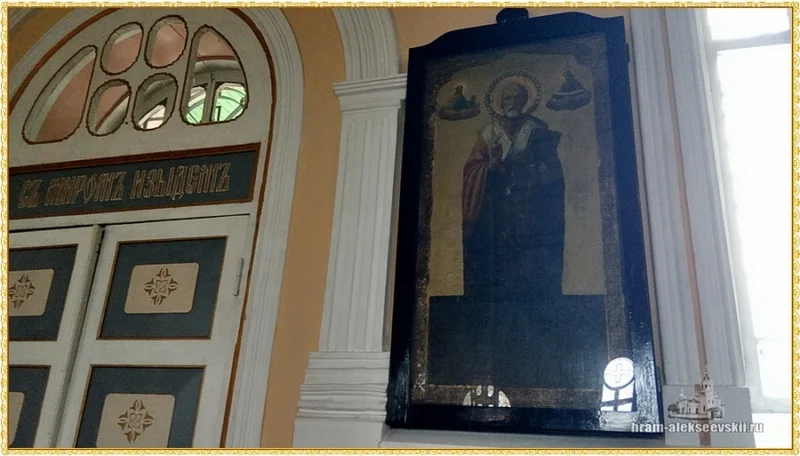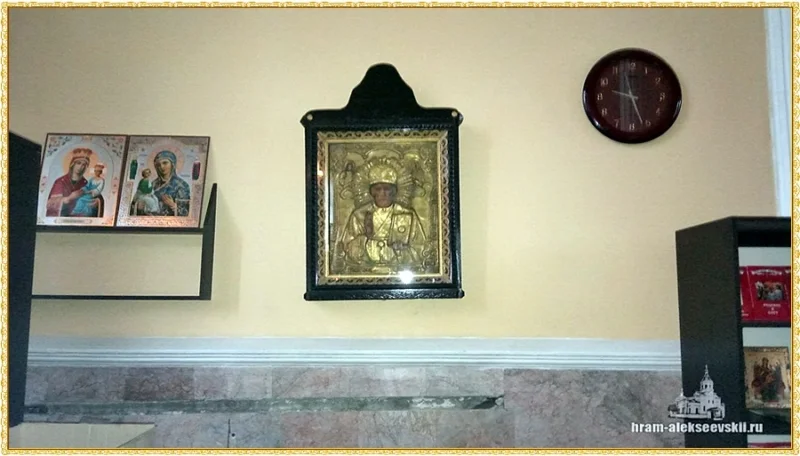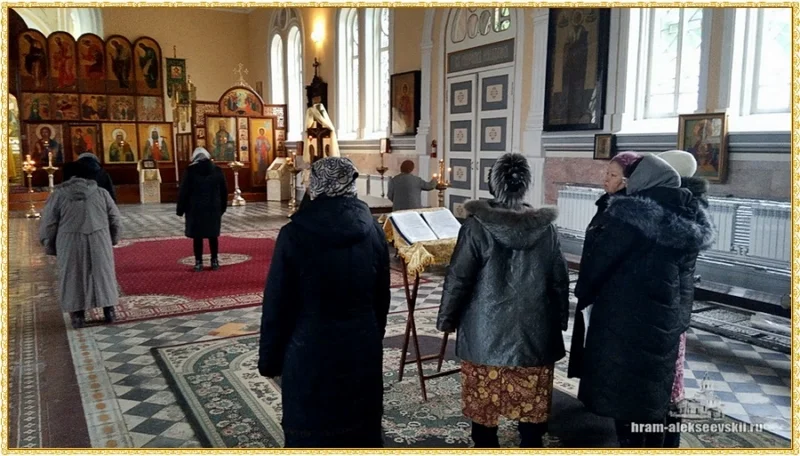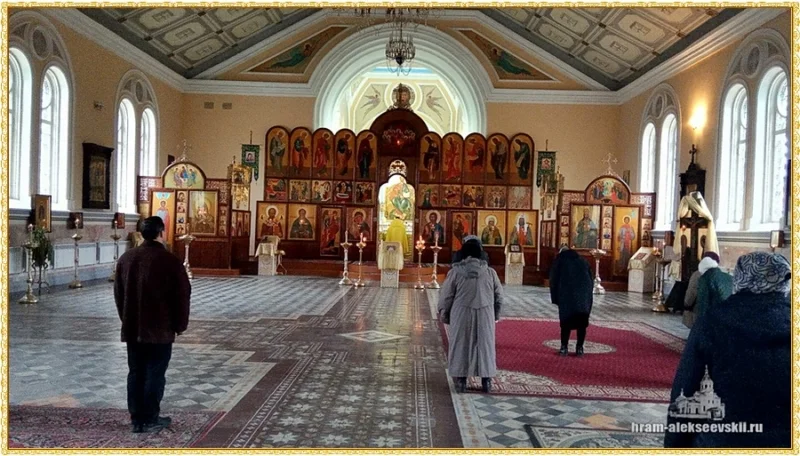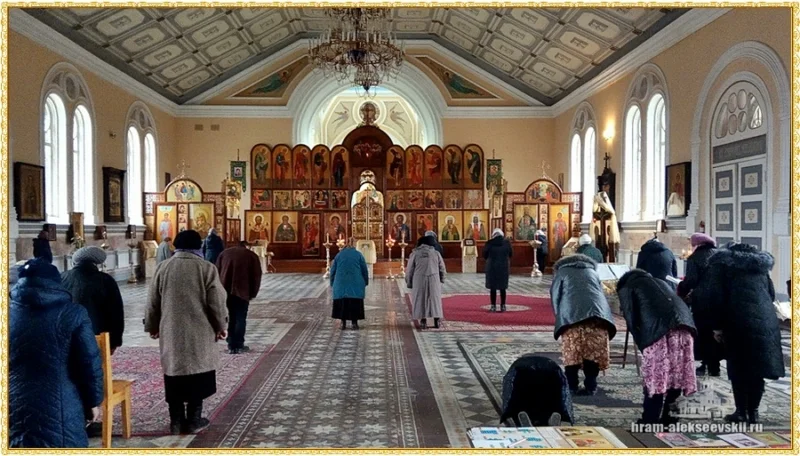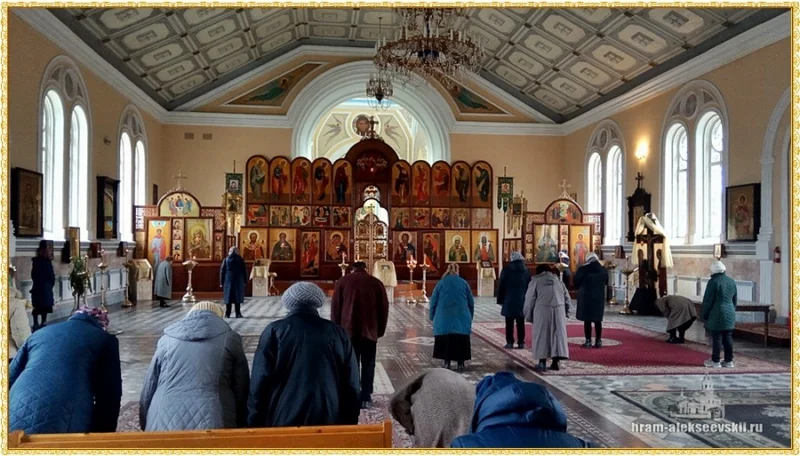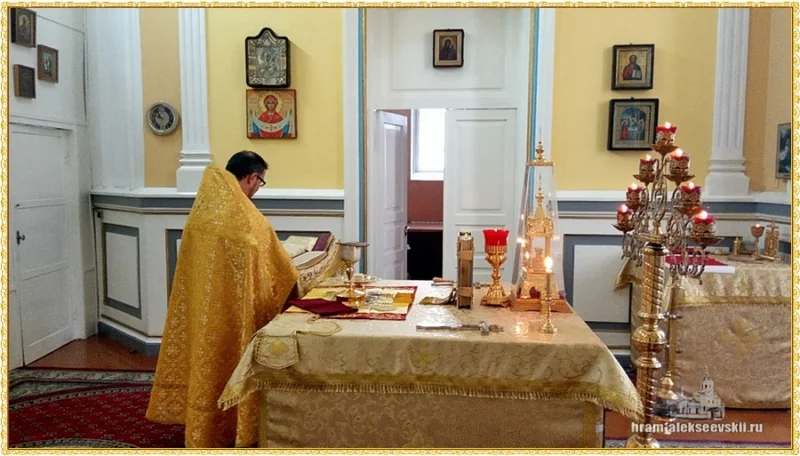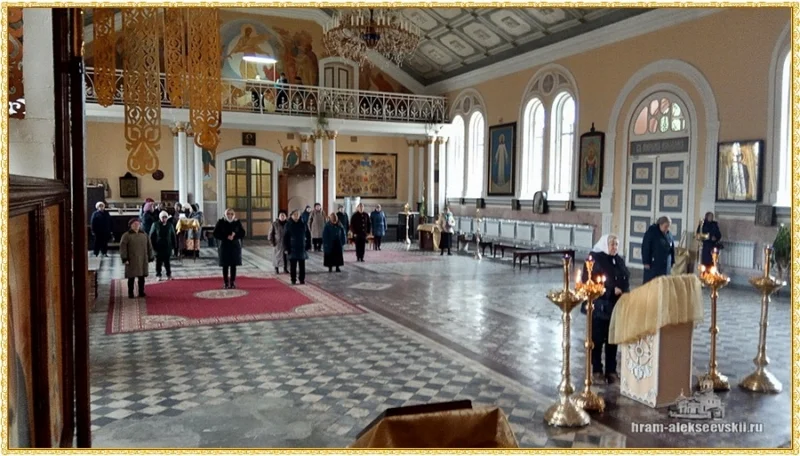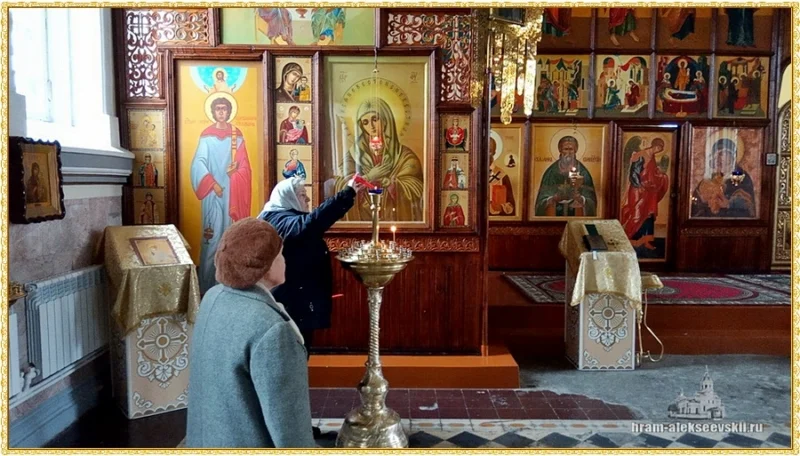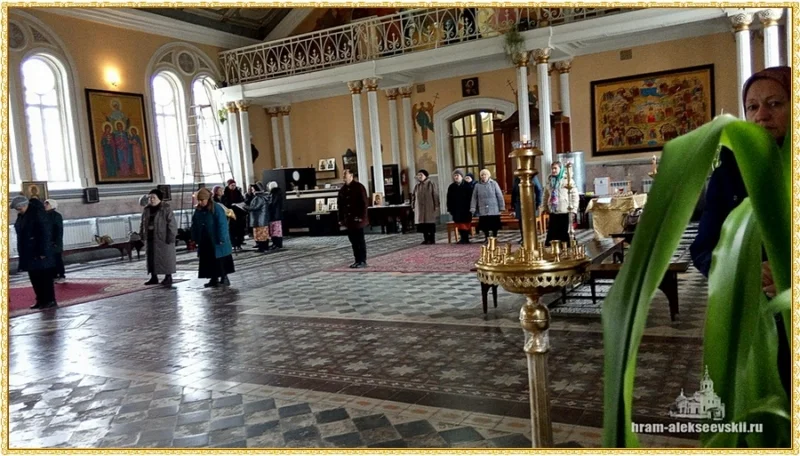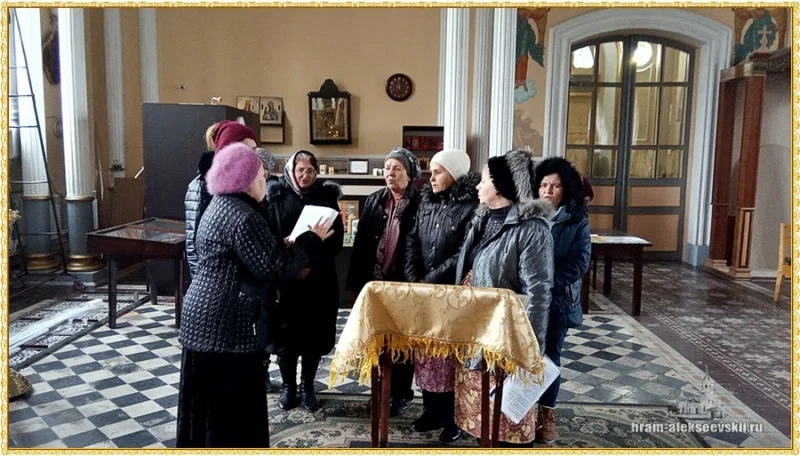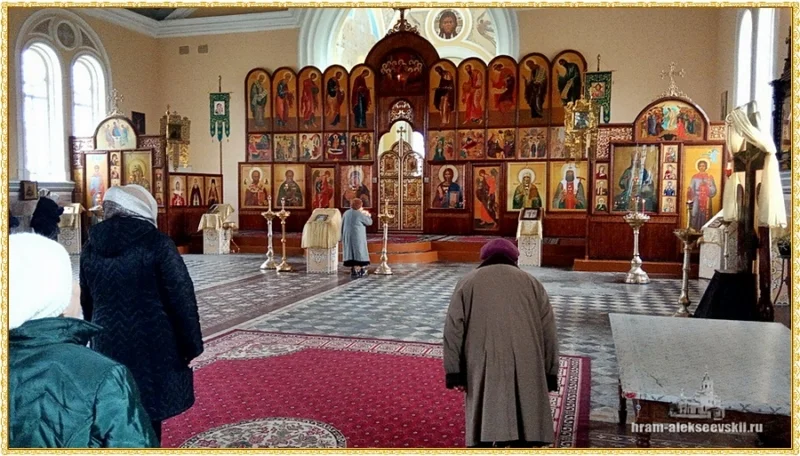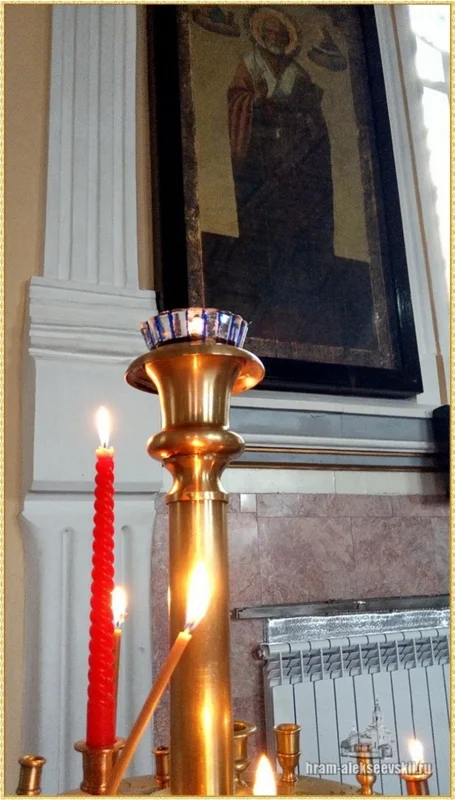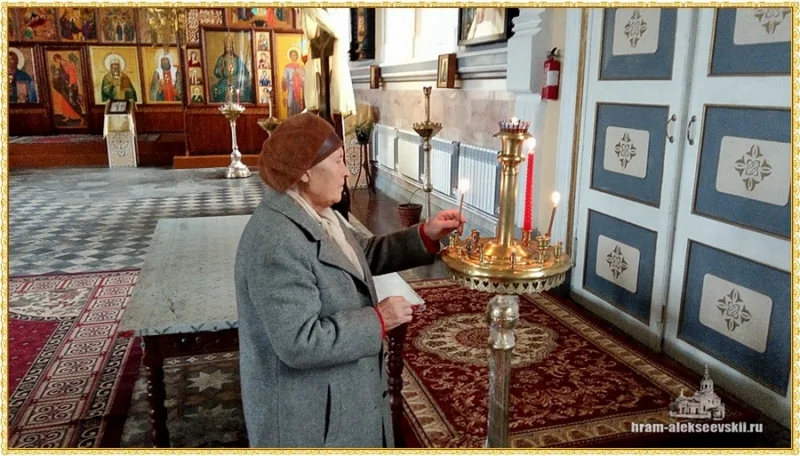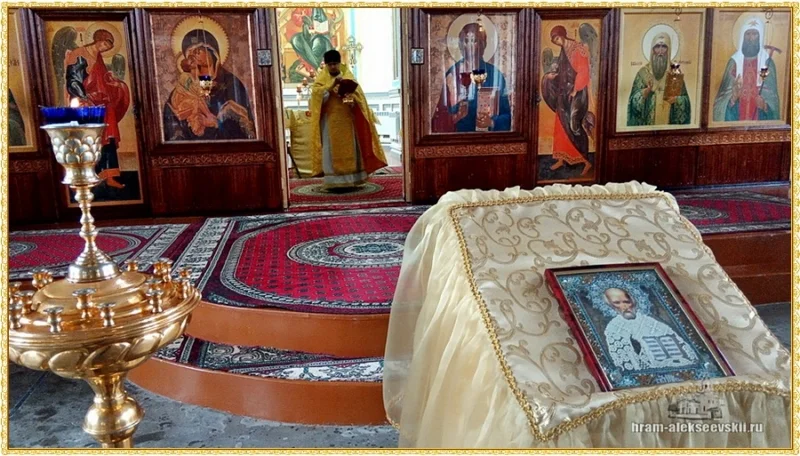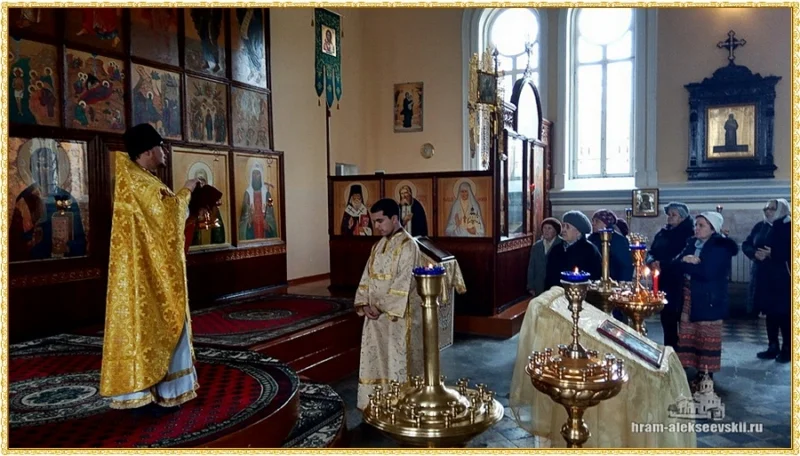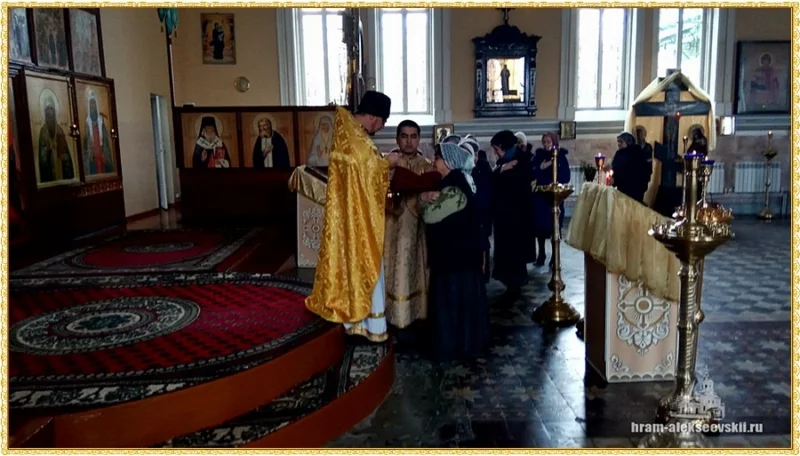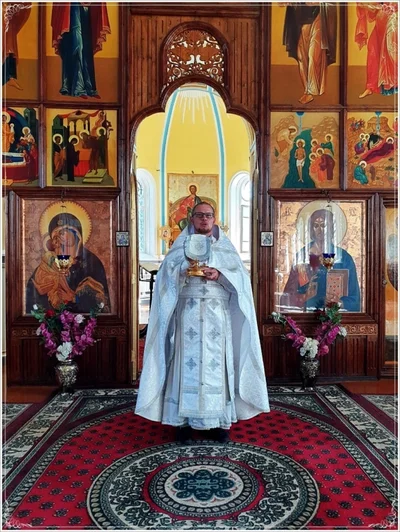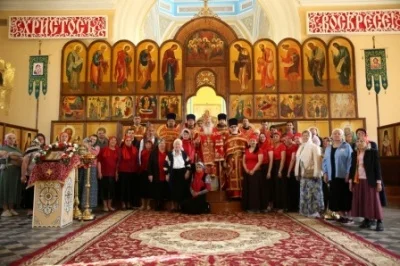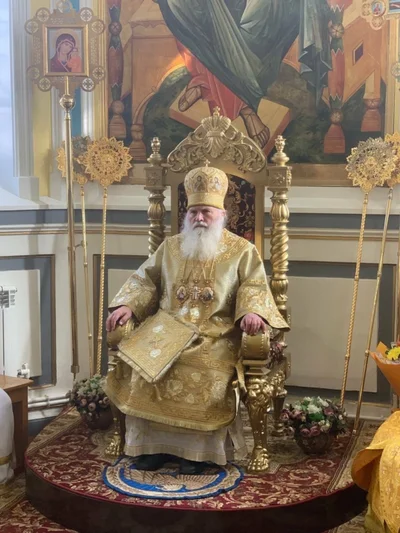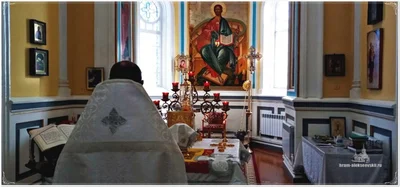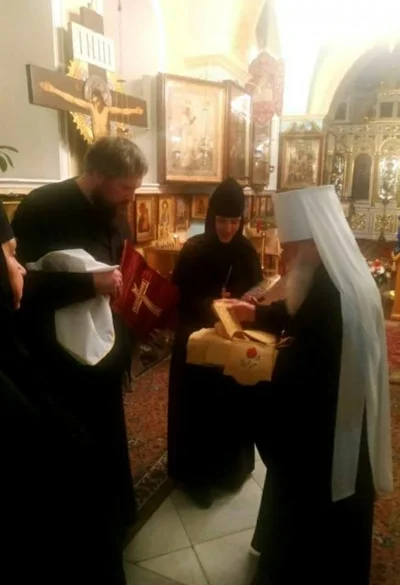
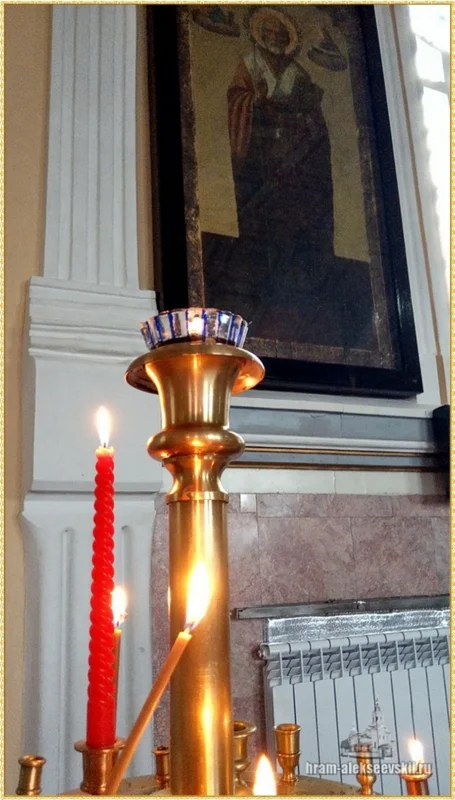
On 19 December 2019 a festive Divine Liturgy was celebrated at Saint Alexius Cathedral in Samarkand in memory of St. Nicholas the Wonderworker, Archbishop of Myra in Lycia.
The Liturgy was celebrated by the rector of the church, Priest Igor Babakov.
The Divine Liturgy was filled with special uplift, for St. Nicholas is known and venerated by people of every nationality and every faith. This saint helps all who are in need, above all those in danger and in material hardship, and he is quick to answer prayerful requests. Not for nothing is he called the Pleaser of God, the Wonderworker, and the Protector of orphans and widows.
On the eve, the All-Night Vigil was served in the church.
The evening prayer was calm and peaceful, and the solemnity of the service helped the soul to lay aside earthly cares and turn its gaze to spiritual things.
…The name of the great hierarch and wonderworker Nicholas, whom we glorify today, means in Greek “conqueror of the people” or “victor over nations”.
We do not know why his parents gave him this name. Perhaps they hoped to see him become a glorious military commander, for in those days such a lot was considered the most glorious and honourable. But why does the hymn of the Church glorifying the saint, who had nothing to do with feats of war, tell us that the life of St. Nicholas was in accordance with his name?
“As is your name, so is your life,” we sing at the All-Night Vigil.
How could this most meek and most humble saint of God resemble those victorious conquerors of nations who were driven by the pursuit of glory, honours and loud praise? What did he have in common with those people who, chasing glory, shed innocent blood and caused inconsolable tears to flow? He, of whom the akathist says that he “took away every tear from the face of those cruelly suffering” and that by him “weeping is driven away”?
All the conquerors and enslavers of nations achieved their aims by force of arms, and their glory was accompanied by the groans of those dying in battle and the pitiful cries of the maimed and orphaned who had been vanquished.
True, immortal glory and universal renown were attained by those who served people humbly and selflessly, “burning” in spirit with great love for God and neighbour. Teaching His disciples how to live among people, the Lord said: “The kings of the Gentiles exercise lordship over them, and those who exercise authority over them are called ‘benefactors.’ But not so among you; on the contrary, he who is greatest among you, let him be as the younger, and he who governs as he who serves… Yet I am among you as the One who serves” (Luke 22:25–27).
Those who, according to the Lord’s commandment, followed Him in the service of God and people were truly victors. They are glorified, though they never sought glory. They died long ago, yet they live for ever in human hearts.
Among the greatest of them we see, and honour with special love, St. Nicholas. He won a great victory. He is truly a victor over nations, having awakened in their hearts a special love and a veneration that has lasted for centuries, not by the cruel force of bloody weapons, nor by the force of domineering compulsion, but by the power of his compassionate, active love, the only power that conquers hearts. The Holy Church confesses this victory of his love, singing to him on behalf of all her faithful children: “We, O Father Nicholas, conquered by your love, cry out to you thus: Rejoice, Nicholas, great wonderworker!” And St. Nicholas reigns in our hearts, drawing us not under the burden of outward compulsion but under the light yoke of the love of Christ, which he himself served in humility throughout his life, seeking no glory, yet glorified by God and people for ever. That is why Orthodox Christians turn to him with special zeal and fervent prayer for help in their sorrows and hardships, firmly hoping in his loving compassion for people and believing in the power of his intercession before God.
How wonderfully all this is expressed in the words of the akathist to the saint: “Truly you are in all things a helper to all, O God-bearing Nicholas… Those near and far have heard of the greatness of your miracles… The whole world proclaims you… a swift intercessor in troubles.”
Among the holy icons our gaze rests with love and reverent attention on the face of St. Nicholas. How dear to us is this face of a kindly elder with a high, open brow and eyes that see into the soul, shining with compassionate love! In this face we sense the grace given by God to win over every soul, to drive away sorrow and to pour forth consolation. St. Nicholas becomes for us an “all-radiant and all-beloved lamp”, that is, a lamp shining on all and for all, loved and cherished by all.
Such glory and such deep love the saint acquired by his holy life and his extraordinary love and compassion for people…
May we too, through the prayers of St. Nicholas, be given the strength to imitate him in our lives, so that we too may prove victors over our sinful, self-loving impulses, and win the hearts of our neighbours not by proud self-exaltation and love of power, but by humble deeds of Christian love and mercy.
After the Liturgy the akathist to St. Nicholas was read.