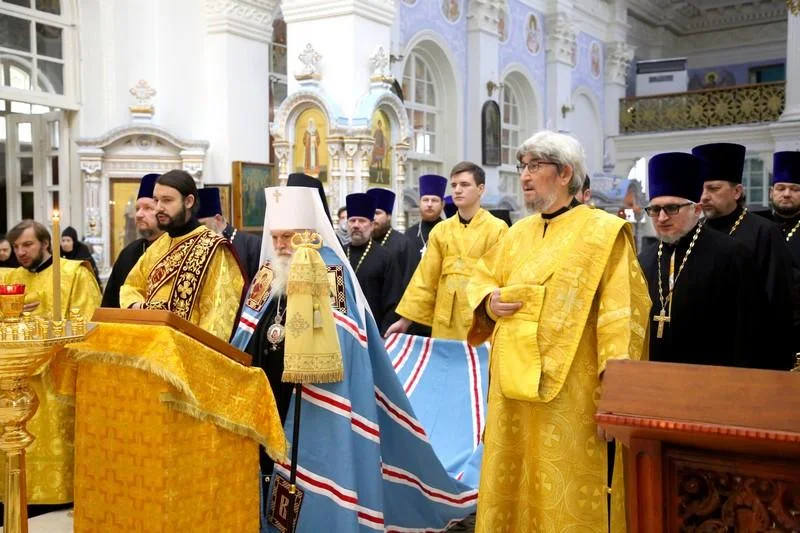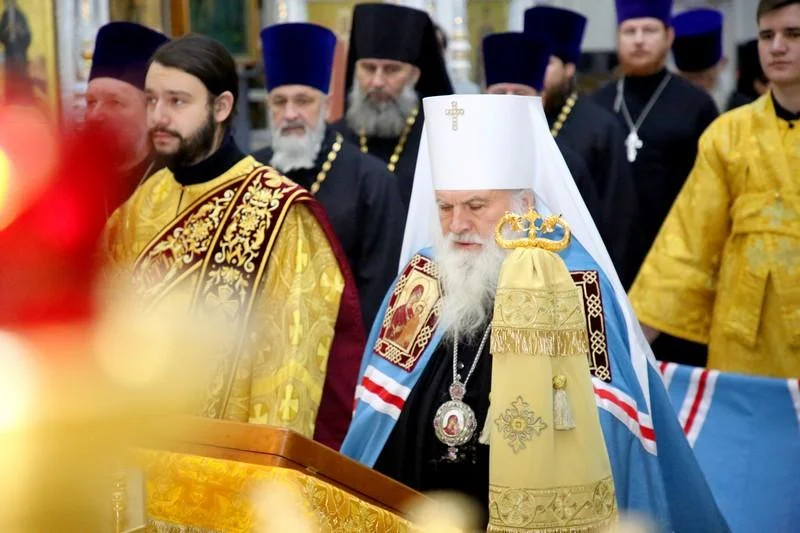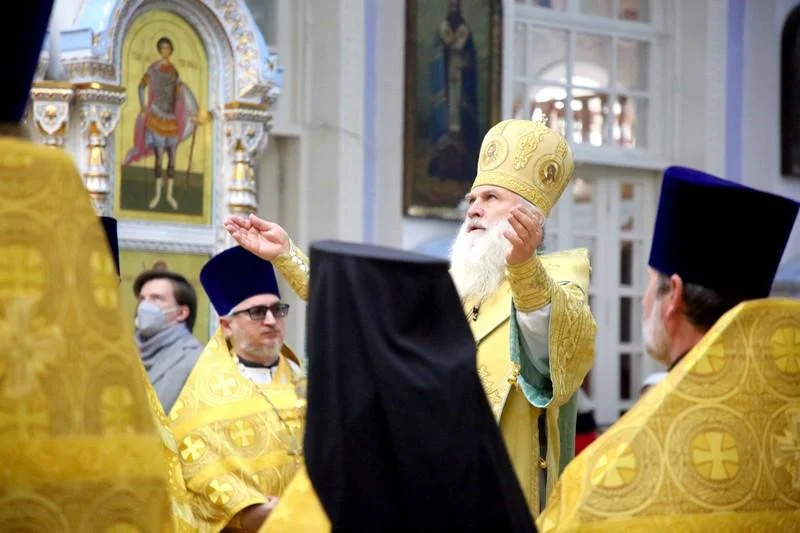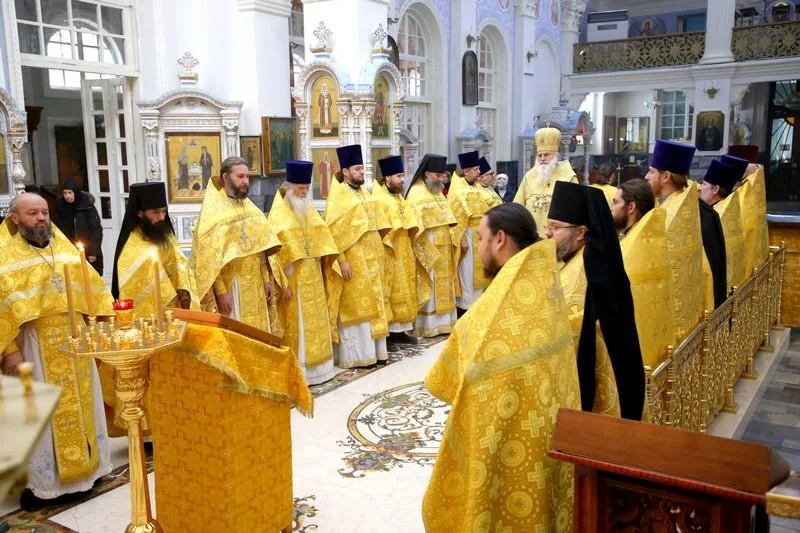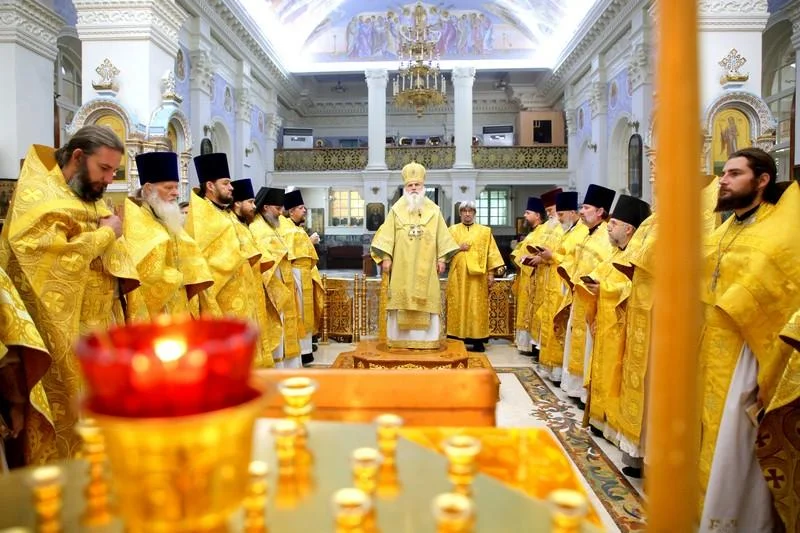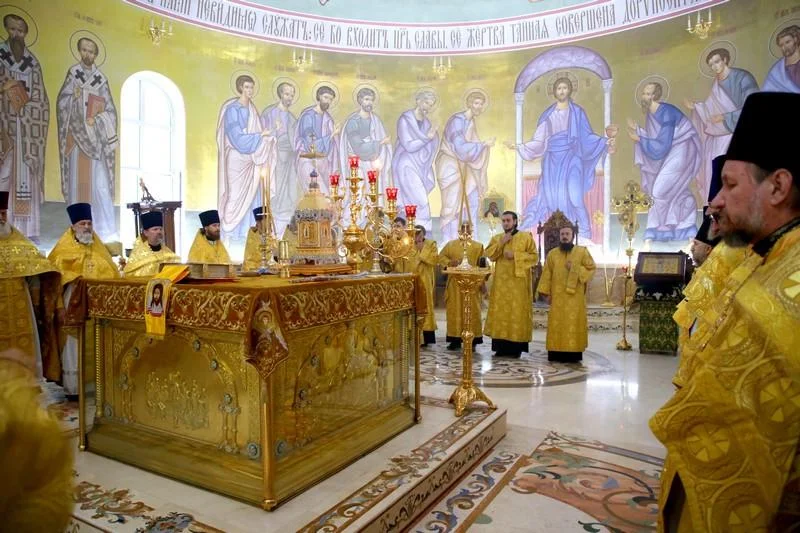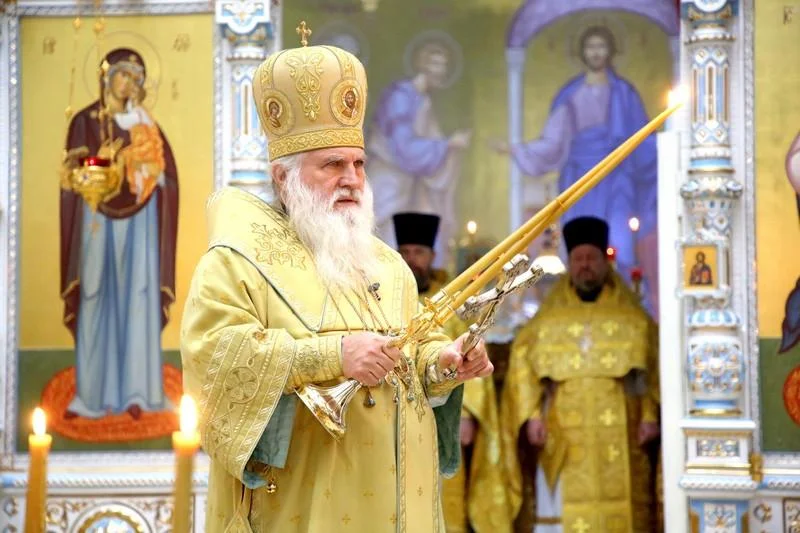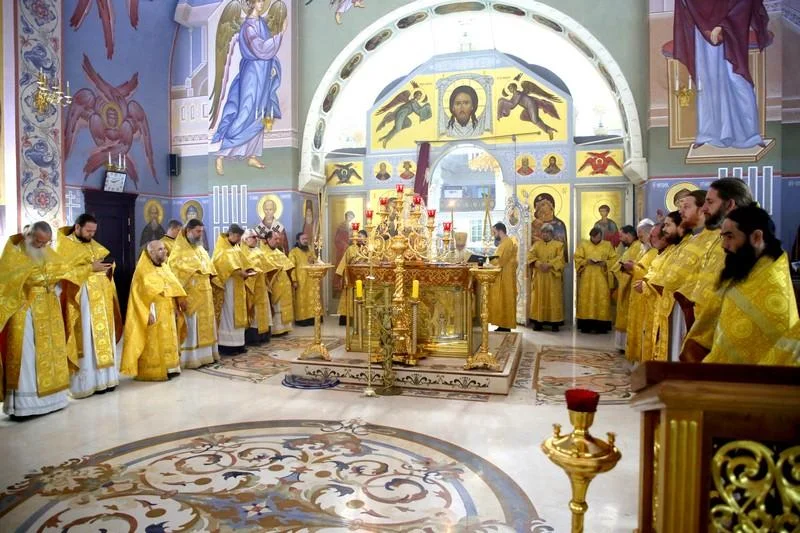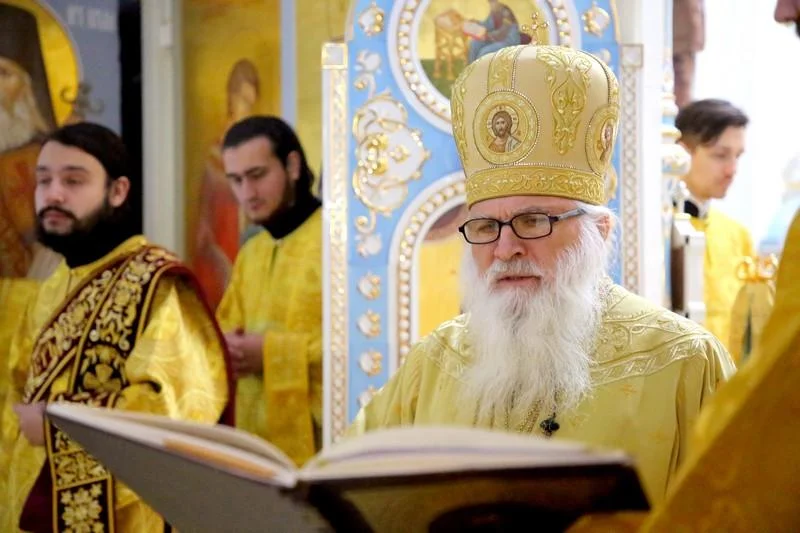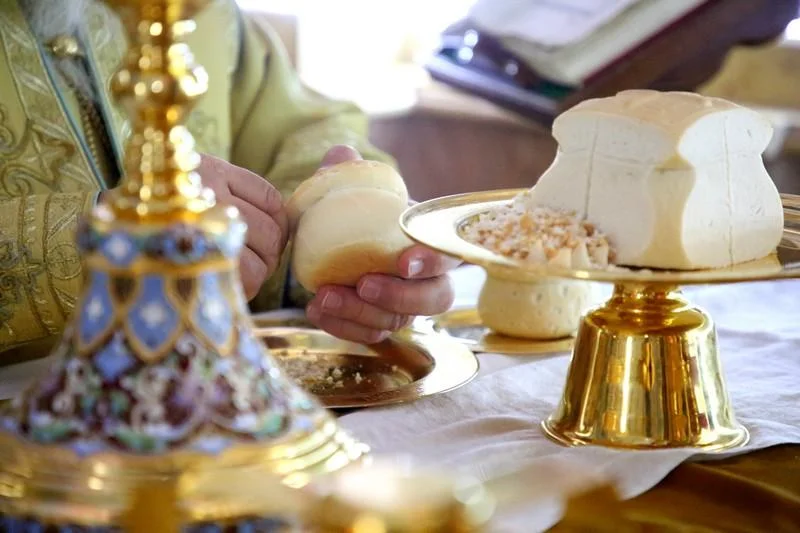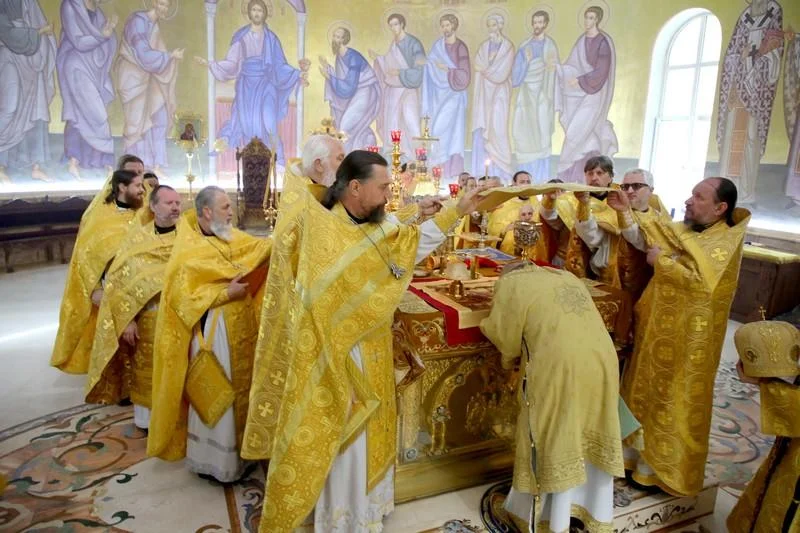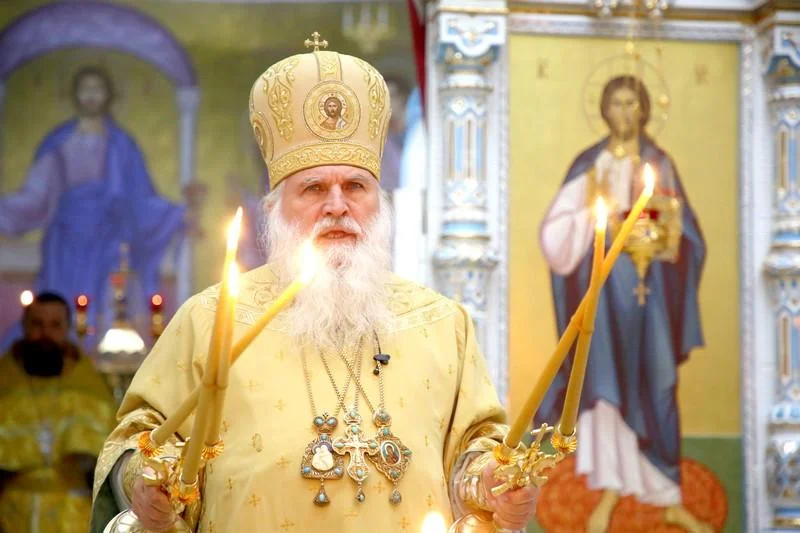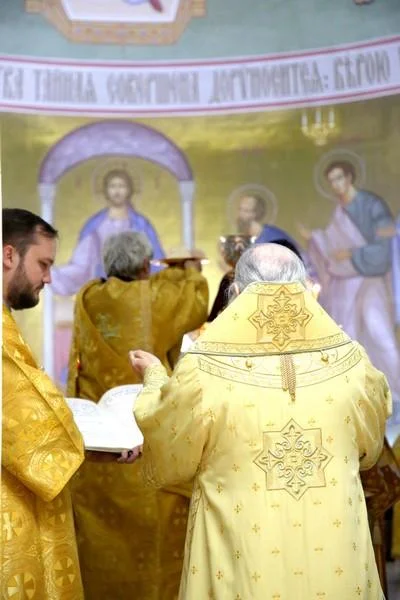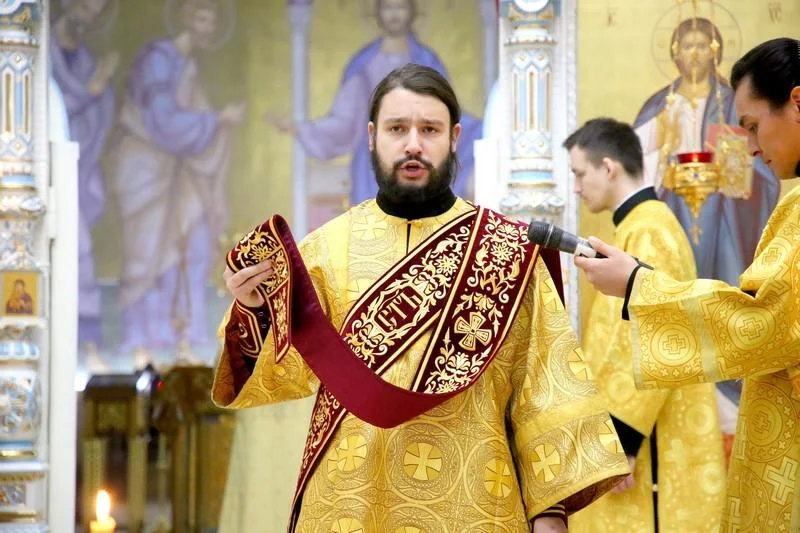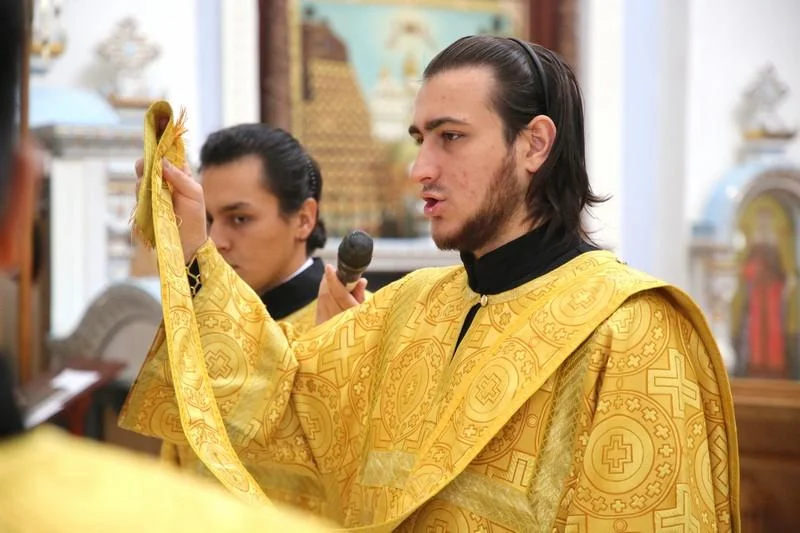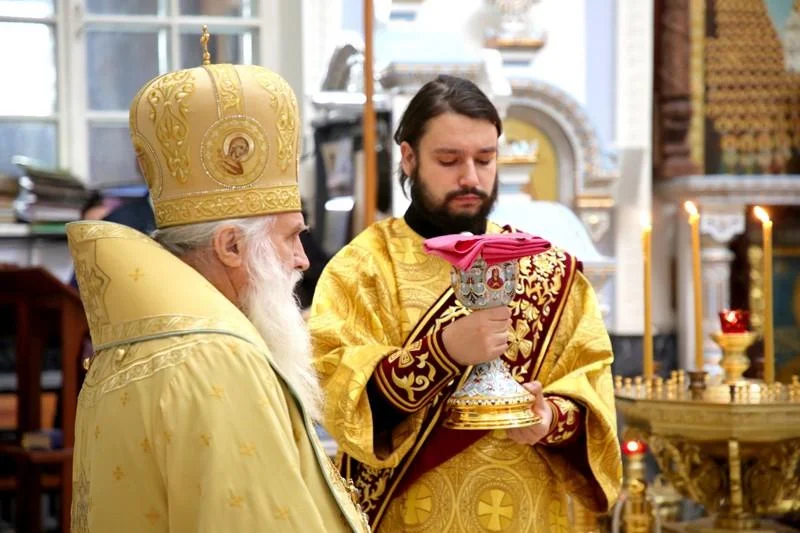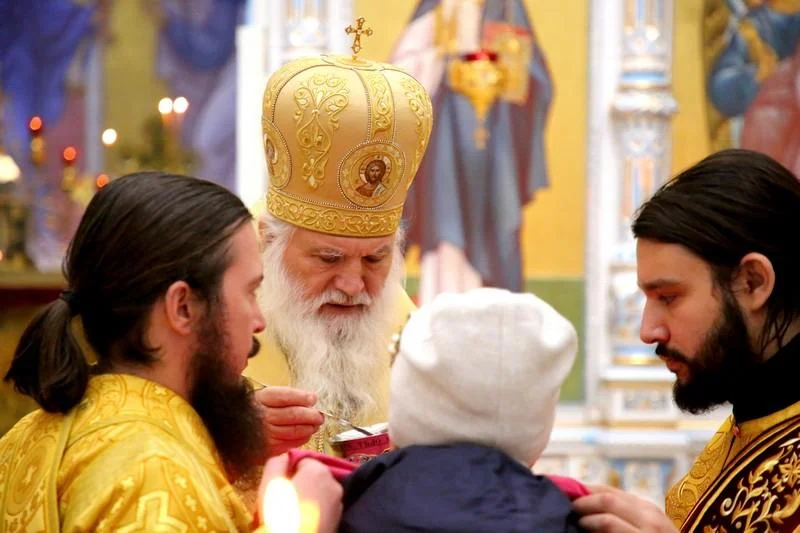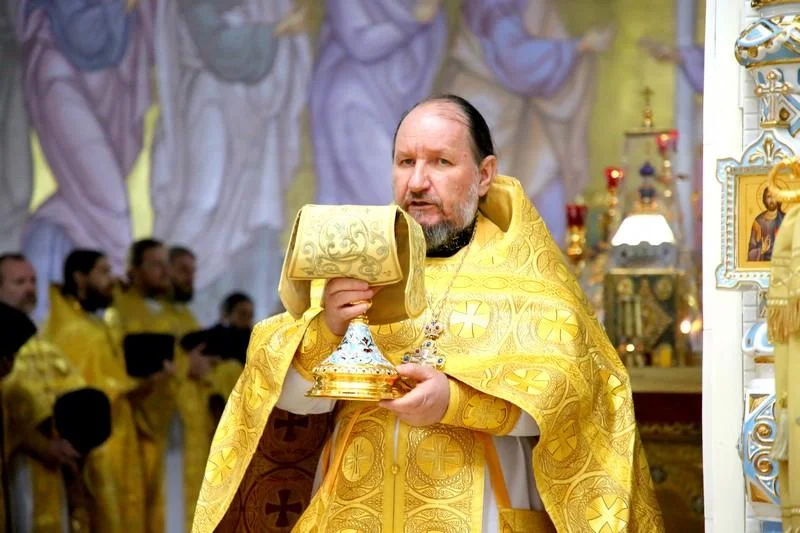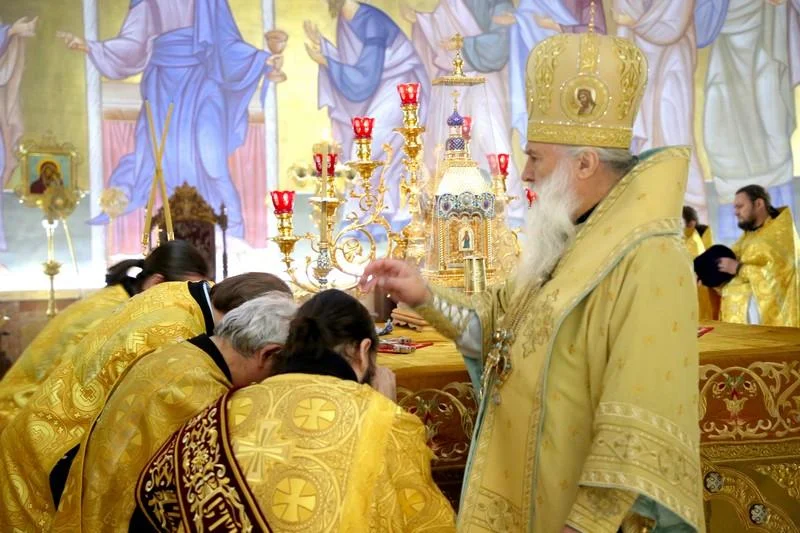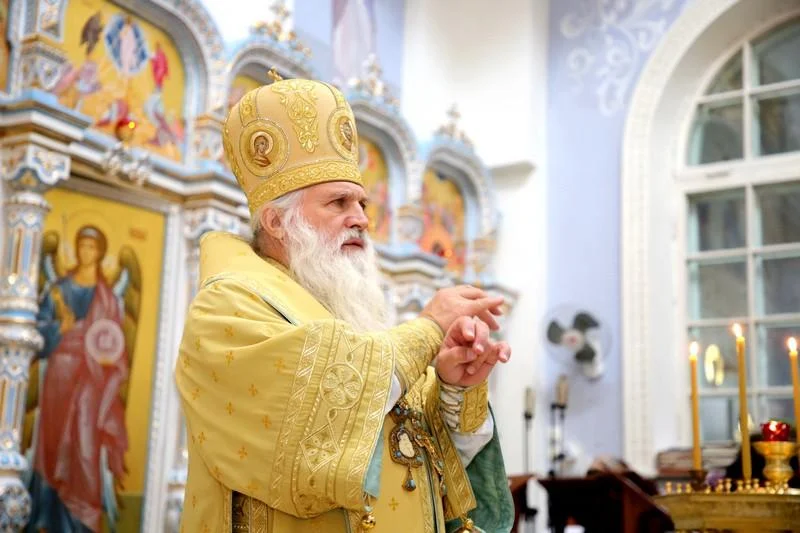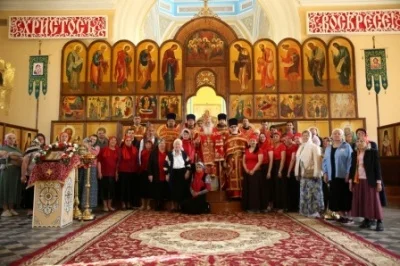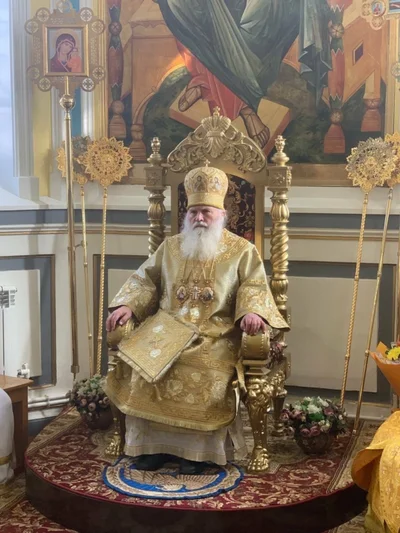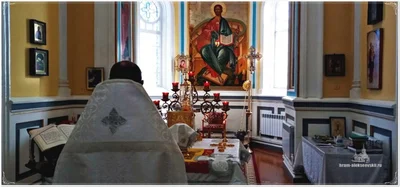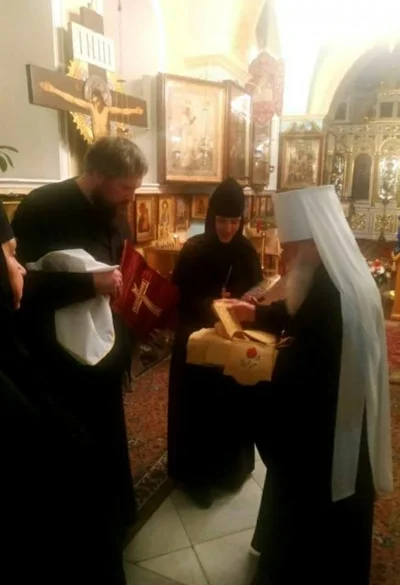
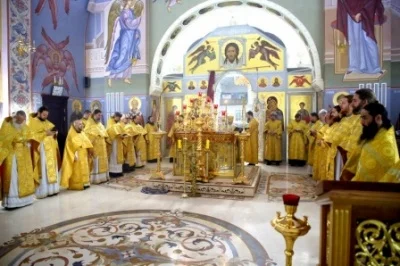
On 17 November 2020 Metropolitan Vikenty of Tashkent and Uzbekistan, head of the Central Asian Metropolitan District, celebrated the Divine Liturgy at the Dormition Cathedral in Tashkent. On this day the Holy Church commemorates Venerable Joannicius the Great and the hieromartyrs Nicander, Bishop of Myra, and Hermaeus the Presbyter. On the eve the prescribed evening service was celebrated here as well.
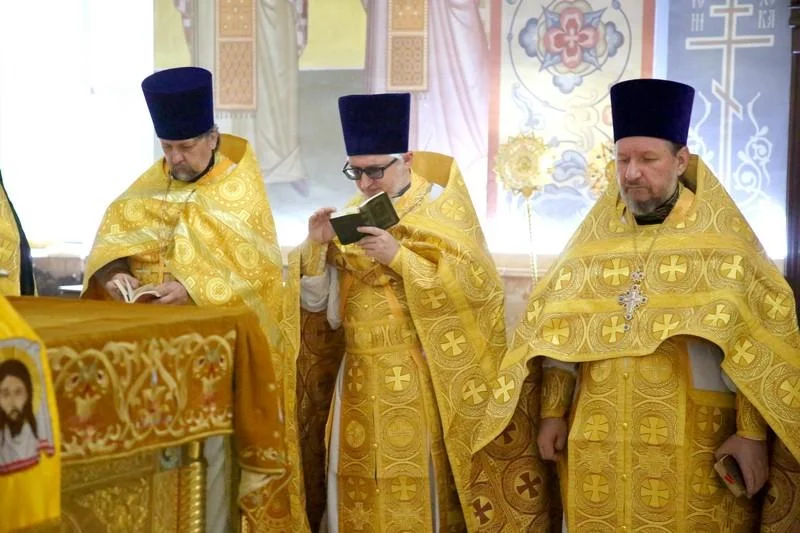
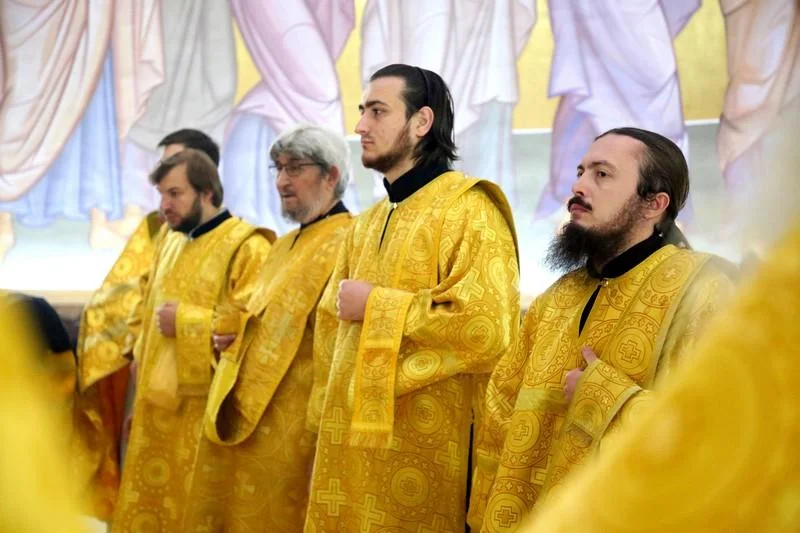
For the first time in six months, since the start of the quarantine caused by the spread of the novel coronavirus infection, the clergy of the diocese concelebrated with His Eminence.
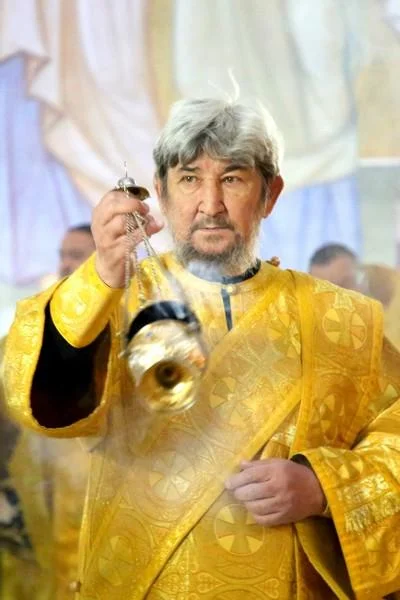
The sermon before Holy Communion was delivered by Archpriest Sergiy Nikolaev, a cleric of the cathedral.
Venerable Joannicius the Great was born in 752 in the village of Marykatos in Bithynia. His parents were poor and could not give him even an elementary education. From childhood he had to tend the family's livestock, their only possession. Love for God and prayer completely filled the soul of the boy Joannicius. Often, having signed the herd with the sign of the cross, he would go off to a secluded place and pray all day long, and neither thief nor wild beast came near his herd. By order of Emperor Leo IV (775–780), numerous envoys gathered the best young men of the country from the towns and villages for military service. The young Joannicius was also taken into the imperial army. By his good character he won the love of his comrades, while as a brave soldier he was terrible to his enemies. St. Joannicius served in the imperial army for six years and was decorated more than once by his commanders and by the emperor. But military service weighed upon him; his soul thirsted for ascetic labours and solitude. And the Lord called His servant to serve Him.
Renouncing the world, Venerable Joannicius intended to go straight into the wilderness. However, on the advice of elders experienced in the monastic life, he lived for two more years in a monastery. Here the saint grew accustomed to monastic obedience and to the monastic rules and regulations, learned to read and write, and learned thirty of the Psalms of David by heart. After this, at God's prompting, the saint withdrew into the wilderness. He spent three years in deep solitude; only once a month a shepherd brought him a little bread and water. Day and night the ascetic spent in prayer and the singing of psalms. After each verse of the Psalmist, Venerable Joannicius said a prayer which, in a slightly altered form, the Orthodox Church keeps to this day: "The Father is my hope, the Son is my refuge, the Holy Spirit is my protection." Having met by chance some of his former comrades from military service, the saint left the wilderness and withdrew to the mountains of Kontouria. Only after twelve years of ascetic life did the hermit receive monastic tonsure. For three years after his tonsure the saint lived in seclusion, bound in chains, after which he went to Chelidon to the great faster George (commemorated 21 February). The ascetics lived together for three years, during which Venerable Joannicius learned the entire Psalter. Having reached a great age, St. Joannicius settled in the monastery of Antidium and remained there in seclusion until his repose.
Venerable Joannicius spent seventy years in ascetic labours and attained lofty spiritual perfection. By the mercy of God the saint acquired the gift of prophecy, as his disciple Pachomius testified. During prayer the holy elder would rise above the ground. Once he crossed a river swollen by flood. The saint could make himself invisible to people and make others invisible too: once he led captive Greeks out of prison before the eyes of a numerous guard. Poison and fire, by which envious people sought to destroy the saint, did him no harm, and wild beasts did not touch him. It is known that he freed the island of Thasos from a multitude of snakes. Venerable Joannicius also saved a young nun who was ready to leave the monastery in order to marry: he took upon himself the passion that tormented the girl and by fasting and prayer destroyed the enemy's assault. Foreknowing his death, the saint departed to the Lord on 4 November 846 at the age of 94.
The holy hieromartyrs Nicander, Bishop of Myra, and Hermaeus the Presbyter (1st century) were disciples of the holy Apostle Titus (commemorated 25 August), a follower and companion of the chief Apostle Paul, and were ordained by him to holy orders. Labouring tirelessly as pastors, the saints converted many pagans to Christ. For this they were seized and brought for interrogation before the city governor Libanius. Neither the persuasion nor the threats of the authorities could induce the holy martyrs to renounce Christ. Then Libanius ordered them to be tortured. The saints endured fierce, inhuman torments: they were tied to horses and dragged over stones, their bodies were torn with iron hooks, and they were thrown into a burning furnace. The Lord helped them endure what a man cannot endure by his own strength. In the end the torturers pierced the heads and hearts of the saints with nails, threw them into a pit and covered them with earth.