Venerable Martyr
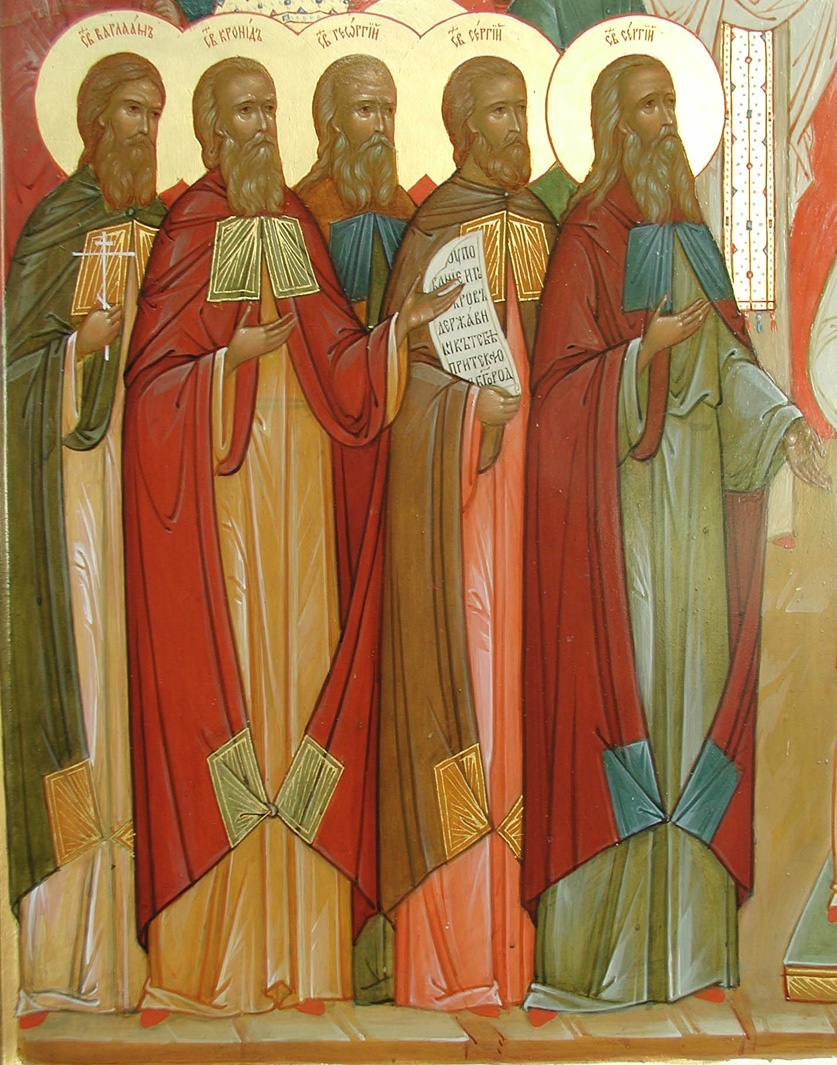
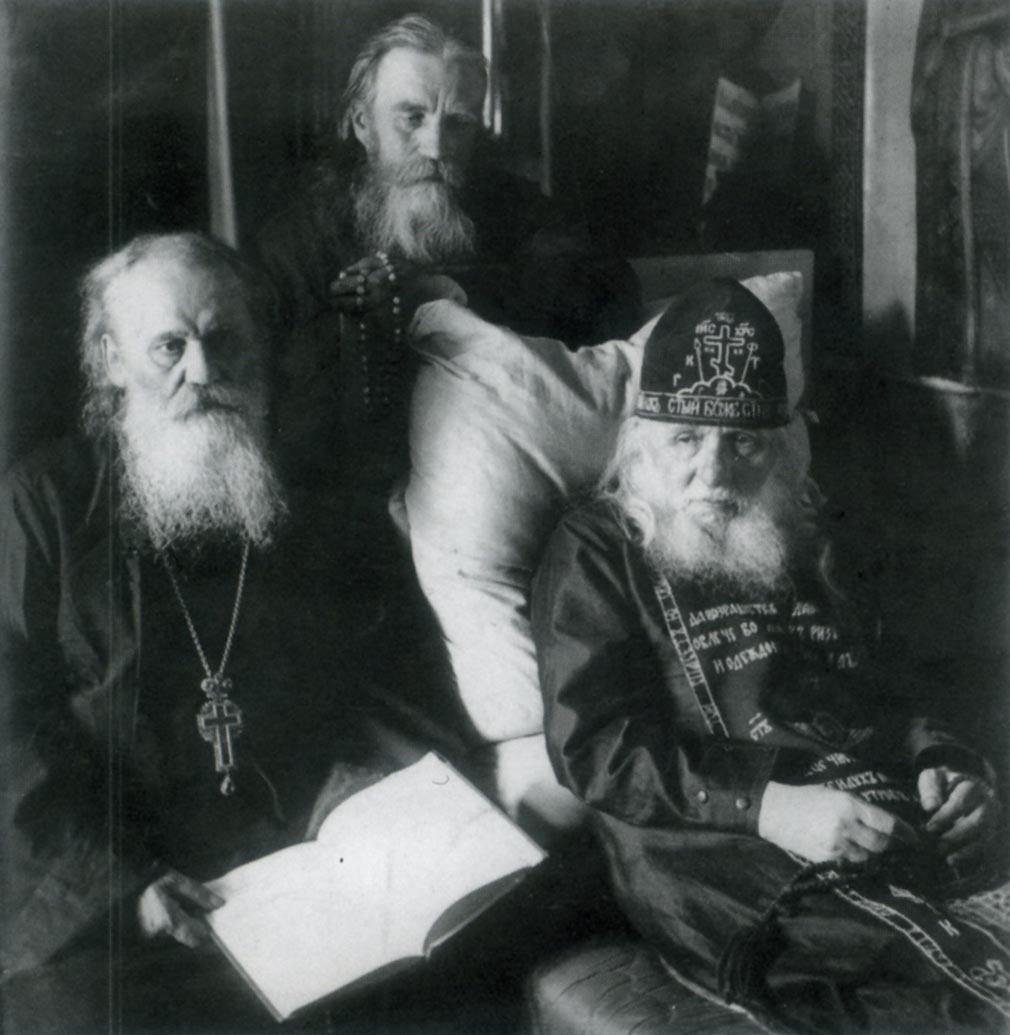
Venerable Martyr Kronid (Lyubimov) of Radonezh
13 мая 1859 — †10 декабря 1937
Also known as: Константин Петрович Любимов (мирское имя)
Venerable Martyr Archimandrite Kronid (Lyubimov) — the last pre-revolutionary superior of the Trinity-Sergius Lavra (from 1915), who after the monastery's closure in 1920 continued to shepherd its scattered but undissolved monastic community in Sergiev Posad; shot at the Butovo firing range on December 10, 1937, on charges of leading a "counter-revolutionary monarchist group"; canonized by the Jubilee Bishops' Council of 2000.
Venerable Martyr Kronid, secular name Konstantin Petrovich Lyubimov, was born on May 13, 1859, in the village of Levkievo, Moscow province, to a deacon's family. He entered the Trinity-Sergius Lavra as a novice in 1877; after a five-year novitiate he was formally accepted into the brotherhood in 1883. He was tonsured a monk with the name Kronid on March 28, 1888, at the Gethsemane Skete; ordained hierodeacon in 1889, hieromonk in 1892.
He carried out various obediences at the Lavra: he supervised the lithography workshop, from 1896 served as inspector of the diocesan icon-painting school, later as assistant treasurer, and head of the Trinity Metochion in St. Petersburg. He was elevated to igumen in 1906 and to archimandrite in 1908. On January 9, 1915, he was appointed superior of the Trinity-Sergius Lavra; early in his tenure he organized a hospital for wounded soldiers of World War I at the monastery. He took part in the All-Russian Church Council of 1917-1918.
In April 1919, when Soviet authorities demanded the opening of the reliquary of St. Sergius of Radonezh as part of the anti-religious campaign to expose relics, Archimandrite Kronid refused to personally perform this act, delegating it to Hieromonk Iona — an act of passive resistance. The Lavra was closed by decision of the Soviet authorities in 1920; Archimandrite Kronid, remaining in Sergiev Posad, continued informally to shepherd the scattered but undissolved monastic community (about 43 monks), performing monastic tonsures and secret services.
On November 21, 1937, already blind and infirm, he was arrested by the NKVD and held in Moscow's Taganka Prison on charges of leading a "counter-revolutionary monarchist group" — interrogators questioned him about ties to the former imperial family and his influence over the scattered monks. On December 7, 1937, he was sentenced to death by an NKVD troika. He was executed at the Butovo firing range near Moscow on December 10, 1937, together with a group of other members of the Lavra community; buried in an unmarked mass grave. He was rehabilitated on November 14, 1958.
His feast is kept on November 27/December 10, and also in the Synaxis of the New Martyrs and Confessors of the Russian Church and the Synaxis of the Butovo New Martyrs (movable dates).
He was canonized by the Jubilee Bishops' Council of the Russian Orthodox Church in 2000.
Icons and images