Hierarch
Hierarch Leo II of Rome
† 3 июля 683
Hierarch Leo II, Pope of Rome — a Sicilian of Greek upbringing, elected in 681 but, owing to a dispute over the emperor's taxation rights over papal consecration, not ordained until August 682; he ratified and disseminated the acts of the Sixth Ecumenical Council (680-681), which condemned Monothelitism, and anathematized his own predecessor, Pope Honorius I, for negligence.
Hierarch Leo II, a Sicilian by birth, fluent in Greek and church chant, was elected Pope of Rome in January 681, but his ordination was delayed by almost a year and a half owing to a dispute with the emperor over taxation rights connected with confirming papal elections; he was not ordained until August 17, 682.
The principal act of his brief pontificate was ratifying and disseminating throughout the Church the decisions of the Sixth Ecumenical Council (Constantinople, 680-681), which condemned the heresy of Monothelitism (the teaching of a single will in Christ). In his reply to Emperor Constantine IV, Hierarch Leo not only affirmed the conciliar definitions but also anathematized his own predecessor — Pope Honorius I (625-638) — for allowing the heresy to spread through negligence, an act notable precisely because Rome itself condemned a Roman pope.
Hierarch Leo also resolved a longstanding jurisdictional dispute with the see of Ravenna and was known for generous care for the poor. He reposed on July 3, 683; he is buried in the Vatican Basilica.
His feast is kept on July 3.
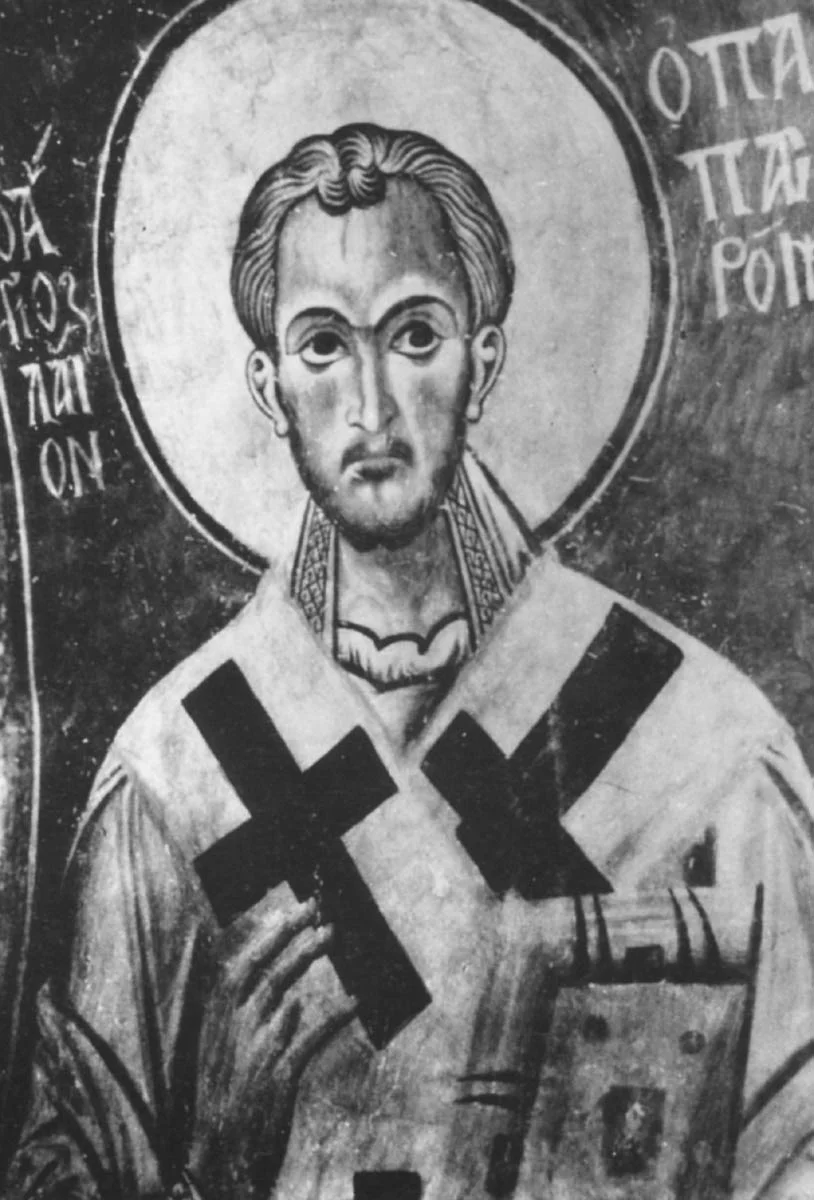
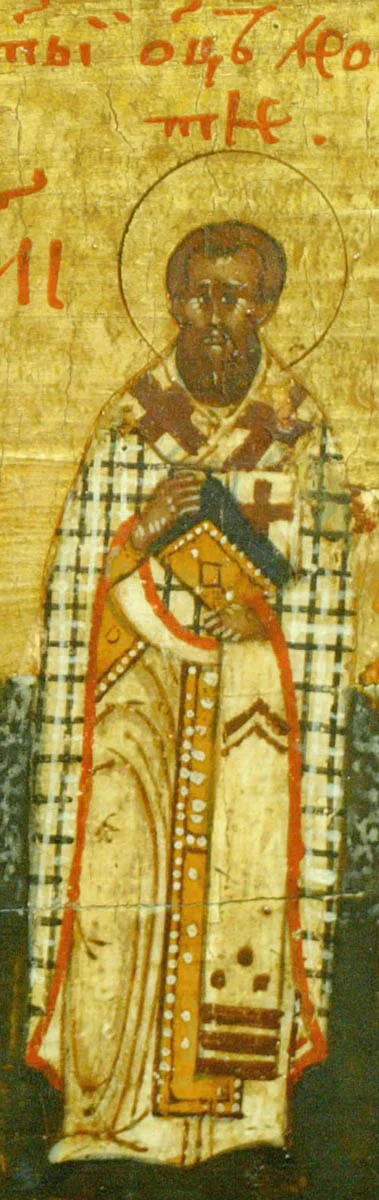
IMPORTANT IDENTITY CORRECTION: the original stub was erroneously titled "Leo I of Rome," though its entire text (the struggle against Monothelitism, the Sixth Ecumenical Council, the 7th century) described an entirely different pope — Leo II; meanwhile the images of both the Leo I and Leo II entries had been mixed together. The entry has been fully re-established as pertaining to the genuine Hierarch Leo II; only images genuinely belonging to him have been retained, while images from the "leo_i_of_rome" folder (which in fact belong to St. Leo the Great, see the separate entry leo_i_the_great_of_rome) have been excluded to avoid duplication.
Icons and images