Hierarch
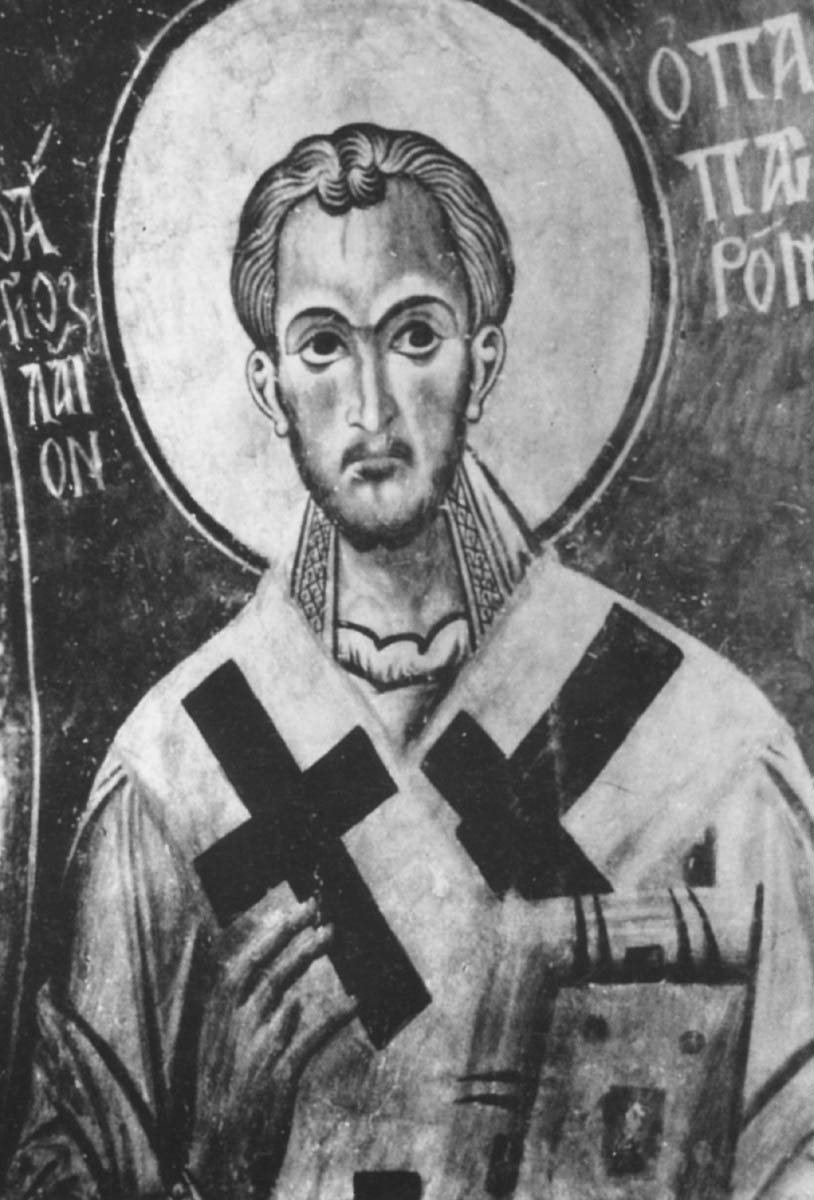
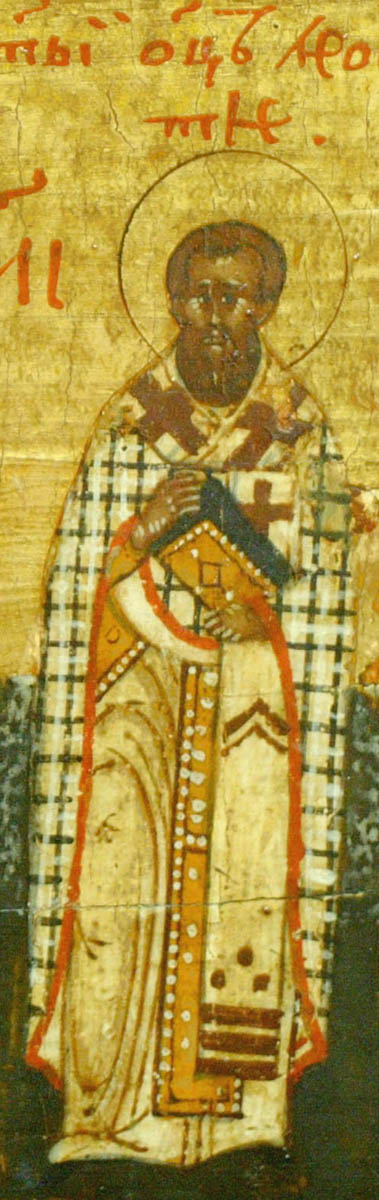
Hierarch Leo I the Great, Pope of Rome
ок. 400 — †461
Hierarch Leo I the Great, Pope of Rome (440-461) — author of the famous "Tome" on the two natures in Christ, adopted by the Fourth Ecumenical (Chalcedonian) Council of 451; according to tradition, he turned Attila away from his march on Rome in 452; one of only two popes (along with St. Gregory the Dialogist) honored with the epithet "the Great" in both East and West.
Hierarch Leo was born around 400 in Tuscany. He served as archdeacon under Pope Sixtus III, and in September 440 was elected Pope of Rome.
The hierarch's principal theological work was the "Tome to Flavian" — a letter to Archbishop Flavian of Constantinople setting out the Orthodox teaching on the union in Christ of two natures, divine and human, "unconfused, unchanged, undivided, and inseparable." Through legates this letter was presented to the Fourth Ecumenical Council at Chalcedon (451), where 630 bishops unanimously accepted the Tome as an expression of the Orthodox faith, condemning as heresy both Eutyches and Dioscorus (Monophysitism) and Nestorianism.
In 452, when the army of Attila, leader of the Huns, invaded Italy, Hierarch Leo personally went out to meet him outside Rome (according to tradition, at the Mincio river) and persuaded Attila to withdraw, abandoning his march on Rome — an event regarded by contemporaries as a miracle testifying to the hierarch's spiritual authority. In 455, during the Vandal invasion led by Geiseric, the hierarch could not prevent the sack of the city but secured from the Vandal leader a pledge to refrain from burning, mass killing, and torturing the inhabitants.
He left behind 96 sermons and 143 letters. He reposed in 461. Along with St. Gregory the Dialogist (the Great), he is one of only two popes of Rome honored with the epithet "the Great" in the church tradition of both East and West.
His feast is kept on February 18/March 3.
IMPORTANT CORRECTION: category righteous→hierarch — Pope of Rome, author of the "Tome" foundational to Orthodox Christology, adopted by an Ecumenical Council. A typo in the name_en field ("Leo I The Of Rome") has been corrected. This entry is clearly distinguished from the separate entry leo_i_of_rome, which previously contained contaminated data and has been re-established as pertaining to a different pope — St. Leo II (7th c.).
Icons and images