Venerable
Venerable Macarius the Great
ок. 300 — ок. 391
Venerable Macarius the Great (of Egypt) — a renowned 4th-century ascetic, disciple of Venerable Anthony the Great, author of the "Spiritual Homilies" — 50 discourses on the soul's union with God through grace and free will, which became a foundational text of the hesychast tradition; called "the lamp of the world."
Venerable Macarius was born around 300 in the village of Ptinapor in Lower Egypt, into a priest's family. At his parents' insistence he married, but was soon widowed. After his parents' death he distributed his inheritance and turned to a desert elder, who taught him prayer, fasting, and basket-weaving. When the local bishop tried to force ordination on him, Macarius fled to preserve his solitude.
After three years in the wilderness he came to Venerable Anthony the Great and became his devoted disciple. He settled in the Skete desert (Wadi El Natrun, northwestern Egypt); by age 30 he was already called "the young elder" for his spiritual maturity. At 40 he was ordained a priest and made abba (superior) of the Skete monks. He repeatedly visited Anthony, was present at his death, and received his staff.
He authored the "Spiritual Homilies" (the Macarian corpus) — 50 discourses and 7 ascetical sayings on the soul's union with God through grace and free will; this text became foundational for the hesychast tradition. He became renowned for healings and, according to tradition, resurrections; he was given the epithet "the lamp of the world" (Christ-bearer). He died with the words: "Into Your hands, Lord, I commit my spirit."
His feast is kept on January 19/February 1.
IMPORTANT CORRECTION: the erroneous "May 1" component of the date has been removed as having no connection to the saint whatsoever (likely an accidental data-entry slip during templating that was then mechanically copy-pasted onto 8 other entries for different saints named Macarius) — the correct pair, January 19 O.S./February 1 N.S., has been established. The life years "c. 300 – c. 391" have been confirmed as correct for this saint specifically (unlike several other entries in the cluster, where they had been erroneously copied).
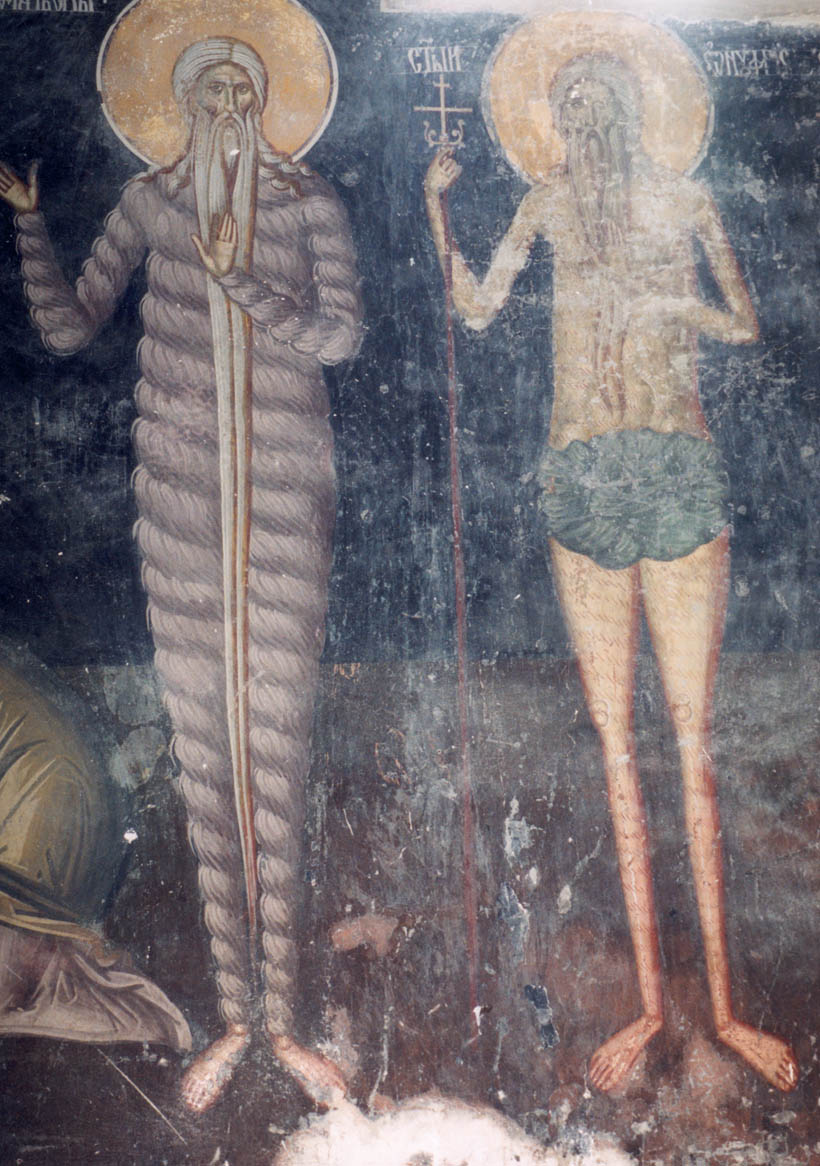
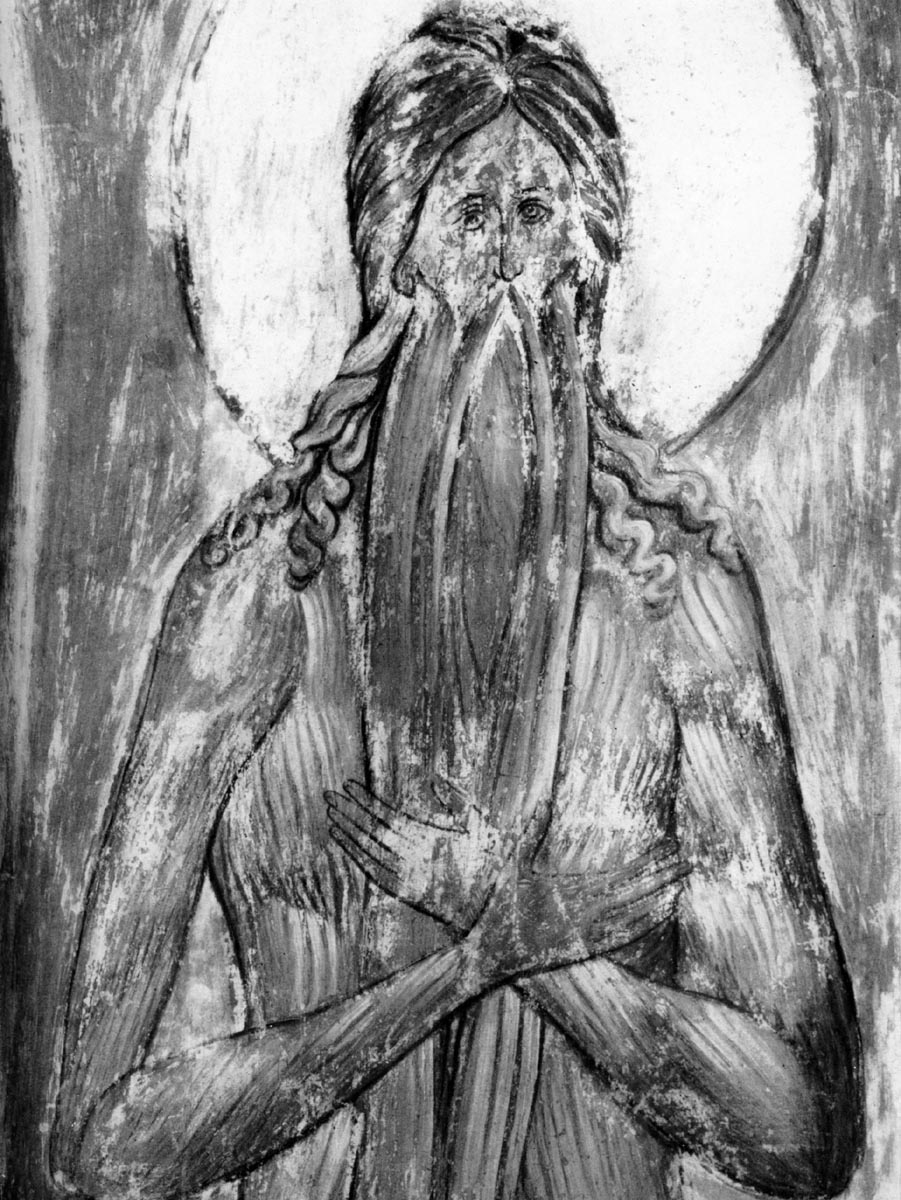
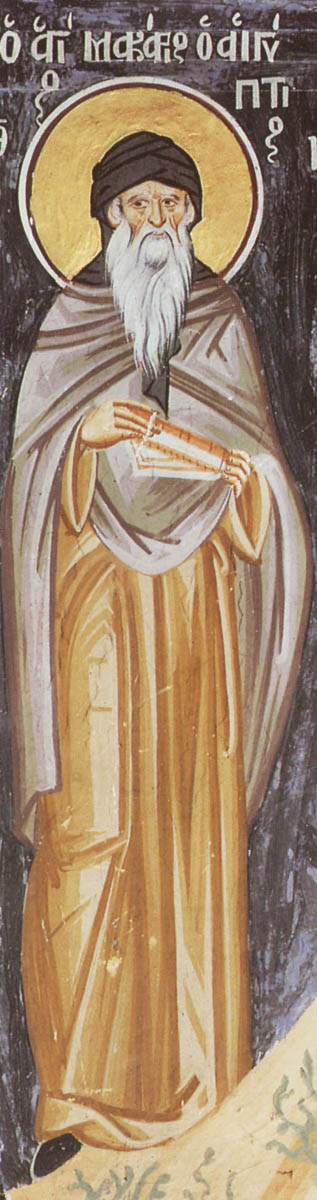
Icons and images