Hieromartyr
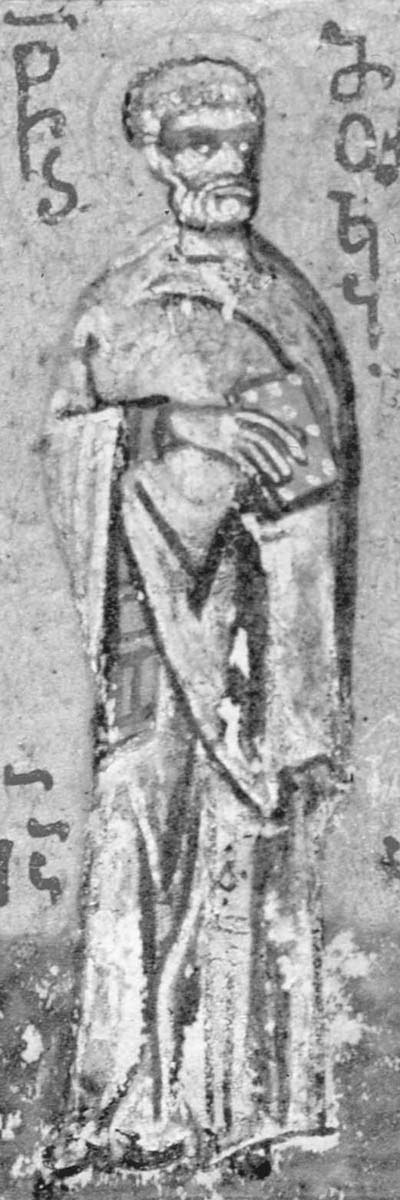
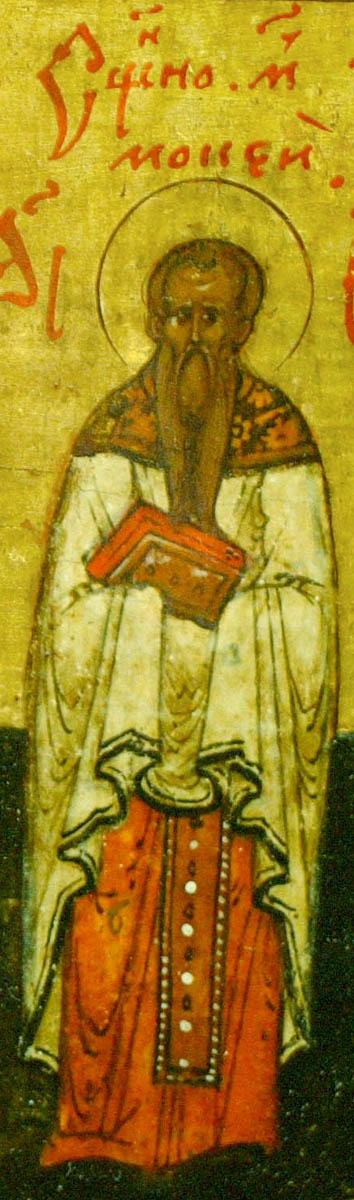
Hieromartyr Mocius of Amphipolis
† ок. 288/295
Also known as: Мокий Византийский
Hieromartyr Mocius of Amphipolis — a presbyter who denounced a pagan festival of Dionysus and was beheaded under Emperor Diocletian; Constantine the Great later built a church over his tomb when founding Constantinople.
Hieromartyr Mocius was born in Rome to a noble Christian family: his father Euphratius was a Roman citizen and military officer, and his mother Eustathia was the daughter of the city prefect Lampadius. Raised in the faith from childhood, he was ordained a presbyter and settled in Amphipolis in Macedonia, where he zealously combated pagan idol-worship, converting many to Christ.
During a public festival honoring Dionysus held during the persecution of Emperor Diocletian (284–305), Mocius openly confronted the celebrants, destroyed the sacrificial wine and offerings, denounced idolatry, and preached Christ for several days, leading many to faith. This provoked the anger of the governor Laodicius, by whose order the saint was arrested.
For refusing to sacrifice to the gods, Mocius was subjected to escalating tortures: he was suspended on a frame and scraped with iron, bound between two wheels, and thrown to hungry lions in the arena — but the beasts, instead of attacking, lay down at his feet and licked his wounds; tradition also holds he was cast into a furnace and emerged unharmed.
Unable to break him, the authorities transferred the saint first to Perinthus and then to Byzantium, where by order of the governor Philippus he was finally beheaded on May 11. Decades later, Emperor Constantine the Great, founding Constantinople on that very site, built a church in honor of St. Mocius and translated his relics there; a city gate and cistern were named after him, forever linking the saint to the new capital.
His feast is kept on May 11/24.
Icons and images