Hierarch
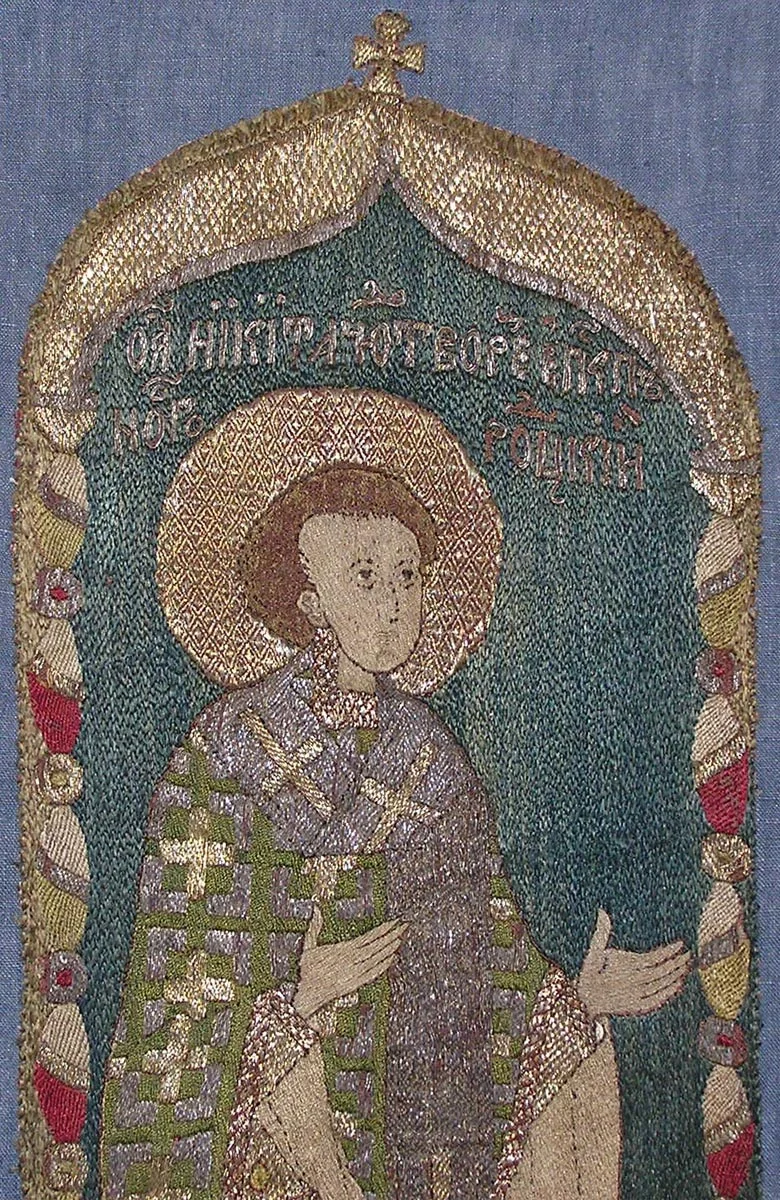
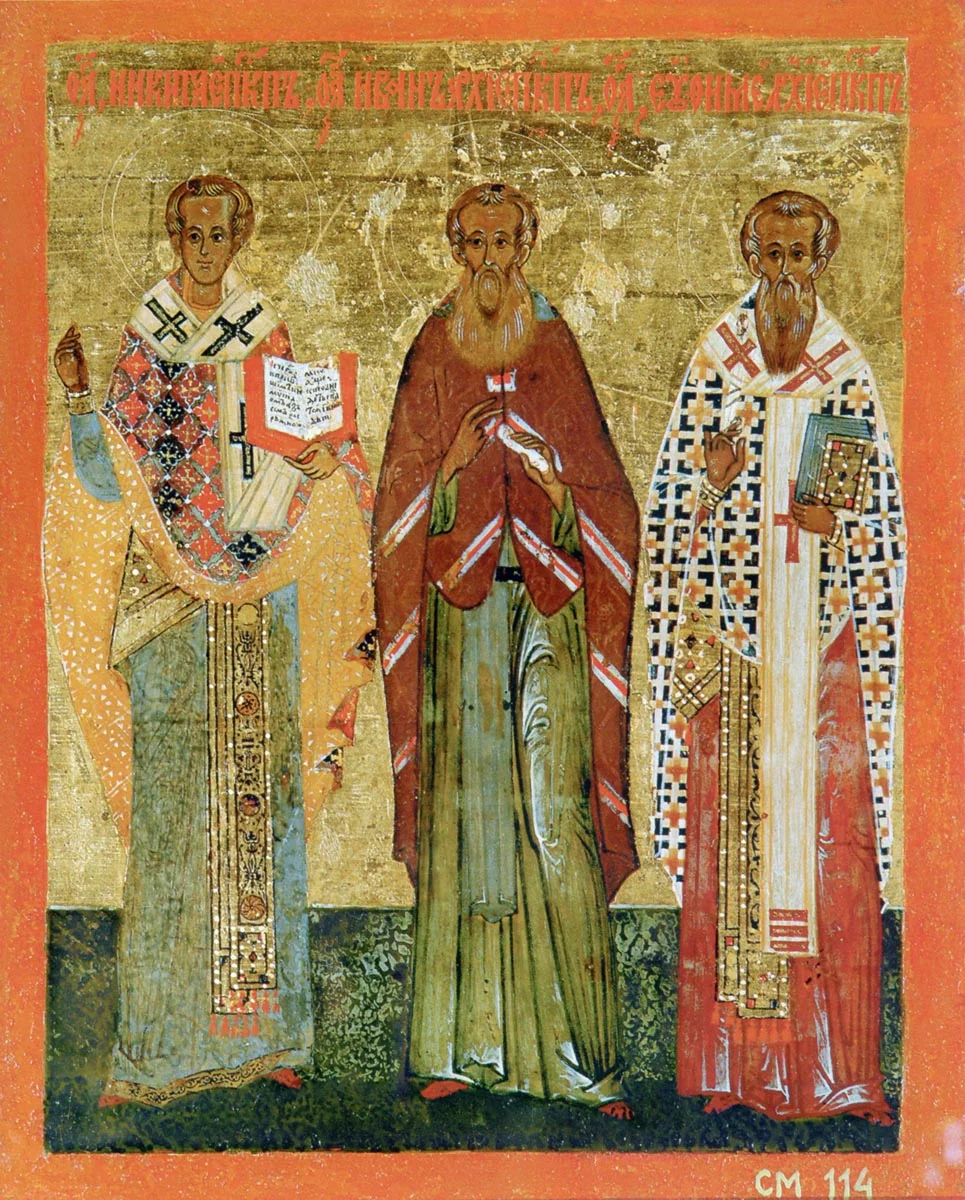
Hierarch Nicetas (Nikita), Bishop of Novgorod
ок. 1030 — 1108
Also known as: Никита, затворник Печерский
Hierarch Nicetas, Bishop of Novgorod — in his youth a recluse monk of the Kiev Caves Monastery who fell into spiritual delusion and was miraculously delivered through the brethren's prayers; he later became a model of humility and a wonderworker as Bishop of Novgorod.
IMPORTANT CORRECTION: the category has been corrected from "righteous" to "hierarch" — Nicetas was an ordained bishop.
St. Nicetas, a native of Kiev, took monastic vows at the Kiev Caves Monastery in his youth, no later than 1078, under Hegumen Nikon. Still lacking spiritual experience, he asked to be enclosed as a recluse — Nikon and the elder brothers warned him that reclusion demanded a maturity he had not yet attained, but Nicetas insisted, and was eventually allowed to shut himself away.
In seclusion, Nicetas fell into classic spiritual delusion. According to the Kiev Caves Patericon, he prayed, "Lord, manifest Yourself to me, that I might see You" — an improper request driven by spiritual pride — and a demon appeared to him disguised as an angel of light. Taking this for genuine revelation, Nicetas stopped praying on his own and merely "listened" to the demon, who fed him detailed knowledge of the Old Testament (which he memorized) while refusing to hear or read the New Testament at all, rejecting it outright. He began to prophesy and interpret events for visitors — word of his supposed clairvoyance reached Grand Prince Iziaslav; tradition holds he predicted the murder of Prince Gleb Svyatoslavich. His fame drew growing crowds of laypeople seeking his predictions.
The elder monks of the monastery — among them Sts. John, Pimen the Sufferer, the chronicler Nestor, and others under Hegumen Nikon — grew suspicious, since the recluse never spoke of the Gospel, only the Old Testament. Recognizing demonic deception, they came to his cell, broke it open, and through united prayer drove the demon away. Nicetas was freed from the delusion, but at the cost of losing everything he thought he had gained: he had, in fact, memorized nothing supernaturally — emerging from seclusion, he could not even read and had to be retaught literacy and Scripture from the beginning. Chastened by this experience, he devoted himself to genuine humility, obedience, fasting, and prayer, becoming a model of true monastic asceticism rather than of gifts sought for their own sake.
In 1096 Nicetas was consecrated Bishop of Novgorod, where he served for about thirteen years until his death on January 31, 1108. As bishop he was credited with two well-attested miracles through prayer: extinguishing a major fire that struck Novgorod (spring 1096) and ending a drought by bringing rain. He was formally glorified at the Moscow Council of 1547 under Metropolitan Macarius. His relics were found incorrupt on April 30, 1558, by Archbishop Pimen of Novgorod (an event itself now commemorated as a feast) and have since rested in Novgorod's Cathedral of St. Sophia (with several 20th-century relocations — 1956, 1962, returning to Sophia Cathedral in 1993).
His feast is kept on January 31/February 13 (repose); also April 30/May 13 (finding of relics) and May 14/27; he is included in the Synaxis of Novgorod Saints and the Synaxis of the Fathers of the Kiev Caves (Near Caves).
Icons and images