Venerable
Venerable Paraskeva of the Balkans (Petka of Tarnovo, Serbia)
не позднее нач. XI в.
Also known as: Петка Тырновская, Параскева Эпиватская, Параскева Сербская, Параскева Белградская, Параскева Ясская, Параскева Новая
Venerable Paraskeva (Petka) of the Balkans — born in the village of Epivates near Constantinople, lived as an ascetic in the Jordan desert, died near Kallikratia; her relics were translated through Tarnovo, Vidin, Belgrade, and Constantinople, and now rest in Iași, Romania; she is widely venerated in Bulgaria, Serbia, Romania, and Russia under many epithets referring to the same person.
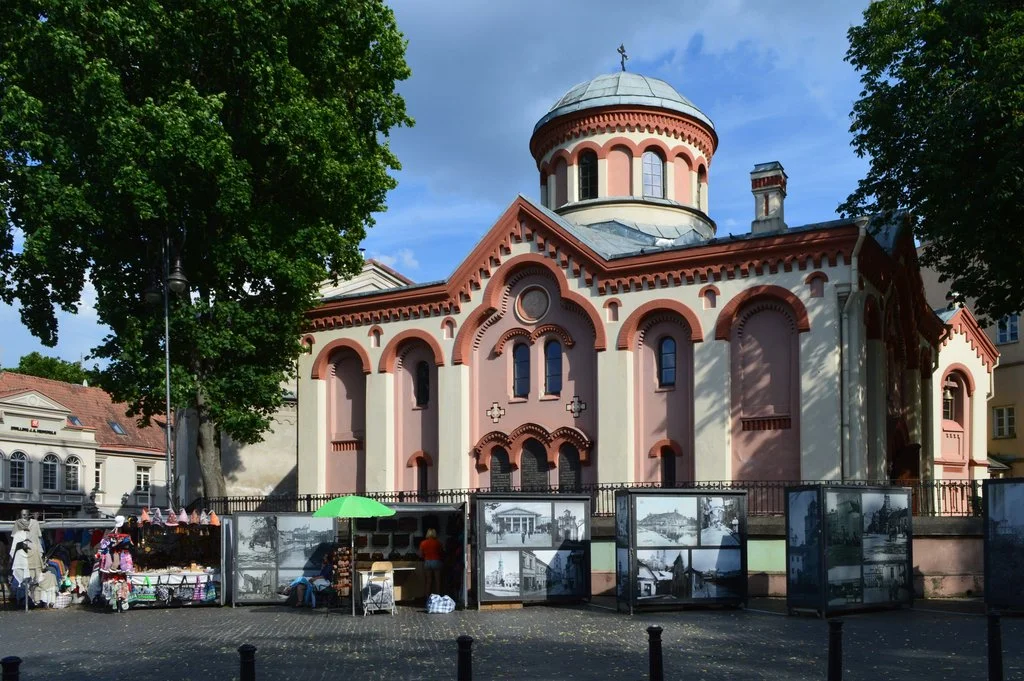
IMPORTANT CLARIFICATION: this card merges what were previously two separate entries — "Paraskeva of the Balkans" and "Paraskeva the New" — research confirmed (per the Orthodox Encyclopedia's "PETKA" article) that these describe the SAME historical figure: the epithet "the New" is not a separate saint's name but a traditional epithet distinguishing her from the ancient martyrs of the same name (Paraskeva of Rome and Paraskeva of Iconium). The duplicate card paraskeve_the_new has been merged into this one; its single image (a photograph of a church) has been transferred here with an honest note that it is not a portrait of the saint.
Venerable Paraskeva (Petka) was born no later than the early 11th century in the village of Epivates on the Sea of Marmara near Constantinople (modern Selimpaşa, Turkey), into a devout Bulgarian family. Inspired by her elder brother, later Bishop Euthymius of Madytos, she embraced monastic aspirations from youth and gave her possessions to the poor. After visiting Constantinople, Pontic Heraclea, and the Holy Land, she took monastic vows in a women's convent in the Jordanian desert.
At 25, following a divine revelation, she returned to Thrace and settled anonymously near the Church of the Holy Apostles in Kallikratia, where she died after two years of ascetic life. Buried as an unknown pilgrim, she was later revealed as a wonderworker. Her incorrupt relics were translated multiple times: to Tarnovo (by 1231, under Tsar Ivan Asen II), Vidin (c. 1393), Belgrade (c. 1396), Constantinople (1521), and finally Iași, Romania (1641), where they remain to this day. Her Life was written by Patriarch Euthymius of Tarnovo around 1385.
She is widely venerated across Bulgaria, Serbia, Romania, and Russia under the names Paraskeva-Petka, of Tarnovo, of Serbia, of Belgrade, of Iași, the New, of Epivates, of the Balkans. Feast: October 14/27, and also August 30/September 12 in the Synaxis of Serbian Saints.
Icons and images