Hieromartyr
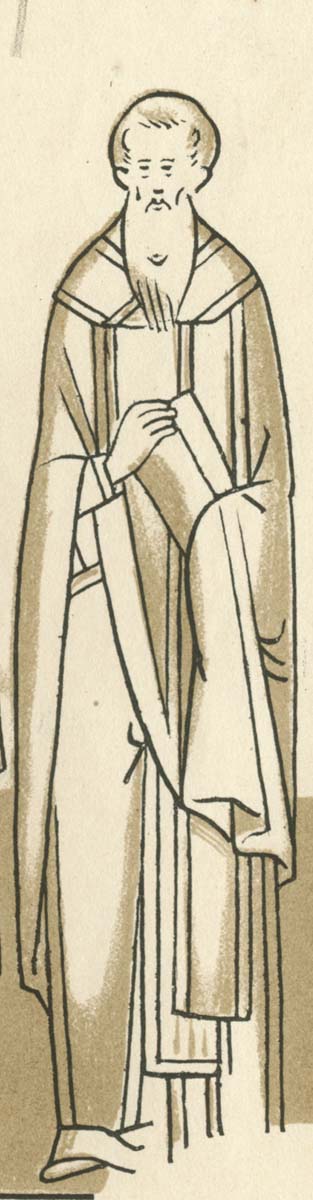
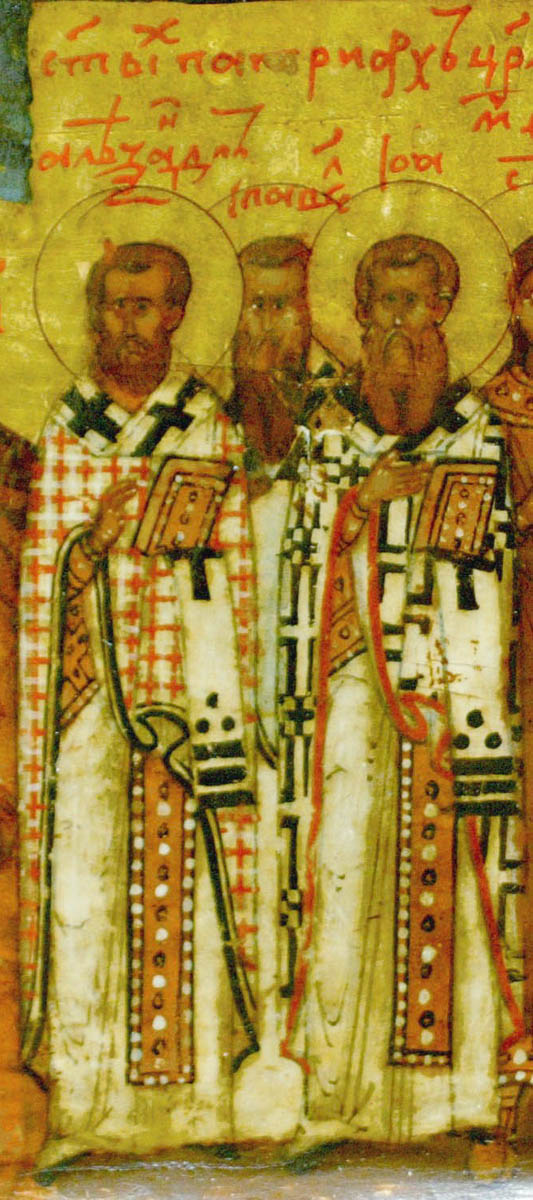
Hieromartyr Paul I, Archbishop of Constantinople, the Confessor
нач. IV в. — ок. 350/351
Also known as: Павел Исповедник
Hieromartyr Paul I, Archbishop of Constantinople — a staunch defender of Nicene orthodoxy against Arianism, repeatedly deposed and exiled by Emperor Constantius II, strangled by Arians with his own omophorion during exile in Cucusus c. 350–351.
St. Paul I, Archbishop of Constantinople, "the Confessor," was born in Thessalonica in the late 3rd or early 4th century and served as a presbyter of the Constantinopolitan church before his election to the patriarchal throne in 337, following the death of St. Alexander, despite Arian opposition favoring the deacon Macedonius.
The pro-Arian emperor Constantius II had him illegally deposed and exiled to Rome; Paul was restored and exiled repeatedly over the following years — to Pontus, Singara in Mesopotamia, and Emesa — with the Western emperor Constans at one point intervening to secure his reinstatement.
During his final exile to Cucusus in Lesser Armenia, Arian opponents broke in while he was celebrating the Divine Liturgy and strangled him with his own omophorion, c. 350–351 (sources differ on the exact year). He is venerated as a hieromartyr and confessor for his unwavering defense of Nicene orthodoxy against Arianism.
In 381 Emperor Theodosius the Great translated his relics to Constantinople; in 1326 part of them were moved to Venice, where they rest in the Church of Santa Giulia. His feast is kept November 6/19.
Icons and images