Hierarch
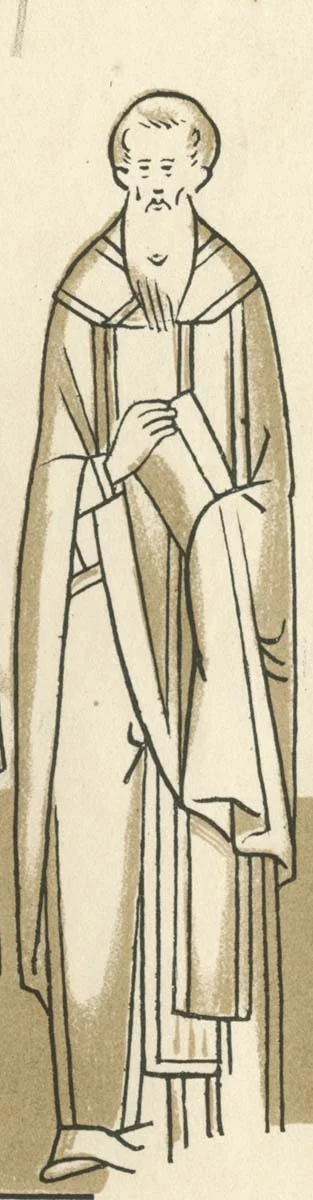
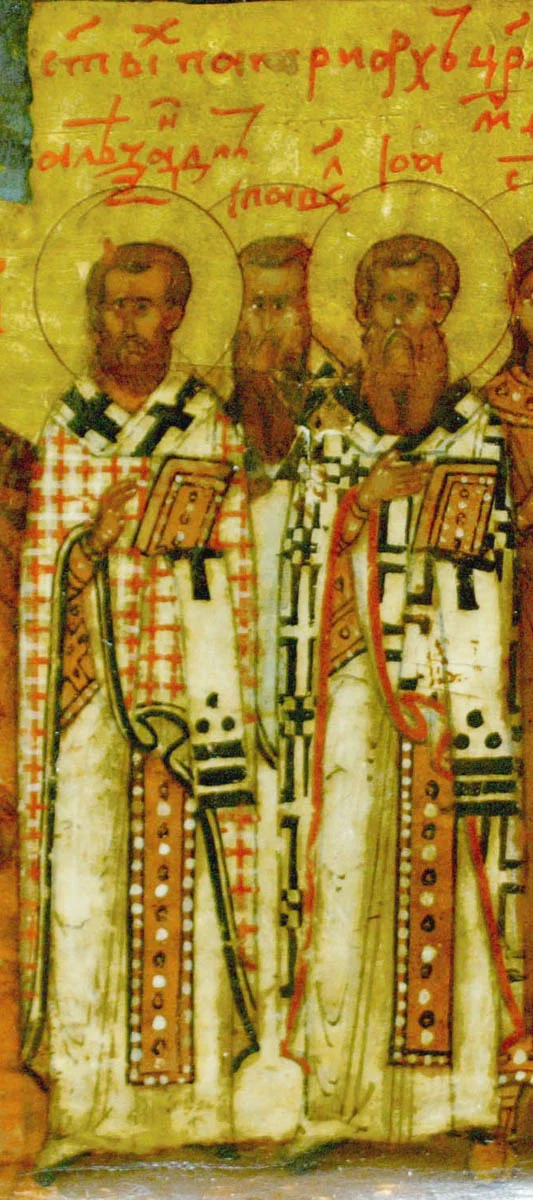
Hierarch Paul IV the New, Patriarch of Constantinople
Патриарх 780 — 784, † 784
Also known as: Павел Новый
Saint Paul IV the New, Patriarch of Constantinople — a native of Cyprus, led the Church of Constantinople in 780–784 under the iconoclast emperor Leo IV, voluntarily abdicated the throne, calling for a council to restore icon veneration, which helped prepare the ground for the Seventh Ecumenical Council of 787.
IMPORTANT IDENTITY CORRECTION: the previous card wholly and erroneously placed this saint in the 14th century (1349–1350) and connected him to the Hesychast controversy of St. Gregory Palamas. Thorough research found that no such patriarch ever existed — there is no Paul among the Patriarchs of Constantinople between the 8th and 20th centuries who reigned in the 1340s–1350s. The real Paul IV, called "the New," is an 8th-century figure of the Iconoclasm era, entirely unrelated to Hesychasm (living over five centuries before the Palamite controversy). The life years and entire biographical content have been fully replaced with source-confirmed information; the date (August 30) remained the same and turned out to be coincidentally correct despite the wrong historical era in the prior text.
St. Paul IV, called "the New," Patriarch of Constantinople, was a native of Cyprus (Salamis). He served as a reader or deacon before his patriarchal election. He led the Church of Constantinople from February 780 to August 784, during the reign of the iconoclast emperor Leo IV. While outwardly conforming to the imperial court's iconoclast policy, he privately rejected it and was troubled by his enforced silence.
After Leo IV's death, under the regency of Empress Irene, Paul found himself unable to independently and decisively restore icon veneration. In 784 he voluntarily abdicated the patriarchal throne, retired to the Monastery of St. Florus, and received the great schema, reportedly urging Irene that only an ecumenical council could heal the church's division — a step that helped pave the way for the Second Council of Nicaea (787), which restored the veneration of icons.
He died shortly after his retirement, in 784. His feast is kept August 30/September 12.
Icons and images