Venerable
Venerable Venerable Prochorus of Pčinja (Pshinja)
XI в. (ок. 1000–1067)
Also known as: Прохор Пчиньский, Мироточивый чудотворец
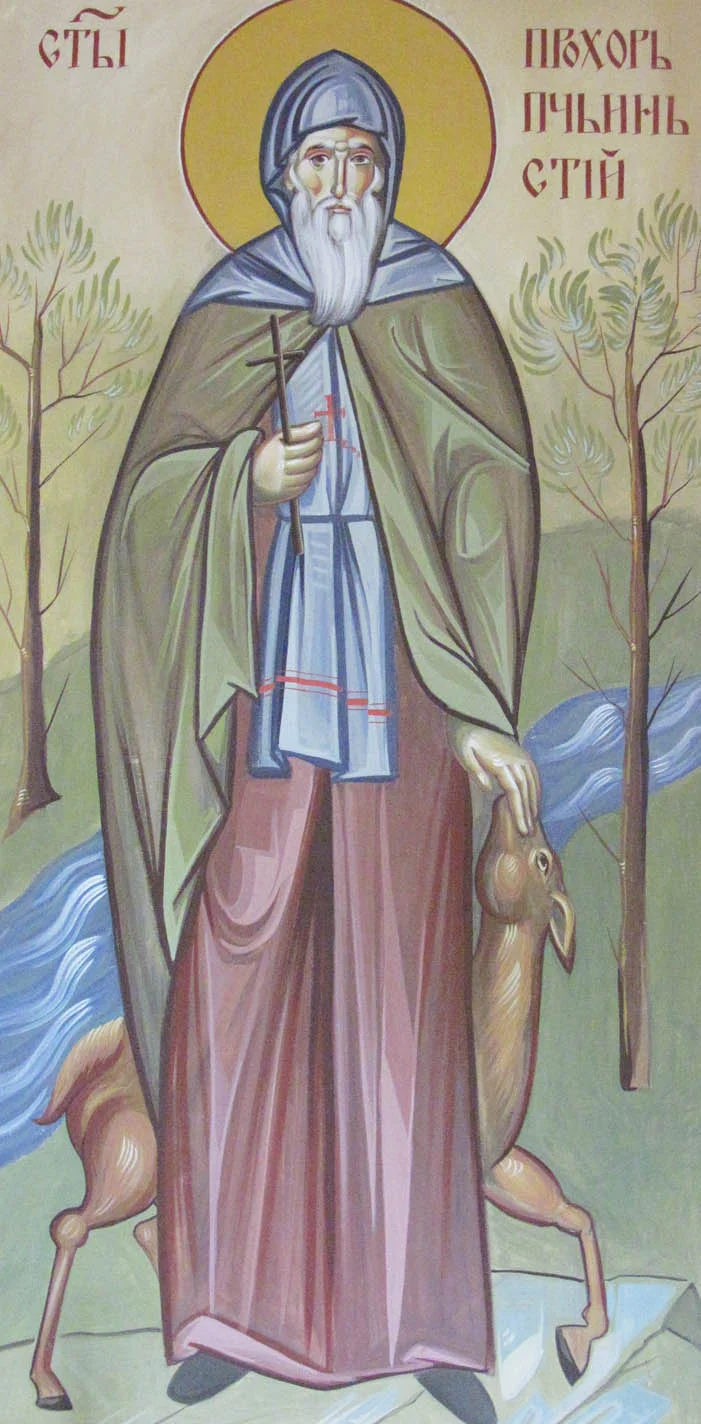
Venerable Prochorus of Pčinja, the Myrrh-streaming Wonderworker — an 11th-century Serbian hermit who spent 32 years as a recluse in a cave on the Pčinja River and foretold the future reign of Byzantine Emperor Romanos IV Diogenes.
CRITICAL: corrected an obvious template artifact in the life-years field — the previous record "1st–15th century" (a nonsensical 14-century span) has been replaced with the correct "11th c. (c. 1000–1067)," consistent with the tradition of the saint's meeting with the future Emperor Romanos IV Diogenes (reigned 1068–1071). The feast date, previously missing, has been filled in.
Venerable Prochorus of Pčinja, the Myrrh-streaming Wonderworker, was an 11th-century hermit of the Balkans, regarded as one of the strictest ascetics of early Balkan monasticism. Born to pious parents, John and Anna, in the Ovče Pole region as a long-awaited child, he received an education but renounced marriage and worldly life, giving away his possessions to the poor. He withdrew to the wilderness of Vranje on the Pčinja River, living for 32 years as a recluse in a cave, eating only wild herbs and roots at long intervals.
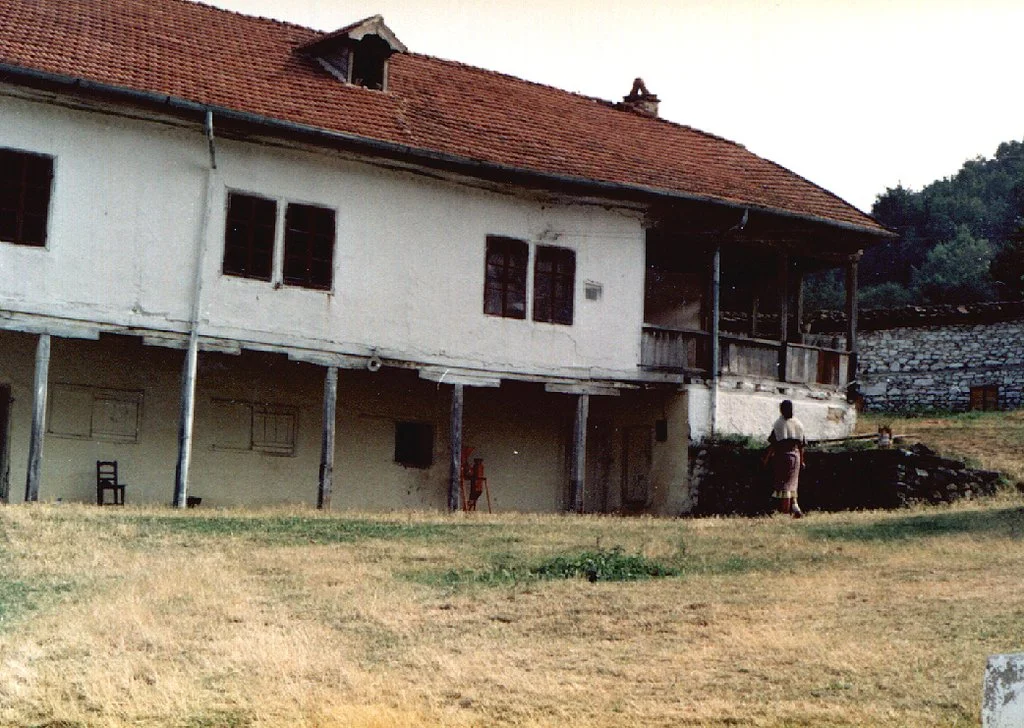
By tradition, a hunter once found his cave — this hunter was the future Byzantine Emperor Romanos IV Diogenes, to whom Prochorus foretold his coming reign. Years later, as emperor, Romanos received a dream instructing him to build a church for the saint; finding only his relics, he founded a monastery on the Pčinja River in the hermit's honor (in present-day North Macedonia). The emperor took the saint's left hand to Constantinople, while the body remained enshrined at the monastery, where it has exuded myrrh and worked healings for nearly a thousand years. Prochorus is honored as a pioneer of Serbian hesychasm alongside Saints John of Rila and Joachim of Osogovo.
Icons and images