Hierarch
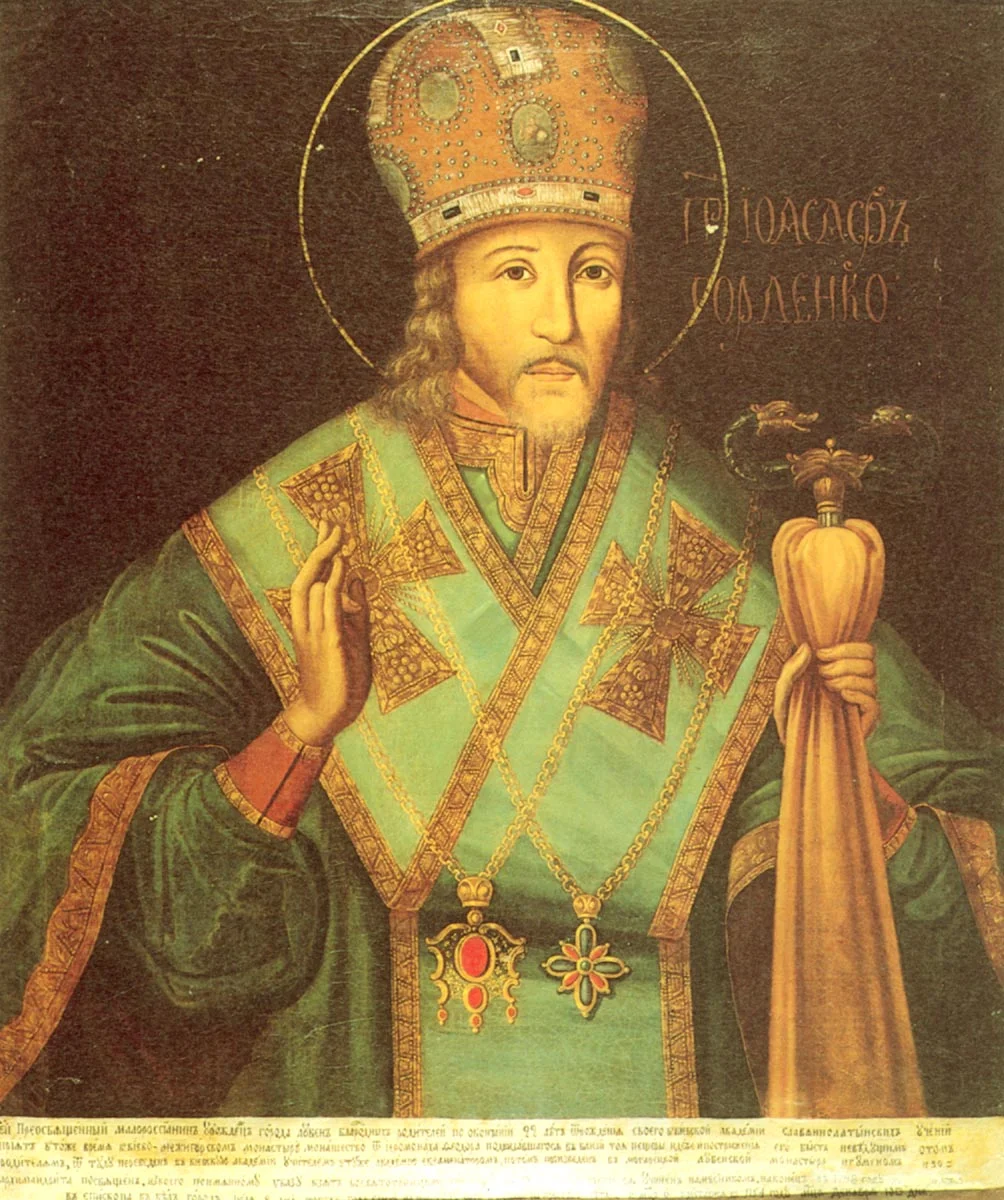
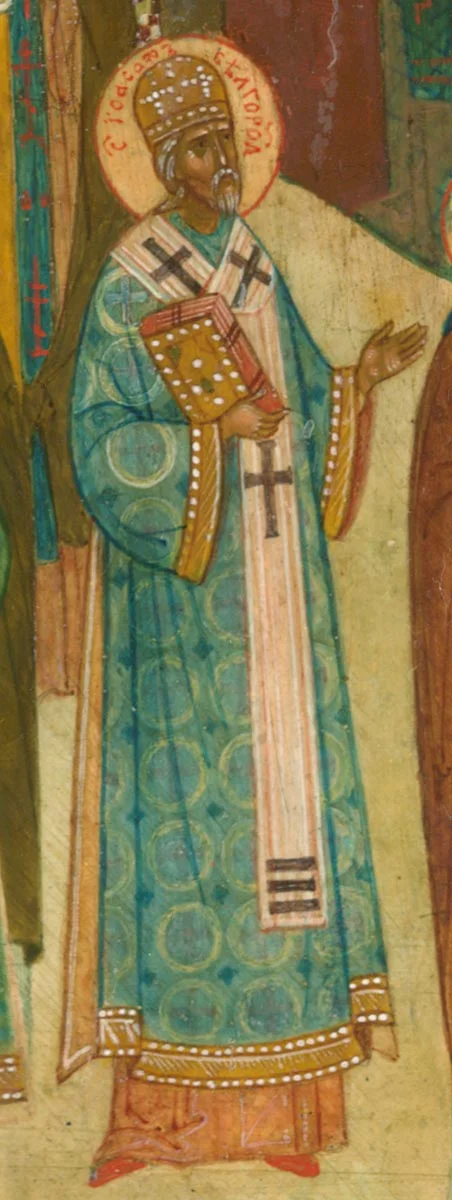
Hierarch St. Joasaph, Bishop of Belgorod
1705–1754
Also known as: в миру Иоаким Андреевич Горленко
St. Joasaph of Belgorod — a bishop renowned for extreme personal asceticism despite his episcopal rank, secret nighttime almsgiving, and the gift of clairvoyance; his relics were found incorrupt in 1911.
CRITICAL: category corrected from "righteous" to "hierarch" — Joasaph was a bishop, not a layman or unranked monastic. The date has been corrected: the previous record "December 4/17" was wrong; the correct date of repose is December 10/23, 1754; a second commemoration has been added — the uncovering and glorification of his relics, September 4/17, 1911.
Born September 8, 1705, in Priluki, Poltava region, to a noble Cossack family. At 18 he took monastic vows, studied and later taught at the Kyiv-Mohyla Academy, became abbot of the Transfiguration Monastery at Mgar, and in 1748, by the appointment of Empress Elizabeth Petrovna, was consecrated Bishop of Belgorod and Oboyan.
Despite his high rank, he led an extremely austere personal life: sleeping little, fasting strictly, wearing simple clothing under his episcopal vestments, and known for secretly delivering money and firewood to the poor at night, trying to remain unrecognized. He was noted for strictness in maintaining church discipline, prophetic warnings (by tradition, he foresaw his own death), and pastoral zeal. He died in 1754 at Graivoron while traveling home.
When his tomb was opened in 1911, the bishop's body was found incorrupt after 156 years; following a series of attested healings, he was glorified by the Russian Orthodox Church on September 4, 1911, in a ceremony attended by Emperor Nicholas II and over 200,000 pilgrims. During the Soviet period his relics were seized and displayed in anti-religious museums (including in Leningrad); they were rediscovered in 1970 in the storage of the Kazan Cathedral museum and finally returned to Belgorod in 1991, where they rest today.
Icons and images