Right-Believing
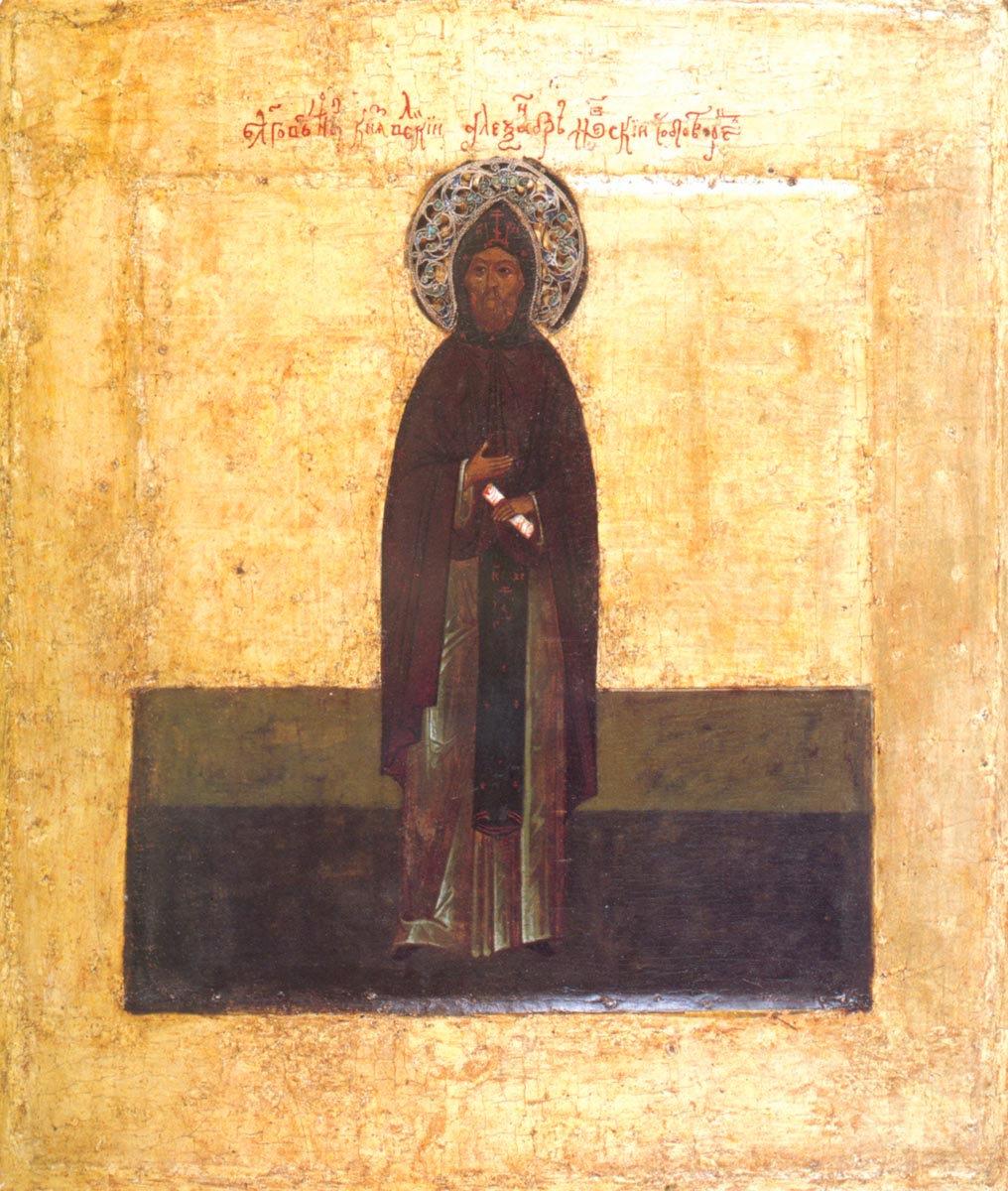
Right-Believing Right-Believing Grand Prince Alexander Nevsky, in Schema Alexy
1221–1263
Right-Believing Grand Prince Alexander Nevsky — victor over the Swedes at the Neva and the German knights on Lake Peipus, a far-sighted diplomat who preserved Rus from devastation through peace with the Horde while firmly refusing union with Rome.
CRITICAL ON THE DATES: confirmed that "September 12" and "August 30" are not two different feasts but the Old and New Style expression of the SAME event: the translation of relics in 1724. The correct structure of two feasts has been restored: repose and burial (November 23/December 6, 1263) and translation of relics (August 30/September 12, 1724).
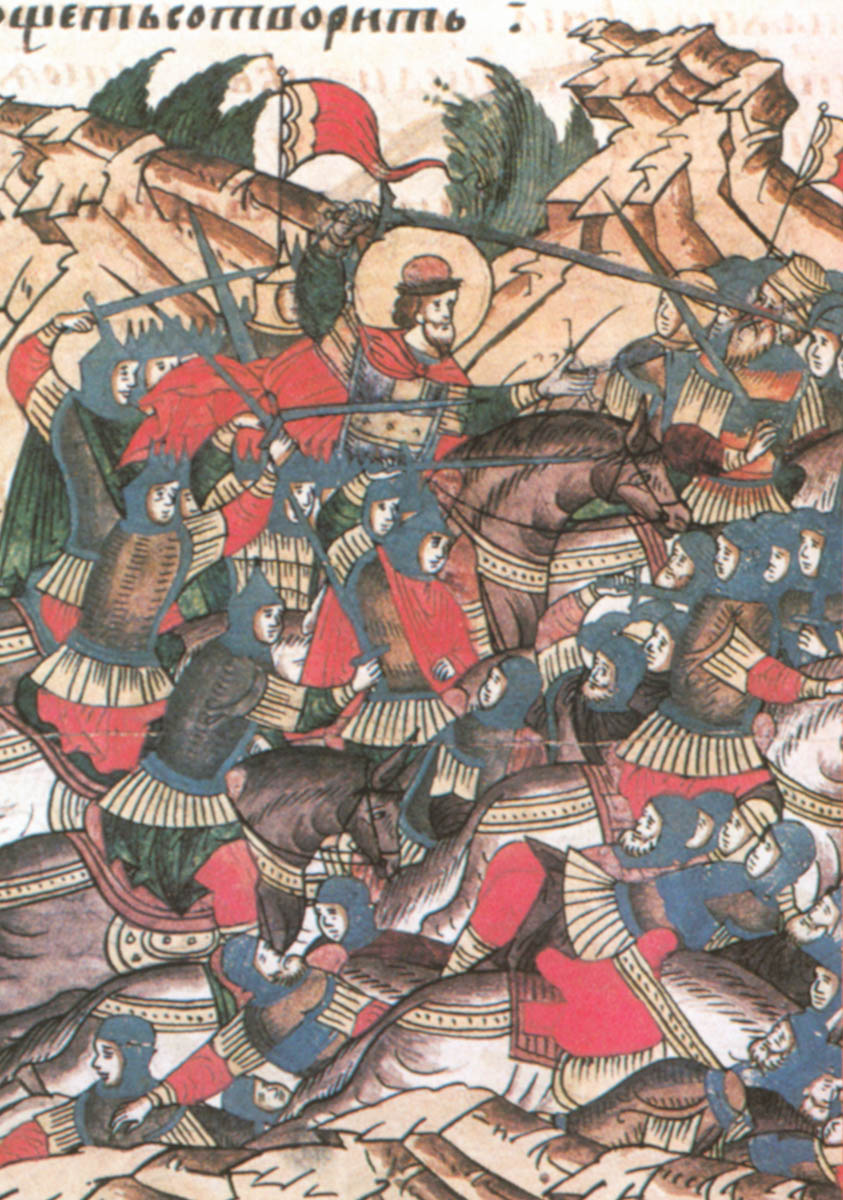
Alexander Yaroslavich, Prince of Novgorod and later Grand Prince of Kiev and Vladimir, is among the most venerated saints and national heroes of Rus. At nineteen he led Novgorod's forces to victory over an invading Swedish army at the mouth of the Neva River (July 15, 1240), earning the epithet "Nevsky." Two years later, on April 5, 1242, he defeated the Livonian (German) Knights in the famous "Battle on the Ice" on Lake Peipus, halting Catholic crusading expansion into Orthodox Rus.
A shrewd statesman no less than a warrior, Alexander recognized that outright resistance to the Golden Horde would be catastrophic; he repeatedly traveled to Sarai to negotiate tribute and peace, sparing Rus further devastation, while firmly rejecting the Pope's offers of union with the Catholic Church with the words "we will not accept your teaching." Worn out by his final journey to the Horde, he fell ill on the return trip and, at Gorodets on the Volga, received the great monastic schema under the name Alexy shortly before his death on November 14, 1263. He was buried in Vladimir's Nativity Monastery on November 23. He was officially glorified by the Moscow Council of 1547; his relics were later translated to St. Petersburg by Peter the Great in 1724. He remains one of Russia's most historically certain and universally venerated saints, with no doubt about his historicity.
Icons and images