Venerable
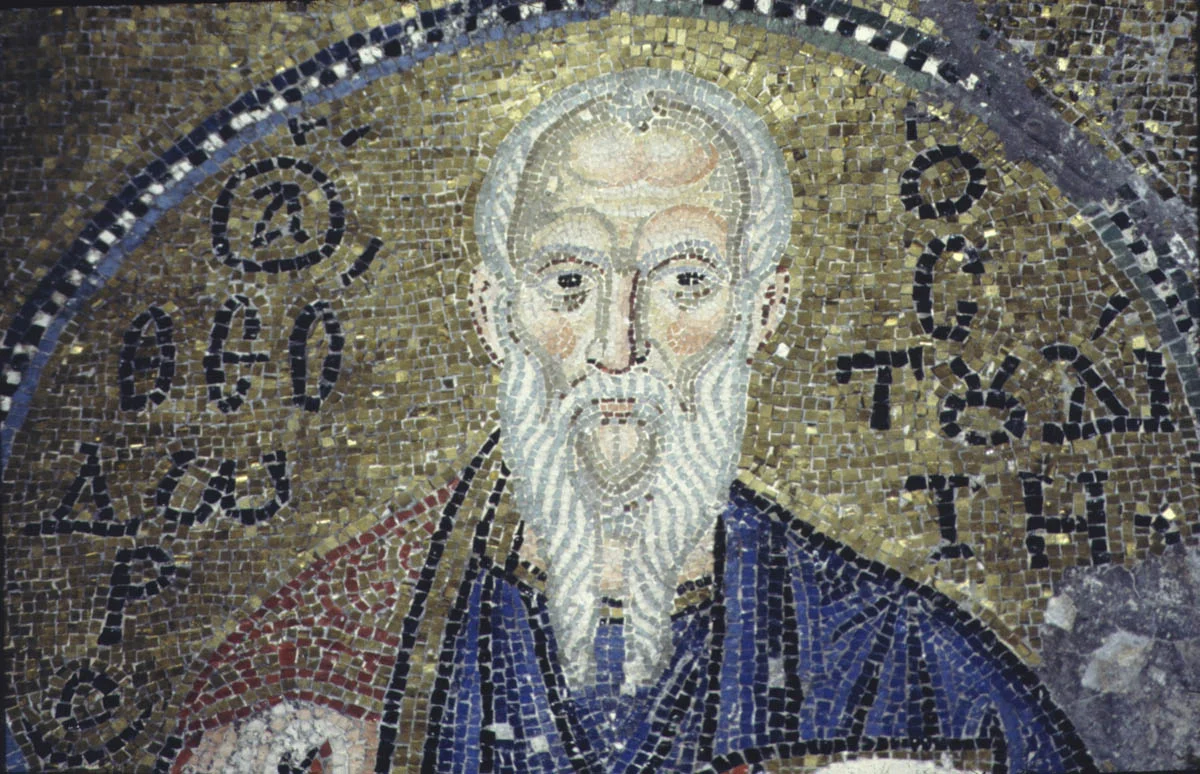
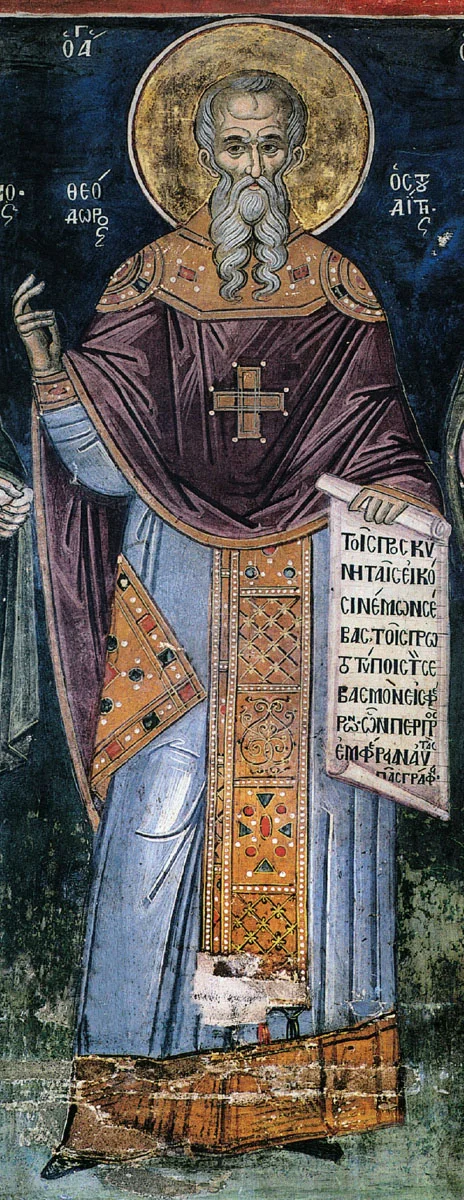
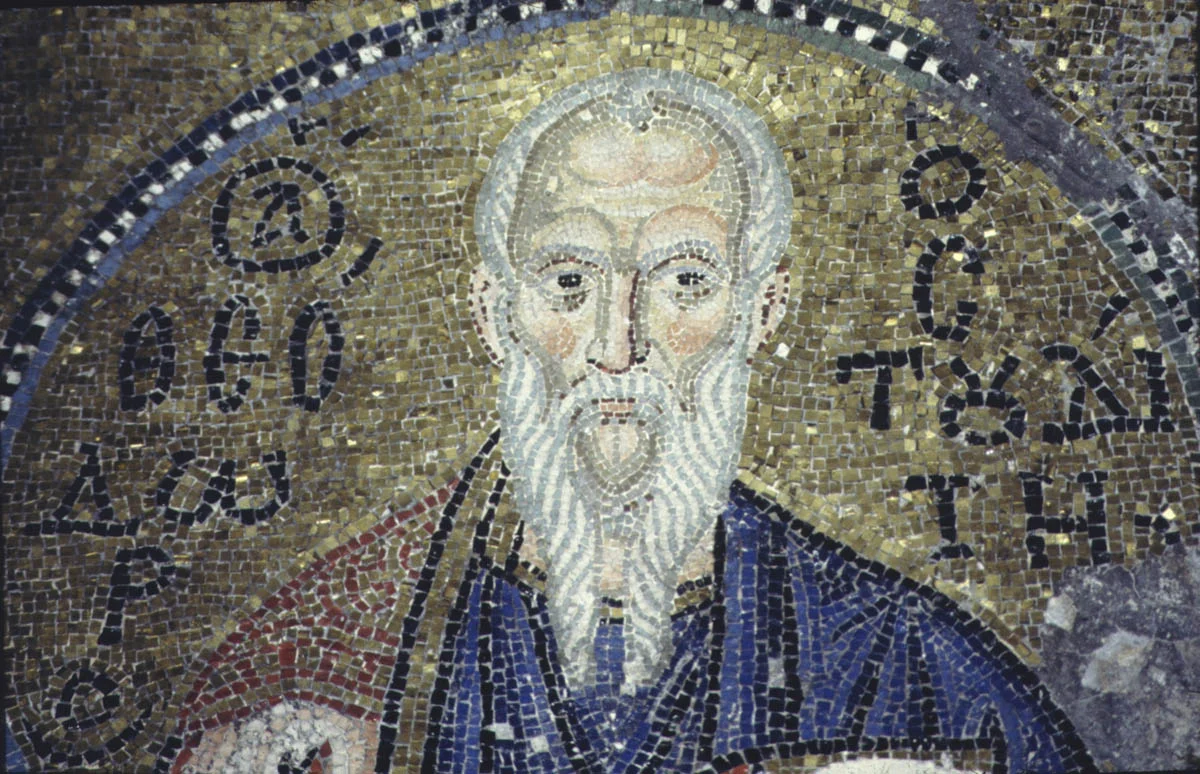
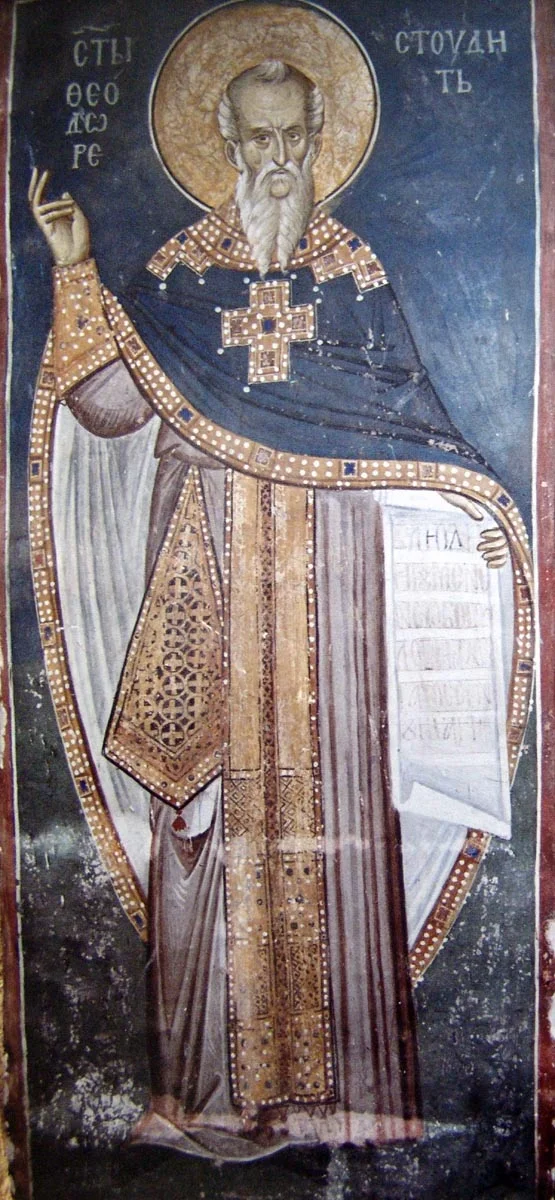
Venerable Theodore the Studite
759 — 826
Venerable Theodore the Studite (759–826) — abbot of the Stoudios Monastery, author of the Studite Typikon, leader of the defenders of icon veneration in the second iconoclast period.
St. Theodore the Studite was born in 759 in Constantinople to a pious family; his maternal uncle was St. Plato of Studion (the Confessor), later abbot of the Sakkoudion monastery. Around 781, at age twenty-two, Theodore was tonsured together with his parents and brothers, and with Plato established the Sakkoudion monastery in Bithynia, becoming his uncle's closest assistant. Around 798 the brotherhood moved to the abandoned Stoudios Monastery in Constantinople, of which Theodore became abbot, introducing a strict cenobitic rule based on the precepts of St. Basil the Great — the Studite Typikon — later a model for Eastern and Slavic monasticism. Theodore became one of the foremost defenders of icon veneration during the second period of iconoclasm, openly opposing Emperor Leo V the Armenian, suffering three exiles, imprisonment, and beatings. He was equally firm on church discipline, condemning the unlawful ("Moechian") marriage of Emperor Constantine VI. He left an extensive theological and literary legacy — catechetical discourses, letters, and liturgical canons. He reposed in exile in 826.
Icons and images