
Confessor
One who openly confessed the faith under persecution and suffered for it — prison, exile, torture — but survived.
Reading options
A confessor and a martyr stand side by side, and only the outcome separates them. Neither renounced. The martyr died at the hands of the persecutors; the confessor survived — he was tortured and released, exiled, maimed, held for years in prison, and died later of natural causes. The Church venerates him with a separate rank of holiness, because the measure of fidelity is the same.
The best known is the Venerable Maximus the Confessor: for refusing to accept the doctrine imposed by the emperor, his tongue and right hand were cut off so that he could neither speak nor write, and he was exiled; there he died. St. Nikephoros, Patriarch of Constantinople, lost his see and ended his days in exile, not having given up the icons.
In Russia the Soviet period gave confessors. St. Luke (Voyno-Yasenetsky) — a surgeon, professor, archbishop — spent more than ten years in prisons and exile, operated between exiles and received a state prize for his “Essays on Purulent Surgery”; he is glorified as a confessor. Patriarch Tikhon, who died under arrest, is one too.
That is why the Synaxis of the twentieth century is called in full: of the new martyrs and confessors of the Russian Church. It is not only those who were killed.
See also
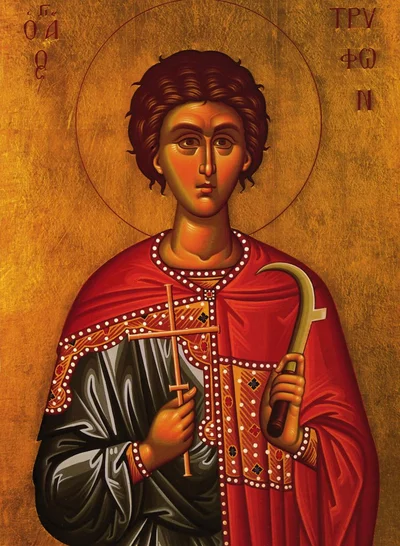
Ranks of sanctity
Martyr
Literally a witness: a Christian who could have renounced the faith and lived, and did not.
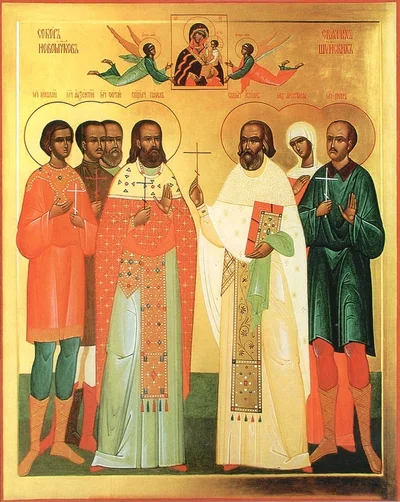
Ranks of sanctity
New Martyr
Those who suffered for the faith under the Soviet persecutions; their joint commemoration is the Synaxis of the New Martyrs and Confessors of the Russian Church.
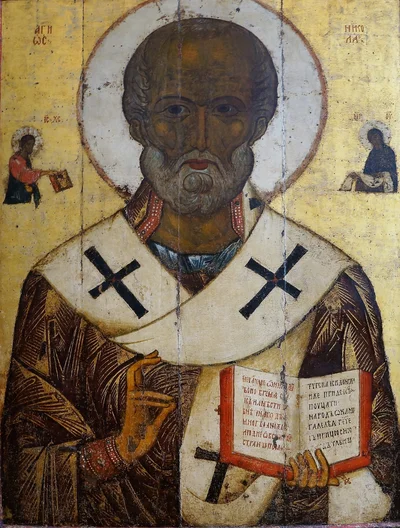
Ranks of sanctity
Hierarch
A sainted bishop. The word applies to hierarchs only — Nicholas the Wonderworker, Basil the Great, John Chrysostom.
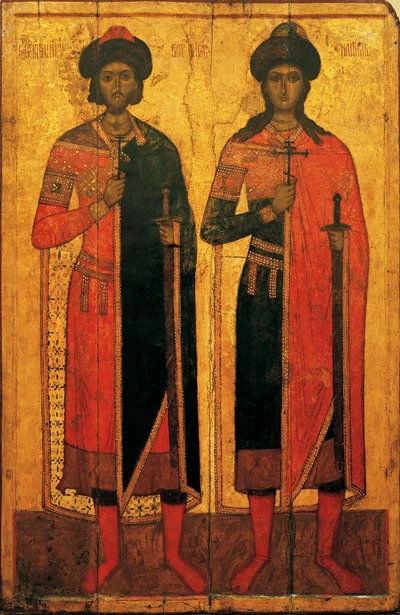
Ranks of sanctity
Passion-bearer
A saint killed not for the faith but innocently, usually by fellow Christians, and meeting death without resistance in imitation of Christ.