
Passion-bearer
A saint killed not for the faith but innocently, usually by fellow Christians, and meeting death without resistance in imitation of Christ.
Reading options
This is almost a Russian word and almost a Russian rank. A martyr is killed for Christ: he is offered the chance to renounce, and he refuses. A passion-bearer is not asked about the faith at all — he is killed because of power, inheritance, fear, politics. What makes him a saint is how he died: knowing of the death that threatened him, he did not defend himself and did not answer evil with evil, repeating what Christ did.
The first Russian saints were precisely passion-bearers. The princes Boris and Gleb, sons of the baptizer of Rus, were killed in 1015 in the struggle for the Kyiv throne. Both knew that men were coming for them; Boris had a retinue ready to fight, and he disbanded it. Their own people killed them, baptized people, for the sake of the princedom — there was no question of faith.
In 2000 the royal family was glorified in this same rank: Emperor Nicholas II, Empress Alexandra, Tsarevich Alexei and the Grand Duchesses Olga, Tatiana, Maria and Anastasia, shot in Yekaterinburg in 1918. The wording of the Council was chosen precisely — passion-bearers, not martyrs: they were not killed for confessing Christ, but they met the months of imprisonment and death itself in a Christian manner.
Therefore the dispute “are they martyrs or not” has no churchly meaning: the rank already answers this question.
See also
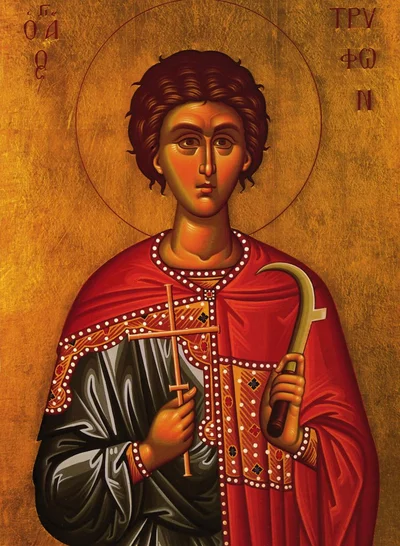
Ranks of sanctity
Martyr
Literally a witness: a Christian who could have renounced the faith and lived, and did not.
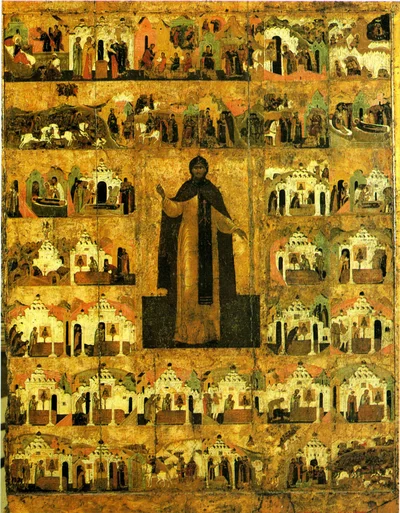
Ranks of sanctity
Right-Believing
The rank of princes and rulers glorified for holding the right faith and governing by it — literally 'rightly believing'.
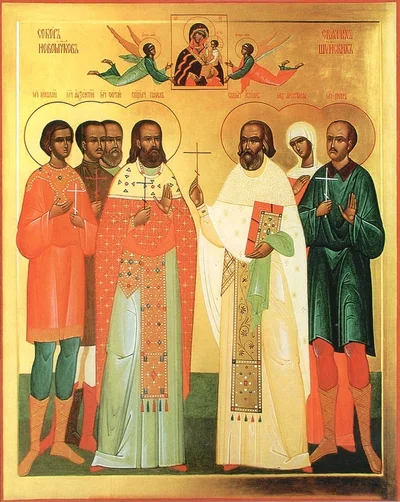
Ranks of sanctity
New Martyr
Those who suffered for the faith under the Soviet persecutions; their joint commemoration is the Synaxis of the New Martyrs and Confessors of the Russian Church.
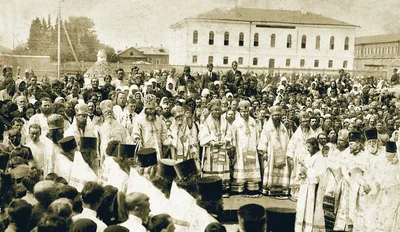
Ranks of sanctity
Canonization
The Church's decision that a person may be openly venerated as a saint — it does not make anyone holy, it testifies to holiness already evident.