
Monk
Other names: Inok, Chernets
One tonsured with the vows of obedience, poverty and celibacy; monasticism and priesthood are separate things.
Reading options
A monk is a Christian who has renounced family, property and his own will so that nothing may stand between him and God. The word is Greek: monos, “alone”. The tonsure is performed with three vows: obedience, non-possession and chastity. They are taken for life.
Monasticism and priesthood are not the same thing
This is what people confuse most often. A monk may hold no rank at all: he does not serve, hear confession or bless; he is simply a monk. If a monk is ordained a deacon, he becomes a hierodeacon; if a priest, a hieromonk. Conversely, a married priest is not a monk and never will be while his wife is alive.
The stages
First comes the novice, still without vows. Then the rasophore monk (inok): he is clothed in the riasa and klobuk, his name may be changed, but he does not yet take the vows in full. Then the mantle tonsure, the lesser schema: here the vows are given, the name is changed, and the mantle is put on. The highest stage is the great schema.
In everyday speech a monk is called an inok (from “inoi”, “other”, one who lives differently) and, from the colour of his clothing, a chernets (“black one”); hence also “black clergy”. The tonsure of women is arranged in the same way: novice, rasophore nun, nun; a nun is addressed as “Mother” or “Sister”.
See also
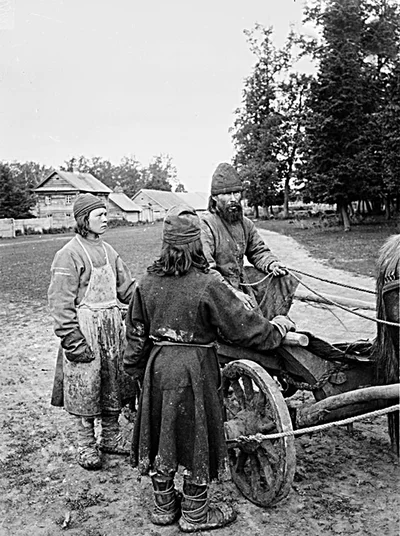
Clergy and ranks
Novice
One living in a monastery under obedience but not yet tonsured and bound by no vows; he is free to leave.
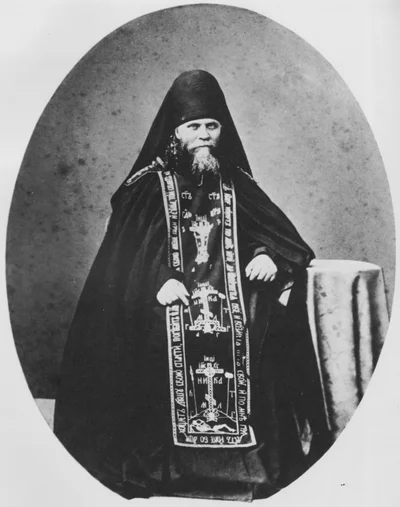
Clergy and ranks
Schema
The highest monastic degree: the great-schema monk takes stricter vows, receives a new name again and wears the kukol and analavos.

Clergy and ranks
Hieromonk
A monk ordained to the priesthood: he serves exactly as any priest does, but lives under monastic vows.
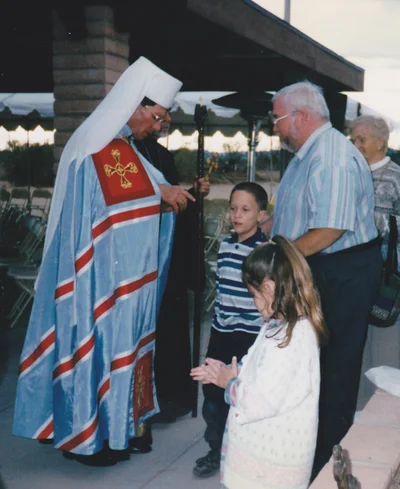
Vestments
Mantle
A long sleeveless cloak: plain black for a monk, coloured and striped for a bishop.
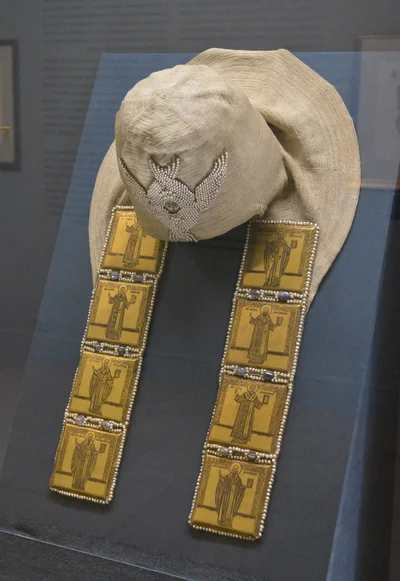
Vestments
Klobuk
A kamilavka covered with a veil — the monastic headdress; white for a metropolitan.