
Schema
Other names: Great Schema, Great Angelic Habit
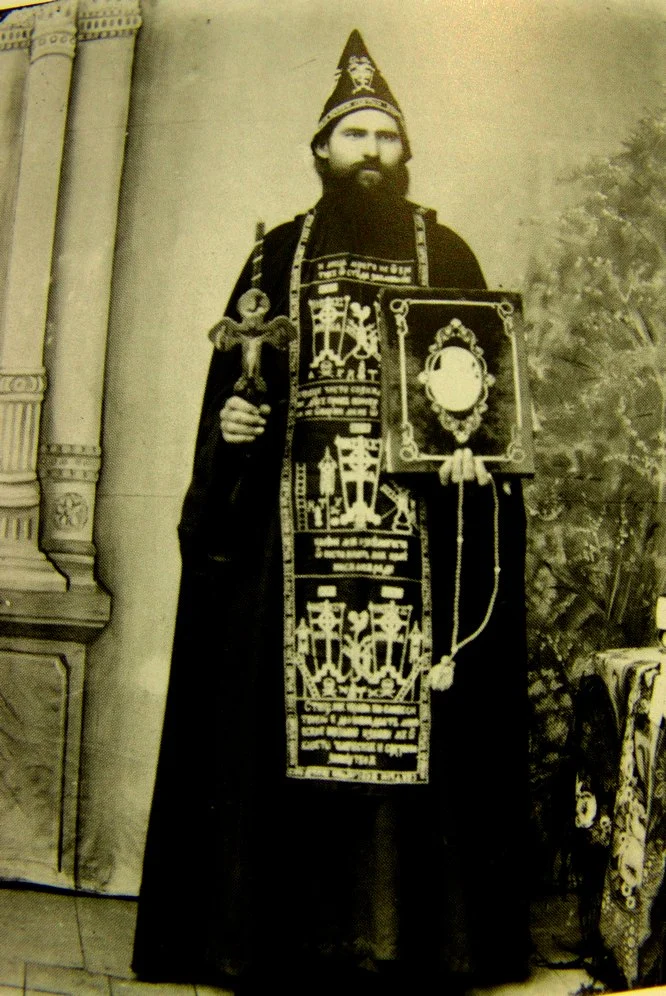
The highest monastic degree: the great-schema monk takes stricter vows, receives a new name again and wears the kukol and analavos.
Reading options
Schema comes from the Greek schema, “form”, “appearance”. The word is used both for the highest degree of monasticism and for the garments in which one is then clothed.
The lesser and the great
The lesser schema is the ordinary mantle tonsure: the vows of obedience, non-possession and chastity, the mantle, the klobuk, a new name. Almost all monks are tonsured in this way, and it is precisely the lesser-schema monks one meets most often in monasteries.
The great schema is the second, higher stage. Few receive it, and usually already in mature years or before death. The vows are the same, but taken in utmost strictness: the great-schema monk, as far as possible, is freed from any authority and outward affairs, lives in seclusion or solitude, and gives almost all his time to prayer. A schema monk who is a priest is called a schemahieromonk, and one who is a bishop a schemabishop; a bishop who has taken the schema usually gives up the governance of his diocese.
Why the name changes
The name is changed at each tonsure, and at the great schema for the second time. The meaning is not mysterious: the new name signifies that the former life is no more, and the person begins anew, with a new heavenly patron. For this reason a schema monk is often known under two names at once, the one under which he lived for decades in the mantle, and the new one.
The garb of a great-schema monk is recognized instantly: the pointed kukol and the analavos, a scapular wholly covered with crosses, the instruments of the Passion, and inscriptions.
Images
See also
Clergy and ranks
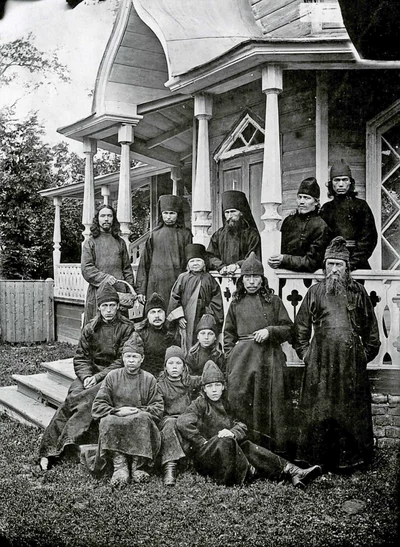
Monk
One tonsured with the vows of obedience, poverty and celibacy; monasticism and priesthood are separate things.
Clergy and ranks
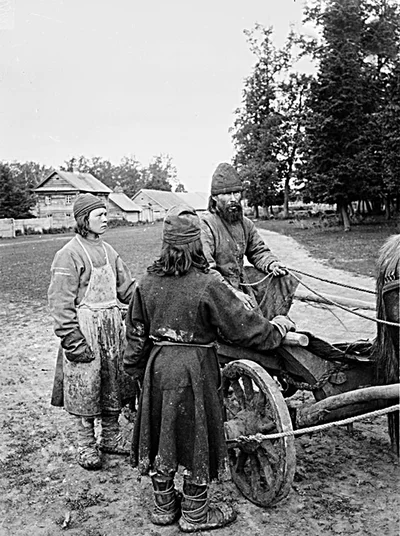
Novice
One living in a monastery under obedience but not yet tonsured and bound by no vows; he is free to leave.
Clergy and ranks
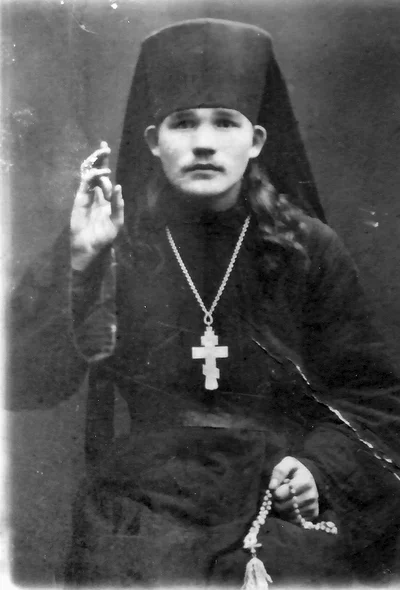
Hieromonk
A monk ordained to the priesthood: he serves exactly as any priest does, but lives under monastic vows.
Vestments
Mantle
A long sleeveless cloak: plain black for a monk, coloured and striped for a bishop.