Right-Believing
Right-Believing Right-Believing Prince Daniel of Moscow
1261–1303
Also known as: младший сын блгв. кн. Александра Невского
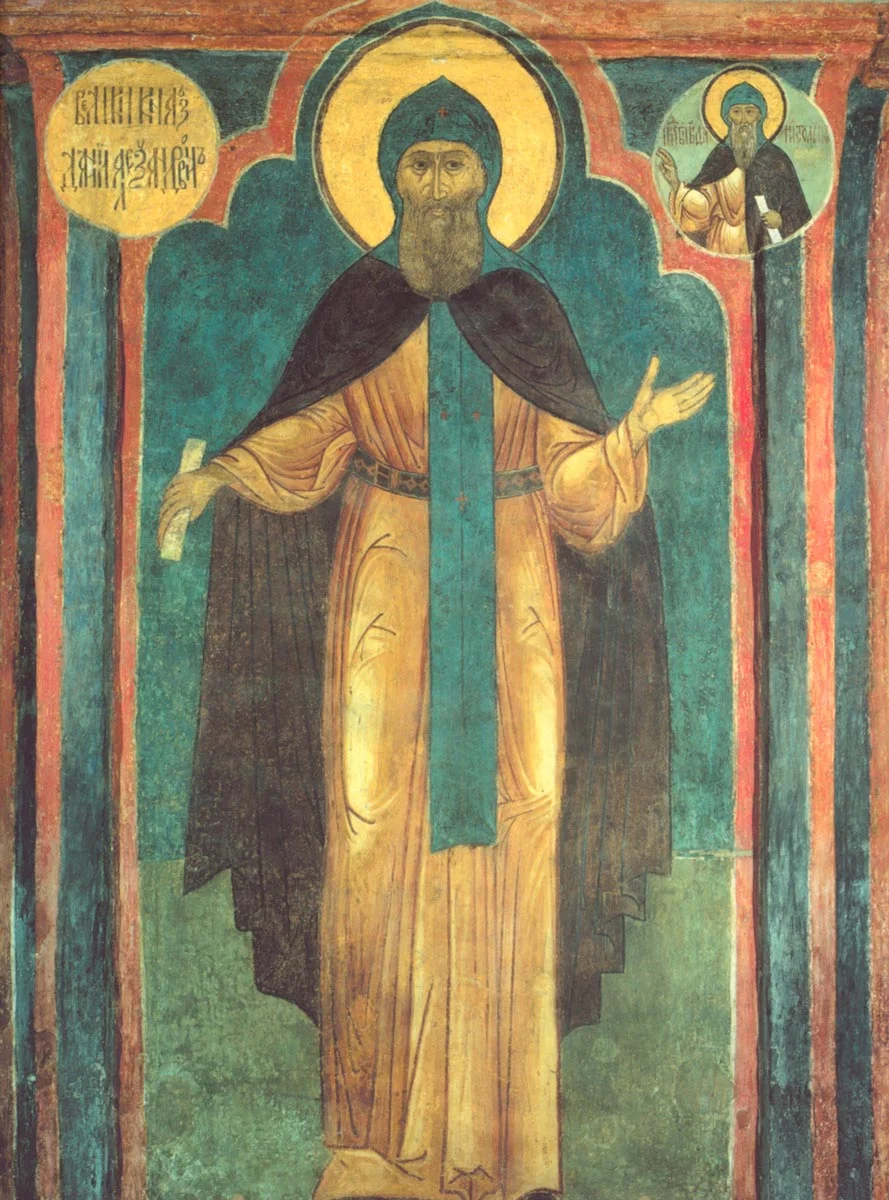
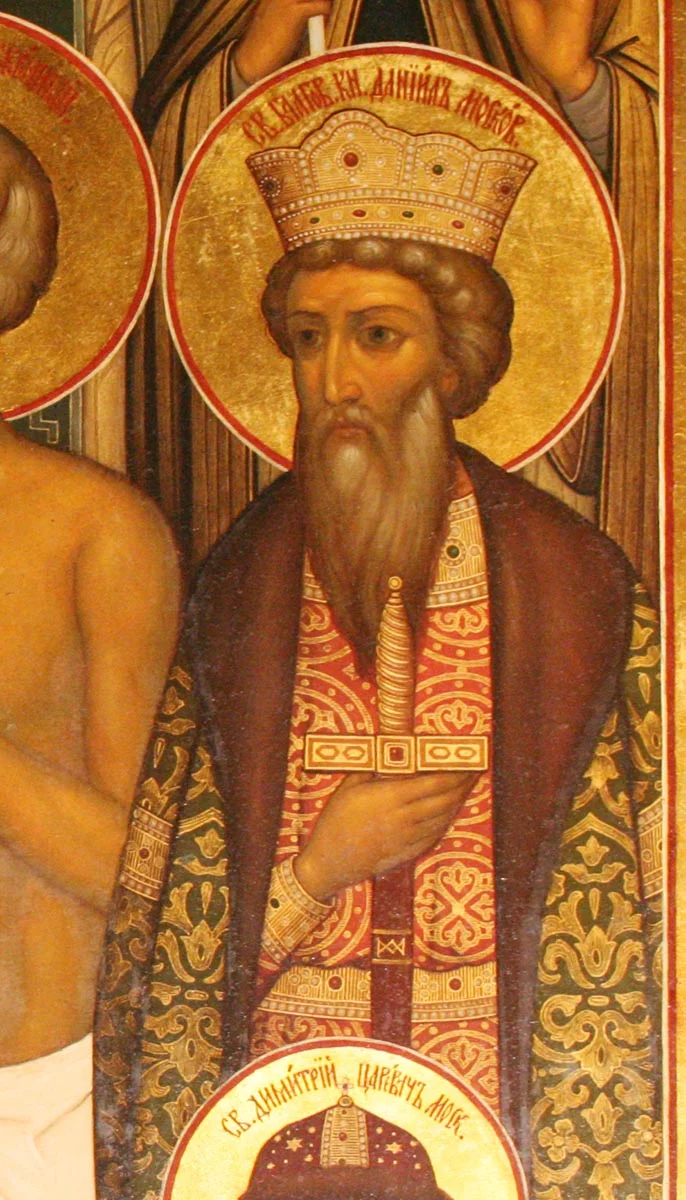
Right-Believing Prince Daniel of Moscow — the youngest son of Alexander Nevsky, the first independent Prince of Moscow, a peaceable ruler and founder of the Danilov Monastery.
CRITICAL: date corrected — the previous record "December 17/30" was wrong; the correct date of repose is March 4/17, 1303; a second commemoration has been added — the uncovering of his relics, August 30/September 12, 1652. The biography has been substantially expanded (previously only 162 characters).
Daniel was born in 1261 in Vladimir, the youngest, fourth son of St. Alexander Nevsky; his mother is traditionally named Vassa. Orphaned at about age two, he inherited the modest, then largely insignificant appanage of Moscow — the smallest portion among his brothers. Rather than resenting this meager lot, Daniel governed with notable meekness and peaceableness, becoming the first prince to rule Moscow as an independent principality and founder of its princely dynasty.
He deliberately avoided war wherever possible: his only recorded campaign came in 1300, when he defeated the prince of Ryazan and his Tatar allies near Pereslavl-Ryazansky, yet magnanimously declined to seize territory or plunder from his defeated rival. Moscow's growth under Daniel came instead through diplomacy and inheritance — most notably the 1302 bequest of the wealthy principality of Pereslavl-Zalessky from his childless nephew, which he integrated while remaining loyal to Moscow as his seat.
Around 1282 he founded a monastery south of the Kremlin dedicated to his patron saint, Daniel the Stylite — the future Danilov Monastery, Moscow's oldest — and later founded the Epiphany Monastery as well. Falling ill in 1303, he received the great monastic schema shortly before death, and, in a final act of humility, asked to be buried not in a grand cathedral but in a plain grave among the ordinary monks of Danilov Monastery. His holy, incorrupt relics were uncovered there in 1652, becoming the monastery's principal treasure until the Soviet closures of the 1930s.
Icons and images