
Fool for Christ
Other names: Holy fool
A saint who deliberately took on the appearance of madness — renouncing even a good name, and free to tell the powerful what no one else would.
Reading options
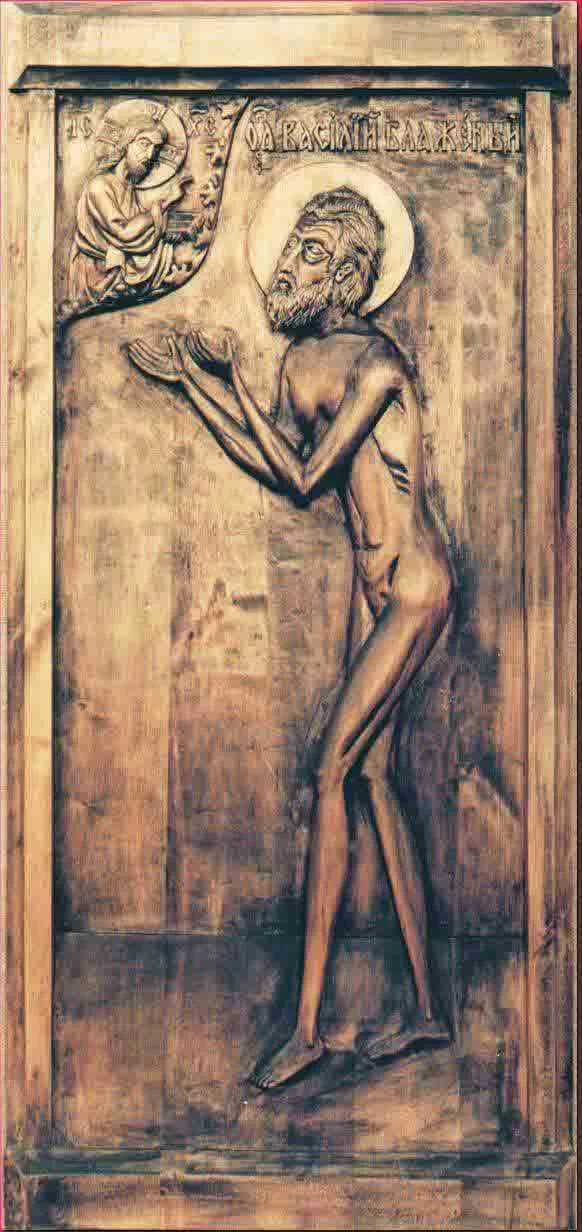
Foolishness for Christ is the hardest path of holiness to explain and the only one that looks from outside like an illness. The fool for Christ pretends to be insane: goes barefoot and half-clothed in winter, speaks at random, does absurd things, endures beatings and mockery. The support for this is found in the Apostle Paul: “We are fools for Christ's sake.”
The meaning is twofold. First, the person deprives himself of the last thing that remains even to a strict ascetic — a good name: no one respects a fool for Christ and there is nothing to praise him for, and so there is nothing to be vain about. Second, a madman is allowed what is allowed to no one else: a fool for Christ could tell the truth to the tsar's face and remain alive. Basil the Blessed, who spoke so to Ivan the Terrible, was, according to tradition, feared by the tsar.
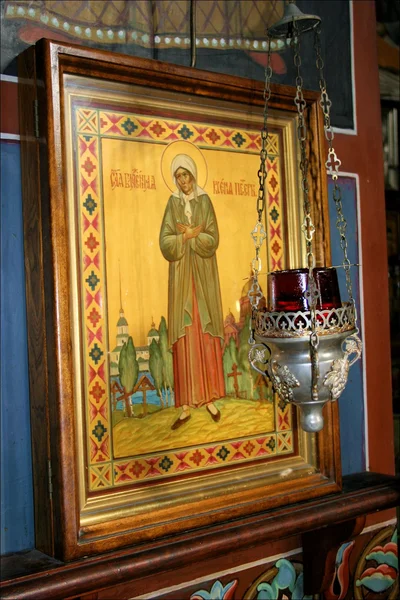
The first fool for Christ is considered to be Symeon of Emesa, but this path truly took root in Rus: Procopius of Ustyug, Basil of Moscow, Xenia of St Petersburg, Andrew the Fool, who in Constantinople had the vision of the Protection of the Mother of God.
Fool for Christ and blessed
This is about one and the same person: the rank is called “fool for Christ's sake,” while such a saint is called blessed and is captioned on the icon “Bl.” The only complication is that the word “blessed” sometimes means something quite different — an honorific of ancient teachers such as Blessed Augustine, having nothing to do with foolishness for Christ.
Images
See also
Ranks of sanctity
Blessed
One word with two senses: the title of the holy fools, and an honorific for certain ancient teachers such as Blessed Augustine.
Ranks of sanctity
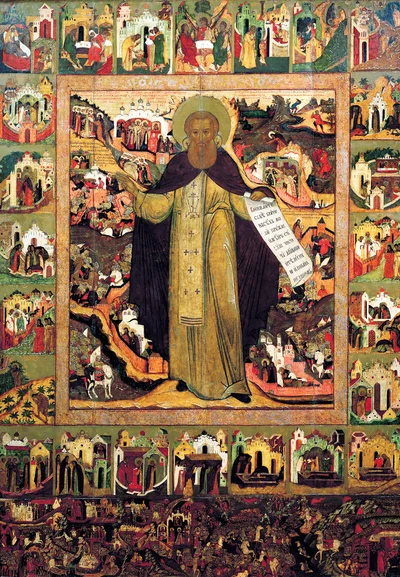
Venerable
A sainted monastic. The Slavonic word means 'most like' — one who has recovered the likeness of God in which man was created.
Vestments
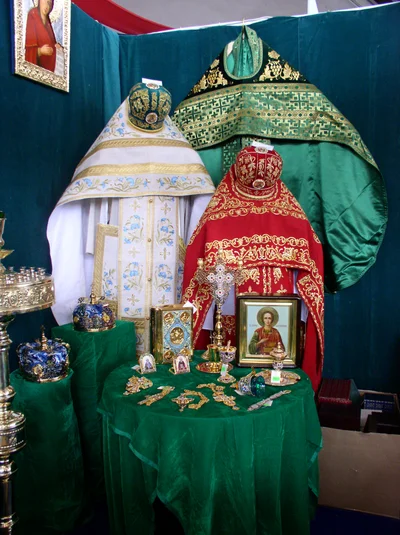
Liturgical colours
Vestment colour changes with the church year, telling you what day it is before the service begins.
Divine services
Moleben (service of supplication)
A short service of petition or thanksgiving, usually served after the Liturgy and lasting twenty to forty minutes.