
Veneration of icons
Other names: Icon veneration
The Church honours icons but does not pray to the board: the honour given to the image passes to the one depicted. Worship as such belongs to God alone.
Reading options
From the outside the question sounds blunt: people bow to boards and kiss them; how does this differ from idolatry? The Church’s answer is just as blunt, and it was given not yesterday.
The honour passes to the prototype
The formula on which everything rests belongs to St. Basil the Great: the honour paid to the image passes to the prototype. When kissing an icon, a person addresses not the wood or the paint but the one painted on it, just as one kisses a photograph not out of love for the paper. The icon here is not the addressee but the address.
That is why church language distinguishes two words which in Russian both sound like “worship”. The first is latreia, worship as the acknowledgment of God: it belongs to God alone and to no one else, neither icon, nor saint, nor angel. The second is veneration, a sign of respect that may be shown to an image, and to the Gospel, and to the cross, and to relics, and to a living person. An idol, by contrast, takes the place of God: it is a deity unto itself and points to no one. An icon, on the contrary, exists only as a pointer.
Iconoclasm and the Seventh Council
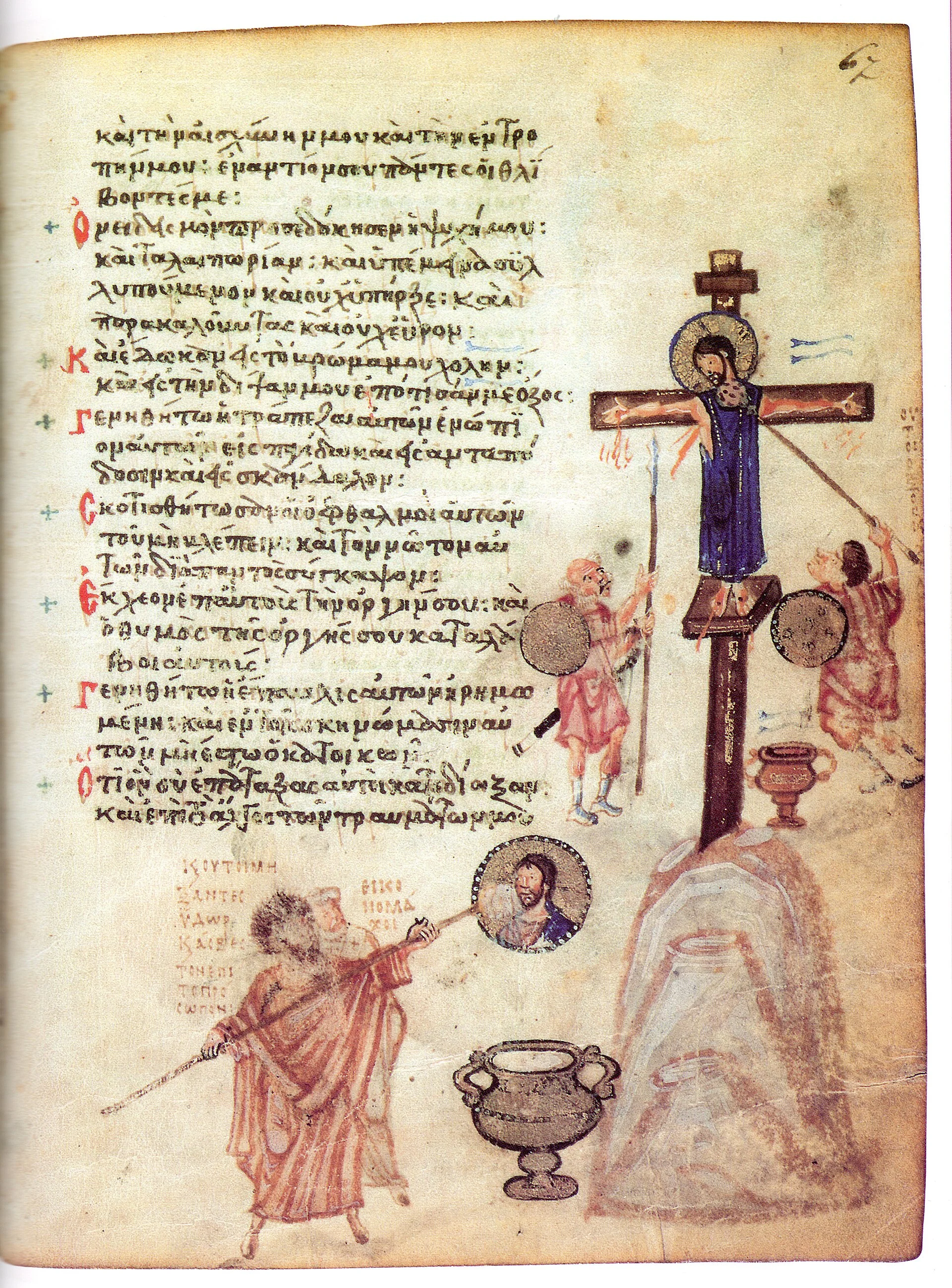
This dispute did occur in history, and a grave one. In the 8th century in Byzantium icons began to be destroyed, since it was held that God may not be depicted. The Church answered at the Seventh Ecumenical Council (787, Nicaea): Christ became man, He had a real human face, and therefore this face may be painted. To deny the icon is in essence to deny that God truly became incarnate.
Icons finally returned to the churches in 843. The memory of this is the feast of the Triumph of Orthodoxy on the first Sunday of Great Lent, and this is still the only feast devoted not to an event of the Gospel but to a dispute over whether icons may be painted.
Images
See also
Icons
Icon
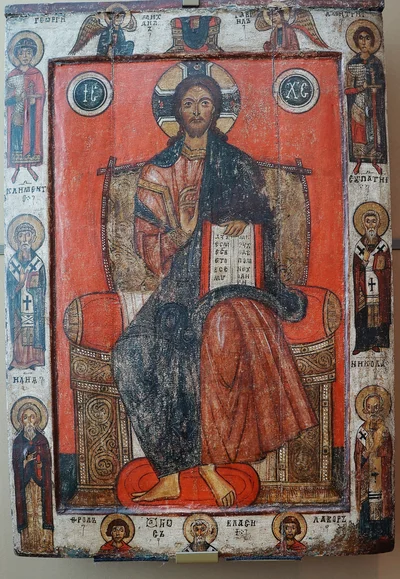
An image of Christ, the Mother of God, a saint or a sacred event, made for prayer — not a painting and not a portrait.
Parish practice
How to venerate an icon
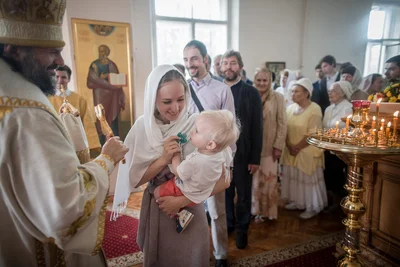
Cross yourself twice with a bow, kiss the icon, then cross yourself once more; one kisses the hand or hem, not the face.
Parish practice
Bows
Bows from the waist and to the ground; the latter are not made on Sundays or from Pascha to Pentecost.
Feasts and fasts
Great Lent
The longest and strictest fast of the year: 48 days before Pascha, made up of the Forty Days, Lazarus Saturday, Palm Sunday and Holy Week.