
Marriage (crowning)
Other names: Holy matrimony
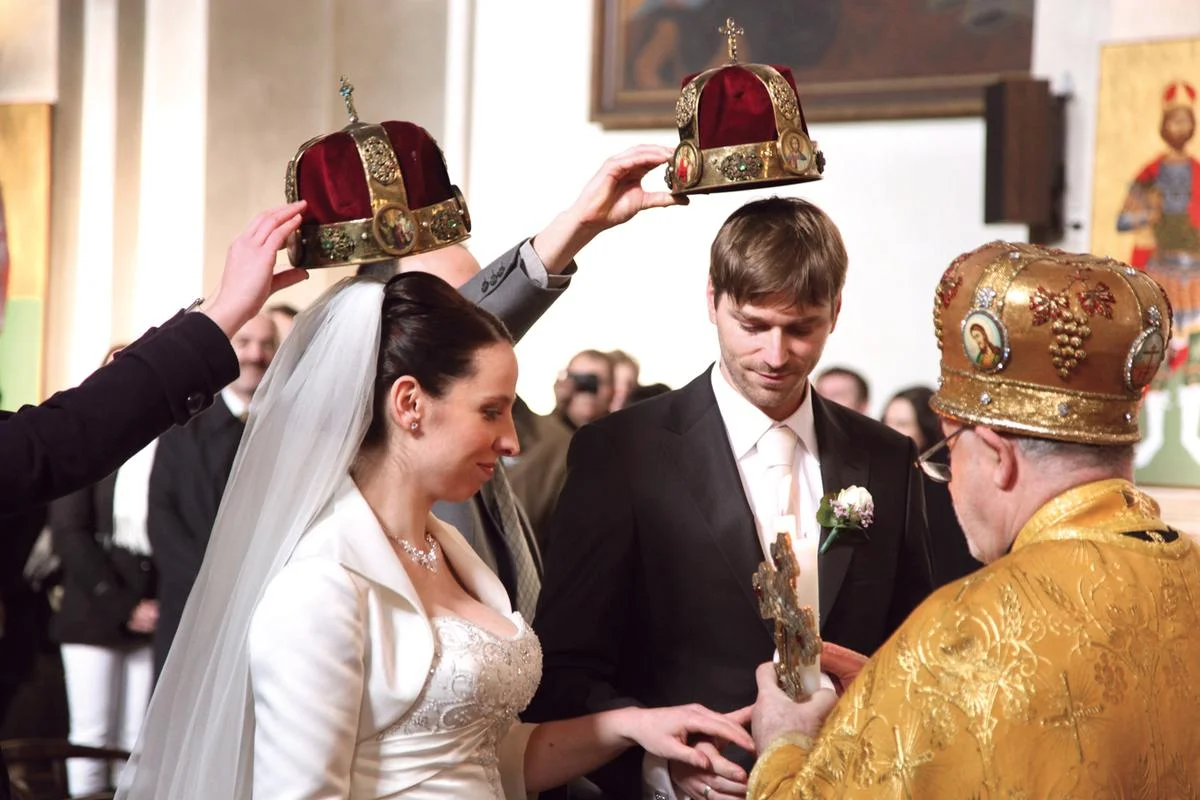
The sacrament of marriage: crowns are held over bride and groom, they drink from a common cup and circle the analogion three times. It does not replace civil registration.
Reading options
The marriage service consists of two parts, which are today served one after the other. First comes the betrothal: the priest puts rings on the bridegroom and the bride and three times exchanges them — each one’s ring remains with the other. Then the crowning proper: crowns are held over their heads, prayers are read and the Gospel about the marriage at Cana of Galilee; the couple being married are given a common cup of wine from which both drink three times, and the priest leads them three times around the analogion.
The crowning and the registry office
They are constantly confused. Registration of a marriage is the affair of the state: it gives the spouses rights and obligations before the law. The crowning is a Sacrament of the Church; it has no civil force. The Church recognizes a registered marriage as lawful even without the crowning and does not consider such spouses to be living in sin; therefore in church people are usually asked to register first and to come to be married already as husband and wife.
When marriages are not performed
The marriage service is not performed in all four multi-day fasts, during the Christmas season (Svyatki), on Cheesefare Week (Maslenitsa) and Bright Week, and also on the eve of fast days — on Tuesday and Thursday, on the eve of Sunday (on Saturday) and on the eve of great feasts. This is not a prohibition out of severity: the crowning is a celebration, and it is not set across the Church year.
There is no “uncrowning”
There is no such rite in the Church. If a marriage has broken down, the question of Church recognition of this and of the possibility of being married again is decided by the ruling bishop on petition — but this is not an annulment of the former crowning, it is permission for a new marriage.
Images
See also
Sacraments
Baptism
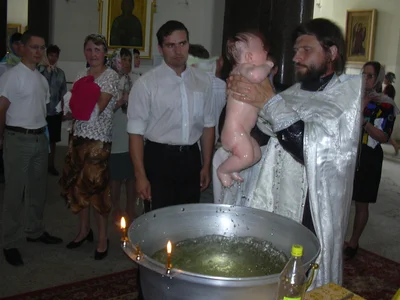
The sacrament by which a person enters the Church: threefold immersion in water in the name of the Trinity. It happens once and is never repeated.
Sacraments
Confession
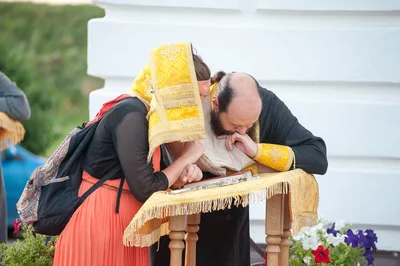
The sacrament of repentance: a person names his sins aloud before God, with the priest as witness rather than judge, and receives forgiveness.
Feasts and fasts
Fasting
A time of restraint — in food, amusements and habits — set aside for prayer and repentance: four multi-day fasts, several single days, and most Wednesdays and Fridays.
Parish practice
Blessing
A blessing asked of a priest and given by him; it replaces an ordinary greeting.