
Prayer rule
Other names: Home prayer, Cell rule
The prayers a Christian reads at home every morning and evening; its extent is set with one's confessor.
Reading options
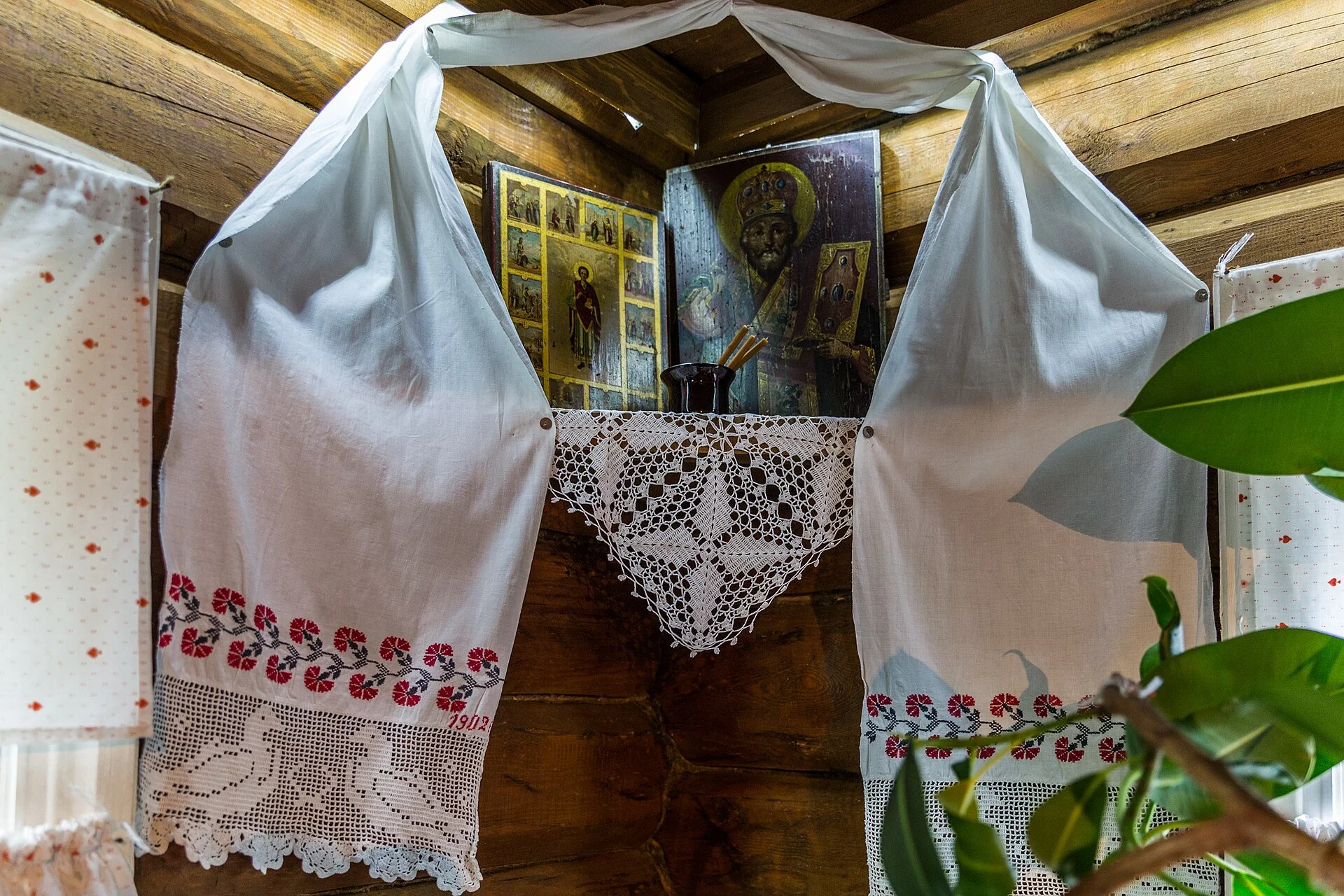
The rule is what a person reads at home by himself, without a church and without a priest: morning prayers after waking and evening prayers before sleep. They are printed in any prayer book as separate services, and they are composed not for one day but for every day — hence the word “rule.”
The word should not frighten. The point is not to read through everything that is appointed but for the day to begin and end not with the telephone. The rule holds a person up just as a timetable holds up someone who works: without it prayer quickly shrinks to those minutes when one has become afraid.
The measure
The full rule is often beyond a beginner’s strength, and this is no reason to abandon it. The measure is set with a priest: one person he will bless to read half, another a few prayers, but every day. There is also the short rule of St. Seraphim of Sarov for those who have neither time nor books: the “Our Father” three times, “Rejoice, O Virgin Theotokos” three times and the Creed once.
The main thing to hold to: better less and attentively than much and in a gabble; and better briefly but without skipping than for long but once a month.
To the daily rule others are added as needed: kathismata of the Psalter, a canon or akathist, commemoration of the living and the departed in one’s own words, the rule for Communion on the eve.
Images
See also
Parish practice
How to prepare for Communion
Fasting, the prayer rule, confession and the Chalice itself: what is customary before Communion and how to approach.
Books and chant
Psalter
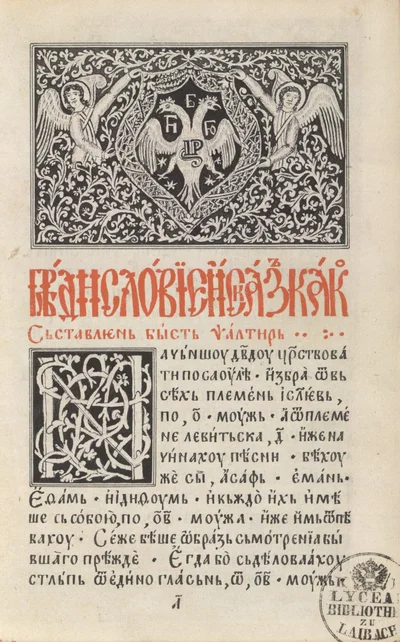
The book of the 150 psalms — the most-read book in church, divided into twenty kathismata.
Books and chant
Horologion
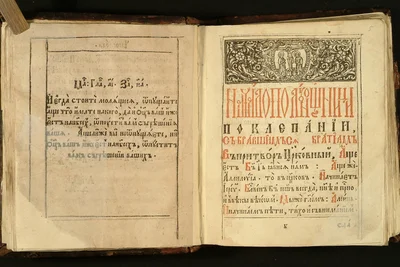
The reader's book: everything in the daily services that stays the same from day to day.
Icons
The icon corner
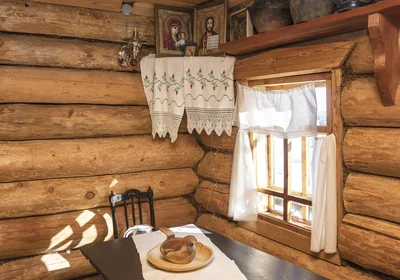
The place for icons at home — usually the east-facing corner with a lamp; a place to pray, not a shelf for a collection.
Divine services
Akathist
A hymn of praise in twenty-five parts, listened to standing — the word itself means 'not sitting'. Usually read at a moleben.