
Prokeimenon
A short psalm verse proclaimed and repeated before a scripture reading.
Reading options
The prokeimenon is one or two lines from a psalm that sound before a reading. The Greek word means “lying before,” that is, set in front: it comes first and sets the theme of what is about to be read.
How it works by ear
The deacon or reader proclaims the prokeimenon, and the choir repeats it. Then a verse of the psalm is proclaimed — and the choir again sings the prokeimenon. At the end only the first half is proclaimed, and the choir completes the second. Because of this return of the same phrase, a prokeimenon is easy to recognize even without making out the words.
There is a prokeimenon at Vespers, at Matins before the Gospel, and at the Liturgy before the Apostolos. Each day of the week has its own evening prokeimenon; the best known is the Saturday evening “The Lord is King, He is clothed with majesty,” with which the Sunday opens.
In Great Lent, in place of the prokeimenon at Vespers of the Presanctified Liturgy, a similar one in structure, the “great prokeimenon,” is sung, together with special readings from Genesis and Proverbs.
See also
Books and chant
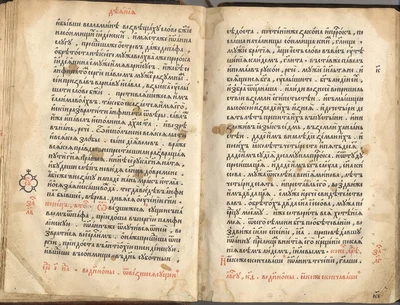
Apostolos (Book of the Apostle)
The liturgical book of Acts and the Epistles, read aloud before the Gospel at the Liturgy.
Church utensils
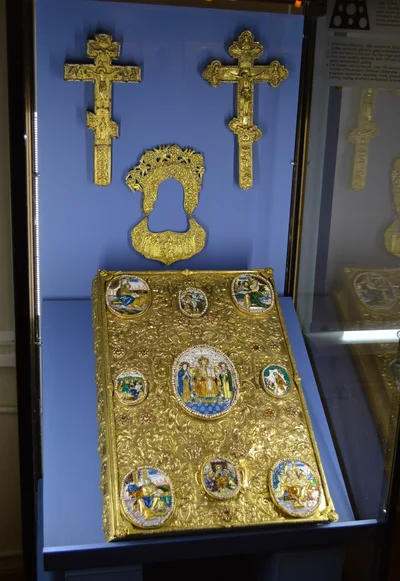
Altar Gospel book
The service Gospel in a heavy metal cover, kept on the altar table and carried out at the Little Entrance.
Books and chant
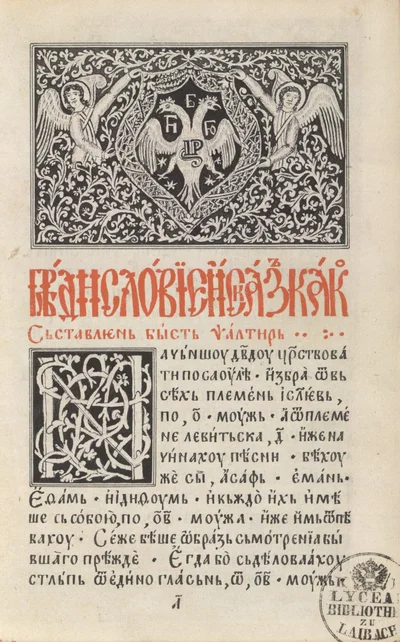
Psalter
The book of the 150 psalms — the most-read book in church, divided into twenty kathismata.
Books and chant
Antiphon
A chant sung alternately by two choirs from the two kliroi; at the Liturgy the antiphons open the service.
Divine services
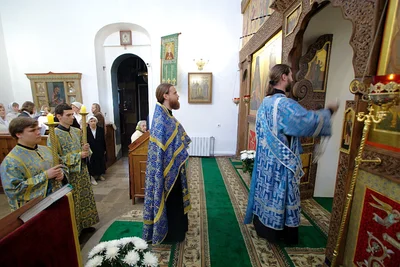
Vespers
The first service of the church day, served in the evening; its themes are the creation of the world, the fall, and the waiting for the Saviour.