
Antiphon
A chant sung alternately by two choirs from the two kliroi; at the Liturgy the antiphons open the service.
Reading options
The word is Greek and means “sounding in alternation.” In ancient times a church had two kliroses, right and left, and the verse was sung in turns — first one choir, then the other. Hence the name: an antiphon is what is sung not straight through but alternately.
Today in many churches there is a single choir, and the alternation is rarely heard, but the name and the order have remained.
Where they are heard
The Liturgy begins with antiphons. On Sunday and on ordinary days the so-called typical antiphons are sung — the psalms “Bless the Lord, O my soul” and “Praise the Lord, O my soul” — and the third antiphon is the Beatitudes. On the great feasts, festal antiphons are sung in their place, with verses chosen to suit the event.
There are antiphons at Matins too: before the reading of the Gospel at the Sunday All-Night Vigil, the antiphons of degrees (anavathmoi) are sung — short hymns in the tone of the day, composed on the psalms that pilgrims sang as they climbed the steps of the Jerusalem temple.
See also
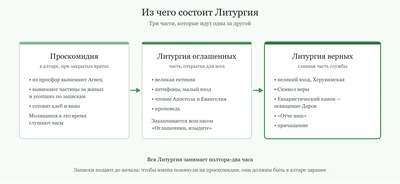
Divine services
Divine Liturgy
The principal service of the Church, at which the Eucharist is celebrated and the faithful receive Communion. Served in the morning, lasting one and a half to two hours.
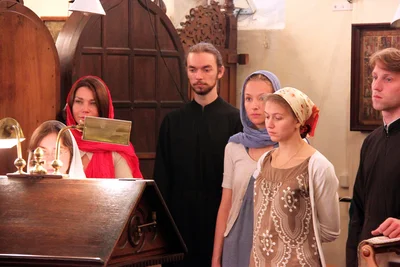
The church building
Kliros (choir place)
The place for singers and readers at the ends of the solea, right and left of the iconostasis.
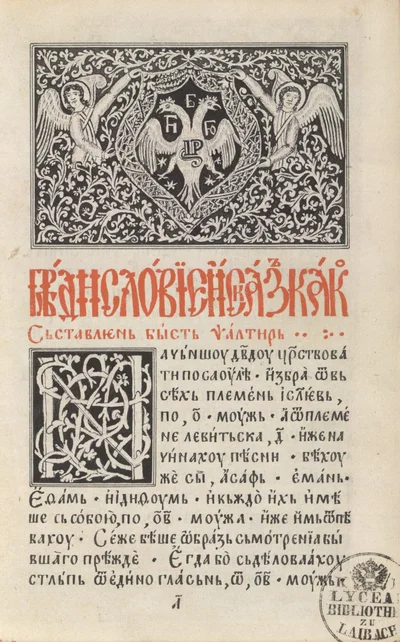
Books and chant
Psalter
The book of the 150 psalms — the most-read book in church, divided into twenty kathismata.
Divine services
Polyeleos
The most festive part of Matins: all the lamps are lit, the clergy come out into the middle of the church, the magnification is sung and the Gospel is read.