
Unction
Other names: Holy unction, Anointing of the sick
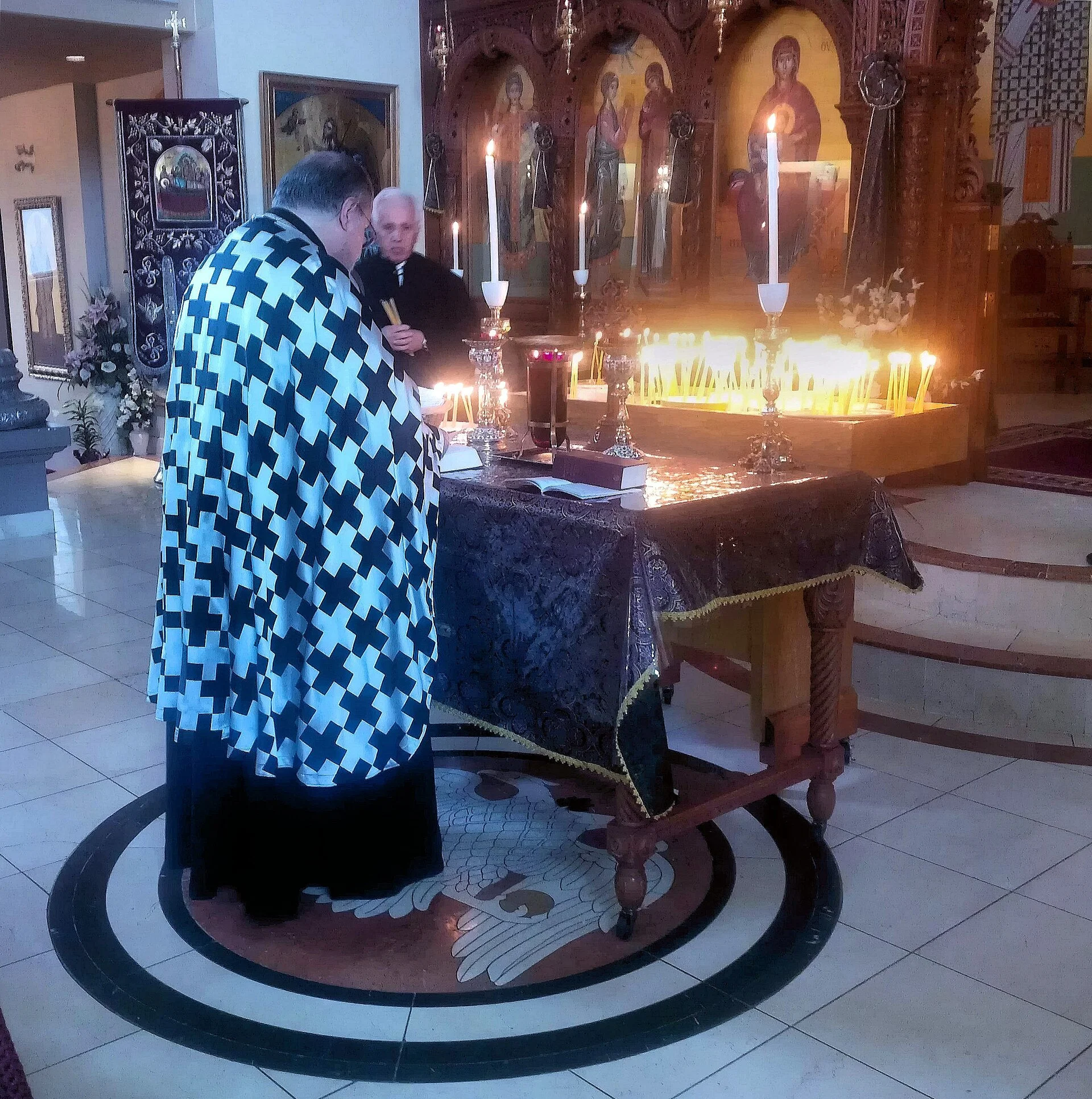
The sacrament in which the sick are anointed seven times with blessed oil, with prayer for healing and for forgiveness of forgotten sins. It is not only for the dying.
Reading options
Unction and Euchelaion (the blessing of the oil) are one and the same Sacrament; it simply has two names, and this confuses people most often. “Euchelaion” is a name by substance: the oil is blessed, and with it people are anointed. “Sobor-ing” (sobórovanie) is a name by custom: the rite is supposed to be performed by a council (sobor) of priests, ideally seven, although in necessity a single priest performs it.
The rite is built on the number seven: the Apostle is read seven times, the Gospel seven times, a prayer seven times — and after each round the priest anoints in the form of a cross the forehead, nostrils, cheeks, lips, breast and hands.
Unction is not only for the dying
This is the most widespread misconception: “they’ve called for unction — it’s the end.” In fact the Sacrament is asked for the sick, and asked precisely for healing — a grave illness is not at all necessary, infirmity and a long indisposition are enough. The dying, of course, are also anointed, but to link one with the other is wrong, and one should not refuse unction out of superstitious fear.
On forgiveness of forgotten sins
The second thing prayed for in unction is the forgiveness of sins that a person cannot confess: those forgotten, or not recognized by him as sin. That is exactly why unction does not replace confession: what you remember, you must name yourself.
In the Russian Church a practice of general unction in Great Lent has developed — then all who wish, healthy and sick, gather in the church, and the Sacrament is performed over many at once. It is usually not performed over children under seven.
Images
See also
Sacraments
Confession
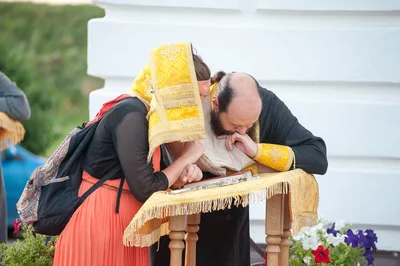
The sacrament of repentance: a person names his sins aloud before God, with the priest as witness rather than judge, and receives forgiveness.
Sacraments
Communion
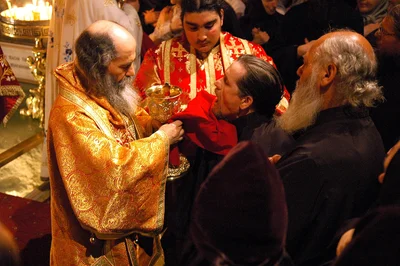
The central sacrament of the Church: at the Liturgy bread and wine become the Body and Blood of Christ, received by the faithful from the chalice.
Feasts and fasts
Great Lent
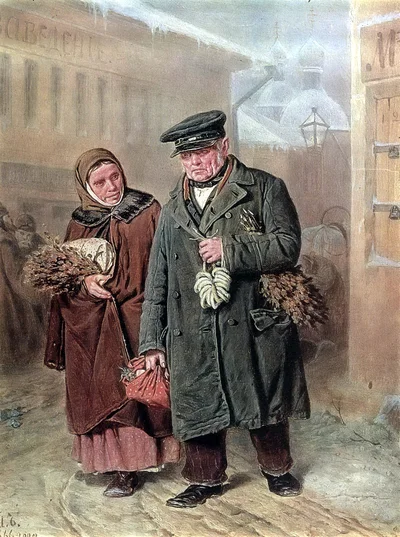
The longest and strictest fast of the year: 48 days before Pascha, made up of the Forty Days, Lazarus Saturday, Palm Sunday and Holy Week.
Books and chant
Trebnik (Book of Needs)
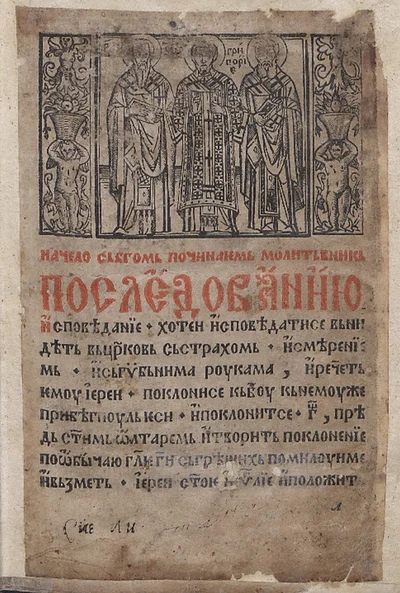
The book of rites served on request: baptism, marriage, funeral, memorial and blessings.