
Censer
Other names: Thurible
A metal bowl on chains where incense burns over hot charcoal, used to honour the holy things and the people.
Reading options
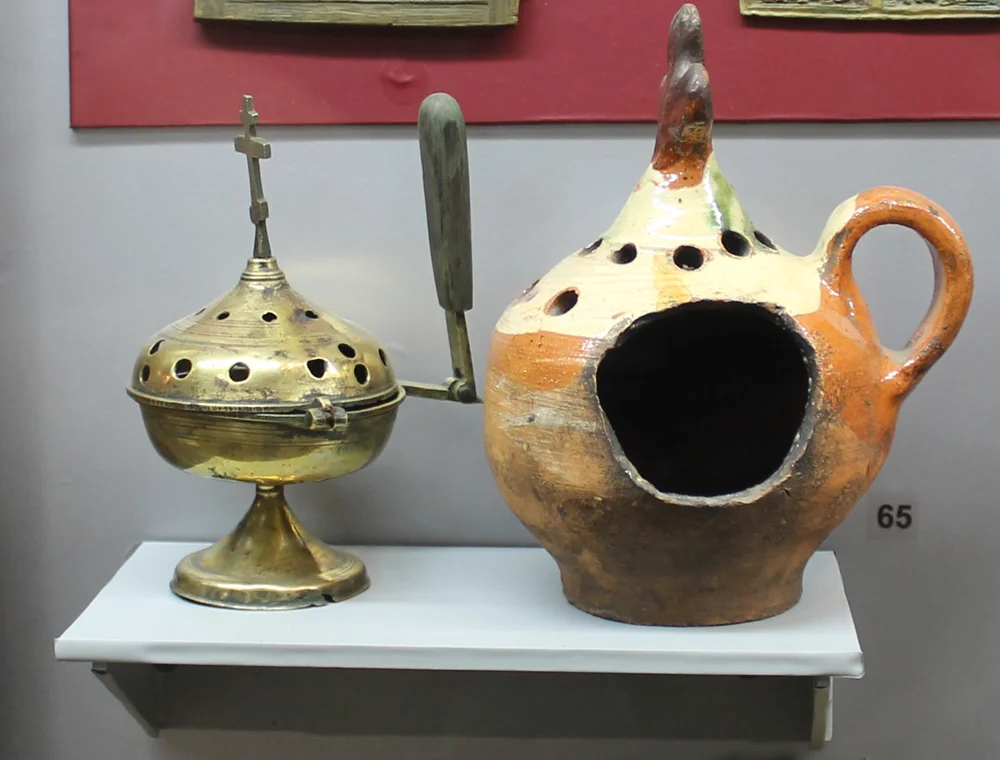
The censer is a cup with a lid, suspended on three chains by which it is held and swung. Inside is placed a glowing coal, and on the coal grains of incense, and from this comes thick fragrant smoke. The fourth chain lifts the lid. Small bells usually hang on the chains, so the censing is heard before it is seen.
Who censes and how
The deacon censes, and if there is no deacon, the priest himself. They cense the altar table, the table of oblation, the iconostasis, the icons, and necessarily the people: the deacon comes out onto the solea and goes around the church, turning the censer toward those standing. This is not a formality — the image of God in every person is honoured. It is customary to answer the censing with a bow of the head; it is better to move away from the candle stands and notes at that moment so as not to block the way.
Coal, fire and smoke
The interpretation is made up of parts: the coal is human nature, the fire in it is the Godhead, the smoke is prayer rising upward. At the censing at the All-Night Vigil they sing “Let my prayer arise in Thy sight as incense” — that is, may prayer rise just as straight and lightly.
There is also the katzia — a hand censer without chains, with a handle. It is used where swinging chains is inconvenient — in a cell, at the bedside of a sick person, in a cramped side chapel.
Images
See also
Church utensils
Incense
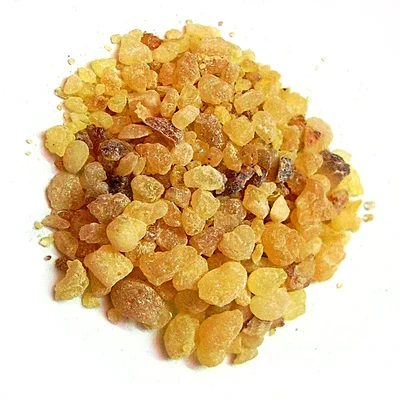
The fragrant tree resin burned in the censer; its rising smoke is a visible image of prayer.
Clergy and ranks
Deacon
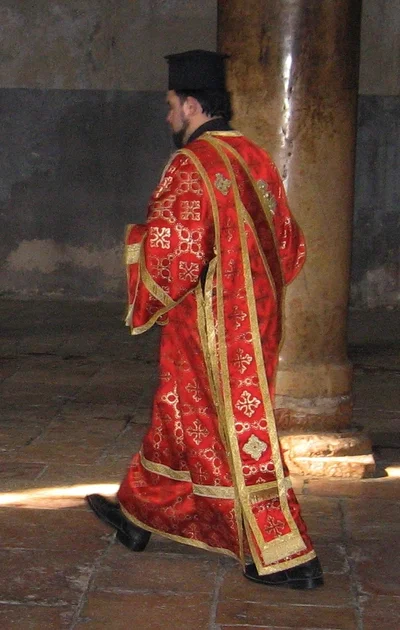
The first degree of priesthood: he assists at services and chants the litanies but celebrates nothing himself. Recognised by the orarion.
Divine services
All-night vigil
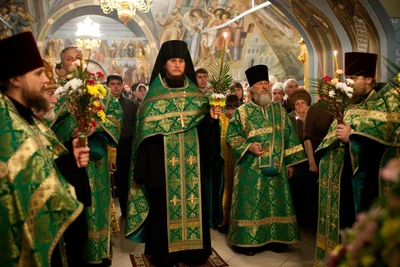
The evening service on the eve of Sundays and great feasts — Vespers, Matins and the First Hour together. Despite the name it lasts two or three hours, not all night.
The church building
Altar (sanctuary)
The eastern part of the church behind the iconostasis, containing the holy table; entered only by clergy and servers.