
Hegumen
A senior title of a monastic priest, tied above all to heading a monastery; the sign is the staff given at appointment.
Reading options
A hegumen is a hieromonk of senior rank. The word is Greek, hegoumenos, “leader”, “one who is in charge”: originally this was the name of the head of a monastery, and this meaning remains the chief one. In the Russian Church today the rank of hegumen is connected above all with appointment to the governance of a monastery; the staff that distinguishes a hegumen is presented to him on his appointment. Formerly the rank of hegumen was also given simply as an award for long service, and so among the parish clergy one still finds hegumens without a monastery.
A hegumen’s degree is that of a priest. He can neither ordain nor perform anything beyond what an ordinary priest does. The difference from a hieromonk lies in position and responsibility, not in grace.
The female counterpart is the abbess, the head of a convent. She holds no sacred rank at all (women are not ordained), but she governs the convent and wears a pectoral cross as a sign of authority. She is addressed as “Mother” or “Mother Abbess”.
The form of address to a hegumen is “Father” with the name, or “Your Reverence”.
See also

Clergy and ranks
Hieromonk
A monk ordained to the priesthood: he serves exactly as any priest does, but lives under monastic vows.
Clergy and ranks
Archimandrite
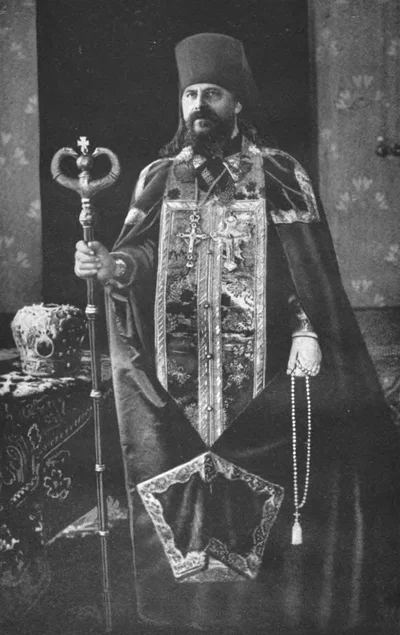
The highest title of a monastic priest, above hegumen and below bishop; he serves in a mitre but cannot ordain.
Clergy and ranks
Rector
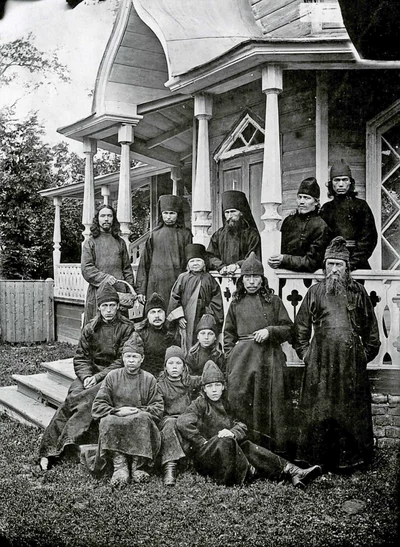
The senior priest of a church, answerable to the bishop; in a monastery the bishop is often rector while a vicegerent governs day to day.
Clergy and ranks
Monk
One tonsured with the vows of obedience, poverty and celibacy; monasticism and priesthood are separate things.