
Rector
Other names: Superior, Abbess
The senior priest of a church, answerable to the bishop; in a monastery the bishop is often rector while a vicegerent governs day to day.
Reading options
The rector is the senior priest of a church. He is appointed by the ruling bishop by his decree, and it is to the bishop that he answers for the parish: for the divine services, for the other clergy, for the finances, for the reporting. Under the current statute the rector also heads the parish council.
The rectorship is not determined by rank: most often he is an archpriest, but a young priest may be rector if the parish is small. Conversely, a distinguished archpriest may serve in a church without being its rector. The other priests of the church are called staff clergy.
Rector of a parish and superior of a monastery
In a monastery the words diverge, and this is confusing. In large monasteries, and in all the stauropegial ones subordinate directly to the Patriarch, the rector (the head) is a bishop himself: the Patriarch or the ruling bishop, with the title of Hieroarchimandrite. In reality the monastery is run from day to day by the superior (namestnik), usually a hegumen or an archimandrite. Put simply: the rector there is the one to whom the monastery is entrusted, the namestnik is the one who lives in it and leads it.
In small monasteries there is no namestnik: the rector is the hegumen who lives in the monastery. In convents the abbess governs, and she is called the head of the convent.
A parish never has a namestnik, only a rector.
See also
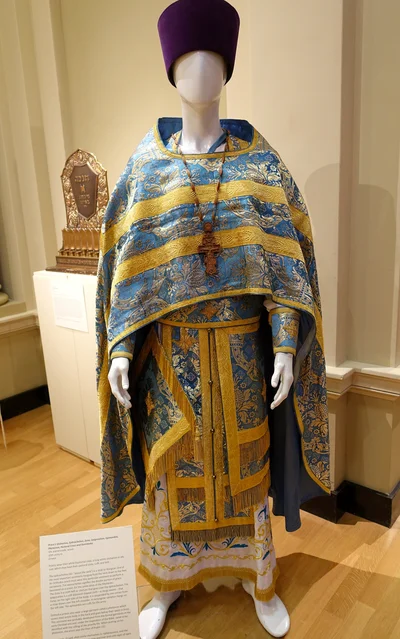
Clergy and ranks
Priest
The second degree of priesthood: celebrates the Liturgy and all sacraments except ordination. Recognised by the epitrachelion and pectoral cross.
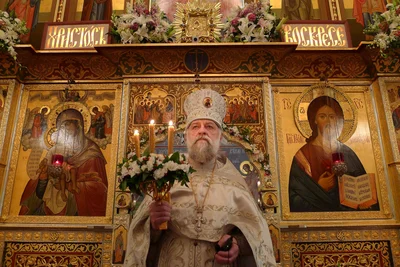
Clergy and ranks
Archpriest
The title of a senior married priest — an award for years of service, not a further degree; most rectors are archpriests.
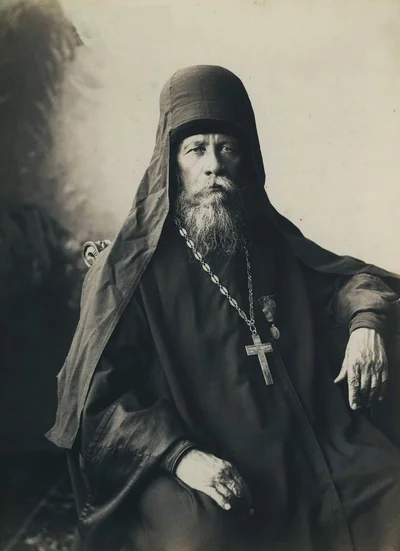
Clergy and ranks
Hegumen
A senior title of a monastic priest, tied above all to heading a monastery; the sign is the staff given at appointment.
Clergy and ranks
Church warden
A layman responsible for the parish's practical affairs — the building, finances and property — elected by the parish assembly.
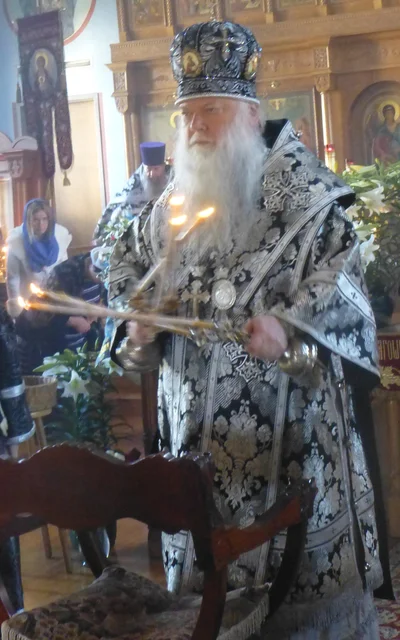
Clergy and ranks
Bishop
The highest degree of priesthood: only a bishop ordains clergy and governs a diocese. Recognised by the omophorion, panagia and staff.