
Priest
Other names: Presbyter, Batiushka, Pop, Presviter
The second degree of priesthood: celebrates the Liturgy and all sacraments except ordination. Recognised by the epitrachelion and pectoral cross.
Reading options
The priest holds the second degree of priesthood and is the one a parishioner deals with most often. He celebrates the Liturgy, hears confession, baptizes, marries, performs Holy Unction, conducts funerals, and serves molebens and memorial services (panikhidas). There is only one thing he cannot do: ordain and consecrate the antimension and the holy myrrh; this remains with the bishop. And he serves not on his own but with the blessing of his bishop: on the altar table lies an antimension signed by the bishop, and without it the Liturgy is not celebrated.
How to recognize him
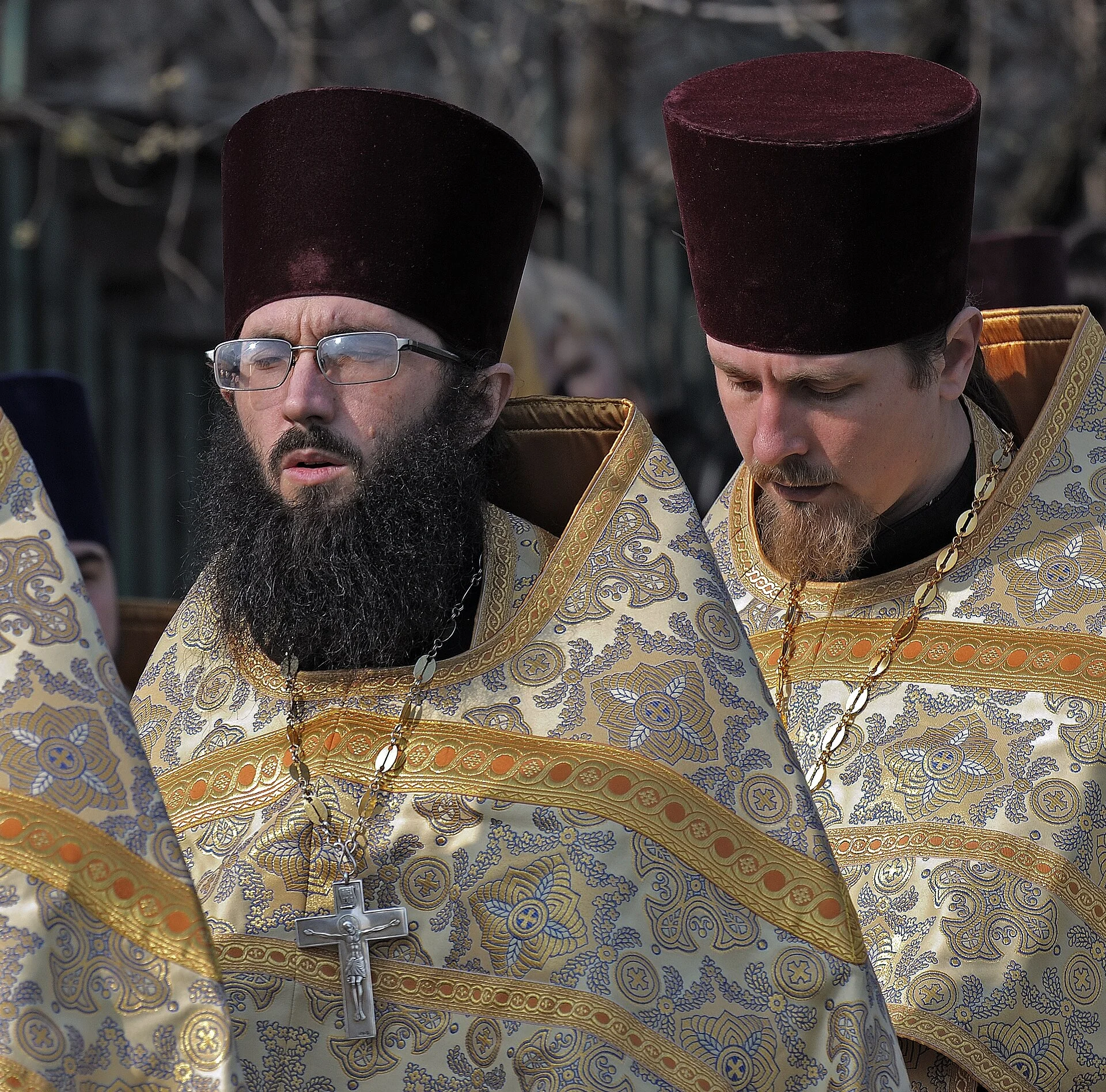
The chief sign is the epitrachelion, a long band on the breast: without it a priest serves nothing, not even a short moleben. On his breast, over the vestments, is a pectoral cross; in full vestments the phelonion is put on over everything. He has no omophorion, panagia or staff: these are episcopal things.
Three words for the same thing
Hierei (priest) is the official name of the rank. Presbyter is the same word in Greek, literally “elder”; this is what priests are called in church documents. Batiushka (“Father”) is the everyday, warm and quite appropriate form of address.
The word “pop” is not abusive in origin: it comes from the Greek papas, “father”, and for centuries it was in ordinary use. But over the last hundred years it has acquired a mocking tone, and today it sounds rude. It is better to say “priest”, “Father Nikolai” or “batiushka”.
Images
See also
Clergy and ranks
The three degrees of priesthood
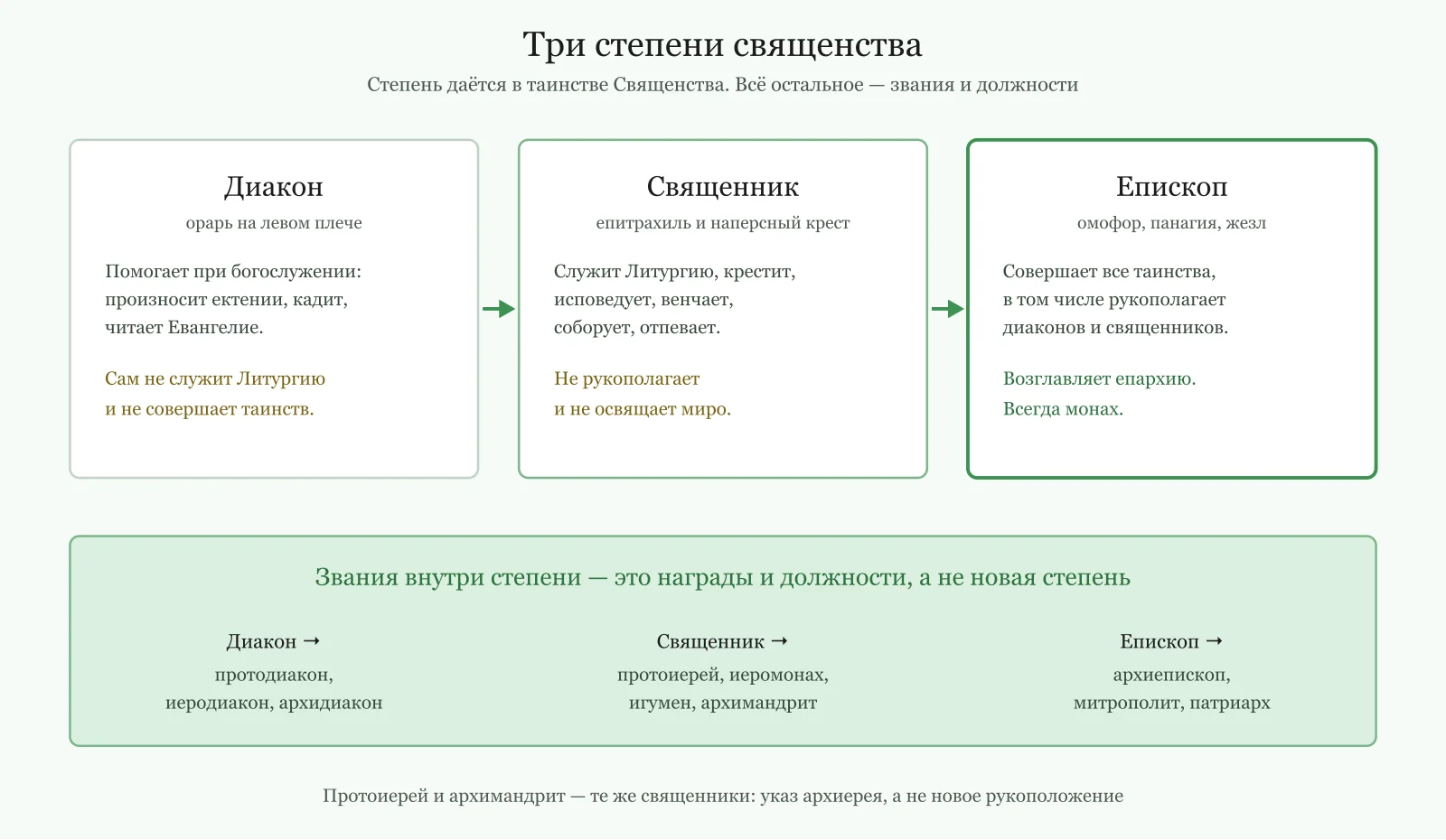
Deacon, priest and bishop are the only three degrees; archpriest, hegumen and metropolitan are titles within them, not further degrees.
Vestments
Epitrachelion
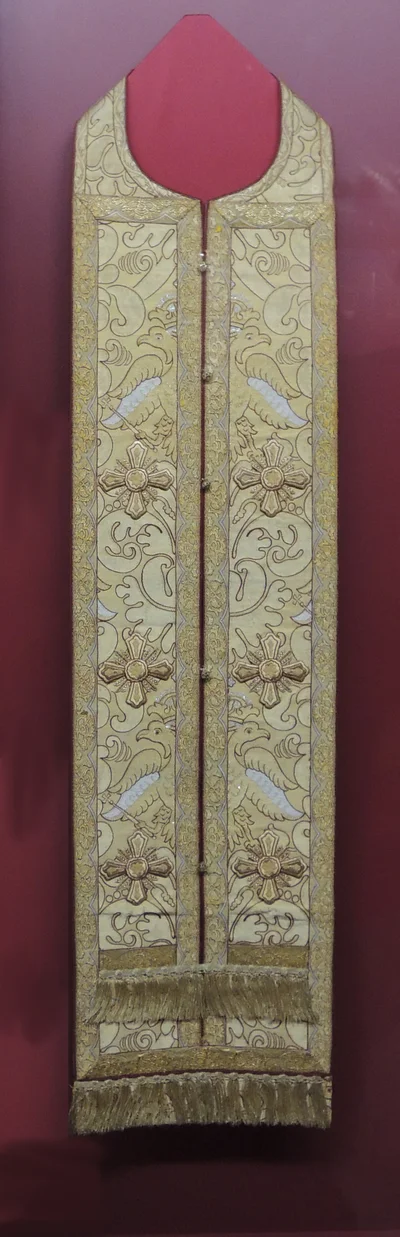
A long stole around the neck — the chief sign of priesthood; no service is served without it.
Vestments
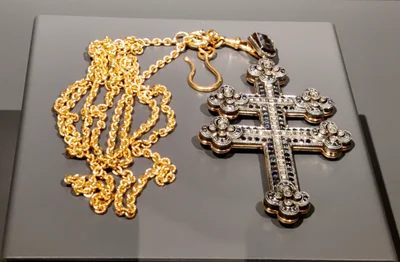
Pectoral cross
The cross worn on the breast by priests and bishops, offered to the faithful to kiss.
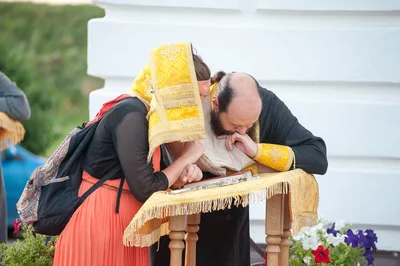
Sacraments
Confession
The sacrament of repentance: a person names his sins aloud before God, with the priest as witness rather than judge, and receives forgiveness.
Clergy and ranks
How to address the clergy
A priest is addressed as Father with his name, a bishop as Vladyka, the patriarch as Your Holiness.