
The three degrees of priesthood
Deacon, priest and bishop are the only three degrees; archpriest, hegumen and metropolitan are titles within them, not further degrees.
Reading options
There are three degrees of priesthood, and there cannot be more. The deacon assists at the divine service but does not himself celebrate it. The priest celebrates the Liturgy and almost all the Sacraments. The bishop does what a priest does and, in addition, ordains others: only he can ordain a new deacon, priest or (together with other bishops) bishop.
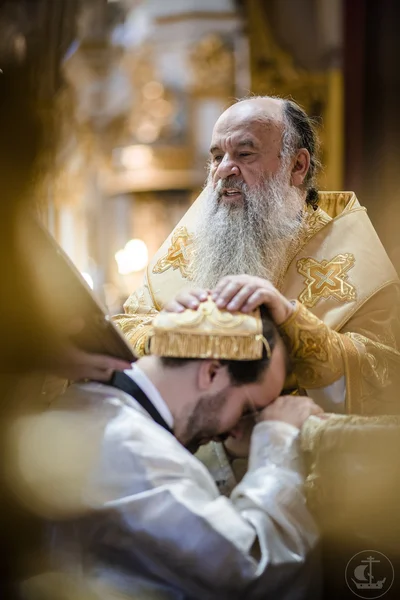
These steps are climbed only from the bottom upwards and in turn: a layman will not be ordained a priest at once, bypassing the diaconate. Each step is given through ordination, the cheirotonia, which is performed in the sanctuary, at the Liturgy, and only once for each degree.
The most common confusion
Archpriest, hegumen, archimandrite, archbishop, metropolitan, patriarch are not a fourth, fifth and sixth degree. All of them remain within the same three. An archpriest is the same priest, only with a rank for long service; a metropolitan is the same bishop, only with a more significant see.
The difference is fundamental: a rank is given by decree and may reflect merit, office or the size of a diocese, while a degree is given by a Sacrament and does not depend on anything external. That is why the youngest priest and the most distinguished archpriest celebrate the same Sacraments in exactly the same way, and any bishop, whether a vicar or a patriarch, ordains with the same authority.
The practical conclusion is simple: to understand what a man may do at a service, look at his degree. The rank speaks only of position and length of service.
Images
See also
Clergy and ranks
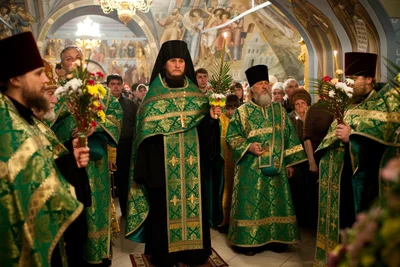
Clergy
Those ordained to serve in the Church — deacons, priests and bishops — divided into married (white) and monastic (black) clergy.
Clergy and ranks
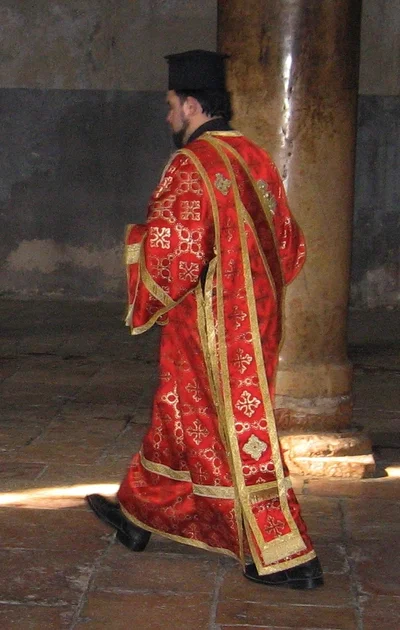
Deacon
The first degree of priesthood: he assists at services and chants the litanies but celebrates nothing himself. Recognised by the orarion.
Clergy and ranks
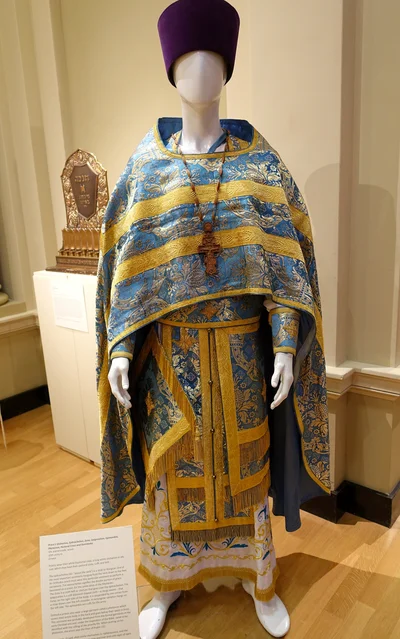
Priest
The second degree of priesthood: celebrates the Liturgy and all sacraments except ordination. Recognised by the epitrachelion and pectoral cross.
Clergy and ranks
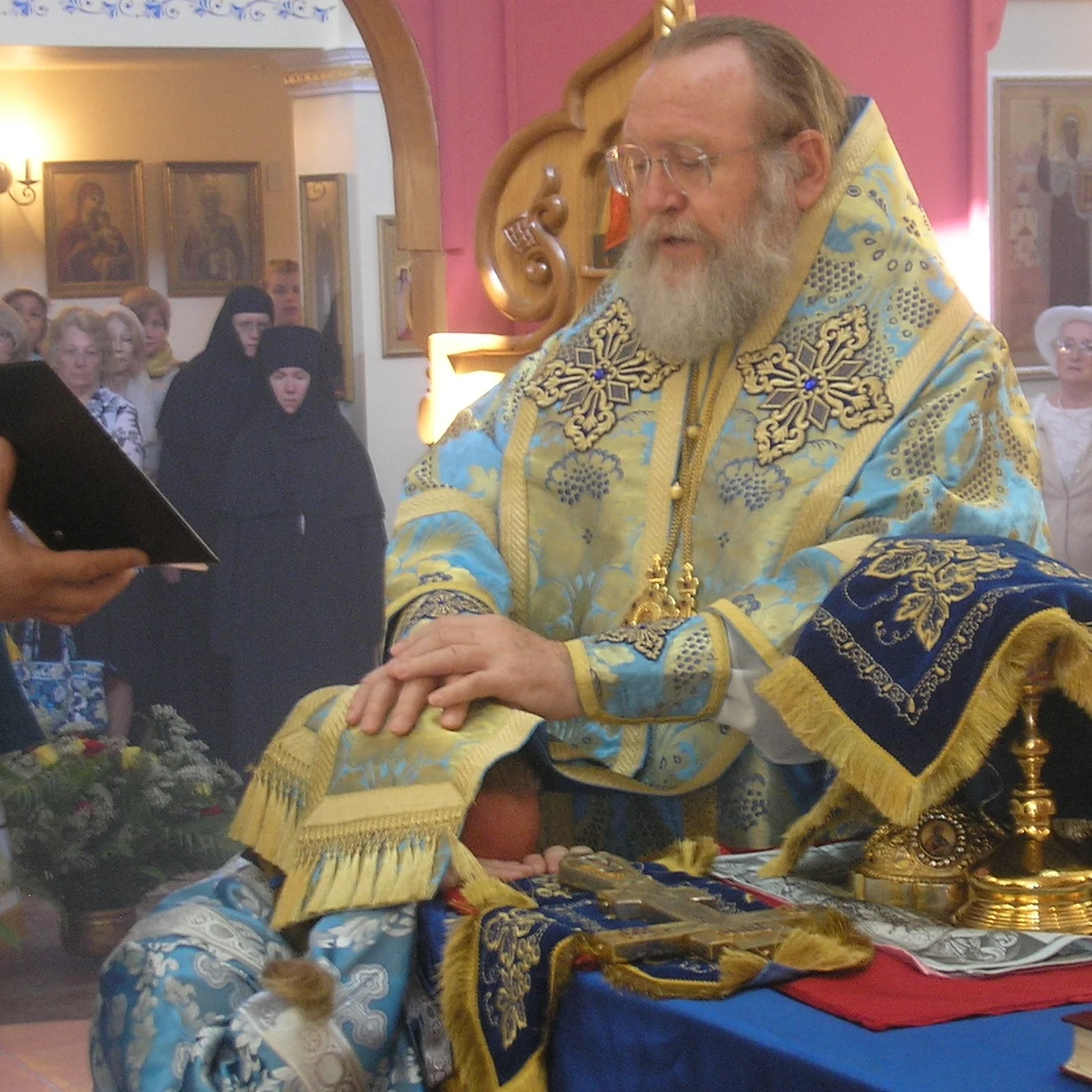
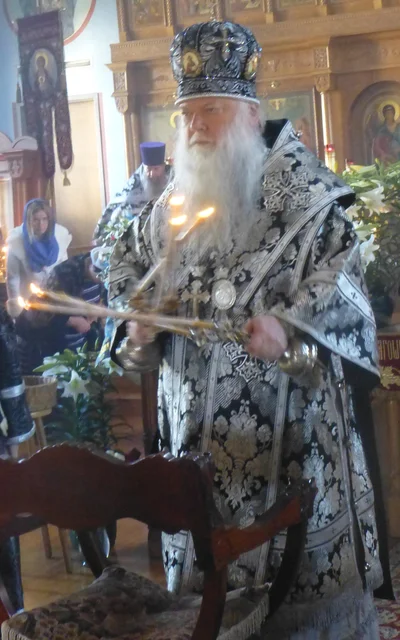
Bishop
The highest degree of priesthood: only a bishop ordains clergy and governs a diocese. Recognised by the omophorion, panagia and staff.
Sacraments
Ordination
The sacrament in which, by the bishop's laying on of hands, a man is made deacon, priest or bishop. It is served only at the Liturgy and only by a bishop.