
Proskomedia
The first part of the Liturgy: in the sanctuary the priest prepares the bread and wine and takes out particles for the living and the dead.
Reading options
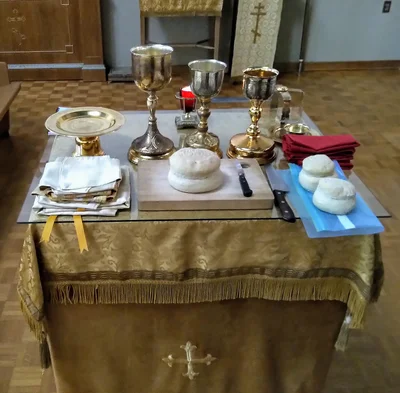
The Proskomedia is the preparation of the matter for the Eucharist. It is performed before the beginning of the Liturgy, in the altar, at a separate table to the left of the altar table — the table of oblation — quietly and without the participation of those praying. The word is Greek and simply means “offering”: in antiquity the Christians themselves brought bread and wine from home.
What takes place there
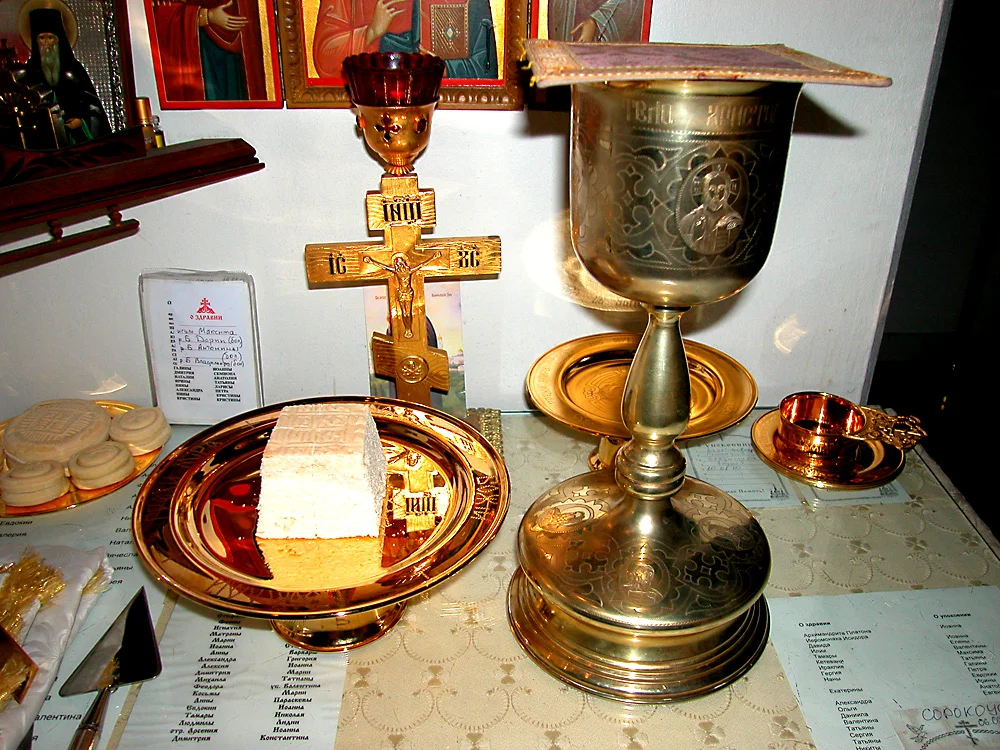
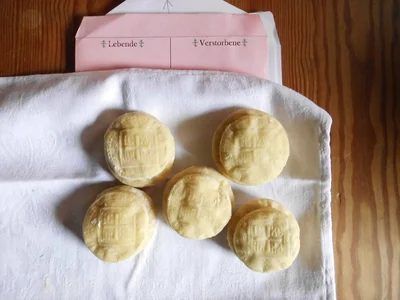
From the first prosphora the priest cuts out with a special knife — the spear — a cubical centre bearing the seal “IC XC NI KA.” This part is called the Lamb; it is this that will become the Body of Christ. Wine with water is poured into the chalice. From the following prosphoras particles are taken out: one in honour of the Mother of God, nine in honour of the prophets, apostles, hierarchs, martyrs and other orders of holiness, then for the living and for the departed.
Where your note comes in
It is at the Proskomedia that the submitted notes are read. For each name a crumb of bread is taken out of a prosphora and laid on the diskos beside the Lamb — the living on one side, the departed on the other. At the end of the Liturgy, after communion, all these particles are poured into the Chalice with the words: “Wash away, O Lord, the sins of those here commemorated by Thy precious Blood.” That is why people are asked to hand in a note before the beginning of the service — later there is simply nowhere to put it.
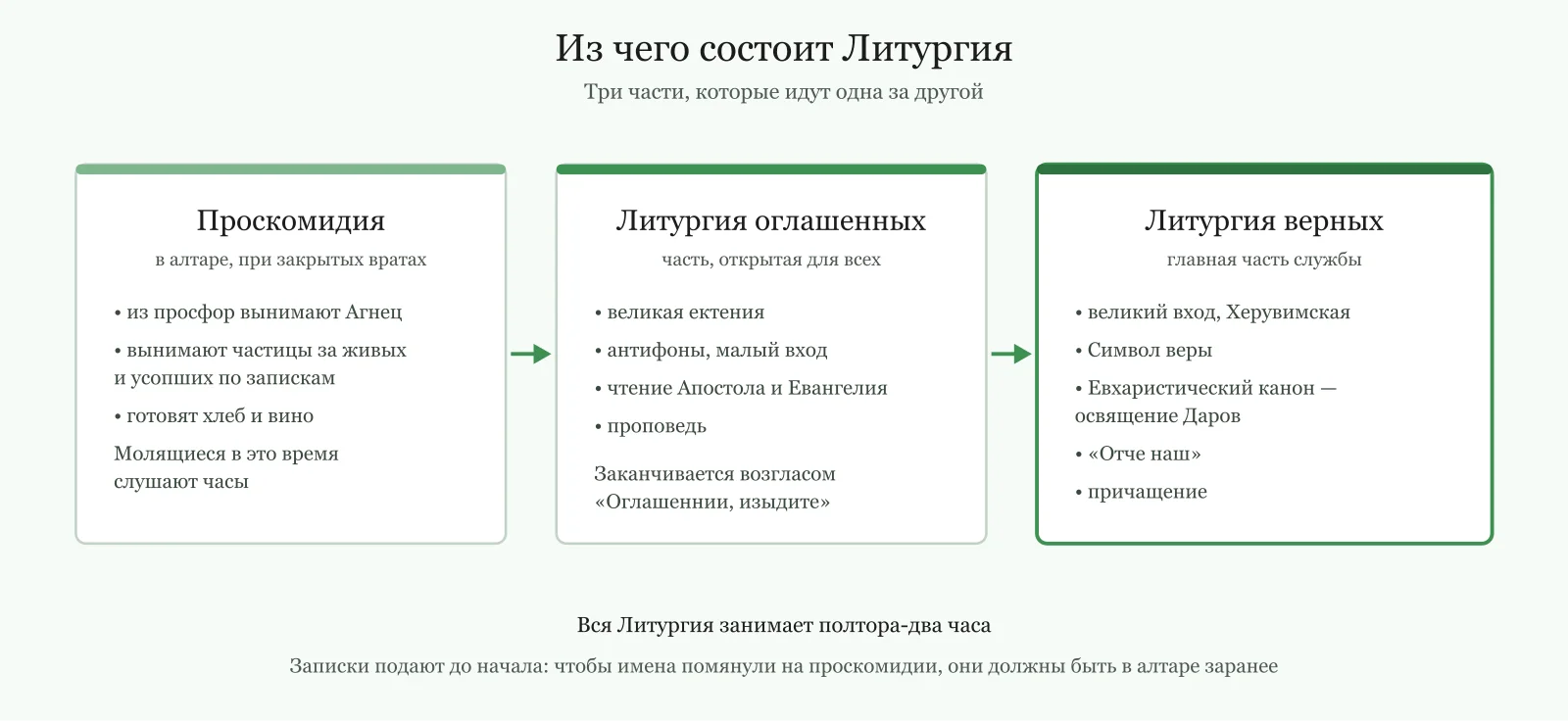
The Proskomedia takes twenty to thirty minutes and goes on at the same time as the reading of the Third and Sixth Hours. A person in church at this time hears the even reading of psalms — while in the altar the Liturgy has already begun.
Images
See also
Divine services
Divine Liturgy
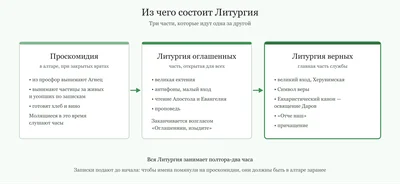
The principal service of the Church, at which the Eucharist is celebrated and the faithful receive Communion. Served in the morning, lasting one and a half to two hours.
The church building
Table of oblation (prothesis)
The table in the north part of the sanctuary where the bread and wine are prepared before the Liturgy.
Parish practice
Commemoration note
A slip of names handed in at the church shop so that those people are commemorated at the service.
Divine services
Liturgy of the Catechumens
The second part of the Liturgy, from the opening exclamation to the Gospel and the sermon — the part the unbaptised were allowed to attend.